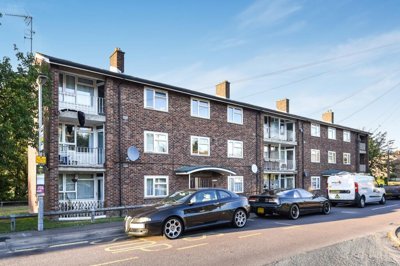
Browse 1 rental home to rent in Barley, North Hertfordshire from local letting agents.
One bed apartments provide a separate bedroom alongside distinct living space, bathroom, and kitchen areas. Properties in Barley are available in various building types including mansion blocks, contemporary developments, and house conversions.
£0/m
0
0
0
Source: home.co.uk
Showing 0 results for 1 Bedroom Flats to rent in Barley, North Hertfordshire.
Barley, in North Hertfordshire, sits in a market where property values remain strong and demand has been steady. Recent figures show house prices in Barley are up 40% on the previous year, and values now sit 2% above the 2023 peak of £791,071. That sort of movement says a lot about the pull of village homes within commuting distance of major employment centres. By early 2026, the average price paid had reached approximately £1,050,000, a clear sign of the premium attached to homes here. Rental data is thin on the ground, but the sales picture gives a good sense of the standard and character of the village stock.
Barley’s spot along the A10 corridor is a major draw for people working in Cambridge, or commuting to London from Royston station. It is a practical base, with countryside on the doorstep and access to big employment hubs still within reach. The Cambridge to London corridor has attracted significant investment in recent years, and Barley benefits from being tucked into that prosperous stretch of towns and villages. Homes range from old agricultural workers’ cottages to substantial family houses, a mix shaped by centuries of rural life in this part of Hertfordshire.
Being within the conservation area helps Barley keep its character intact, and new development has to sit comfortably alongside the existing architecture. The village includes traditional cottages, farmhouses, and newer homes that have been added over time. Supply is tight, so rental homes often draw several enquiries very quickly. For prospective tenants, speed matters. In a place this small, homes can be spoken for through local contacts and word of mouth before they appear to move far.
For those looking for a particular type of home, Barley is mainly terraced and semi-detached, with the occasional detached property asking a higher rent because of its larger footprint. A terraced property in the SG8 8LH area sold for £458,500 in October 2024, while a semi-detached home in the same postcode achieved £580,000. The gap between the two gives a useful sense of the range. Rental pricing is still shaped by small sample sizes, so individual property condition and setting can make a noticeable difference.

Barley, North Hertfordshire, offers the familiar picture of an English village, with farmland, public footpaths, and open countryside all around. The village takes its name from the grain once grown in the fertile fields nearby, and that agricultural past still shows in the landscape. Community life is active, with village hall events, local gatherings, and pub nights all part of the rhythm. It is the kind of place where neighbours know one another and children can play out in the surrounding countryside.
The village centre has the basics, including a traditional public house that acts as a social meeting point. The Fox and Hounds pub, like many village pubs across North Hertfordshire, gives residents somewhere familiar to meet and chat. It often hosts local events and village meetings too, which says a lot about the role these places still play. Nearby hamlets add a few more local services, while the wider countryside offers plenty for walking, exploring, and just getting out into the air.
For day-to-day shopping, most residents head to Royston to the north or Saffron Walden to the east. Both market towns have supermarkets, independent shops, restaurants, and medical services. Royston has grown quite a bit in recent years, and its centre now offers banks, pharmacies, and a weekly market. Saffron Walden has a more historic feel, with medieval architecture and a wide market square alongside practical day-to-day amenities. By car, either town is usually only fifteen to twenty minutes away.
Outdoors, the area gives residents plenty to work with. Public footpaths cross farmland and link Barley to neighbouring villages, and the Hertfordshire Way long-distance path passes through the region for walkers who want a longer stretch of countryside. The River Cam runs through the area too, bringing riverside walks and chances to spot wildlife. Therfield Heath, near Royston, is a particular favourite for views over farmland. The conservation area status also matters here, because it protects the built environment and keeps future development sympathetic to the village’s character.

Families looking to rent in Barley, North Hertfordshire, have a number of schooling options within a sensible travelling distance. Several primary schools in surrounding villages serve the area, and many of the smaller rural schools offer a more personal approach for younger children. Parents often like the smaller class sizes, which can mean more individual attention for each pupil. Nearby Ofsted-rated schools provide a solid foundation, and plenty of families stay in the area largely because of these well-regarded primary options.
For secondary education, children usually travel to schools in the nearby market towns, and families need to factor school transport into the plan. Catchment areas can shape the options available, so it is worth checking admission zones before taking a property. Around Barley, some families use minibus services that collect pupils from village pick-up points and take them to schools in Royston and nearby towns. It keeps the link with rural living, while giving children access to a wider choice of schools.
Across North Hertfordshire, there are several respected secondary schools, and grammar school places can be reached in nearby towns for academically inclined students. The Thomas Hammond School in Baldock and The Meridian School in Royston serve the local area, with admissions based on catchment and selective entry criteria. It pays to look closely at catchment boundaries and admission rules, because they can make a real difference to school placement. Cambridge is also close enough to open up other educational possibilities, with a broader range of institutions and support services in the city.
Independent schooling is available across the wider region too, with schools in Cambridge and the surrounding towns offering alternative provision. Some families are happy to travel further for that. If renting in Barley, it makes sense to check school admissions and transport arrangements early on, because these day-to-day details can shape family life in a rural setting. Popular schools can be competitive, so early applications are usually a good idea.

Transport links from Barley, North Hertfordshire, are built around the road network, which ties the village to surrounding towns and cities. The A10 runs nearby, giving direct access to Cambridge to the north and links to the wider motorway network via the M11. That makes Barley a sensible option for commuters in Cambridge’s technology and research sectors, or for those heading further afield via the M11 to London and the south. The A10 has also seen improvements in recent years, which has helped journey times to Cambridge and the surrounding employment centres that draw people to this part of Hertfordshire.
Royston is a short drive away and has a railway station with services to Cambridge and London, which makes it useful for commuters in both directions. The trip from Royston to London King's Cross is about 45 minutes, so the village sits within reasonable commuting range of the capital for those who travel there occasionally. Thameslink services from Royston also connect directly with London stations, including Finsbury Park, where passengers can change for the Underground. Cambridge station adds another option, with faster Great Eastern services to London Liverpool Street and extra flexibility for regular travellers.
For most day-to-day journeys, residents depend on private cars, because public transport in the village itself is limited. Bus services do reach Barley from nearby towns, though they are mainly set up for school transport and the odd local trip rather than the daily commuter routine. The infrequency means car ownership is close to essential for most households, and that should be counted into the overall cost of living here. On the plus side, the local roads are quiet, so driving in and around the village is generally straightforward.
Cycling has its place too. The land is fairly flat, and the country lanes make short local journeys quite workable by bike. Around Barley, the quiet roads connect the village to nearby towns and places worth visiting, so it is a decent area for two wheels. The conservation area status helps keep traffic levels low, which makes walking and cycling more pleasant. Parking at village amenities is also usually easy enough, unlike in larger towns where spaces can be a headache. For anyone thinking about renting here, transport needs are worth weighing up, especially if work is somewhere without a direct rail link from Royston.

The countryside around Barley, North Hertfordshire, gives residents a strong reason to stay outdoors. A network of public footpaths spreads out from the village and provides instant access to the Hertfordshire countryside, with routes for everyone from casual walkers to people who want a full-day outing. The paths cross fields, meadows, and woodland, so the scenery keeps changing as you move through the rolling landscape that defines this corner of North Hertfordshire. For many people, that access to proper countryside walking is one of the biggest reasons to live in a village like Barley.
The Hertfordshire Way long-distance footpath crosses the region and gives more adventurous walkers a marked route through some of the county’s most attractive countryside. It links Barley with other appealing villages and rural stretches, which makes multi-day walking trips possible. For shorter outings, the paths around Therfield Heath and the Royston area are easy to reach from the village. Therfield Heath is especially well known for wildlife and for the wide views over farmland, which is why it remains popular with both locals and visitors.
Cyclists are well served too. The quiet country lanes around Barley make for relaxed exploring, and the gently flat terrain suits most fitness levels. Low traffic on minor roads creates a comfortable setting for riding. Routes to Royston and Saffron Walden are popular, while the A10 gives a more direct line to Cambridge for anyone after a longer ride. Several local cycling clubs use the lanes around Barley for regular outings, which tells its own story about how well the area suits riders.
The River Cam passes through the region and adds another layer to local life, with riverside walks and wildlife watching available along its course. The river valley supports waterfowl, otters, and kingfishers, while nature reserves and protected stretches provide important habitat. Birdwatchers are often drawn to the river corridors and wetland areas, where migratory species appear through the year. These natural features add a lot to daily life in Barley, and they offer a level of outdoor access that urban areas simply cannot match.

Before starting a search, it makes sense to speak with mortgage brokers or financial advisers and get a clear rental budget in place. Knowing the limits helps narrow the search to realistic options and shows landlords that finances are in order. Rent is only part of the picture, so council tax, utilities, insurance, and any maintenance costs need to sit in the same calculation.
It is worth reviewing the available rental listings in Barley and the surrounding North Hertfordshire villages. Supply is limited, as you would expect in a small village, so it helps to stay open to nearby places if a specific requirement cannot be met in Barley itself. Registering with local letting agents can also pay off, because they may have homes before they reach wider listing platforms.
Viewings should be arranged for homes that fit the brief, and more than one property is usually needed to make a proper comparison of condition, character, and location. Taking photographs and notes at each viewing helps keep similar homes apart later on. The condition of the property, heating system, and any conservation area restrictions all deserve close attention.
After a property is agreed, landlords will usually want tenant referencing checks, which include credit history, employment verification, and landlord references. Getting the paperwork ready early can speed this up and improve the chances of securing the home you want. Pay slips, bank statements, and references from previous landlords should all be organised before the search begins.
The tenancy agreement needs careful reading. Term length, rent amount, deposit amount, and any conditions attached to the rental should all be clear. Maintenance, utilities, and any extra charges also need to be understood before anything is signed. If the property is period and sits in the conservation area, the rules on alterations matter as well.
Before the keys are handed over, the condition of the property should be recorded with photographs and notes and passed to the landlord or agent. That record helps protect against being charged for problems that were already there when the tenancy ends and the deposit is due back. Every room should be covered, along with appliances, fixtures, and any outside areas.
There is limited rental price data for Barley, simply because so few properties come up at any one time. Even so, the strength of the local market, with average sold prices around £649,500 and recent prices paid reaching approximately £1,050,000, points to rental homes commanding premium rates that reflect the quality and character of village houses. In practice, homes in Barley tend to let at levels similar to other desirable North Hertfordshire villages, with two-bedroom cottages generally in the £1,200 to £1,500 per month range, while larger family homes may achieve £1,600 to £2,200 per month depending on size, condition, and exact position in the village.
For council tax, properties in Barley fall under North Hertfordshire District Council. The band will depend on value, with typical village homes ranging from Band C to Band F depending on size, type, and where they sit in the village. Band C homes usually pay around £1,500 to £1,700 each year, while Band F homes may face charges of £2,500 to £3,000 per year. Anyone considering a rental should check the band for the specific property, since it forms part of the regular monthly costs alongside the rent.
The Barley area has several primary schools in nearby villages and market towns, and class sizes are usually smaller than in urban areas. The surrounding villages include well-regarded Ofsted-rated primary schools, many of them with good to outstanding ratings. For secondary education, families look to schools in Royston, Saffron Walden, and the surrounding towns, with grammar school options available for those who qualify through the local selection process. Catchment areas and admission criteria can vary a great deal, so they need proper checking, especially where school placement is important. School transport should also be confirmed before committing to a property, particularly where older children are involved.
Transport in Barley itself is limited, and the bus services are set up mainly for school journeys rather than everyday commuting. The route to nearby towns runs to reduced timetables, with two or three services daily rather than the sort of frequent links found in towns and cities. Royston is the nearest railway station, about fifteen minutes by car, and it offers trains to Cambridge and London King's Cross, with journey times of around 25 minutes to Cambridge and 45 minutes to London. Most residents therefore rely on cars, though cycling works well for shorter local trips across the relatively flat Hertfordshire landscape. Those commuting to Cambridge may find a cycle to Royston station a practical way to combine transport modes.
For anyone who wants rural living and a strong community feel more than urban convenience, Barley offers a lot. The conservation area status helps preserve the village’s distinctive look, while Cambridge, Royston, and Saffron Walden are close enough for full services when they are needed. The village pub provides the traditional social centre, and the surrounding countryside is excellent for walking, cycling, and other outdoor pursuits. Rental supply is tight, so when a suitable home appears, there is usually strong interest. For people who value village life, good walking routes, and a real sense of community, Barley is a very appealing place to rent.
In England, standard tenancy deposits are capped at five weeks' rent where annual rent is below £50,000. Tenants should plan for that deposit and the first month’s rent in advance, as well as referencing fees that typically sit between £100 and £300 depending on the agent and the checks involved. Some landlords also ask for extra references or a guarantor if the tenant has a limited rental history. Preparing proof of income, identification, and previous landlord references early can speed things along and strengthen the application. It is also sensible to allow a further £100 to £200 for inventory check costs, which are standard in most tenancy agreements.
Homes in Barley’s conservation area are subject to limits on external changes, including alterations to windows, doors, roofing materials, and exterior paint colours. For some works, planning permission may be needed where it would not be in a non-conservation area. Tenants who want to make any changes, even small ones such as satellite dishes or external lighting, should get approval from both the landlord and the local planning authority. Those controls help keep the village’s character intact and preserve the distinctive appearance and village atmosphere that drew many people here in the first place. The tenancy agreement should set out what, if anything, can be changed during the tenancy.
Barley’s rental stock is made up mainly of traditional cottages, terraced homes, and semi-detached properties that reflect the village’s rural setting. Detached family homes do appear from time to time, though they usually command premium rents because of their larger size. Most of the available homes are period properties, with features such as fireplaces, exposed beams, and traditional construction methods still in place. The range runs from modest two-bedroom cottages that suit couples or small families, up to substantial four-bedroom homes that work for larger households. Furnished, part-furnished, and unfurnished homes can all be found, depending on the landlord and the property.
Renting in a village like Barley brings a different set of considerations from renting in a town or city. Homes in conservation areas often come with rules on modifications, exterior appearance, and permitted uses, so prospective tenants should check what is allowed during the tenancy. The tenancy agreement should spell out which changes need landlord approval, and even small alterations can take several weeks to agree, so that should be allowed for if personal touches matter.
Because many homes in Barley are older, maintenance responsibilities need to be clear in the tenancy agreement. Particular care should be taken with older features such as thatched roofs, original windows, and traditional heating systems, and it should be obvious which party is responsible for repairs and upkeep. Period properties often need more maintenance than modern homes, so knowing who arranges and pays for repairs matters before signing. Ask about the heating system, roof, and any listed or original features, because those repairs can be costly and slow.
Energy efficiency should sit high on the list when viewing older village properties. Period homes can have higher heating costs than newer ones, so it is wise to ask for the Energy Performance Certificate and read the rating properly before committing. Solid walls, single glazing, and older heating systems can all push utility bills up during Hertfordshire’s colder months from October through March. It is also worth asking whether insulation improvements could be made during the tenancy, and discussing that with the landlord before signing.
Garden maintenance is another practical issue. Village homes often come with larger gardens, and those need regular attention throughout the year. Landlords and tenants should be clear about whether garden care sits with the landlord or the tenant. Bigger gardens may need weekly mowing in the growing season, plus work on hedges, borders, and general upkeep. Properties with extensive grounds may suit people who enjoy gardening, or those ready to pay for professional garden services.
Broadband speeds in rural villages like Barley can be inconsistent, so anyone working from home should check connectivity options and think about mobile broadband as a back-up. It is sensible to ask current residents about their experience, because speeds can vary sharply from one property to the next depending on the local infrastructure. Full-fibre broadband is not yet available everywhere in the village, although rural connectivity continues to improve across North Hertfordshire. Mobile signal can also be patchy in parts of Barley, so it is worth checking that with your provider before committing to a rental.
From 4.5%
Professional rental budget assessment to help us understand what can be afforded, including all associated costs
From £499
Comprehensive referencing services to strengthen the rental application
From £85
Energy Performance Certificate required for all rental properties
From £350
Professional survey for older properties to identify any issues before renting
Renting in Barley, North Hertfordshire, means looking well beyond the monthly rent. Alongside the security deposit of five weeks' rent, tenants need to allow for moving costs, possible furniture purchases if the property is unfurnished, and ongoing utility bills that may not be included in the rent. The upfront cost of renting usually comes to between two and three months' rent, which is a sizeable amount and needs budgeting for before the search begins. First-time renters in particular should have enough savings to cover those initial outlays as well as an emergency fund for anything unexpected.
Village homes often cost more to heat than modern properties because of older construction methods and bigger room sizes, so energy costs deserve close attention during budgeting. Properties with solid walls, high ceilings, and period features can be lovely, but they may cost quite a bit more to heat than modern homes with updated insulation. Where possible, ask landlords for recent utility bills, and build higher-than-average energy costs into the monthly budget when looking at period properties in Barley.
Monthly outgoings also include water charges, council tax, and internet services, with council tax bands for village properties usually running from C to F depending on size and value. Council tax is generally paid monthly over ten months, with the two lightest months covered by discounts or payment holidays. Internet can be pricier in rural areas because competition is thinner and infrastructure costs are higher, so the available providers and likely charges should be checked before committing to a home.
Renters should not overlook insurance. Standard home contents insurance protects belongings, but it has to be arranged separately when renting rather than owning. Tenant liability insurance, which covers damage claims, may also be worth considering depending on landlord requirements and the value of the contents. Referencing fees, usually between £100 and £300, are another upfront cost before moving into a new home.
Some landlords in villages like Barley offer furnished properties, which may ask for a slightly higher rent but can reduce the initial spend on furniture and white goods. The choice between furnished and unfurnished needs careful thought, especially if buying furniture for an unfurnished home would add up quickly. Homes in the conservation area may also need specific approval for any changes, so anyone planning to personalise a rental should allow time, and possible costs, for permissions. A thorough budget at the start helps keep village living financially sustainable over the longer term.
Properties to Rent In London

Properties to Rent In Plymouth

Properties to Rent In Liverpool

Properties to Rent In Glasgow

Properties to Rent In Sheffield

Properties to Rent In Edinburgh

Properties to Rent In Coventry

Properties to Rent In Bradford

Properties to Rent In Manchester

Properties to Rent In Birmingham

Properties to Rent In Bristol

Properties to Rent In Oxford

Properties to Rent In Leicester

Properties to Rent In Newcastle

Properties to Rent In Leeds

Properties to Rent In Southampton

Properties to Rent In Cardiff

Properties to Rent In Nottingham

Properties to Rent In Norwich

Properties to Rent In Brighton

Properties to Rent In Derby

Properties to Rent In Portsmouth

Properties to Rent In Northampton

Properties to Rent In Milton Keynes

Properties to Rent In Bournemouth

Properties to Rent In Bolton

Properties to Rent In Swansea

Properties to Rent In Swindon

Properties to Rent In Peterborough

Properties to Rent In Wolverhampton

Enter your details to see if this property is within your budget.
Loans, cards, car finance
Estimated property budget
Borrowing + deposit
You could borrow between
Typical borrowing
Monthly repayment
Est. at 4.5%
Loan-to-value
This is an estimate only. Your actual budget may vary depending on interest rates, credit history, and personal circumstances. For an accurate affordability assessment, speak to one of our free mortgage advisors.
This calculator provides estimates for illustrative purposes only and does not constitute financial advice. Your home may be repossessed if you do not keep up repayments on your mortgage. Estimates based on 4.5% interest rate, repayment mortgage. Actual rates depend on your circumstances.
Homemove is a trading name of HM Haus Group Ltd (Company No. 13873779, registered in England & Wales). Homemove Mortgages Ltd (Company No. 15947693) is an Appointed Representative of TMG Direct Limited, trading as TMG Mortgage Network, which is authorised and regulated by the Financial Conduct Authority (FRN 786245). Homemove Mortgages Ltd is entered on the FCA Register as an Appointed Representative (FRN 1022429). You can check registrations at NewRegister or by calling 0800 111 6768.

We use cookies to show you personalised content and improve your experience of our website. Find out more in our Privacy policy and Cookie policy.