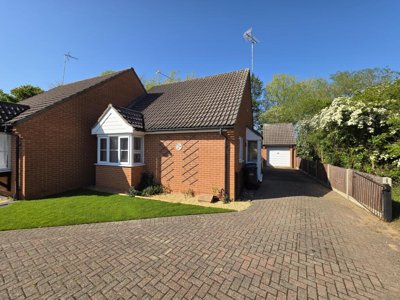
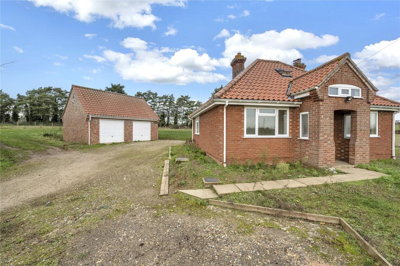
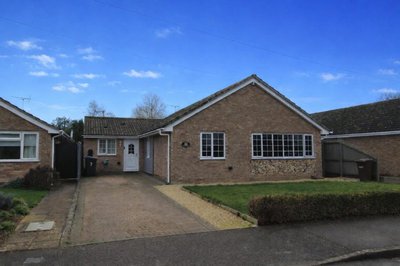
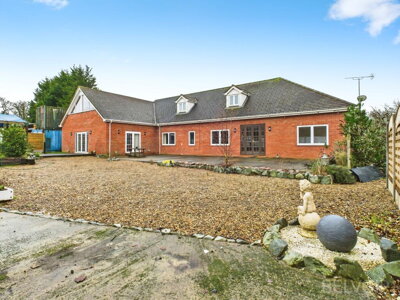
Browse 4 rental homes to rent in Bardwell, West Suffolk from local letting agents.
£2,300/m
1
0
117
Source: home.co.uk
Source: home.co.uk
Detached
1 listings
Avg £2,300
Source: home.co.uk
Source: home.co.uk
Bardwell’s rental market has the same feel as the village itself, small, traditional and rarely flooded with choice. Demand tends to run ahead of supply because only a limited number of homes come up at any one time. What does appear is usually a mix of character cottages, semi-detached houses and the occasional detached family home, with plenty of traditional red brick and pitched roofs in the local stock. The homes here span several periods, with around 30% built before 1919, 15% dating from 1919 to 1945, and another 30% from the post-war years through to 1980. That gives renters a spread from period properties to later family houses, although approximately 75% of all properties in Bardwell were built before 1980, so most rental homes are over 50 years old and worth checking with care.
Exact rents in Bardwell move around with the seasons, and with the size and condition of the property, but the wider West Suffolk market gives a useful guide. Terraced homes average around £925 per month, semi-detached houses sit at approximately £1,050 per month, and larger detached properties often reach £1,500 or more depending on size and specification. Homes in Conservation Areas, or places with strong period detail, can carry a premium because of their setting and character. Bury St Edmunds is close enough to widen the search, though plenty of renters still focus on Bardwell for its rural feel and strong community. We list homes across different price points, so it is easier to weigh up what suits both budget and day-to-day life.
With a population of approximately 1,000, Bardwell has the sort of rental market where word travels fast and available homes are often taken quickly through local contacts. That scarcity is part of the attraction. Tenants who come here usually want privacy, more space, and a village that has kept its unspoilt character. Many rentals include generous gardens and off-street parking, along with older details such as inglenook fireplaces, exposed beam ceilings and original wooden floors. It gives Bardwell a very different offer from a newer urban scheme, and that real sense of age and character matters to a lot of renters.

Community and countryside shape daily life in Bardwell. For a village of approximately 1,000 people, it feels close-knit, with neighbours who tend to know each other and local events that draw people together across the year. Work locally still reflects the rural setting, with agriculture, small businesses and services all playing their part. At the same time, many residents travel into Bury St Edmunds and other nearby towns for employment, then return to a much quieter setting at the end of the day. That balance is a big part of the appeal, country living at home, town-based work when needed.
Day to day, Bardwell covers the basics with a traditional public house that acts as a social centre, plus local facilities for everyday needs. For wider shopping, healthcare, restaurants and entertainment, most residents look to Bury St Edmunds, then head back to the village each evening. The surrounding Suffolk countryside adds plenty of walking and cycling, with public footpaths crossing farmland and linking Bardwell to neighbouring villages. Underfoot, the geology is mainly chalk and boulder clay. The boulder clay brings a moderate shrink-swell risk that can affect foundations in some spots, although for most people it has little effect on everyday living. The River Blackbourne runs nearby and creates a very low risk of river flooding in the immediate area, but some lower-lying places can still see surface water flooding after heavy rainfall.
Set within the West Suffolk district, Bardwell is well placed for open countryside, historic market towns and the wider pull of Suffolk. Bury St Edmunds is approximately 8 miles away, which keeps major supermarkets, West Suffolk Hospital and employment at Saxon Business Park within straightforward reach. Nearby villages such as Ixworth, Stanton and Honington add more amenities and community facilities. For anyone who likes being outdoors, the network of farmland and country lanes works well for walking and cycling, while the Suffolk coast and Areas of Outstanding Natural Beauty are close enough for easy weekend trips.

Families looking to rent here usually rely on schools in the surrounding villages and towns rather than within Bardwell itself. Primary provision for Bardwell children is commonly accessed in places such as Ixworth, Stanton or Bury St Edmunds, depending on catchment arrangements and the needs of each family. Because the village population is small, local primary school provision may be limited, so it is sensible to check allocations and places before committing to a rental home. School transport is generally established, with bus routes serving nearby education settings. We always suggest speaking to West Suffolk Council education services for the latest catchment information, as eligibility can change.
For secondary education, most families look towards Bury St Edmunds and other nearby market towns, where schools tend to offer a wider mix of GCSE and A-level subjects and more specialist facilities. There are also options linked to further education and vocational training through providers in Bury St Edmunds, with the nearby Saxon Business Park and other employment centres supporting that wider picture. Before taking a tenancy, parents should still check current catchment arrangements with the local education authority, because those details can shift and can affect which schools children are eligible to attend. For many households, that combination matters, town-based education choices with village life at home. By car, the journey to secondary schools is typically around 20 minutes, and several schools run bus services from the Bardwell area.
For younger children, nearby childcare gives working parents a bit more room to plan. Nurseries and pre-school settings in Ixworth and Stanton offer both full-time and part-time care, which is useful in a rural area where routines often depend on travel. Bardwell’s community also supports children’s activities and youth groups, adding to the family-friendly feel. Even so, school and childcare transport needs to be built into the day, because private transport is generally essential for school runs in this part of Suffolk.

Getting around from Bardwell is fairly straightforward by road, and for most residents that is what matters most. The village is approximately 8 miles from Bury St Edmunds, the main centre for shopping, healthcare and employment. Bardwell connects into the wider Suffolk network through the A143 and surrounding country lanes, although the rural setting means private transport is usually seen as essential. Drive time to Bury St Edmunds is around 20 minutes, while Cambridge is typically approximately 45 minutes to an hour depending on traffic. Via Bury St Edmunds, the A14 trunk road opens up routes towards Cambridge, Felixstowe and the wider motorway network.
Public transport is thinner on the ground, which suits Bardwell’s size and rural setting but not every commute. Bus links run through the surrounding villages and market towns, though service frequency may be awkward for anyone travelling daily to a more distant employment centre. Rail users generally head for Bury St Edmunds or Ely, where stations connect to Cambridge, London, Norwich and other destinations on the national network. Bury St Edmunds station has regular services to Cambridge and Liverpool Street, so some commuters do make it work, even with the extra road journey to the station. For people working remotely, Bardwell often feels like a better fit, quiet surroundings, decent broadband and more flexibility.
Some residents choose to cycle, especially for shorter trips between villages. Quiet lanes and dedicated routes help connect Bardwell with nearby communities and employment areas, and the relatively flat Suffolk landscape makes it manageable for a wide range of fitness levels. For longer journeys, people sometimes combine the bike with bus or rail travel. Cycling into Bury St Edmunds takes approximately 40 minutes and comes with a more scenic route than most commutes. We do still advise thinking carefully about transport before renting here, because daily life in Bardwell usually depends on private transport.

Spend a little time getting a feel for Bardwell before you start booking viewings. It is a peaceful rural village, but most day-to-day journeys are easier by car. Commute times, school plans and access to shops and services in Bury St Edmunds and other nearby towns all matter here. We make it easy to browse current listings on our platform, and you can use it to contact local letting agents for the latest on rental availability in the village.
Start with the numbers. Speak to lenders, or use Homemove's rental budget calculator, so you know what you can comfortably spend each month. In Bardwell, rents vary with type and condition, but terraced properties average around £925 per month, semi-detached homes reach approximately £1,050, and larger detached properties can command £1,500 or more. Once you know your limit, the search becomes much easier to narrow down. Most lenders can issue an agreement in principle within a few days of application.
With your budget in place, the next step is to line up viewings for any Bardwell rentals that fit. We show listings from local letting agents and private landlords, which makes side-by-side comparison simpler. As you walk round, look closely at condition, the property’s position within the village and the details that matter most to you personally. Homes in Conservation Areas can come with restrictions, so it is sensible to raise that with the landlord before you commit.
Some Bardwell homes need a closer look than others. The village includes a Conservation Area as well as listed buildings, and both can affect what alterations are permitted. Local ground conditions matter too, because boulder clay forms part of the geology and may influence condition in certain locations. A RICS Level 2 Survey is often the right way to pick up structural or maintenance issues before you agree terms. We recommend it for most rental properties here, particularly as approximately 75% of Bardwell housing stock was built before 1980.
Once you have settled on a property, the letting agent will usually ask for references, proof of identity and confirmation of employment. If this is your first tenancy, budget for a deposit equal to five weeks rent, plus the first month's rent in advance. Read the tenancy agreement slowly before signing. Clauses covering alterations, maintenance obligations and end-of-tenancy arrangements are the ones that tend to matter later.
After references are complete and the deposit and initial rent have been paid, you can get ready to move into your Bardwell property. This is also the right point to sort out an inventory check, so the condition of the home is properly recorded and your deposit has clearer protection when the tenancy finishes. We always recommend taking photographic evidence of every room, along with any damage already present. It can make the deposit return process much smoother.
Rural lettings in Bardwell bring a few issues that do not always crop up in town. Homes within the village Conservation Area may be covered by planning restrictions, which can limit the alterations or improvements you are allowed to make during the tenancy. Before you go ahead, ask the landlord exactly what changes are permitted and whether consent would be likely for anything you need. Listed buildings, including St Peter and St Paul's Church and a number of residential properties in the village, often call for specialist maintenance handled by the landlord rather than the tenant, so it is important to be clear about who deals with minor repairs and upkeep. Some properties in Bardwell's Conservation Area may also be statutorily listed, Grade I or II, which means any repairs or alterations have to follow conservation principles.
The ground conditions in Bardwell are worth bearing in mind. The village lies on chalk and boulder clay, and that can lead to movement in very wet or very dry spells, sometimes affecting foundations in older homes or properties with poor drainage. It is not a universal issue, but houses near larger trees, or buildings put up to older standards, may justify a more careful check. We often suggest a RICS Level 2 Survey before you sign a tenancy agreement, because it can pick up existing problems with foundations, damp or structural integrity that may affect how comfortable the property is to live in, or what the landlord may need to tackle. For a typical three-bedroom property in Bardwell, survey costs range from £450 to £600, while larger detached homes might cost £550 to £750.
Older Bardwell properties often show the same handful of defects. Damp is one of the main ones, especially rising damp and penetrating damp, largely because older materials and the absence of modern damp-proof courses are common in pre-1980s homes. Roofs are another area to inspect carefully, with ageing clay or concrete tiles, lead flashing and timber elements all prone to wear. Services can lag behind modern expectations too, so outdated electrics and plumbing are frequently found in properties built before newer standards came in. Timber problems, including woodworm and rot in structural timbers, also turn up, particularly in older homes with poorer ventilation, and a professional survey will usually identify them.
Flood risk is generally low in Bardwell. The River Blackbourne poses minimal risk in the immediate village area, although lower-lying spots can still be affected by surface water flooding during heavy rainfall. A survey should highlight signs of past flooding or water ingress, and it is sensible to ask the landlord directly whether the property has had any previous flood incidents. Energy performance varies a lot from one home to another. Pre-1919 buildings often have solid walls and weaker insulation than post-1980 construction, so heating costs can be notably different. Ask to see the Energy Performance Certificate before you agree terms, then weigh likely heating bills into your monthly budget along with rent and council tax.

Because Bardwell is small and rental turnover is limited, there is not a large pool of village-specific rent data to work from. The broader West Suffolk market is usually the best guide, with terraced homes at around £925 per month, semi-detached properties at approximately £1,050, and larger detached houses at £1,500 or more. Homes with period features, or those in especially sought-after parts of the Conservation Area, can achieve stronger rents than that. The clearest picture comes from checking live availability on our platform, where you can see what is actually on the market in and around Bardwell at that moment. Supply is tight, so we recommend setting alerts for new listings.
For council tax, Bardwell properties sit within the West Suffolk Council system and are billed by West Suffolk Council. The band attached to each home depends on value and property characteristics assessed by the Valuation Office Agency, with bands running from A to H. In practice, many rentals in the village are likely to fall between B and E, although the exact band varies by size, condition and individual features. Your tenancy agreement should state the band, and unless the landlord has agreed otherwise, council tax will be your responsibility during the tenancy. Those payments help fund local services such as education, waste collection and road maintenance across West Suffolk.
School places for Bardwell families are mainly provided by nearby villages rather than the village itself. Primary schools in Ixworth, Stanton and other surrounding communities serve the area, with allocations set by catchment rules through West Suffolk Council. The nearest primary schools include those in Ixworth, approximately 3 miles away, and Stanton, both of which cover the Bardwell catchment area. For older children, most families look to secondary schools in Bury St Edmunds, where the range of GCSE and A-level subjects and specialist facilities is wider. Before renting, we recommend checking current catchment arrangements and admissions criteria with West Suffolk Council education services or the schools directly, because these can change annually.
Bardwell does have public transport, but it is limited and shaped by the village’s rural setting and population of approximately 1,000. Buses link the surrounding villages and market towns, though the timetable may not suit a full daily commute. Bus route 16 serves Bardwell, Bury St Edmunds and nearby villages, with services typically running several times daily rather than hourly. For rail travel, the nearest stations are Bury St Edmunds at approximately 8 miles and Ely at approximately 18 miles. From Bury St Edmunds station, regular trains run to Cambridge in around 40 minutes and London in approximately 1 hour 40 minutes, with wider connections to London Liverpool Street, Norwich and other major destinations. Most residents still find private transport essential in Bardwell, and it is worth factoring that into any decision to rent here.
For the right renter, Bardwell offers a very strong quality of life. You get a village community, attractive Suffolk countryside and practical access to Bury St Edmunds for jobs, shops and services. Rental stock is limited because the village is small, but that shortage is also part of what keeps the place feeling private and settled. The trade-off is clear enough, families need to think about catchment, and most households will rely on private transport. Still, for people who want peace, character and a genuine sense of community, Bardwell often works very well. The housing mix helps too, from traditional cottages in the Conservation Area to newer family homes around the edges of the village.
In England, the standard rental deposit is five weeks rent, and the landlord or agent must protect it in a government-approved Tenancy Deposit Protection scheme within 30 days of receiving it. That scheme is there so the deposit can be returned at the end of the tenancy, provided there is no damage beyond normal wear and tear and no unpaid rent. You will also usually pay the first month's rent in advance when the tenancy agreement is signed. Other costs can arise, including referencing charges, letting agent administration costs and sometimes a holding deposit while references are being checked. Since June 2019, most tenant-facing letting fees have been banned under the Tenant Fees Act, so check-out charges and similar prohibited fees should not be requested. For first-time renters, it helps to budget early and, where possible, obtain a rental budget agreement in principle before you start applying for properties.
A survey is not compulsory for a tenancy, but in Bardwell it can be a sensible precaution. Around 75% of properties in the village were built before 1980, so most rental homes are now over 50 years old and can come with age-related issues as well as attractive original features. A RICS Level 2 Survey can reveal damp, roofing problems, subsidence risk linked to the underlying boulder clay, outdated electrics and timber defects before you commit. Costs in Bardwell are usually £450 to £600 for a three-bedroom property, while larger detached homes tend to come in at £550 to £750. If you expect to stay for several years, that upfront spend can be worthwhile, either to avoid a poor property or to discuss repairs with the landlord before moving in.
From 4.5%
Work out what you can realistically afford to rent by looking closely at your income and expenditure.
From £50
We can arrange referencing that checks your status as a reliable tenant in a clear, professional way.
From £100
We can help organise a professional inventory report, giving your deposit better protection at the end of the tenancy.
From £450
Book a professional survey so defects in a potential rental property are identified before you commit.
Knowing the costs of renting in Bardwell from the start makes the whole process easier to manage. The biggest upfront outgoing is usually the deposit, with standard practice set at five weeks rent and the money protected in a government-approved Tenancy Deposit Protection scheme. That protection supports the return of your deposit at the end of the tenancy, so long as there is no damage beyond normal wear and tear and no unpaid rent. You also need to keep in mind that the deposit is separate from the first month's rent, which is normally payable in advance when the tenancy agreement is signed. On a property let at £1,000 per month, you would therefore need approximately £2,250 ready for the deposit and first month rent before move-in.
There may be other charges to ask about, depending on how the landlord and letting agent handle the tenancy. Referencing fees are sometimes used to cover checks on identity, employment and previous landlord history, and the amount can vary between agents. Some also apply administration charges for setting up the tenancy, and renewal fees can appear if you decide to remain after the initial term. Holding deposits are commonly used to reserve a property while references are processed, and they are often deducted from the first month's rent rather than treated as an extra cost, although that differs from one agent to another. Ask for a full schedule of fees before you agree to anything. Also keep in mind that, since June 2019, most tenant fees were banned under the Tenant Fees Act, so the charges that can still be requested are limited to legitimate items such as rent, deposits and default charges for late rent payments.
Rent and council tax are only part of the picture in Bardwell, so it pays to budget for the ongoing extras as well. Utility bills, including gas, electricity, water and broadband, will normally fall to you unless the rent includes some or all of them. Contents insurance is usually a sensible addition, and some tenancies also place gardening or certain maintenance duties on the tenant rather than the landlord. Heating costs can be higher in village properties, especially older homes with bigger rooms or construction that predates modern insulation standards. Solid walls are common in Bardwell's older housing stock, and they generally cost more to heat than modern cavity-wall construction. Think through those expenses carefully before you move, and the start of the tenancy is usually much smoother.
Properties to Rent In London

Properties to Rent In Plymouth

Properties to Rent In Liverpool

Properties to Rent In Glasgow

Properties to Rent In Sheffield

Properties to Rent In Edinburgh

Properties to Rent In Coventry

Properties to Rent In Bradford

Properties to Rent In Manchester

Properties to Rent In Birmingham

Properties to Rent In Bristol

Properties to Rent In Oxford

Properties to Rent In Leicester

Properties to Rent In Newcastle

Properties to Rent In Leeds

Properties to Rent In Southampton

Properties to Rent In Cardiff

Properties to Rent In Nottingham

Properties to Rent In Norwich

Properties to Rent In Brighton

Properties to Rent In Derby

Properties to Rent In Portsmouth

Properties to Rent In Northampton

Properties to Rent In Milton Keynes

Properties to Rent In Bournemouth

Properties to Rent In Bolton

Properties to Rent In Swansea

Properties to Rent In Swindon

Properties to Rent In Peterborough

Properties to Rent In Wolverhampton

Enter your details to see if this property is within your budget.
Loans, cards, car finance
Estimated property budget
Borrowing + deposit
You could borrow between
Typical borrowing
Monthly repayment
Est. at 4.5%
Loan-to-value
This is an estimate only. Your actual budget may vary depending on interest rates, credit history, and personal circumstances. For an accurate affordability assessment, speak to one of our free mortgage advisors.
This calculator provides estimates for illustrative purposes only and does not constitute financial advice. Your home may be repossessed if you do not keep up repayments on your mortgage. Estimates based on 4.5% interest rate, repayment mortgage. Actual rates depend on your circumstances.
Homemove is a trading name of HM Haus Group Ltd (Company No. 13873779, registered in England & Wales). Homemove Mortgages Ltd (Company No. 15947693) is an Appointed Representative of TMG Direct Limited, trading as TMG Mortgage Network, which is authorised and regulated by the Financial Conduct Authority (FRN 786245). Homemove Mortgages Ltd is entered on the FCA Register as an Appointed Representative (FRN 1022429). You can check registrations at NewRegister or by calling 0800 111 6768.

We use cookies to show you personalised content and improve your experience of our website. Find out more in our Privacy policy and Cookie policy.