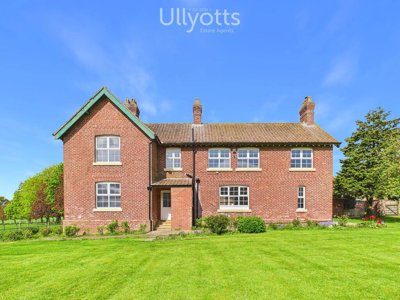
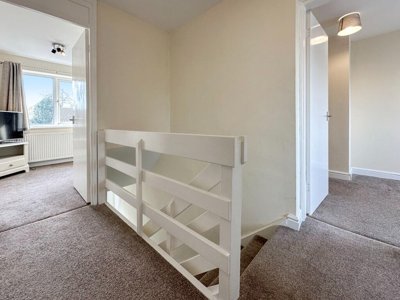
Browse 2 rental homes to rent in Bainton from local letting agents.
Bainton’s rental market sits within the wider East Riding of Yorkshire housing picture. The village itself is small, so rental turnover is limited, but the surrounding YO25 postcode area still offers a mix of period cottages and modern family homes. Average sold prices in the area stand at approximately £271,147, although rents shift with property type, size, and condition. Detached homes in the East Riding typically command the highest figures, with average sale prices around £337,000, while terraced properties average £170,000. That price pattern shapes what landlords expect and what they can reasonably ask across the region.
Prices have moved sharply in Bainton over the last twelve months, with house prices falling by 28.1%. home.co.uk listings data shows a 32% drop compared with the previous year and a 69% slide from the 2023 peak of £650,625. Landlords are adjusting their pricing as values shift. The village’s average house price now sits around £200,000, which keeps it relatively accessible next to larger East Riding towns. For renters, that can translate into more flexible terms as landlords look to secure good tenants.
Street-by-street figures show how location still carries a premium here. Main Street, Bainton averages £352,456, while Church Street properties sell for around £281,125. West End is the priciest part of the village, with recent sales averaging £468,750. Those numbers feed directly into rental expectations, especially for larger family houses on West End and the better stone cottages with views across the Wolds.

Daily life in Bainton is as rural as it comes, with stone cottages, winding lanes, and a close-knit feel. St Andrew’s Church anchors much of the village’s history. This Grade I listed Anglican church was largely rebuilt in the 1330s or 1340s, so worship here stretches back through centuries of village life. The late Georgian rectory, together with its coach house and stables, adds another layer of architectural interest. Walkers have the Yorkshire Wolds countryside on the doorstep, and the A614 links the village with nearby settlements and towns.
The parish covers approximately 1,608 hectares, so there is plenty of open countryside and farmland around the village. Population numbers have risen steadily, from 282 in the 2001 census to 334 by 2011, which says something about the continued pull of village living. Essential services are available locally, while Driffield provides wider shopping, healthcare, and leisure facilities. Bainton also sits within the Yorkshire Wolds, an Area of Outstanding Natural Beauty, so the views and outdoor space are a real part of everyday life. Local events and traditions help people settle in quickly.
Yorkshire Wolds chalk geology shapes both the landscape and the way buildings have been put together. Older homes here often use local stone, which suits the area and lasts well. The rolling chalk hills make for good walking country, with public footpaths cutting across farmland and woodland. Glencoe House on Main Street, built in 1750, is a neat example of how solid traditional construction has stood the test of time. Farming still matters too, with agricultural businesses supported by the fertile soils of the Wolds. Through the year, the land changes from spring planting to autumn harvest.

Families looking to rent in Bainton will find schools within a reasonable reach, but it is still wise to check current catchment areas and admission rules with each school directly. With such a small population, primary provision usually sits in neighbouring communities, where several good-rated primaries serve the wider area. Secondary options are found in Driffield and across the East Riding, with GCSE and A-Level routes available. We always suggest checking school performance data, inspection ratings, and admissions criteria before choosing a home for children of school age.
There are broader options across the East Riding of Yorkshire too, including secondary schools with strong academic records. Nearby market towns provide sixth form places, which can lead on to further education and university preparation. Younger children may be able to use early years settings in Bainton or the surrounding villages, covering childcare and preschool needs. Transport to school should be part of the decision, especially for secondary pupils who may need bus services. Local authority education data and school websites give the latest details on admissions, performance, and facilities.
Travel to secondary schools in Driffield usually means a bus journey along the A614, and the trip is normally around 15-20 minutes depending on traffic. Several primary schools in nearby villages also serve the Bainton catchment, and some families choose the village for its lifestyle while travelling out for school runs. East Riding school holiday dates can differ slightly from those in neighbouring authorities, which matters if parents work in nearby cities. We recommend visiting any school before committing to a tenancy, as that gives a better feel for the community and the facilities on offer.

Getting in and out of Bainton is mostly a road-based affair, with the A614 acting as the main route through the village. It links Bainton to Driffield, approximately 6 miles to the north-east, and continues southward towards markets further afield. Because the village sits on the eastern declivities of the Yorkshire Wolds, some roads can be affected by seasonal weather, particularly in winter. Car ownership is close to essential here, although that rural setting is part of why property prices stay lower than in better-connected urban areas.
Bainton once had its own railway station on the Selby to Driffield Line, which operated between 1890 and 1954 and was important for farmers moving produce to wider markets. That railway past says a lot about the village’s agricultural roots and how transport has always mattered to the local economy. Today, buses provide the public transport option for those without cars. Nearest active railway stations are in larger towns, with links to Hull, York, and beyond. For commuters headed to regional centres, journey times and parking arrangements in those towns need to be part of the planning.
The A614 gives direct access to Driffield, where residents can pick up extra bus services and use more local amenities. For rail travel, Hull station provides East Coast Main Line connections to London and Edinburgh, while York offers wider national rail access. The drive to Hull takes approximately 45 minutes, and York is around an hour, depending on traffic. Some people working in Hull do commute daily, taking advantage of Bainton’s lower property prices. Parking at regional railway stations can come with charges, and season ticket costs should be built into any relocation budget.

Renting in a small rural village brings a few practical points worth thinking through. Many homes in Bainton are historic, with stone walls and older roofing materials, so they can feel very different from newer builds. That is part of the appeal, but tenants should still be clear on maintenance responsibilities and utility costs. Properties near the village centre, especially along Main Street, Church Street, and West End, are often older and may have unusual features that deserve a careful look before the tenancy starts.
Some properties in Bainton are affected by conservation rules and listed building status, including the Grade I listed St Andrew’s Church and nearby Georgian-era buildings. Tenants should check with landlords whether any restrictions apply to how they can use the property. Available data for Bainton itself did not identify any significant flood risk areas, though individual checks are still sensible. Energy performance certificates will show how efficient a home is, and older stone buildings may need more heating than newer ones. A thorough inventory check before move-in protects both tenant and landlord.
The chalk geology of the Yorkshire Wolds usually gives stable ground conditions, so concerns about subsidence are less common than in clay-rich areas elsewhere. Even so, older stone homes may have foundations that reflect the building practices of their time, and tenants should report any cracking or doors that do not sit right. Traditional details such as flagstone floors, original timber windows, and period fireplaces give these homes character, though they need a bit of care. We would also suggest discussing any decoration plans or alterations with the landlord before signing, especially where listed building consent might be needed.

Local building methods explain a lot about how rental homes in Bainton feel. The Yorkshire Wolds chalk geology has shaped construction for generations, with local stone used heavily in older properties across the village. On West End and Main Street, traditional stone frontages are common, and some cottages date back to the 18th century or earlier. Those older methods create homes with thick walls, strong thermal mass, and character details that newer properties simply do not match.
Traditional cottages in Bainton are usually built with stone or brick external walls, and many have solid floors rather than suspended timber ones. Roofing materials have historically included clay tiles and slate, although some older homes may still have thatch or stone tile coverings. That means these properties can behave differently from modern houses, especially in relation to moisture and heating efficiency. Tenants should get to know how their home performs through the seasons, as traditional buildings often need a different heating approach from newer constructions.
There is also a more modern side to the village housing stock, with homes built using contemporary methods and materials. Detached family properties in Bainton can range from renovated period houses to purpose-built family homes. Bungalows are part of the mix too, which suits people wanting single-level living. When viewing rentals, we encourage tenants to ask about the construction type, the age of the property, and any recent renovations or improvements, as that helps set realistic expectations for maintenance and utility costs during the tenancy.
Start by setting a monthly rental budget, and do not just think about the rent. Council tax, utilities, and moving costs all need to be included too. Our rental budget calculator can help you work out what fits your income and outgoings. It is also sensible to factor in travel costs to work or school, because car ownership is essential in this rural location.
Have a look through our current listings for rental properties in Bainton and the surrounding YO25 postcode area. You can set up alerts so you are notified when matching homes become available. The village market moves quickly once a property is listed.
Contact local estate agents to arrange viewings of any properties that catch your eye. In a small village market, it makes sense to see homes promptly after they appear. Take your time during the viewing and look closely at condition, including signs of damp, the roof, and the windows.
Landlords usually ask for tenant referencing, credit checks, and employment verification. Having those documents ready can speed things up. References normally take 3-5 working days to come through, so it is worth building that into your moving plans.
Read the tenancy agreement carefully, including the length of the tenancy, the deposit amount, notice periods, and any property-specific conditions. In Bainton, garden maintenance responsibilities and any restrictions on how the property may be used deserve particular attention.
Once references have been approved and the tenancy agreement is signed, you can start planning the move and think about an inventory check to record the condition of the property at the start of the tenancy. An independent inventory protects both sides and makes it easier to sort out any disputes at the end.
Because Bainton’s property market is so small, detailed rental pricing data for the village itself is limited. Across the wider East Riding of Yorkshire, average property prices in the YO25 postcode area are around £271,147. Rental rates typically run from £600-£1,200 per month depending on property type, size, and condition, with terraced cottages usually renting for less than detached family homes. On Main Street, average property prices are £352,456, while Church Street averages £281,125, which shows the premium attached to central village locations. For current available rentals that match your needs, contact local estate agents.
Properties in Bainton fall under East Riding of Yorkshire Council. Council tax bands run from A to H, based on property value, and most rural homes are usually in bands A through D. Traditional stone cottages on Church Street or West End may sit in lower bands because of their historical value, while larger detached houses could be in band E or above. The exact band depends on the individual valuation, and current rates can be checked through East Riding of Yorkshire Council’s online portal or by speaking to them directly.
With a population of approximately 334 residents, the village itself has limited school provision. Primary schools in nearby villages and towns cover the local catchment, with several good-rated options within a short drive along the A614. For secondary education, schools in Driffield offer GCSE and A-Level pathways, and the bus journey takes approximately 15-20 minutes. Before committing to a rental property, parents should check admission policies, catchment boundaries, and school performance data through school inspection reports and direct enquiries.
Bainton’s public transport is limited, which is exactly what you would expect from a rural village. Bus services do link the village with nearby towns including Driffield, although the timetable is thinner than in urban areas. The old railway station on the Selby to Driffield Line closed in 1954, so rail travel now means getting to one of the larger stations in the region. Car ownership is strongly recommended, and parking in nearby towns should be built into any commuting plan.
For anyone looking for rural calm within the Yorkshire Wolds, Bainton offers a strong quality of life. It has historic character, lovely countryside including the AONB landscapes, and a real sense of community. The rise from 282 in 2001 to 334 in 2011 shows the village’s lasting appeal. The trade-off is clear enough, limited local amenities and the need to travel to larger towns for shopping, healthcare, and entertainment. For renters who value peace and natural surroundings more than urban convenience, Bainton is a strong choice.
In England, standard tenancy deposits are capped at five weeks’ rent where the annual rent is less than £50,000. Most rental homes in Bainton will ask for that level of deposit, usually from £750 for lower-cost rentals up to £1,500 for more premium properties. You may also need to budget for referencing costs of around £100-£200, administration charges, and a holding deposit equal to one week's rent while references are processed. Always ask for a full breakdown of fees before you go ahead with any application.
Because Bainton is so small, rental turnover is usually limited at any given time. The wider YO25 postcode area offers more choice, including period cottages, modern family homes, and the occasional bungalow for retirees or anyone wanting single-level living. Setting up property alerts through our platform means you will hear about new rentals in Bainton and the surrounding villages as soon as they appear, which helps in a competitive small-village market.
From 4.5%
Our team can help you work out how much rent fits your income and outgoings.
From £100
Most landlords want references before they approve a tenancy application. Our referencing service gets the necessary paperwork ready.
From £85
Energy Performance Certificates are needed for all rental properties. Our assessors cover Bainton and the surrounding area.
From £75
A thorough inventory check at the start of a tenancy gives you added protection. Our independent assessors record the property’s condition.
Knowing the full cost of renting in Bainton means looking beyond the monthly rent. Upfront expenses usually include a security deposit equal to five weeks’ rent, a holding deposit while references are checked, and referencing fees. Some landlords may also ask for administration fees, although regulations have curbed excessive charges. You should also budget for removals, possible furniture purchases, and getting utility services connected. Our rental budget calculator helps you plan for these costs properly.
Ongoing costs include monthly rent paid in advance, council tax payable to East Riding of Yorkshire Council, and gas, electricity, and water bills. Contents insurance is sensible for protecting your belongings, while TV and internet packages add to the monthly household spend. Homes in Bainton, especially older stone buildings, may cost more to heat than modern properties, so that is worth bearing in mind when comparing rentals. Tenants are usually responsible for minor maintenance, while landlords deal with structural repairs and compliance matters. Understanding who does what helps avoid arguments and keeps the tenancy running smoothly in your new Bainton home.
Council tax rates in the East Riding of Yorkshire vary by band, and most homes in Bainton fall into bands A through D. Monthly payments are usually around £100-£180 depending on the band, although single-occupancy discounts may be available. Internet speeds in rural villages like Bainton can vary, so tenants should check broadband availability with providers before committing to a tenancy, especially as home working has become more important. Water and sewerage services are provided by Yorkshire Water, and the charges appear quarterly on household bills.
Properties to Rent In London

Properties to Rent In Plymouth

Properties to Rent In Liverpool

Properties to Rent In Glasgow

Properties to Rent In Sheffield

Properties to Rent In Edinburgh

Properties to Rent In Coventry

Properties to Rent In Bradford

Properties to Rent In Manchester

Properties to Rent In Birmingham

Properties to Rent In Bristol

Properties to Rent In Oxford

Properties to Rent In Leicester

Properties to Rent In Newcastle

Properties to Rent In Leeds

Properties to Rent In Southampton

Properties to Rent In Cardiff

Properties to Rent In Nottingham

Properties to Rent In Norwich

Properties to Rent In Brighton

Properties to Rent In Derby

Properties to Rent In Portsmouth

Properties to Rent In Northampton

Properties to Rent In Milton Keynes

Properties to Rent In Bournemouth

Properties to Rent In Bolton

Properties to Rent In Swansea

Properties to Rent In Swindon

Properties to Rent In Peterborough

Properties to Rent In Wolverhampton

Enter your details to see if this property is within your budget.
Loans, cards, car finance
Estimated property budget
Borrowing + deposit
You could borrow between
Typical borrowing
Monthly repayment
Est. at 4.5%
Loan-to-value
This is an estimate only. Your actual budget may vary depending on interest rates, credit history, and personal circumstances. For an accurate affordability assessment, speak to one of our free mortgage advisors.
This calculator provides estimates for illustrative purposes only and does not constitute financial advice. Your home may be repossessed if you do not keep up repayments on your mortgage. Estimates based on 4.5% interest rate, repayment mortgage. Actual rates depend on your circumstances.
Homemove is a trading name of HM Haus Group Ltd (Company No. 13873779, registered in England & Wales). Homemove Mortgages Ltd (Company No. 15947693) is an Appointed Representative of TMG Direct Limited, trading as TMG Mortgage Network, which is authorised and regulated by the Financial Conduct Authority (FRN 786245). Homemove Mortgages Ltd is entered on the FCA Register as an Appointed Representative (FRN 1022429). You can check registrations at NewRegister or by calling 0800 111 6768.

We use cookies to show you personalised content and improve your experience of our website. Find out more in our Privacy policy and Cookie policy.