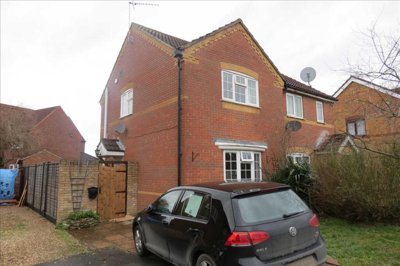
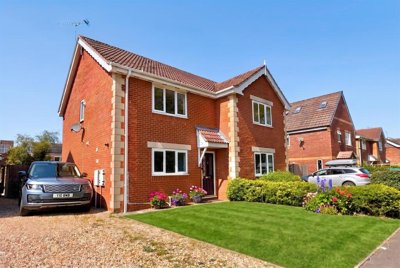
Browse 2 rental homes to rent in Ashby de la Launde and Bloxholm from local letting agents.
The 2 bed house market features detached, semi-detached, and terraced properties with two separate bedrooms plus living spaces. Properties in Ashby De La Launde And Bloxholm range from Victorian and Edwardian period homes to modern new builds, with pricing varying across different neighbourhoods.
A quiet market in Ashby de la Launde and Bloxholm says a lot about these rural Lincolnshire villages. Supply is tight, demand stays steady from people wanting countryside living with decent connections, and only 3 property sales were recorded over the past 12 months. That low level of activity suggests rentals appear only now and then, yet they still draw serious interest when they do. Prices have also edged up by 1.9% over the past year, so the market looks stable and may suit renters who could later want to buy locally.
Rental homes here are usually the sort with plenty of character, cottages, period farmhouses, and newer detached family houses from post-1980 development phases. A noticeable share of the stock is pre-1919, and many of those homes are listed buildings or sit within designated Conservation Areas in both Ashby de la Launde and Bloxholm. That gives the villages their distinctive feel, though it also means tenants often come across features and practical points that are worth understanding before signing up. We regularly see original timber-framed elements, thatched roofing details, and traditional flagstone floors that need specialist care.
RAF Cranwell nearby brings a particular rhythm to the local rental scene. Service personnel and their families often look for homes in surrounding villages such as Ashby de la Launde and Bloxholm, which helps steady demand and brings a mix of residents into the community. For families moving on from RAF Cranwell, the village setting and access to schools are often a strong draw. It suits those wanting a more settled base while working at the air base.

Ashby de la Launde and Bloxholm offer a very real slice of rural Lincolnshire life. Community spirit is strong, the pace is slower, and the villages are both designated Conservation Areas, so their historic character is protected for future generations. Traditional brick and stone buildings, cobbled lanes, and old village layouts all form part of that picture. There are also several listed buildings, including churches, manor houses, and historic farm buildings, which add depth and a sense of continuity. Small as they are, the villages still have a clear identity, with local events and traditions helping people feel part of something established.
Farming remains central to the local economy in this part of North Kesteven. The surrounding countryside is dotted with agricultural operations, which is why the area keeps its traditional look. The villages also sit on the edge of the Lincolnshire Wolds, an Area of Outstanding Natural Beauty with walking routes, cycling paths, and wildlife to spot across the rolling landscape. Public footpaths cross farmland, historic hedgerows are easy to come across, and the seasons feel very pronounced here. Sleaford is roughly 20 minutes away by car and gives access to supermarkets, banks, medical facilities, and a twice-weekly market.
RAF Cranwell adds an extra layer to the community, and many service families look to nearby villages when they need somewhere to live. At the same time, plenty of residents travel to Sleaford, Lincoln, and Newark for work, so they get village calm in the evenings and weekends, while still having access to bigger employment and shopping hubs during the week. Amenities in the villages themselves are modest, but the wider area includes village pubs, local shops, and farm shops selling fresh Lincolnshire produce. Our local team can talk through what sits within easy reach of each village location.

For families, the wider North Kesteven area offers solid education options at different ages. The villages themselves may have access to primary schools in nearby settlements, while secondary education is more often found in towns such as Sleaford, the main market town for this part of Lincolnshire. North Kesteven generally performs well on education standards, and several schools in the area have good Ofsted ratings, which helps make the location appealing to families. Parents should still check catchment areas and admission policies carefully, because those can make a real difference to school placement after a move.
Primary school life for village children usually means a short journey to a nearby settlement. These smaller schools often give children a community feel and class sizes that allow more individual attention, which many parents moving from larger towns find refreshing. Nearby Church of England primary schools offer faith-based options, while community primaries provide a broader early-years approach. We suggest visiting possible schools before you commit to a rental, because the day-to-day school run matters a great deal in a rural setting.
Older children needing sixth form or further education have a wider choice in nearby towns. Sleaford has secondary schools with sixth form provision, and Lincoln adds more options, including grammar schools and specialist colleges. Lincoln also gives access to the University of Lincoln, which matters if higher education closer to home is part of the plan. With RAF Cranwell close by, some families may also come across educational provision linked to armed forces communities, which can be useful during a move. When planning a rental in these villages, it makes sense to study admission arrangements and think through the travel involved in school runs to nearby settlements.

Transport links from Ashby de la Launde and Bloxholm are shaped by their rural setting, but there are still practical routes to larger places. The A153 and A15 are the main roads serving the area, and the drive to Sleaford usually takes around 20-30 minutes in normal traffic. Lincoln is reachable via the A15 in about 30-40 minutes, while Newark and Grantham are also within comfortable driving distance for people working in those market towns. Some of the surrounding lanes are narrow, so drivers should be ready for single-track stretches and farm traffic, especially at harvest time.
For most residents here, a car is close to essential. Public transport is naturally thinner on the ground than it would be in a town, although bus services do link the villages with nearby settlements. Frequencies reflect the low population density, so services may run only a few times a day. We advise checking Stagecoach and local bus timetables carefully, because early morning and late afternoon departures may be the only workable options if you do not have a vehicle. Village-centre bus stops are usually available, but planning a journey takes a bit more thought than it would elsewhere.
Commuters heading towards larger cities can use the stations at Sleaford, Lincoln, and Grantham, which connect into the wider rail network and open up places such as Nottingham, Peterborough, and London. Grantham is especially relevant for anyone travelling to London, with journey times to London Kings Cross of around 1 hour 15 minutes. That makes occasional business trips or leisure days in the capital perfectly manageable for people who work from home most of the time. Our team can talk through the practical side of commuting from these villages, including station parking and the best routes to avoid congestion at peak times.

Before viewing homes in these rural villages, it helps to have a mortgage in principle or rental budget agreement already in place. The market moves more slowly than it would in a city, but once the right property appears, being financially ready gives you a clear advantage. We can put you in touch with rental budget services that help tenants work out what they can afford before they start searching.
We can give you access to available rentals in Ashby de la Launde and Bloxholm, along with nearby North Kesteven villages, through our property search platform. Setting up alerts is a sensible move, because quality homes in these sought-after villages can attract interest quickly. Our team keeps an eye on the local market and can tell you when properties are likely to come up, so you can plan your move with a bit more confidence.
It is well worth arranging viewings for properties that match your needs, and taking time to look beyond the house itself. The street, the surrounding neighbourhood, and the nearby amenities all matter. We suggest visiting at different times of day to get a feel for noise, traffic, and the general atmosphere before you decide. Our inspectors can join you on viewings if you are looking at a property that needs a closer look because of its age or condition.
Because so many properties in Ashby de la Launde and Bloxholm are older, we strongly recommend a RICS Level 2 Survey before you sign a tenancy agreement. Homes of this age may have damp, outdated electrics, potential subsidence linked to local clay soils, or timber defects that only a professional survey will pick up. Our team works with qualified surveyors who know the construction methods and common defects found in Lincolnshire village properties.
Once you have settled on a property, we help you go through the tenancy agreement carefully so nothing important is missed, from the deposit amount and notice periods to maintenance responsibilities and any conditions linked to the home’s historic character or Conservation Area status. We can also talk you through the implications of renting a listed building or a property within a Conservation Area, so you know what restrictions may apply during the tenancy.
There are a few local factors that matter here and are less common in more urban rental markets. The underlying geology of North Kesteven includes clay soils, which brings a moderate to high shrink-swell risk and can affect foundations over time. Prospective tenants should look for subsidence, cracking, or movement in the structure, and ask landlords about any history of foundation problems or repairs. Trees close to properties can make ground movement worse in clay conditions, so the link between vegetation and buildings needs a careful look at viewings. Our surveyors often find foundation concerns during inspections of village properties in this part of Lincolnshire.
Surface water flood risk is another point to keep in mind in parts of these villages, particularly where local flood risk data shows medium to high risk. Tenants should check the flood risk status of any home and understand what drainage arrangements cover the property and surrounding land. Because the area sits on Jurassic limestone, drainage can vary a lot over short distances, and some spots can hold standing water after heavy rain. Homes in the designated Conservation Areas of both Ashby de la Launde and Bloxholm may also face planning restrictions that limit changes, even where a landlord agrees. If you rent a listed building, be aware that permitted development rights may be more restricted than usual, and consent may be needed for changes that would be straightforward elsewhere.
Many rental homes in this area were built long before modern standards came in, so electrics, plumbing, and insulation may not be up to current expectations without work. Properties built before 1980 often need electrical rewiring or plumbing upgrades, and older homes can lack effective insulation, which pushes heating costs up during Lincolnshire’s cool winters. We have seen plenty of examples with original cast iron plumbing showing corrosion, together with electrical systems that would not meet current Part P building regulations. Tenants should ask landlords what upgrades have been completed, what is planned, and how much heating might cost if the property performs poorly thermally.
Roofing deserves a proper look as well. Many homes have traditional pitched roofs with slate or clay tile coverings from the original build period. Our inspectors often note slipped tiles, worn lead flashing, and timber decay in roof structures, particularly where maintenance has been left too long. The Church of England church in Ashby de la Launde and the historic farm buildings across the parish show the sort of roof construction tenants may also encounter in residential homes. A clear view of the roof condition can help when discussing rent or asking for repairs before moving in.

Public rental figures for these villages are not tracked in detail, but sales values still give a useful sense of the market, with the overall average around £358,667 and detached homes averaging £430,000. In rural North Kesteven, rental prices usually compare well with urban areas, and three-bedroom family homes can often be found at competitive monthly rates that reflect the village setting rather than city pricing. With so few homes available to rent, prices can shift depending on condition, size, and whether recent upgrades have been carried out. Our team can share current market intelligence on achievable rental values locally, so you can judge whether a property is fairly priced.
For council tax, homes in Ashby de la Launde and Bloxholm fall under North Kesteven District Council, with collection alongside Lincolnshire County Council services. The band depends on the individual property, though rural Lincolnshire homes often sit in bands A through D, with larger or recently renovated homes sometimes higher. Older properties in these villages can fall into lower bands because of their age and traditional construction, which can make them cheaper overall even if maintenance is more demanding. Before you commit, it is sensible to confirm the exact council tax band with the landlord or agent, because that is part of the monthly cost alongside the rent.
Families also have schooling options to weigh up. Primary schools in nearby villages serve the surrounding North Kesteven countryside, while Sleaford acts as the main secondary education centre for North Kesteven. Standards are generally reasonable, but it is still wise to look at specific Ofsted ratings and think about catchment areas, as these can affect school placement. Village primaries usually cover smaller catchments than town schools, so travel can be shorter, though non-resident applicants may face waiting lists. School transport also needs to be checked, because bus services do not cover every location.
Public transport remains limited here, which is exactly what you would expect in Lincolnshire countryside settlements with low population density. Bus services do link the villages to nearby towns, but the timetable is sparse, so a car is practically essential for most residents. The nearest bus routes usually run along the A153 and connect to Sleaford and the surrounding market towns, though they are not really suited to daily commuting. Railway stations at Sleaford, Lincoln, and Grantham open up the national network, and journeys to London from Grantham take around 1 hour 15 minutes. Anyone relying on buses should study the timetable closely and think through commute arrangements before making a decision.
For people seeking rural calm without losing touch with schools and workable commuting links to larger towns, these villages offer a strong quality of life. The peaceful setting, historic character, and close-knit community spirit make the area appealing to families and to anyone ready to leave urban living behind. We have helped many tenants find homes here, and we often hear how welcoming the community feels once they settle in. Because supply is so limited, opportunities come up infrequently, so it pays to move quickly when a suitable property appears. Two Conservation Areas and a number of listed buildings add to the charm, but tenants still need to understand any restrictions attached to the tenancy.
Tenancy deposits in England are capped at five weeks rent where the annual rent is under £50,000, and the deposit must be protected in a government-approved scheme within 30 days of receipt by law. Tenants should also expect to pay a refundable security deposit and upfront rent, usually one month in advance, so the move often needs two months rent plus any fees at the start. Reference fees, right to rent checks, and inventory fees can also arise, so it is sensible to ask for a full cost breakdown before you go ahead. First-time renters should also allow for furnishing costs if the home is unfurnished, because older village properties often do not come with white goods or fitted furniture that would be standard in urban rentals.
Although the villages are not beside major rivers, surface water flooding remains a factor in some parts of the area, with certain locations marked as medium to high risk on official flood maps. The Jurassic limestone geology beneath the villages can create patchy drainage, so some areas are more prone to standing water after heavy rain. Prospective tenants should check the Environment Agency flood risk maps for any property they are thinking about, and ask the landlord whether flooding has happened before or whether any resilience measures are in place. Tenant contents insurance should be arranged to protect belongings, and people in higher-risk homes should know what they are expected to do if flooding happens. Our team can guide you through checking flood risk for specific properties and the precautions that go with it.
Before you begin searching, it is important to understand the full cost of renting in Ashby de la Launde and Bloxholm, because the monthly rent is only part of the picture. Security deposits are capped at five weeks rent for homes with annual rents below £50,000, and that deposit should be protected in a government-approved scheme within 30 days of receipt. Tenants also need to budget for the first month’s rent in advance, which means moving in usually requires two months rent plus any fees. A holding deposit may also be asked for while references are checked, usually equivalent to one week's rent, and that is normally offset against the main deposit once the tenancy is completed.
There are still a few extra costs to factor in, including referencing fees for credit checks and employment verification, right to rent documentation checks, and possibly inventory and check-in fees at the start of the tenancy. The Tenant Fees Act 2019 removed many charges that used to be common, but some lawful fees still apply, so we always recommend asking for a written breakdown before paying anything. With many homes in these Lincolnshire villages being older and unfurnished, tenants may also need to set aside money for basic furniture, white goods, and possibly initial cleaning. Getting a rental budget agreement in principle before viewings shows landlords that you are financially ready and can strengthen an application in a small market where competition can still be keen.
We can connect you with trusted partners for rental budgeting services, so you have a clearer idea of affordability before you start arranging viewings. It also makes sense to think about the wider costs of rural living, including higher heating bills in older, poorly insulated homes, transport costs if a car is needed, and contents insurance because of flood risk in some parts of the area. Putting those ongoing expenses into the budget helps keep a village rental affordable over the longer term.
Properties to Rent In London

Properties to Rent In Plymouth

Properties to Rent In Liverpool

Properties to Rent In Glasgow

Properties to Rent In Sheffield

Properties to Rent In Edinburgh

Properties to Rent In Coventry

Properties to Rent In Bradford

Properties to Rent In Manchester

Properties to Rent In Birmingham

Properties to Rent In Bristol

Properties to Rent In Oxford

Properties to Rent In Leicester

Properties to Rent In Newcastle

Properties to Rent In Leeds

Properties to Rent In Southampton

Properties to Rent In Cardiff

Properties to Rent In Nottingham

Properties to Rent In Norwich

Properties to Rent In Brighton

Properties to Rent In Derby

Properties to Rent In Portsmouth

Properties to Rent In Northampton

Properties to Rent In Milton Keynes

Properties to Rent In Bournemouth

Properties to Rent In Bolton

Properties to Rent In Swansea

Properties to Rent In Swindon

Properties to Rent In Peterborough

Properties to Rent In Wolverhampton

Enter your details to see if this property is within your budget.
Loans, cards, car finance
Estimated property budget
Borrowing + deposit
You could borrow between
Typical borrowing
Monthly repayment
Est. at 4.5%
Loan-to-value
This is an estimate only. Your actual budget may vary depending on interest rates, credit history, and personal circumstances. For an accurate affordability assessment, speak to one of our free mortgage advisors.
This calculator provides estimates for illustrative purposes only and does not constitute financial advice. Your home may be repossessed if you do not keep up repayments on your mortgage. Estimates based on 4.5% interest rate, repayment mortgage. Actual rates depend on your circumstances.
Homemove is a trading name of HM Haus Group Ltd (Company No. 13873779, registered in England & Wales). Homemove Mortgages Ltd (Company No. 15947693) is an Appointed Representative of TMG Direct Limited, trading as TMG Mortgage Network, which is authorised and regulated by the Financial Conduct Authority (FRN 786245). Homemove Mortgages Ltd is entered on the FCA Register as an Appointed Representative (FRN 1022429). You can check registrations at NewRegister or by calling 0800 111 6768.

We use cookies to show you personalised content and improve your experience of our website. Find out more in our Privacy policy and Cookie policy.