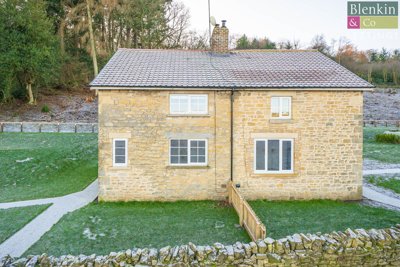
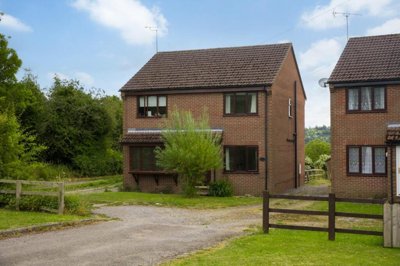
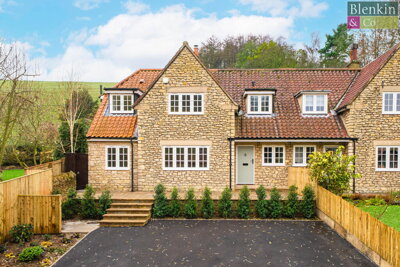
Browse 3 rental homes to rent in Ampleforth, North Yorkshire from local letting agents.
£850/m
1
0
26
Source: home.co.uk
Source: home.co.uk
Semi-Detached
1 listings
Avg £850
Source: home.co.uk
Source: home.co.uk
Ampleforth's rental market is smaller than the one in urban centres, which reflects its place as a close rural village rather than a commercial hub. In the YO62 postcode area, property availability spans a range of types, from traditional stone-built terraced cottages priced in the region of £418,833 to larger semi-detached homes averaging around £242,500. Detached homes have been the most commonly sold type in Ampleforth in recent years, which points to steady demand for properties with more privacy and outdoor space. Sold prices have fallen by 6% in the latest twelve-month period, bringing values closer to the 2022 peak of approximately £404,685. That adjustment may make buying a little more reachable, although rental stock remains limited in a village of this size.
New build activity in Ampleforth has been very light, and there are no active new-build developments identified in the current Ampleforth postcode area. Older planning work, including David Wilson Homes' proposal for 30 new homes off Station Road in 2013, has long been completed and absorbed into the housing stock. The result is a village that keeps its character, but rental choices are still mostly existing properties, many dating from the 19th century or earlier. Across Ampleforth, the building fabric is typically Yorkshire in style, with stone walls and pantile or slate roofs. Anyone renting here should expect those period features to be part of the package, charming as they are, and to come with the upkeep older homes often need.
Ampleforth sits in the valley of the River Holbeck, a tributary of the River Rye, and that watercourse helps shape the scenery across this part of North Yorkshire. The geography matters, because it explains why some homes sit where they do, especially those looking across the valley or close to water features. The village also lies on the springline between the limestone hills and the Vale of Pickering, creating a setting where higher ground gives way to farmland and broad countryside views. It is one of the reasons the place appeals to people looking for a rural way of life.

Ampleforth has the feel of a classic English village, with a sense of history that runs deep. Its origins go back to Saxon times, and it is mentioned in the Domesday Book, so there is a clear line of continuity through village life. The Ampleforth Conservation Area covers 22 hectares and protects the historic core, along with approximately 100 buildings, so the architectural character is likely to stay much as it has been for generations. An Article 4(2) Direction also applies within this protected area, meaning planning permission is needed for certain changes to elevations facing highways, waterways or important open spaces. That careful control has helped keep Ampleforth's identity intact, and it remains a distinctive place to live.
Much of the village's community spirit comes from Ampleforth College, which is the main employer and a centre for cultural and social activity. Farming is still important in the surrounding area too, with the fertile land of the Vale of Pickering supporting the local economy for generations. Tourism adds another layer, with visitors coming for the abbey, the nearby North York Moors and the Howardian Hills landscape. Day-to-day life is supported by the village shop, and buildings such as Coram Cottage, built in 1856, speak to the area's commercial past. Helmsley is close by as well, bringing pubs, restaurants and a market into easy reach.
The 2021 census recorded Ampleforth's population at 1,239, down from 1,345 in 2011, although the community still feels closely knit. The 2024 estimate puts the figure at approximately 1,231 residents. That small scale means new arrivals tend to become familiar faces quickly, and village events help keep people connected through the year. For renters who want genuine community rather than anonymous town living, Ampleforth has a rare feel, where neighbours are likely to know one another and village life still carries weight.

Education here is led by Ampleforth College, a respected independent Catholic boarding school with a longstanding reputation for academic strength and rounded development. It takes students from across the UK and internationally, offering secondary education through to A-Levels in a striking monastic setting. Families with younger children usually look to primary schools in surrounding villages such as Oswaldkirk or Stonegrave, with local authority schools serving the wider area. It is sensible to check school catchments and admission rules early, because in rural places like this the education picture can shape housing decisions quite sharply.
For further study, York is about 45 minutes to the south and gives access to a wide range of options, including the University of York and York College. That makes progression routes for older students fairly straightforward. The nearby North York Moors and Howardian Hills also bring educational angles linked to environmental studies, outdoor pursuits and agricultural sciences, which many families value. Ryedale School in Nawton serves state school pupils in the area. For renters with education in mind, it is wise to check admissions policy and transport arrangements early, since rural catchments can be competitive and the logistics need thought.
The setting itself offers learning experiences that city life cannot match. Children in Ampleforth have the Howardian Hills, an Area of Outstanding Natural Beauty, on the doorstep, so geography, biology and environmental science can come alive in the landscape. Agricultural life is visible from the village, and Ampleforth College adds another layer of facilities and activity. Together, those things give young people experiences that sit alongside formal study and build a real understanding of the natural world.

Getting around from Ampleforth reflects its rural character, so most residents rely on a private car and local bus services for everyday travel. The village is about 3 miles west of Helmsley, the nearest market town, which brings extra amenities and links to wider destinations. The A170 runs through the area and gives access to Scarborough to the east and Thirsk to the west, while the A1(M) can be reached in reasonable driving time for longer journeys. For people commuting to larger towns or cities, the position between York and the coast offers a useful balance of countryside calm and access to work. Still, anyone without a car should look closely at bus timetables and service frequency before taking a property in Ampleforth.
Rail travel is available from nearby stations such as Thirsk and York, and York station has direct services to major cities including London, Edinburgh and Birmingham. The trip from York to London King's Cross takes about two hours, so occasional business or leisure trips to the capital are practical. For flights, Leeds Bradford Airport and Durham Tees Valley Airport both sit within a manageable drive and provide domestic and international links. Cyclists will find plenty to enjoy on the routes through the Howardian Hills and into the North York Moors, although the hills call for a decent level of fitness. Parking in Ampleforth is usually straightforward, with less pressure than in urban areas, though older village-centre homes can have tighter arrangements.
Bus routes through Helmsley connect Ampleforth with the wider North Yorkshire network, including York, Scarborough and the market towns that serve the region. That said, rural services rarely match what people are used to in towns and cities, and evening or weekend buses can be limited. Anyone planning to depend on public transport should check the current timetables carefully and think about whether the services fit work and lifestyle needs before committing to a rental in the village.

Before viewing homes, it pays to think through what life in Ampleforth actually looks like. Visit at different times of day and on different days of the week to get a feel for the atmosphere, check the local amenities in Ampleforth, and work out the distances involved for shopping, work and leisure. The village shop covers day-to-day essentials, while larger shops and services mean a trip to Helmsley or further afield.
Speak to lenders or brokers about a rental budget agreement in principle before starting viewings. That gives letting agents and landlords a clear picture of financial readiness, which can help in Ampleforth's competitive market. Have recent payslips, bank statements and identification ready for referencing checks.
Once available rentals have been identified through Homemove, contact the letting agent or landlord directly to book viewings. Keep notes at each visit, take photographs for later comparison, and ask about lease terms, included utilities, maintenance responsibilities and any restrictions that might shape day-to-day living. Because the village sits within a Conservation Area, it is also sensible to ask about planning controls that could affect the property.
Read the tenancy agreement carefully before signing and ask for clarification on anything unclear. In Ampleforth, many homes are let on Assured Shorthold Tenancies with six-month initial terms. Be clear on deposit protection, notice periods and any break clause provisions. Properties in Conservation Areas or listed buildings may also carry extra clauses about maintenance and permitted alterations.
Expect referencing checks that look at credit history, employment and previous landlord references. A detailed inventory will be carried out at the start and end of the tenancy, so photograph the property thoroughly to protect the deposit at the end of the tenancy. In older stone-built homes common in Ampleforth, it is worth paying close attention to wear on stone walls, roof condition and any sign of damp or settlement.
Once referencing is complete and the tenancy paperwork is signed, it is time to organise the move. Arrange utility transfers for gas, electricity and water, notify the relevant people of the new address, and take the time to settle into the village. Register with the local GP practice and let the bank know the new address as part of the process.
Renting in Ampleforth means living with the rules that come with a historic rural village. The Ampleforth Conservation Area covers much of the centre, so a lot of rental properties are subject to planning restrictions that protect the village character. If there is any intention to alter the property, perhaps by installing satellite dishes, replacing windows or painting external elevations, specific permission may be needed beyond the tenancy agreement. The Article 4(2) Direction in the Conservation Area removes certain permitted development rights, which matters to tenants who like to personalise a home. Any planned changes should be discussed with the landlord before a tenancy is agreed, and any permission needed must be in place before work begins.
Ampleforth has numerous listed buildings, including 17 recorded in the National Heritage List for England, so some homes come with extra responsibilities. The landlord usually looks after the structure and exterior of a listed building, but internal changes can still be restricted. The local geology, at the junction of Jurassic calcareous grits and Kimmeridge clay, can also mean ground movement in severe weather conditions. During viewings, look for subsidence, cracking or damp, especially in older stone-built properties. We would advise a professional survey on any rental property under serious consideration, because traditional Yorkshire construction deserves expert inspection.
The age of the housing stock in Ampleforth is well worth studying before committing to a tenancy. Much of the conservation area is made up of 19th-century buildings, including long-established structures like the village shop and Coram Cottage, built in 1856. There is also a useful spread of 1950s and 1960s homes, including a former council estate on the south side of the main street. Each period brings different quirks and maintenance needs. Stone cottages with pantile roofs may need repointing and can show weathering, while 1960s homes may still have original fittings that would benefit from updating. Knowing the age of a property makes it easier to ask the right questions at the viewing.

The money side is fairly clear once the rules are understood. In England, the standard deposit is equivalent to five weeks' rent and is capped at £2,500 for properties with annual rental values below £50,000. That deposit has to be protected in one of three government-approved schemes within 30 days of the tenancy start, and information about the scheme must be provided. When the tenancy ends, the deposit should be returned within ten days of both sides agreeing the final amount, so long as there are no deductions for damage or unpaid rent beyond normal wear and tear.
There are usually a few more costs to factor in as well. Tenant referencing fees generally cover credit checks, employment verification and previous landlord references, and they usually fall between £100 and £300 per applicant depending on the agency. An inventory check, which records the property's condition at the start and end of the tenancy, tends to cost between £100 and £200. Some landlords ask for a holding deposit to reserve the home while referencing is completed, normally capped at one week's rent and set against the first month's payment. First-time renters should also remember that there is no government relief on rental deposits, though some employers or organisations do run deposit guarantee schemes that can ease the upfront cost.
Council tax is another monthly cost, and it varies by the valuation band attached to each property. Ampleforth sits under Ryedale District Council, and homes are spread across bands from A through to H. Because the village has heritage buildings and substantial period properties, including the Abbey complex, there is a wide spread of council tax bands across the area. Specific band details for any address can be checked through the Valuations Office Agency website. Utility bills may also differ from urban homes, since some stone cottages need more heating because of their construction and thicker walls.
Rental price data for Ampleforth is not published as openly as sales figures, mainly because the village has so little stock on the market. Recent property sales data shows average values around £405,650, with detached properties averaging £463,000, terraced properties at £418,833, and semi-detached homes around £242,500. Monthly rents usually track those values, so a one or two-bedroom stone cottage might sit between £700 and £1,000 per month, while larger family homes could ask for £1,200 to £1,500 or more. Local letting agents will have the best view of current availability and pricing in Ampleforth.
Ryedale District Council is the local authority for properties in Ampleforth, and council tax bands vary from one home to the next depending on valuation. Band A covers the lower end of the scale, while Band H applies to the highest-value homes. With heritage buildings and large period properties such as the Abbey complex, the village contains a broad spread of bands. Any property's specific band can be checked through the Valuations Office Agency website using the address.
Ampleforth College is the main educational landmark, a respected independent Catholic boarding school that offers secondary education through to A-Levels within the village. For younger children, families usually look to primary schools in nearby villages such as Oswaldkirk or Stonegrave, while local authority schools serve the wider area. Ryedale School in Nawton provides secondary education for state school pupils. It makes sense to check current Ofsted ratings and admissions policies directly with schools, because catchments in rural areas can be complex and change over time.
Public transport from Ampleforth is limited, which fits its role as a small rural village rather than a transport hub. The nearest bus services run through Helmsley, about 3 miles away, with routes into York, Scarborough and the surrounding market towns. Rail links are available at Thirsk or York, and York provides strong connections to London, Edinburgh and other major cities. Anyone without a car should look closely at bus timetables, especially because services may be infrequent on weekends and in the evenings. The nearest major airport is Leeds Bradford, approximately 50 miles away.
We think Ampleforth suits people who want a peaceful rural life in a historic and picturesque village. The Howardian Hills Area of Outstanding Natural Beauty is on the doorstep, so there is immediate access to countryside, walking routes and outdoor pursuits. Ampleforth Abbey adds cultural and community activity, while the village shop handles daily essentials. The trade-off is limited local employment, so most residents commute to nearby towns, and bigger shopping trips or entertainment usually mean travel. For people who value heritage, natural beauty and community spirit more than urban convenience, Ampleforth is an appealing rental option.
In England, the standard deposit for renting is five weeks' rent, capped at £2,500 for homes with annual rents under £50,000. In Ampleforth, that usually places deposits somewhere between £700 and £1,500, depending on the rental value. By law, the deposit must be protected in a government-approved tenancy deposit scheme within 30 days of receipt. Other costs to expect include referencing fees, often £100 to £300 per applicant, and inventory check charges of around £100 to £200. The letting agent or landlord should set out every fee in writing before a tenancy is agreed.
The Ampleforth Conservation Area covers 22 hectares and includes approximately 100 buildings subject to planning controls. An Article 4(2) Direction removes certain permitted development rights, so permission may be needed for changes that would usually go ahead without consent, such as replacing windows, installing satellite dishes or painting external elevations. There are also 17 listed buildings in the parish, and some may be Grade I or Grade II listed, which brings further restrictions on both external and internal alterations. Any planned changes should be discussed with the landlord before a tenancy is agreed, and the necessary permissions should be in place beforehand.
Stone-built homes in Ampleforth usually follow traditional building methods, with stone walls and pantile or slate roofs. During a viewing, check the pointing, the mortar between the stones, because wear there can let water in and lead to damp problems. Roof tiles or slates should be checked for damage or missing sections, especially after bad weather. Look for settlement or cracking around doors and windows, since the local geology at the junction of Jurassic calcareous grits and Kimmeridge clay can bring ground movement in extreme conditions. In older homes, ask about electrics and plumbing too, as both may need updating to current standards.
From 4.5% APR
Get a rental budget agreed in principle before the search begins. Our team helps arrange those agreements with lenders.
From £99
Complete referencing checks to keep the rental application moving. We work with landlords and agents across Ampleforth.
From £60
Energy Performance Certificates are required for all rentals. Our assessors cover properties throughout the YO62 area.
From £80
A professional inventory check helps protect the deposit. It is especially important for the stone-built period properties common in Ampleforth.
Properties to Rent In London

Properties to Rent In Plymouth

Properties to Rent In Liverpool

Properties to Rent In Glasgow

Properties to Rent In Sheffield

Properties to Rent In Edinburgh

Properties to Rent In Coventry

Properties to Rent In Bradford

Properties to Rent In Manchester

Properties to Rent In Birmingham

Properties to Rent In Bristol

Properties to Rent In Oxford

Properties to Rent In Leicester

Properties to Rent In Newcastle

Properties to Rent In Leeds

Properties to Rent In Southampton

Properties to Rent In Cardiff

Properties to Rent In Nottingham

Properties to Rent In Norwich

Properties to Rent In Brighton

Properties to Rent In Derby

Properties to Rent In Portsmouth

Properties to Rent In Northampton

Properties to Rent In Milton Keynes

Properties to Rent In Bournemouth

Properties to Rent In Bolton

Properties to Rent In Swansea

Properties to Rent In Swindon

Properties to Rent In Peterborough

Properties to Rent In Wolverhampton

Enter your details to see if this property is within your budget.
Loans, cards, car finance
Estimated property budget
Borrowing + deposit
You could borrow between
Typical borrowing
Monthly repayment
Est. at 4.5%
Loan-to-value
This is an estimate only. Your actual budget may vary depending on interest rates, credit history, and personal circumstances. For an accurate affordability assessment, speak to one of our free mortgage advisors.
This calculator provides estimates for illustrative purposes only and does not constitute financial advice. Your home may be repossessed if you do not keep up repayments on your mortgage. Estimates based on 4.5% interest rate, repayment mortgage. Actual rates depend on your circumstances.
Homemove is a trading name of HM Haus Group Ltd (Company No. 13873779, registered in England & Wales). Homemove Mortgages Ltd (Company No. 15947693) is an Appointed Representative of TMG Direct Limited, trading as TMG Mortgage Network, which is authorised and regulated by the Financial Conduct Authority (FRN 786245). Homemove Mortgages Ltd is entered on the FCA Register as an Appointed Representative (FRN 1022429). You can check registrations at NewRegister or by calling 0800 111 6768.

We use cookies to show you personalised content and improve your experience of our website. Find out more in our Privacy policy and Cookie policy.