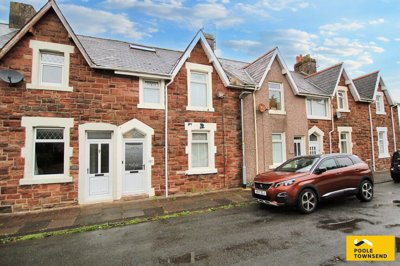
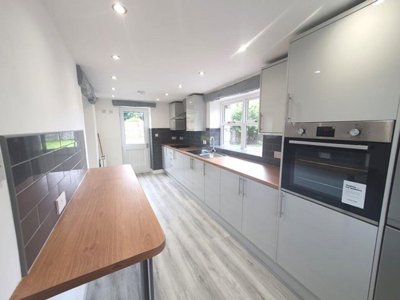
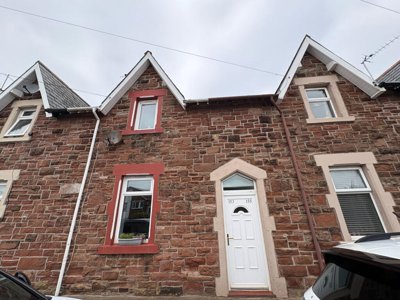
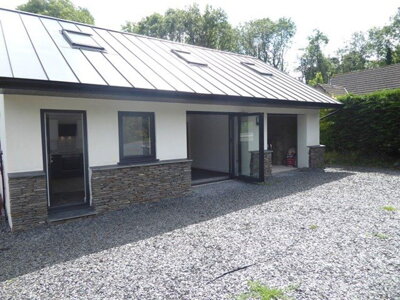
Browse 4 rental homes to rent in Aldingham, Westmorland and Furness from local letting agents.
The 2 bed house market features detached, semi-detached, and terraced properties with two separate bedrooms plus living spaces. Properties in Aldingham range from Victorian and Edwardian period homes to modern new builds, with pricing varying across different neighbourhoods.
£0/m
0
0
0
Source: home.co.uk
Showing 0 results for 2 Bedroom Houses to rent in Aldingham, Westmorland and Furness.
1,287 (2021 Census)
Population
528
Households
28
Listed Buildings
£200,000
Median Property Price
Aldingham's rental market mirrors the character of this small coastal parish, with limited stock but plenty of individuality, set against one of Cumbria's most historically significant villages. Public rental data is thin for such a small community, so the sales market gives us the best guide to local values. The median property price in Aldingham is £200,000, and recent transactions run from £50,000 to £697,100, pointing to everything from modest cottages to substantial historic homes.
Recent sales tell a clearer story about the housing mix. Detached homes have fetched around £200,000, semi-detached properties about £99,250, and terraced homes roughly £250,000, which fits the village's traditional Cumbrian terrace building. No flat sales have been recorded here. The stock is mainly period houses, farmsteads and historic buildings using local materials.
There are no active new-build developments in the village, so renters are looking at character homes, cottages and older places rather than modern apartment blocks. Aldingham properties often use local limestone, with quoins and dressings of red sandstone and gritstone, and many have rough-cast render to the outside. It is part of the appeal, though we would still have any older building checked over before committing, as traditional methods and materials can hide issues.
Aldingham sits on the eastern coast of the Furness Peninsula, looking across the sands of Morecambe Bay towards the distant Lancashire coastline. The civil parish reaches beyond the main village and into the bay's intertidal areas, which says a lot about the long relationship between the settlement and its shoreline. Local folklore tells of a larger village that was washed away by the tide, a neat reminder of what this coast can do. In winter the village has roughly 3.5 hours of daylight, while summer evenings stretch out thanks to its westerly position within the UK time zone.
Agriculture has long driven the local economy, with 19th-century lime-burning making use of the limestone, copper mining at nearby Birkrigg and the old cockle fishing tradition at Baycliff all adding to the picture. Today, Aldingham Hall is a residential home for the elderly, giving local employment while keeping a Victorian mansion built in 1846 in active use. The wider area still leans on its farming roots and coastal setting, and that draws visitors as well as business for places such as Gleaston and Scales.
Village halls, church groups and the usual rural networks give the parish a strong social core. We find plenty to like here for people who value coastal walks, birdwatching in the bay's internationally important habitats and the slow pace of village life. The Duddon Estuary and the wider South Cumbria landscape add even more room to roam.

For families renting in Aldingham, education is mostly based in nearby towns on the Furness Peninsula. Surrounding communities provide the local primary schools, while Barrow-in-Furness and Millom offer secondary schools, sixth form colleges and further education facilities. Several of the closest primaries are rated good or outstanding by Ofsted and sit within a reasonable drive.
The wider Furness area has several well-regarded schools, but catchments and admissions rules matter, so we would check those early when planning a move. School transport and boundary lines can shape the whole day-to-day routine. Good and outstanding Ofsted-rated schools are within reasonable commuting distance by car or public transport, though in rural Aldingham transport is often needed for primary-aged children.
Older children can look to Furness College in Barrow-in-Furness, which offers a wide spread of vocational and academic courses, while the town's sixth form provision covers the usual A-level route. University-level study generally means travel to Lancaster, Carlisle or other regional centres, so Aldingham tends to suit families with younger children or those already covered by primary and secondary schooling. Barrow-in-Furness is about 25-30 minutes by car, and school transport runs on the A595 trunk road.

Aldingham's transport links are what you'd expect of a small rural village, with private vehicles doing most of the heavy lifting for commuting and larger shopping trips. The A595 trunk road is the main route through the Furness Peninsula, taking drivers to Barrow-in-Furness to the south and on to the A590, which links with the M6 motorway at Kendal. It is not quick, but it does connect the parish to the wider road network, and from there to Manchester, Liverpool and the Lake District.
Bus services do run, but frequencies are limited compared with urban areas and they are really aimed at local journeys rather than everyday commuting. Barrow-in-Furness sits about 10 miles south of Aldingham and offers the wider rail choice, with links into the national network via the West Coast Main Line at Lancaster. Most people reach the nearest mainline station by driving to Barrow or taking a connecting bus, and the trip is around 25 minutes to the Barrow station.
For anyone working in Barrow-in-Furness, the car commute is usually 25-30 minutes under normal traffic, so Aldingham can work for people who want rural living but keep an urban job. The route cuts through attractive Cumbrian countryside, although we would factor in fuel costs and wear on the car. Cycling is a decent option for shorter local trips too, and the flat peninsula suits cyclists of moderate ability.

Before we commit to a rental in Aldingham, we would spend time exploring the village and the surrounding Furness Peninsula. Try it at different times of day and on weekends, so the community feel, the distance to local shops and services, and the everyday rhythm all come into view. Flood risk awareness matters here because of the coastal setting, and so do mobile signal, shopping runs and medical appointments.
We would speak to lenders about getting a rental budget agreement in principle before starting viewings. It shows landlords and letting agents that the monthly rent sits within reach, usually calculated as a multiple of annual income after existing commitments are taken into account. Having it ready before the search begins also keeps the process moving once a suitable place comes up.
Local letting agents in the Barrow and Furness area are the best place to start when rental homes in Aldingham appear. We would note the condition of each place, flag any maintenance concerns and ask about the tenure type, service charges and any restrictions attached to the property. Stock is limited, so when something suitable appears it pays to move quickly and to set up alerts with local agents.
Once a property is chosen, the tenancy agreement needs a careful read before anything is signed. We would look closely at the length of the tenancy, notice periods, the deposit amount and any clauses on maintenance responsibilities, pets or changes to the home. With period properties in Aldingham, the wording around traditional features and any listed building restrictions deserves extra attention.
At the start of the tenancy, we would arrange inventory check documentation, photograph every room and any existing damage, and take copies of all keys and access devices. Utility suppliers and local authorities should be told as soon as the move-in date is confirmed. Broadband is another one to line up early, because services can take longer to install in remote areas.
Aldingham's coastal and historic setting means we would always look closely at flood risk first. The village sits on Morecambe Bay and has long been tied to coastal flooding, while the local geology is gravelly soil over Carboniferous limestone, within the South Cumbria iron ore field where historic mining took place. We would ask landlords about previous flood events, check for flood resilience measures and look at the availability and cost of flood insurance before going ahead.
Older construction is another reason to inspect carefully. Many Aldingham homes use traditional limestone and building methods that predate modern building regulations, with rough-cast render, timber frame elements and stone-flagged floors all part of the picture. These features add character, though they can bring maintenance needs with them. We would ask about roof condition, recent upkeep and any signs of subsidence or structural movement, especially given the Carboniferous limestone beneath the village.
With 28 listed buildings in the civil parish, a good number of homes fall under listed building status or sit within conservation considerations. That usually adds character, and often value too, but it also means modifications, renovations and even small changes may be restricted. Anyone thinking about a longer tenancy in this historic village needs to understand those responsibilities from the start.

Public rental price data for Aldingham is not recorded in any meaningful way, simply because the village is so small and the number of rental transactions is tiny. Across the broader Furness Peninsula, modest one and two-bedroom homes usually sit around £400-£600 per month, while larger family houses command more depending on location and condition. For what is actually on the market in Aldingham right now, local letting agents are the ones to speak to, because prices shift with property type, size and recent upgrades.
Council tax in Aldingham falls under Westmorland and Furness Council. The mix of property types and ages means bands range from Band A for smaller homes to higher bands for larger period houses and converted buildings. Costs are generally competitive compared with urban areas, though the exact bill depends on the individual property and where it sits in the parish. We would always check the band with the landlord or letting agent before committing.
School provision in Aldingham itself is limited, so primary education is usually found in nearby villages and towns across the Furness Peninsula. The nearest primaries serve rural communities within a short drive and several carry good or outstanding Ofsted ratings, while secondary places are available in Barrow-in-Furness and Millom. Catchment lines and admissions rules matter here, so parents should check them early, as they affect which school children can attend.
Public transport is sparse, which is no surprise in a rural village like Aldingham. Bus services do run, but they are aimed at local trips rather than daily commuting to major employment centres. The Stagecoach 6 service links Aldingham with Barrow-in-Furness and neighbouring villages, though the timings mean private transport is usually the more practical choice. Barrow-in-Furness is the nearest full transport hub, with train connections to the national rail network, and most residents depend on cars for everyday travel.
Aldingham mixes coastal beauty, historical significance and quiet rural living in a way that appeals to people wanting a break from urban life. Its 28 listed buildings, the Morecambe Bay setting and the strong community feel all help to make it an attractive rental spot for the right tenant. Remote workers, retirees and families who do not need daily access to major employment centres may suit it well. Even so, limited local amenities, the need for transport and awareness of coastal flood risk all deserve a place in the decision.
Standard deposits for rental homes in England are set at five weeks' rent, capped at five times the monthly rent amount. The money sits in a government-approved Tenancy Deposit Protection scheme for the full tenancy and is returned at the end, subject to any deductions for damage or unpaid rent. We would also expect referencing fees, usually £75-£150 depending on the letting agent and how deep the checks go, to confirm identity, credit history and employment status. A holding deposit may be asked for to take a home off the market while referencing is completed, and that sum is usually taken off the final move-in costs, though it can be lost if the tenancy is abandoned without good reason.
Flood risk matters here because of Aldingham's position on Morecambe Bay, and local folklore about a larger village being washed away by the tide still hangs over the place. Homes near the shoreline or on lower ground can face higher risk, so we would ask landlords directly about any historical flood events at the property. Buildings Insurance may be dearer in this coastal setting, and some insurers will limit cover in known flood risk areas. Copies of previous flood risk assessments and a quick check on availability and cost of cover are well worth having before a tenancy starts.
Aldingham's heritage means many rental homes are period buildings, and the National Heritage List for England records 28 listed buildings, including Gleaston Castle, St Cuthbert's Church and Aldingham Hall. Listed building status brings restrictions on alterations, renovations and modifications that every tenant should understand before signing. Landlords also carry specific responsibilities for historic features, and changes may need listed building consent. We would still read the tenancy agreement carefully whatever the age of the home, because decoration, pets and sub-letting are common points of negotiation.
From 4.5%
A rental budget agreement helps us see what we can afford before the search starts.
From £75
Our referencing checks cover identity, credit history and employment status.
From £99
Professional inventory paperwork that protects both tenants and landlords at the start of a tenancy.
From £85
An Energy Performance Certificate assessment is required for all rental properties in England.
Understanding the costs involved in renting in Aldingham is central to good budgeting. The standard deposit is five weeks' rent, capped at five times the monthly rent amount, and it is held in a government-approved Tenancy Deposit Protection scheme for the length of the tenancy before being returned, subject to deductions for damage or unpaid rent. For a home at £500 per month, that means a deposit of £2,150 held securely under the Deposit Protection Service, MyDeposits or the Tenancy Deposit Scheme.
Extra upfront costs include referencing fees to confirm identity, credit history and employment status, usually £75-£150 depending on the letting agent and the level of checks required. Some agents still mention administration fees, although the Tenant Fees Act 2019 has largely removed them from residential tenancies. A holding deposit may be asked for to take a property off the market while referencing is completed. That deposit is usually deducted from the final move-in costs, although it can be forfeited if the applicant withdraws without good reason.
First-time renters benefit from relief on upfront costs for homes with rent below £425,000 in annual value, which effectively removes stamp duty land tax from the transaction. Even so, monthly rent, council tax, utility bills, contents insurance and any service charges for flats all need to be factored in across the tenancy. A rental budget agreement in principle, taken out before the search begins, sets realistic expectations and gives landlords and letting agents confidence in the numbers. In Aldingham's rural setting, we would also budget for higher fuel costs and the chance of delivery charges for goods and services that are not available locally.

Properties to Rent In London

Properties to Rent In Plymouth

Properties to Rent In Liverpool

Properties to Rent In Glasgow

Properties to Rent In Sheffield

Properties to Rent In Edinburgh

Properties to Rent In Coventry

Properties to Rent In Bradford

Properties to Rent In Manchester

Properties to Rent In Birmingham

Properties to Rent In Bristol

Properties to Rent In Oxford

Properties to Rent In Leicester

Properties to Rent In Newcastle

Properties to Rent In Leeds

Properties to Rent In Southampton

Properties to Rent In Cardiff

Properties to Rent In Nottingham

Properties to Rent In Norwich

Properties to Rent In Brighton

Properties to Rent In Derby

Properties to Rent In Portsmouth

Properties to Rent In Northampton

Properties to Rent In Milton Keynes

Properties to Rent In Bournemouth

Properties to Rent In Bolton

Properties to Rent In Swansea

Properties to Rent In Swindon

Properties to Rent In Peterborough

Properties to Rent In Wolverhampton

Enter your details to see if this property is within your budget.
Loans, cards, car finance
Estimated property budget
Borrowing + deposit
You could borrow between
Typical borrowing
Monthly repayment
Est. at 4.5%
Loan-to-value
This is an estimate only. Your actual budget may vary depending on interest rates, credit history, and personal circumstances. For an accurate affordability assessment, speak to one of our free mortgage advisors.
This calculator provides estimates for illustrative purposes only and does not constitute financial advice. Your home may be repossessed if you do not keep up repayments on your mortgage. Estimates based on 4.5% interest rate, repayment mortgage. Actual rates depend on your circumstances.
Homemove is a trading name of HM Haus Group Ltd (Company No. 13873779, registered in England & Wales). Homemove Mortgages Ltd (Company No. 15947693) is an Appointed Representative of TMG Direct Limited, trading as TMG Mortgage Network, which is authorised and regulated by the Financial Conduct Authority (FRN 786245). Homemove Mortgages Ltd is entered on the FCA Register as an Appointed Representative (FRN 1022429). You can check registrations at NewRegister or by calling 0800 111 6768.

We use cookies to show you personalised content and improve your experience of our website. Find out more in our Privacy policy and Cookie policy.