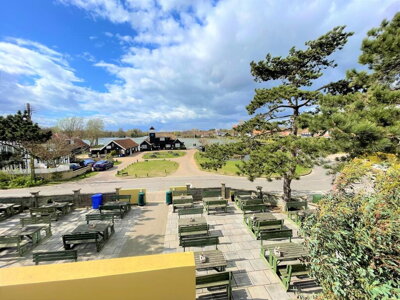
Browse 1 rental home to rent in Aldeburgh, East Suffolk from local letting agents.
Studio apartments feature open-plan living spaces without separate bedrooms, incorporating sleeping, living, kitchen, and bathroom facilities. The Aldeburgh studio market includes properties in modern apartment complexes, converted Victorian and Georgian buildings, and purpose-built developments.
£0/m
0
0
0
Source: home.co.uk
Showing 0 results for Studio Flats to rent in Aldeburgh, East Suffolk.
**PASSAGE 1:** Aldeburgh’s rental market reflects the town’s place as one of Suffolk’s most prestigious coastal spots, with Victorian and Georgian terraces on the historic High Street, semi-detached family homes in residential streets, detached houses with gardens, and modern apartments in conversions and purpose-built blocks all part of the mix. The average house price in Aldeburgh stands at £2,149 according to recent market data, with semi-detached properties averaging £3,438 and flats around £1,398, and that sales backdrop feeds directly into rental values as landlords react to property prices and demand from tenants looking for quality homes in this sought-after location. On the new-build side, The Alde Collection on Saxmundham Road (IP15 5EE) by Hopkins Homes offers 2, 3, 4 and 5 bedroom homes from £399,995 to £899,995, while the Persimmon Homes development on Leiston Road (IP15 5PW) lists homes from £299,995 to £620,000. These schemes are aimed mainly at buyers, but they still shape local values and may, over time, add to the rental stock. The housing mix is roughly 40% detached properties, 25% semi-detached, 20% terraced and 15% flats, with a significant share built before 1919 and finished using traditional Suffolk construction methods. We would also suggest a RICS Level 2 Survey before committing to a rental, particularly for older homes or properties in the Conservation Area, because survey costs in Aldeburgh are usually £450-700 for a typical three-bedroom property and can flag damp, timber defects and coastal weathering before a tenancy begins. Rental levels vary by type, size and condition, yet the town’s coastal prestige keeps them above many inland Suffolk markets, and the strong sales backdrop, with average house prices around £2,149, has a clear effect on what landlords ask. Two-bedroom flats typically rent from £1,273 per month, terraced homes may sit from £1,150 depending on location and condition, and larger family houses with three or four bedrooms can reach £3,438 per month or more, especially if they have sea views or sit close to the town centre. Properties near the River Alde estuary or with direct seafront access usually achieve the highest rents. Comparing current listings is the best way to pin down the market for a specific requirement, because prices can shift a lot between property types and parts of the town. Properties in Aldeburgh fall under East Suffolk Council's council tax scheme,
A 1.7% fall in property prices over the last twelve months has left Aldeburgh in a slightly more balanced position for renters. Detached homes dropped by 1.6%, semi-detached homes by 2.1%, terraced properties by 1.5%, and flats by 1.9%, while 78 property sales were recorded over the same period. That still points to steady activity. For renters, the shift can open the door to better negotiation on terms as landlords react to the market. Supply remains tight, though, and demand from professionals, families and retirees keeps well-kept homes in demand.
On Saxmundham Road (IP15 5EE), The Alde Collection by Hopkins Homes offers 2, 3, 4 and 5 bedroom homes from £399,995 to £899,995, while Persimmon Homes on Leiston Road (IP15 5PW) has properties from £299,995 to £620,000. These are buyer-led schemes, yet they still nudge values across Aldeburgh and may, in time, feed the rental supply. The local stock is around 40% detached, 25% semi-detached, 20% terraced and 15% flats, and a significant amount of it predates 1919, built with traditional Suffolk methods.

Aldeburgh is a coastal town with real charm and character, set on the Suffolk Heritage Coast in the East Suffolk district. Much of the historic centre sits within a Conservation Area, including the High Street, seafront and the surrounding residential streets, where Listed Buildings from Georgian and Victorian periods appear in good numbers. The iconic Moot Hall captures the town’s heritage, while the seafront opens out to North Sea views and the distinctive shingle beach that has drawn visitors for generations. Across Aldeburgh, the architecture still speaks to its maritime past, with many homes built in traditional Suffolk red brick, finished in render or pebble dash, and topped with pantile or slate roofs.
Tourism underpins a large part of the local economy, so hospitality, retail and leisure all create jobs across the year. The Aldeburgh Festival of Music and the Arts is the cultural high point, bringing music lovers and artists into town each summer. Fishing and other maritime activity still matter too, with the fleet working from the harbour and fresh seafood sold by local vendors. Healthcare services and everyday shops support the permanent population, while nearby towns such as Saxmundham and Ipswich widen the employment picture for commuters. With natural beauty, cultural depth and a strong community spirit, Aldeburgh has plenty going for it.
The geology here is made up of Crag Group deposits, sands, silts and clays over London Clay, with alluvium along the River Alde estuary and coastal sand and gravels at the edge. That combination brings a moderate to high shrink-swell risk where clay content is stronger, which can affect foundations over time. Homes near the River Alde do enjoy lovely estuary views, but they should also be assessed for fluvial flood risk when high tides meet heavy rainfall. The land is fairly flat too, so surface water drainage matters for both owners and renters.

Families in Aldeburgh have access to education for all ages, with several well-regarded schools in town and in the nearby area. Aldeburgh Primary School serves the local community from reception through to Year 6 and regularly posts good results in national assessments. For secondary schooling, pupils usually travel to schools in Saxmundham or Leiston, with transport arrangements available for families in outlying areas. The wider Suffolk school network is another advantage, with selective options in towns such as Ipswich and Colchester for those looking at grammar school education.
Parents looking to rent in Aldeburgh should check school catchments and admission arrangements carefully, because these can have a real effect on both property values and rental demand in certain streets. Many families are drawn here by the quality of life, outdoor pursuits and the town’s easy-going community feel. For older students, sixth form provision is available at nearby secondary schools, while further education colleges in Ipswich and Bury St Edmunds offer a broad mix of vocational and academic courses. Quality schools help to support rental demand, especially for family homes in convenient spots close to education and transport links. It is also worth remembering that school transport can be limited for homes outside the immediate town centre, so working out commute times to school is sensible during the search.
There are also independent schools in the surrounding area for families considering private education, with transport services running from Aldeburgh to schools in Felixstowe and Woodbridge. The area benefits from its closeness to the University of Suffolk campus in Ipswich and the University of East Anglia in Norwich, which suits families with older students who may return home during term time. Educational practicalities are a big part of the rental decision here, because school quality and access shape daily routines and long-term satisfaction in a coastal setting.

Transport from Aldeburgh combines road links with rail connections to key destinations, although the town keeps its calm coastal feel by sitting away from the main trunk routes. The A1094 gives access to the A12, which runs through Suffolk and links Aldeburgh to Ipswich in the south and Lowestoft in the north. Saxmundham, about seven miles inland, has a railway station with regular services to Ipswich and Norwich, which gives commuters a practical option if they work in larger centres. From Saxmundham to Ipswich, the rail journey takes around 30-40 minutes, and the onward trip from Ipswich to London Liverpool Street is about 80 minutes.
Drivers can reach Ipswich in about 40-50 minutes, traffic depending, while Bury St Edmunds is roughly an hour away. The scenic coastal roads linking Aldeburgh with Southwold and Felixstowe make car travel more of a pleasure for leisure trips. Bus services run in the local area and connect Aldeburgh with neighbouring towns and villages, though the timetable is lighter than you would find in urban places. Parking in the town centre can be awkward in peak summer months, when visitor numbers rise sharply, so renters should bear that in mind when choosing a property. Cycling provision has improved too, and there are several attractive routes for commuting and for simple pleasure.
The nearest major hospital with A&E facilities is in Ipswich, about 30 miles away, so access to healthcare is an important point for residents without private transport. Local buses to Saxmundham tie into the rail service, although the frequency may not suit anyone commuting every day. Norwich is reachable via the A12 and A14, with journey times of around one hour in normal traffic, which helps for work or appointments. Stansted Airport is about 90 minutes away by car for international travel, while Norwich Airport offers domestic and European flights.

Start by looking through current rental listings in Aldeburgh on Homemove, then compare prices, property types and locations side by side. We would also weigh up seafront proximity, town centre amenities, school access where relevant and transport links before narrowing the search. It helps to understand the seasonal rhythm of the market as well, because demand rises sharply in the summer when second home owners visit.
Before arranging viewings, get a rental budget agreement in principle so landlords can see that affordability has already been checked. That sort of pre-qualification strengthens an application and shows clear intent when a popular coastal property goes to market. In Aldeburgh, landlords often receive several applications for good homes, so documented income and affordability details can make a real difference.
We advise booking viewings for homes that match the brief, then taking time to check the condition of the property, the surrounding neighbourhood and how close it is to work and everyday amenities. In Aldeburgh, the coastal setting and the age of many buildings make condition especially important. Ask about the heating system, insulation levels and any recent maintenance or improvements the landlord has carried out.
For older properties, or homes in the Conservation Area, a RICS Level 2 Survey is well worth arranging before you commit to a rental. Survey costs in Aldeburgh are generally £450-700 for a typical three-bedroom property, and the report gives a clear picture of condition. Because this is a coastal town, damp, timber defects and coastal weathering are all common enough to justify that extra check before a tenancy starts.
Read the tenancy agreement closely before signing, with particular attention to deposit amounts, notice periods, maintenance responsibilities and any clauses that relate to the property type. In Aldeburgh, some homes carry restrictions linked to the Conservation Area or Listed Building status, which can affect permitted use and alterations. Anything unclear should be queried straight away, and a copy of the government-approved deposit protection certificate should arrive within 30 days of paying the deposit.
Take photographs and complete a detailed inventory check-in report before you move in, because a clear record of the property condition helps protect the deposit when the tenancy ends. It also avoids confusion over what was there at the start. In homes exposed to the coast, make a note of external joinery, window frames and any signs of penetrating damp or salt contamination in that inventory.
Renting in Aldeburgh calls for a few location-specific checks that are not quite the same as those in an ordinary urban market. Flood risk is a major one, with coastal flooding along the seafront, fluvial flooding from the River Alde estuary and surface water flooding during intense rainfall all worth considering. Ask about the property’s flood history, elevation and any flood resilience measures already in place. Homes with North Sea views can command premium rents, but they are also more exposed to coastal weather and possible storm damage.
The extensive Conservation Area designation affects many rental properties in Aldeburgh, and it brings restrictions on alterations, extensions and external changes that tenants should understand before committing. Many homes are Listed Buildings too, especially along the historic High Street and seafront, which can create extra obligations for landlords and tenants around maintenance and permitted changes. Building stock here usually features traditional Suffolk red brick, render finishes and pantile or slate roofing, and many properties are over 50 years old, so damp, timber decay and outdated services are all things to watch for. A proper inspection before signing a tenancy agreement can pick up maintenance issues that the landlord should sort before occupation.
Coastal erosion is an ongoing environmental issue for properties near the Aldeburgh seafront, with the coastline under pressure especially to the north and south of town. The immediate seafront does benefit from existing sea defences, but prospective tenants should still keep an eye on long-term coastal management plans and the possible effects on property values and insurance. Homes inland from the seafront, especially those on higher ground in areas like Saxmundham Road and Leiston Road, may carry less flood and erosion risk while still being close to town centre amenities. The geology, with underlying London Clay and Crag Group deposits, also creates some subsidence risk, particularly during long dry spells or where trees sit close to foundations.
For Listed Buildings and homes in the Conservation Area, tenants need to understand that permitted changes during a tenancy are tightly limited, and any proposed alterations need consent from East Suffolk Council and, in some cases, Historic England. Those restrictions can cover both interior and exterior changes, including painting, wall hung pictures and garden alterations. Period properties also tend to bring higher heating costs, given the age of many buildings and the likelihood of single glazing, solid walls without cavity insulation and older heating systems. Asking for recent utility bills during viewings is a sensible way to estimate ongoing costs.

Aldeburgh’s prestige coastal position keeps rents above many inland Suffolk towns, although the exact figure still depends on property type, size and condition. The sales market is another influence, with average house prices around £570,000 feeding through into rental values. Two-bedroom flats usually rent from £800-1,200 per month, terraced properties from £1,000-1,500 depending on location and condition, and larger family homes with three or four bedrooms can command £1,500-2,500 per month or more. Homes near the River Alde estuary or with direct seafront access generally achieve the highest rents. Comparing current listings is the best way to judge the going rate for a particular requirement, because prices vary a great deal between different property types and parts of the town.
Properties in Aldeburgh sit within East Suffolk Council's council tax scheme, with bands ranging from A through to H depending on the assessed value of the home. The town includes property across all bands, from modest flats in the lower ranges to substantial detached houses and period homes in the upper ones. Tenants should check the exact band with the landlord or letting agent before setting a budget, because council tax is a major part of monthly outgoings. Band D properties currently pay around £1,700-1,900 per year to East Suffolk Council, although that depends on the band. Premium homes on the seafront and in Conservation Area locations usually fall into the higher bands, reflecting their greater capital values and rental levels.
Aldeburgh Primary School serves the local community and performs well in national Key Stage 2 assessments, which makes it a strong draw for families with primary-age children. For secondary education, pupils usually travel to schools in nearby Saxmundham or Leiston, and there are several options within a reasonable travelling distance. Families who want grammar school education can look to Ipswich and Colchester, both accessible via the rail network from Saxmundham station. The surrounding area also has several excellent independent schools for families seeking private education, with transport arrangements generally available from the Aldeburgh area. Researching specific catchments and admission policies matters here, because homes near good schools can be limited in a smaller town like this.
Aldeburgh has decent public transport for a coastal town, with bus services running to neighbouring places including Saxmundham, where rail services to Ipswich and Norwich can be picked up. The Saxmundham to Ipswich rail journey takes about 35 minutes, and from Ipswich station there are onward connections to London Liverpool Street. Bus frequencies vary, with more services in the peak tourist season when extra visitors come to town. For medical appointments or specialist treatment, journeys to Ipswich or Norwich may be needed, so car ownership is a real advantage for many residents. Because some everyday services and amenities sit in larger towns, people living further from the centre should factor that into their decision.
We see Aldeburgh as a strong fit for renters who want a prestigious coastal setting with a close-knit community and plenty of cultural activity. Shops, restaurants, healthcare and leisure options are all within a striking natural backdrop on the Suffolk Heritage Coast. The main sticking point is the premium that coastal and cultural appeal brings to rents, which can sit above what some budgets allow for comparable homes in less desirable places. Seasonal tourism also means some areas swing noticeably between summer and winter populations, which suits some tenants more than others. A high number of second homes and holiday lets affects the supply of long-term rentals, so competition can be brisk when a good property comes up. Even so, Aldeburgh remains an excellent choice for people who put quality of life first and are comfortable with the cost that comes with it.
Standard tenancy deposits in Aldeburgh equal five weeks' rent, capped at five weeks' rent where the annual rent exceeds £50,000. A refundable security deposit protects landlords against unpaid rent or damage at the end of the tenancy, and it must be protected in a government-approved tenancy deposit scheme within 30 days of receipt. Tenants should also budget for the first month's rent in advance, letting agent fees where they apply, and the cost of references and credit checks. If a longer-term rental is on the table, some tenants also arrange professional surveys to gauge condition, with RICS Level 2 Surveys in Aldeburgh costing approximately £450-700 for typical family homes. Ongoing costs include council tax, utility bills and contents insurance, while coastal properties generally bring higher heating costs during winter months.
Flood risk is a real issue for renters in Aldeburgh, because the town faces several potential sources, including coastal flooding from the North Sea, fluvial flooding from the River Alde estuary and surface water flooding during heavy rain. Homes on the seafront and in low-lying areas near the estuary face the highest risk levels, so prospective tenants should ask landlords about flood history, elevation and any flood resilience measures already in place. Insurance can cost more for properties with significant flood risk, and some insurers may refuse cover in the highest-risk categories. Homes on higher ground in areas like Saxmundham Road and Crag Path generally offer lower flood risk while still staying within easy reach of town centre amenities.
The Aldeburgh rental market has a wide spread of property types that reflect the town’s varied housing stock, including Victorian and Georgian terraces on historic streets, semi-detached family homes in residential areas, spacious detached properties with gardens, and apartments in period conversions and modern blocks. Many rental homes sit within the Conservation Area, so specific planning restrictions affect alterations and modifications. Period properties often have traditional Suffolk construction, with solid brick walls, timber floors and original features that add charm but may need extra upkeep. Modern apartments and houses are available from new developments on the edge of town, offering contemporary accommodation with better energy efficiency and lower maintenance needs.
From 4.5%
Professional affordability checks for renters
From £50
Credit checks and references for rental applications
From £450
We always recommend a detailed property condition report before committing to rent.
From £80
Energy performance certificate for rental properties
Understanding the full cost of renting in Aldeburgh means budgeting for more than the monthly rent, because there are several upfront and ongoing expenses to think about. The standard upfront requirement includes the first month's rent in advance plus a security deposit typically equal to five weeks' rent, which must be protected in a government-approved scheme under the Tenancy Deposit Protection legislation. If the annual rent exceeds £50,000, the deposit cap applies at five weeks' rent, while lower rents use the same calculation. These deposits are refundable at the end of the tenancy, subject to any deductions for damage or unpaid rent beyond normal wear and tear.
Other costs to allow for include letting agent fees if an agent is used to find the property, referencing and credit check fees, and possibly the price of a professional property survey before committing. Renting in Aldeburgh also means budgeting for council tax payments to East Suffolk Council, utility bills including gas, electricity and water, and contents insurance to protect belongings. The coastal setting can push heating costs higher than average in older homes during winter, especially where insulation is poor or windows are single glazed. Taking time to set out a full budget before the search begins helps make sure all the costs of renting in this prestigious Suffolk coastal town are realistic.
Older Aldeburgh properties can bring higher maintenance costs during a tenancy, because issues such as damp, timber decay and outdated services may need attention. Tenants should understand their responsibilities for minor maintenance under the tenancy agreement and report any issues to the landlord quickly, so small problems do not worsen or become a source of dispute at the end of the tenancy. Energy efficiency varies widely across the local housing stock, and older period homes usually have higher energy costs than modern new-build accommodation. Homes in the Hopkins Homes Alde Collection on Saxmundham Road or the Persimmon development on Leiston Road generally provide better insulation and more efficient heating systems, which can help reduce ongoing utility costs for tenants choosing newer accommodation.
Properties to Rent In London

Properties to Rent In Plymouth

Properties to Rent In Liverpool

Properties to Rent In Glasgow

Properties to Rent In Sheffield

Properties to Rent In Edinburgh

Properties to Rent In Coventry

Properties to Rent In Bradford

Properties to Rent In Manchester

Properties to Rent In Birmingham

Properties to Rent In Bristol

Properties to Rent In Oxford

Properties to Rent In Leicester

Properties to Rent In Newcastle

Properties to Rent In Leeds

Properties to Rent In Southampton

Properties to Rent In Cardiff

Properties to Rent In Nottingham

Properties to Rent In Norwich

Properties to Rent In Brighton

Properties to Rent In Derby

Properties to Rent In Portsmouth

Properties to Rent In Northampton

Properties to Rent In Milton Keynes

Properties to Rent In Bournemouth

Properties to Rent In Bolton

Properties to Rent In Swansea

Properties to Rent In Swindon

Properties to Rent In Peterborough

Properties to Rent In Wolverhampton

Enter your details to see if this property is within your budget.
Loans, cards, car finance
Estimated property budget
Borrowing + deposit
You could borrow between
Typical borrowing
Monthly repayment
Est. at 4.5%
Loan-to-value
This is an estimate only. Your actual budget may vary depending on interest rates, credit history, and personal circumstances. For an accurate affordability assessment, speak to one of our free mortgage advisors.
This calculator provides estimates for illustrative purposes only and does not constitute financial advice. Your home may be repossessed if you do not keep up repayments on your mortgage. Estimates based on 4.5% interest rate, repayment mortgage. Actual rates depend on your circumstances.
Homemove is a trading name of HM Haus Group Ltd (Company No. 13873779, registered in England & Wales). Homemove Mortgages Ltd (Company No. 15947693) is an Appointed Representative of TMG Direct Limited, trading as TMG Mortgage Network, which is authorised and regulated by the Financial Conduct Authority (FRN 786245). Homemove Mortgages Ltd is entered on the FCA Register as an Appointed Representative (FRN 1022429). You can check registrations at NewRegister or by calling 0800 111 6768.

We use cookies to show you personalised content and improve your experience of our website. Find out more in our Privacy policy and Cookie policy.