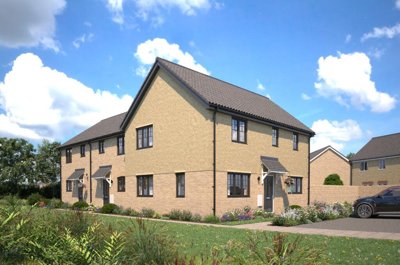
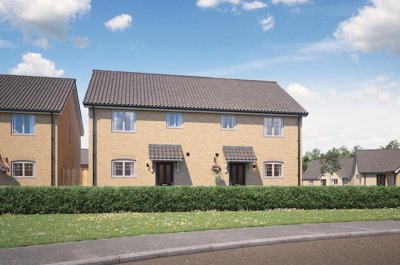
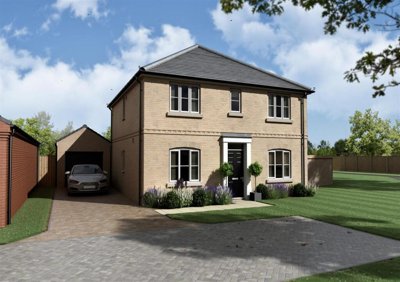
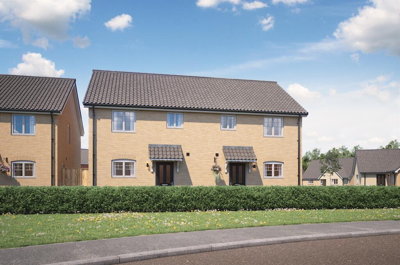
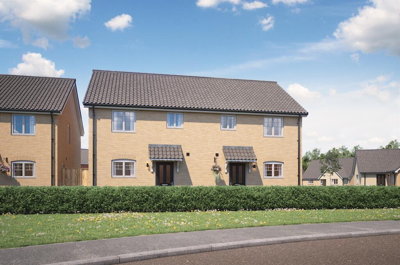
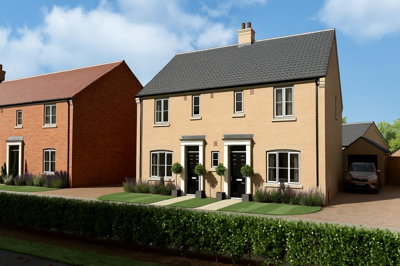
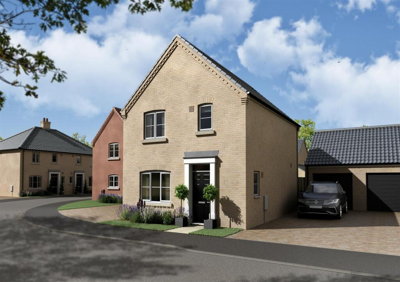
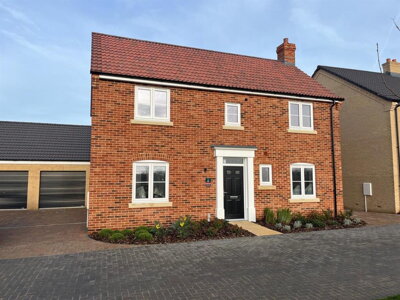
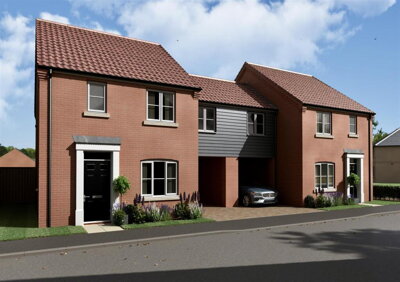
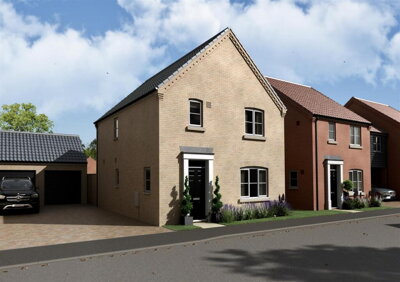
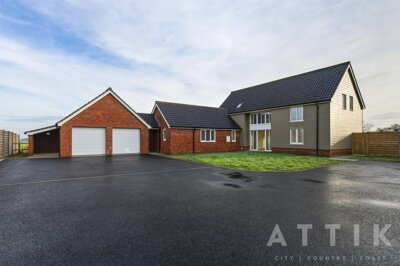
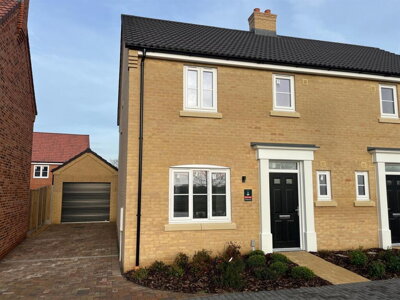
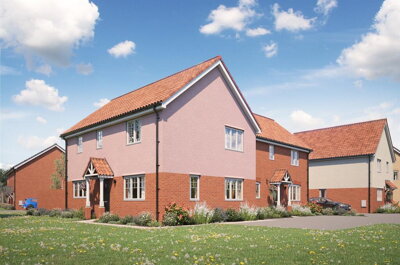
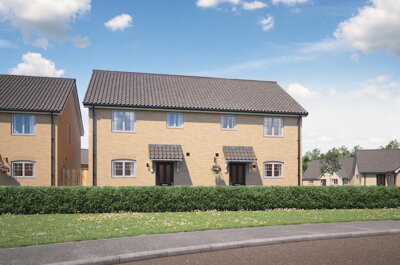
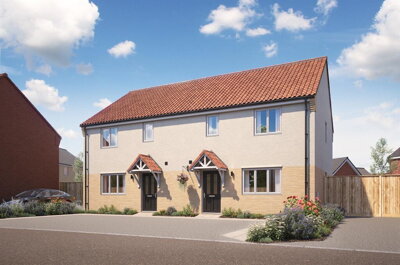
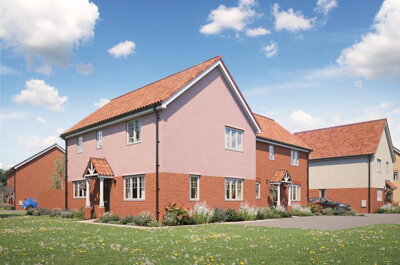
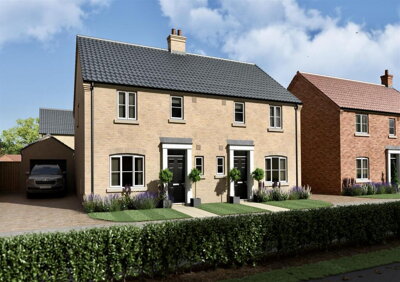
Browse 18 homes new builds in Weybread, Mid Suffolk from local developer agents.
£490k
8
0
59
Source: home.co.uk
Source: home.co.uk
Detached
6 listings
Avg £528,333
Detached Bungalow
1 listings
Avg £750,000
House
1 listings
Avg £485,000
Source: home.co.uk
Source: home.co.uk
Weybread’s housing market mirrors the wider Mid Suffolk picture, and detached homes are the main story here. They make up 47% of the stock, against 22.9% nationally, and homedata.co.uk shows that detached properties have recently averaged £539,068, putting them at the top end of the village market. Semi-detached homes sit closer to £266,959, while terraced cottages can come in at about £242,333. That spread fits the Suffolk pattern: bigger family houses with gardens are easier to find than flats, which account for less than 10% of the stock, compared with 17.1% nationally.
Looking at the past year, Weybread has been anything but flat. Values are 34% higher than the previous year, yet still 23% below the 2023 peak of £670,125. In the IP21 5TJ postcode that covers The Street, homedata.co.uk puts the current average at £324,824, with smaller leasehold units starting from around £107,349 and substantial five-bedroom family houses passing £600,000. Transactions have been thin on the ground, with no recorded sales in the postcode over the last three years, so supply is tight and competition can sharpen quickly when a decent home appears.
Crown Farm is the main new-build prospect on the horizon. Built on the site of a former chicken farm, it secured outline planning approval in December 2020 for 80 homes, which makes it the most notable planned expansion in the village. That sort of scheme could add family housing over the coming years. Not far away, Elm Tree Farm on School Road in neighbouring Tivetshall St. Margaret shows what the upper end of the market can look like, with barn-style homes exceeding £1,000,000. Around Weybread itself, buyers will still find the full mix, from brick and timber-framed cottages to converted farm buildings and smaller modern developments.

There is a very Suffolk feel to Weybread, with winding lanes, brick and timber-framed cottages, and a slower rhythm that appeals to people leaving the city behind. The village sits in Mid Suffolk, where the population has grown by 6.2% since 2011 to 102,700 residents across 44,300 households. Weybread has kept its small-scale character, though, with a population density of just 39.58 people per square kilometre. The district also has an older age profile, with 25.3% of residents aged 65 and over, so it feels settled rather than transient.
Mid Suffolk’s economy is still rooted in the countryside. Manufacturing and construction each employ 12.8% of the workforce, while agriculture, forestry and fishing remain important, with agriculture accounting for 13% of enterprises. Suffolk contributes £21 billion a year to the UK economy and matches the national employment rate at 96%. Even so, median wages in the county are £33,900, below the national figure of £35,100, and median house prices stand at 8.93 times median earnings. For Weybread residents that often means commuting to nearby towns or working from home, with lower property costs than much of southeast England and the quality of life that Suffolk is known for.
Suffolk’s building traditions are written into Weybread’s houses. Many older properties are timber-framed with plaster infill and finished in the pink lime wash known locally as 'Suffolk Pink'. Soft red bricks, fired from local iron-rich clay, are common too, and white bricks from chalky deposits, especially those found near Woolpit, also appear around the village. Roofs are usually topped with black or orange clay pantiles, though grey slate turns up on some period homes. Weybread House is a good example of the way local building practice evolved, with its early 19th century white brick section and hipped slated roof alongside earlier timber-framed parts with black glazed pantiles. These materials need regular upkeep, so buyers should factor maintenance costs into their thinking.

Diss is the main connection point for Weybread, sitting about 8 miles away and offering direct trains on the Norwich to London Liverpool Street route. From Diss station, London can usually be reached in around 90 minutes, which keeps the village viable for commuters who only need the capital occasionally. The A143 also links the area into the wider Suffolk road network, with routes towards Norwich, Ipswich and the Suffolk coast. For everyday shopping and appointments, most people head to Harleston or Diss for supermarkets, doctors’ surgeries and the rest of the essentials.
Most of the roads around Weybread are narrow single-track lanes, which suits the setting but does demand care when traffic comes the other way. Bus services run to limited timetables, so a car is more or less part of daily life for most households. Cycling works for short local hops, although the rolling Suffolk landscape and mixed road surfaces can make it less straightforward than it sounds. Norwich Stansted Airport is the nearest airport link, about 35 miles southeast, with routes across Europe and further afield. For families, the transport set-up is workable for modest commuting, and it rewards those who are happy to trade convenience for rural calm.
Flood checks are part of sensible due diligence anywhere in Suffolk. For Weybread, the immediate five-day flood risk is generally very low, but longer-term exposure can still come from river flooding, surface water or groundwater. The Environment Agency map uses zones, with Zone 1 indicating low probability and Zone 3 showing a higher chance of flooding from rivers or the sea. We would always suggest checking the GOV.UK long-term flood risk service for the exact address and asking for a flood risk assessment during conveyancing. Low-lying plots near watercourses, or properties with poor drainage, deserve extra attention.

For families, schooling usually means looking a little wider than Weybread itself. Primary places can be found in surrounding villages such as Stradbroke, Fressingfield and Harleston, and rural Suffolk primaries tend to have small catchments and close-knit communities where teachers know children well. The 2021 Census data shows Mid Suffolk has a higher share of families with children than some urban districts, but the village’s size means many parents still travel to nearby towns for their preferred school. Secondary education is available in Harleston and the market town of Eye, with school transport helping families in places without a local secondary.
Academic choice broadens further if grammar schools matter to a household. Bury St Edmunds and Norwich both offer selective schools that can be reached by bus from Weybread. For post-16 study, the nearest further education colleges are in Norwich and Ipswich, with A-level and vocational routes available to students finishing secondary school. We would always advise checking current Ofsted ratings and catchment boundaries, because both can shift and the details can differ between primary and secondary phases. It is worth keeping in mind that rural school runs usually cover more miles than urban families expect.
Suffolk’s education outcomes are broadly in line with the national picture, although rural schools can face pressures around staffing and resources. Suffolk County Council’s transport policies may provide free travel to the nearest suitable school for pupils who live beyond the statutory walking distance. Because local provision in and around Weybread is limited, parents usually need to look closely at school performance data and think through how the transport arrangements will fit the weekly routine before committing to a purchase.

There is a geological wrinkle here that buyers in many other parts of England do not have to think about. Weybread sits on High Suffolk boulder clay, a glacial till from the Anglian glaciation, and that creates shrink-swell risk for foundations as moisture levels change. In dry summers or prolonged heatwaves, the clay contracts and can trigger subsidence, then wet weather makes it expand again. The British Geological Survey calls shrink-swell Britain’s most damaging geohazard, affecting approximately one in five homes in England and Wales. We would strongly recommend a thorough structural survey for any property, especially where there are existing cracks, trees close to the building or a history of foundation repairs.
Charm comes with responsibility in Weybread, because the village has a good number of listed buildings. The Grade II* Church of St Andrew is the headline example, but there are also many Grade II listed houses, barns and cottages. Weybread Hall, Weybread House, Mill Lane Farmhouse, Corner Farmhouse and several other properties along Weybread Street and Upper Weybread all fall within that protected group. Listed status restricts unauthorised changes and can limit renovation, double-glazing and exterior alterations. If you are buying one, budget for higher maintenance costs and specialist trades. In some parts of Weybread, conservation area controls may also apply, which means certain external works need planning consent even where it would not normally be required. Check the exact designation before you commit.
Age is the common thread in much of Weybread’s housing stock, so a few defects crop up again and again. Damp is a classic issue in solid-walled properties built before modern damp-proof courses, while clay pantile and slate roofs can deteriorate through broken tiles or failed mortar. Older electrical systems may also fall short of current safety expectations. Where ventilation has been poor, timber decay and pest damage can take hold. The local clay soils are not forgiving either, so drainage and ditching often need constant attention. A RICS Level 2 Home Survey should pick up the main risks before exchange, giving buyers room to renegotiate or rethink the offer.

We usually tell buyers to start with current listings in Weybread and the nearby villages, because that gives the clearest sense of what the budget will buy at this level. home.co.uk is the place to watch if you want a live read on the market. With such a small village and so few transactions, patience is often part of the process. Register with local agents, set alerts for fresh listings and keep an eye on new instructions. Our platform pulls together listings from multiple agents, which makes it easier to follow the tight Weybread market and spot new homes quickly.
Once a few properties stand out, book viewings through the Homemove platform or directly with the listed agents. Weybread homes vary from period cottages to converted barns and farmhouses, and each one needs a proper look at condition, maintenance needs and how well it fits the way you live. Take notes and photographs as you go, because the details blur fast after the second or third viewing. Look closely for damp, roof condition and any cracking that could point to movement in the local clay soils.
Before making an offer, get a mortgage agreement in principle from a lender so you know the borrowing limit and can show sellers that you are serious. It gives you more weight in negotiations too. Our mortgage comparison tool can help you compare products suited to rural property values. With Weybread’s average price around £517,500, many buyers will need borrowing of £400,000 or more, so the product choice matters.
We would always bring in a Level 2 Home Survey before completion, especially with Weybread’s older buildings and local ground conditions. For homes in the £300,000 to £500,000 range, survey fees usually fall between £400 and £600, although older or listed properties may need specialist work and cost more. The survey can flag structural problems, damp and other issues that need attention. Our platform connects buyers with RICS-qualified surveyors who know Suffolk properties well.
Choose a solicitor who knows Suffolk property work and is comfortable with the searches, legal checks and contract exchange that come with it. Local knowledge of Mid Suffolk planning rules and drainage arrangements can help keep things moving. Standard fees usually start from around £499. Your solicitor should also order drainage and environmental searches that reflect the area’s clay geology and flood risk profile.
After the surveys come back clean and the legal searches raise no concerns, you can move to exchange contracts and agree a completion date. On the day of completion, the funds are transferred and the keys to your new Weybread home are handed over. Buildings insurance needs to be in place from exchange. Given how tight supply can be, it pays to act quickly when the right property turns up.
homedata.co.uk puts the average house price in Weybread over the last year at £517,500. Detached homes averaged £539,068, semi-detached properties sold for around £266,959 and terraced houses achieved approximately £242,333. In the IP21 5TJ postcode that covers The Street, Weybread, average values currently sit at £324,824. Prices are 34% higher than a year ago, although they are still 23% below the 2023 peak of £670,125. The market offers better value than many urban centres, while still delivering the Suffolk countryside setting that draws buyers here.
For council tax, Weybread falls under Mid Suffolk District Council. Most traditional cottages and village homes are usually in bands B to D, although the full range runs from A through H depending on value and property type. The exact band depends on the individual home and its features. We would always check the council tax band through the Valuation Office Agency website or as part of conveyancing, because bands can occasionally be challenged or changed after renovations. The annual bill can vary a good deal between bands, so it needs to sit alongside the mortgage in the budget.
Schools near Weybread are mainly found in surrounding villages such as Stradbroke, Fressingfield and Harleston for primary age children. Secondary choices include Harleston and Eye, with transport available for eligible pupils. Families looking at grammar school routes can also look towards Norwich and Bury St Edmunds, where selective options are accessible by bus. Catchment areas matter, so parents should confirm the current position with Suffolk County Council before buying. Ofsted ratings are public and worth checking as part of the search. The travel time to secondary schools is another practical point that families will need to build into the day.
Public transport is limited in Weybread, so a car is essential for most households. The nearest railway station is Diss, about 8 miles away, with direct services to Norwich and London Liverpool Street, and the journey to the capital takes around 90 minutes. Rural Mid Suffolk bus services run on reduced timetables, usually offering only a handful of daily journeys rather than regular all-day links. The village suits people who work from home or have flexible hours, and it tends to appeal most to buyers who prefer countryside peace to day-to-day transport convenience. Norwich Stansted Airport is about 35 miles away for flights.
For buyers with a medium to long-term view, Weybread has sensible investment fundamentals. Mid Suffolk has recorded steady population growth of 6.2% since 2011, and homedata.co.uk shows that house prices have generally moved upward, with recent years showing 13% annual increases in the Upper Weybread area. The Crown Farm scheme, approved for 80 homes on the former chicken farm site, may add new families and support values further. Still, transaction volumes are limited, so homes can take longer to sell than in urban markets, and rental demand in villages like Weybread is usually modest. Nearby Diss or Harleston may suit landlords better if yield is the priority. Anyone starting out in lettings should also think about the extra work involved in running a rural property and managing tenants without amenities on the doorstep.
Stamp Duty Land Tax rates from April 2024 charge zero duty on the first £250,000 of a residential purchase, then 5% on the portion from £250,001 to £925,000. For a typical Weybread home at around the £517,500 average, that works out at approximately £13,375 for a standard buyer. First-time buyers have higher thresholds, with zero duty on the first £425,000 and 5% between £425,001 and £625,000, which could bring the cost down to around £4,625 on a typical village property. Homes above £925,000 attract higher rates, so it is wise to get advice on the exact liability. Additional land transaction tax may apply where the property includes significant land holdings.
Working out the full budget for a Weybread purchase means looking beyond the asking price. As well as stamp duty on the purchase price tier, buyers should allow for solicitor fees that usually start from £499 for standard conveyancing, and Land Registry fees of around £300 to £500 depending on value. A RICS Level 2 Home Survey on a property in the £300,000 to £500,000 range typically comes in between £400 and £600, though older homes, listed buildings or unusual construction can cost more because they need extra inspection time.
Removal costs will vary depending on the distance and the amount being moved, and buildings insurance has to begin from exchange of contracts. In Weybread, there may also be a need for specialist surveys on listed buildings, damp and timber checks because so much of the stock is older, and drainage surveys where the property uses private or shared systems. Mortgage arrangement fees can sit anywhere between zero and 2% of the loan, depending on the product. First-time buyers should also allow for moving expenses and possible furnishing costs, while people selling an existing home need to factor in estate agent fees of around 1-3% of sale price.
All in, buyers should keep a further 3-5% of the purchase price aside on top of the deposit and the mortgage sum to cover the practical and professional costs of buying in Weybread. On a typical £517,500 property, that means setting aside between £15,500 and £25,875. Our platform includes calculators that help us and our buyers map those costs properly and keep the budget realistic.

From £400
A detailed inspection of the property condition, well suited to traditional cottages and period homes in Weybread
From £600
A comprehensive building survey, usually recommended for older, listed or non-standard construction properties
From £60
An energy performance certificate, required for all property sales
From £499
Expert property solicitors handling your legal transfer
From 4.5% APRC
Competitive mortgage rates for Weybread property purchases
Properties New Builds In London

Properties New Builds In Plymouth

Properties New Builds In Liverpool

Properties New Builds In Glasgow

Properties New Builds In Sheffield

Properties New Builds In Edinburgh

Properties New Builds In Coventry

Properties New Builds In Bradford

Properties New Builds In Manchester

Properties New Builds In Birmingham

Properties New Builds In Bristol

Properties New Builds In Oxford

Properties New Builds In Leicester

Properties New Builds In Newcastle

Properties New Builds In Leeds

Properties New Builds In Southampton

Properties New Builds In Cardiff

Properties New Builds In Nottingham

Properties New Builds In Norwich

Properties New Builds In Brighton

Properties New Builds In Derby

Properties New Builds In Portsmouth

Properties New Builds In Northampton

Properties New Builds In Milton Keynes

Properties New Builds In Bournemouth

Properties New Builds In Bolton

Properties New Builds In Swansea

Properties New Builds In Swindon

Properties New Builds In Peterborough

Properties New Builds In Wolverhampton

Enter your details to see if this property is within your budget.
Loans, cards, car finance
Estimated property budget
Borrowing + deposit
You could borrow between
Typical borrowing
Monthly repayment
Est. at 4.5%
Loan-to-value
This is an estimate only. Your actual budget may vary depending on interest rates, credit history, and personal circumstances. For an accurate affordability assessment, speak to one of our free mortgage advisors.
This calculator provides estimates for illustrative purposes only and does not constitute financial advice. Your home may be repossessed if you do not keep up repayments on your mortgage. Estimates based on 4.5% interest rate, repayment mortgage. Actual rates depend on your circumstances.
Homemove is a trading name of HM Haus Group Ltd (Company No. 13873779, registered in England & Wales). Homemove Mortgages Ltd (Company No. 15947693) is an Appointed Representative of TMG Direct Limited, trading as TMG Mortgage Network, which is authorised and regulated by the Financial Conduct Authority (FRN 786245). Homemove Mortgages Ltd is entered on the FCA Register as an Appointed Representative (FRN 1022429). You can check registrations at NewRegister or by calling 0800 111 6768.

We use cookies to show you personalised content and improve your experience of our website. Find out more in our Privacy policy and Cookie policy.