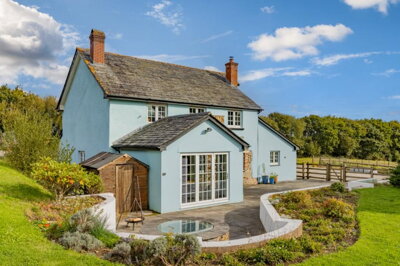
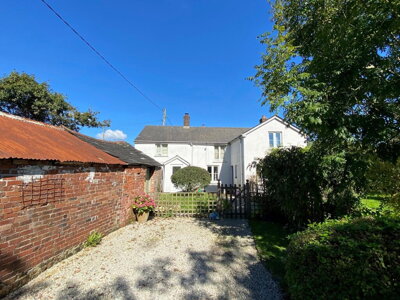
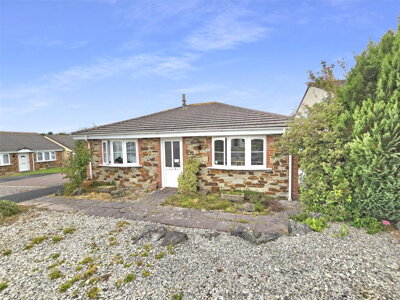
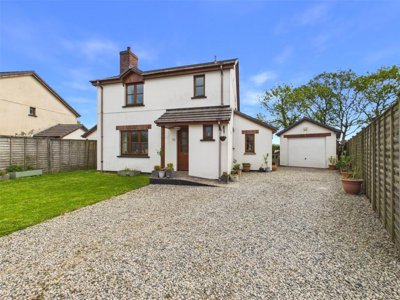
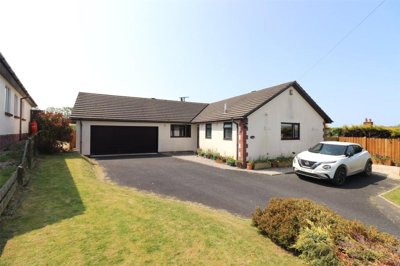
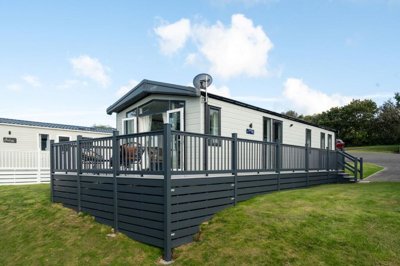
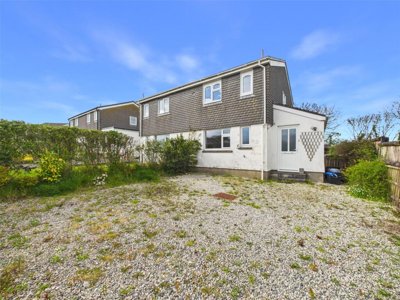
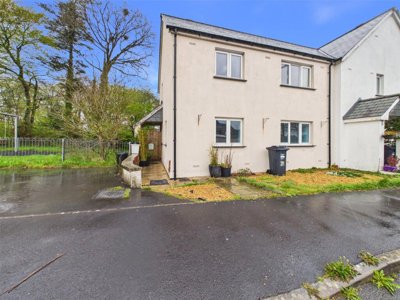
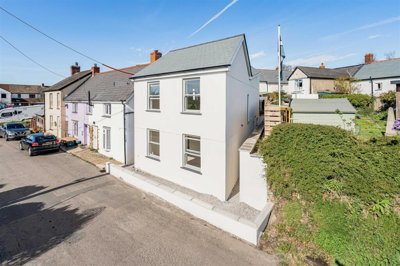
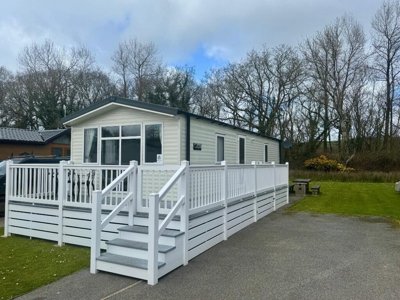
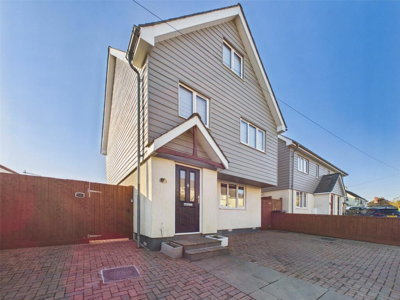
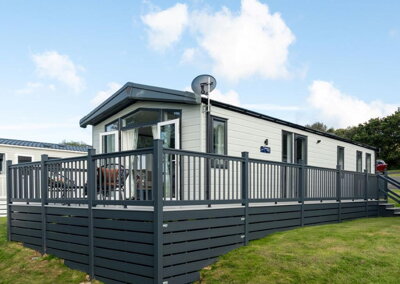
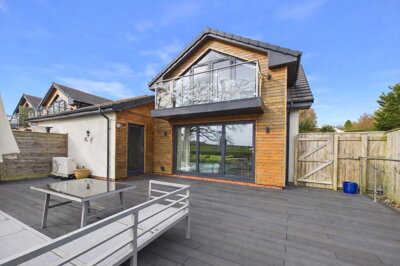
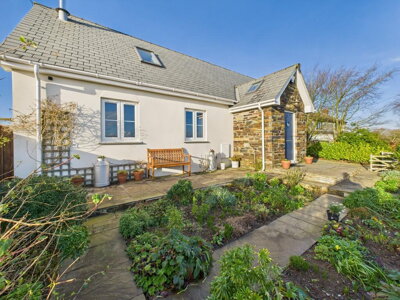
Browse 21 homes for sale in Whitstone, Cornwall from local estate agents.
The Whitstone property market offers detached, semi-detached, and terraced houses spanning various price ranges and neighbourhoods. Each listing includes detailed property information, photographs, and direct contact with the marketing agent.
£360k
7
1
77
Source: home.co.uk
Showing 7 results for Houses for sale in Whitstone, Cornwall. 1 new listing added this week. The median asking price is £360,000.
Source: home.co.uk
Detached
5 listings
Avg £572,990
Semi-Detached
2 listings
Avg £175,500
Source: home.co.uk
Source: home.co.uk
Whitstone’s property market has the same mixed, practical character as the village itself, with homes that suit very different budgets and plans. Recent sales include a detached property at £564,993 and an end of terrace home at £190,000, which gives a useful sense of the spread available to buyers. Whitstone-only sales evidence is fairly thin, but those deals still help frame values across the EX22 postcode area. The village sits in the North Cornwall district, where market activity has moved around as buyers balance the draw of rural living with everyday realities such as transport links.
Step back and the Cornwall picture is just as telling. County-wide averages put detached properties at £465,000, flats at £211,000, semi-detached homes at £292,000, and terraced properties at £260,000. Against that, Whitstone’s average of £457,913 looks competitive for buyers who want space and village character more than urban convenience. Across the wider Cornwall market, transaction volumes were down 14.1%, with 7,000 sales over the last twelve months, 1,200 fewer than in the previous period. For buyers, that can mean a calmer market, less pressure, and a bit more room to negotiate.

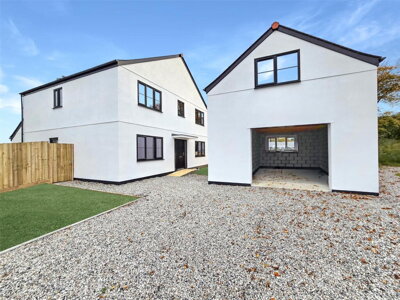
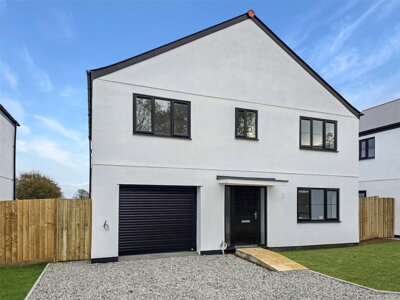
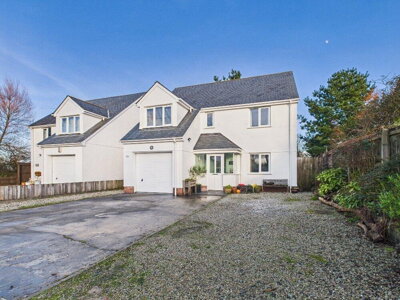
The newer homes coming through around Whitstone are worth a close look. At the Sherring Development, there are three substantial four and five-bedroom detached houses, and one of them is listed at £500,000. For families who want modern construction, larger room sizes, and the reassurance of a brand-new property warranty, that is a strong option. It also adds meaningfully to the village housing stock, which says a lot about continued demand for well-finished family homes in Whitstone.
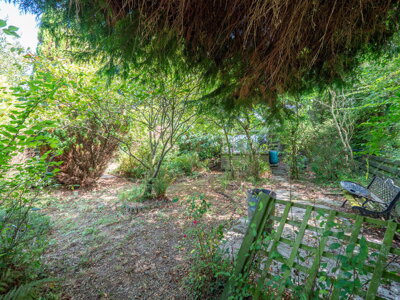
Just beyond the Sherring Development, there is also a notable individual new build near Holsworthy, finished to a very high standard and fitted with solar panels and underfloor heating throughout. This four-bedroom detached house with integral garage shows the sort of specification buyers can find in newer Cornish homes, especially if energy efficiency sits high on the list. There are opportunities for self-build too. One site on the edge of Whitstone village has outline planning permission for two houses, under Planning Ref: 1/0026/2023/OUT, which opens the door for buyers who want to start from scratch and shape the whole project themselves.
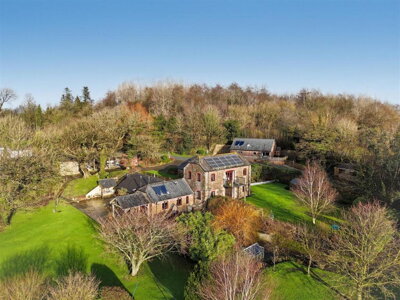
Renovation buyers are not left out either. In Whitstone, a detached cob and stone barn has conditional planning permission for conversion to a single dwelling, under Planning Reference: PA24/05261. Projects like this can produce a very distinctive home while keeping traditional Cornish building character intact. They do, however, tend to need serious investment before they come together properly. Before going ahead, we would want our solicitor to check every condition attached to that planning consent.

Life in Whitstone is shaped as much by community as by housing. It is the kind of rural Cornish village where people know one another, where the pace is slower, and where the primary school and shop act as everyday meeting points for local families and surrounding farms. Seasonal rhythms still matter here more than the clock. New arrivals often talk about how quickly they are welcomed in, and the village pub remains an easy, informal place for people to meet.
From the village, the Cornish coast is roughly five miles away, so beach trips and coastal walks do not need much planning. Bude, Holsworthy, and Launceston are all close enough to widen the choice of shops, work, and leisure. Bude brings supermarkets, independent retailers, restaurants, and the well-known Bude Sea Pool. Launceston adds history, not least the castle that dominates its skyline. Holsworthy, meanwhile, continues to function as a market town, with livestock auctions and the usual day-to-day services people rely on.
What sits around Whitstone is part of the appeal. The countryside here gives access to walking routes, old churches, and traditional pubs pouring local ales alongside solid food. The South West Coast Path is only a short drive away, with those long north Cornwall views that tend to sell the area all by themselves. In the village and nearby, cob and stone construction still turns up regularly, a reminder of centuries of local building practice. Those thick walls are not just attractive, they can help keep homes cooler in summer and warmer in winter.

Education in Whitstone starts with the village primary school, which serves both the village and the nearby farming community. For a place of this size, having a school within walking distance is a real advantage for families with younger children. It cuts out long daily journeys and lets children walk or cycle in. The school also helps hold the community together, giving families a shared focal point and reinforcing local connections. We often find that parents point to that sense of village life as one of the main reasons they choose Whitstone.
For secondary education, families usually look towards Bude or Launceston, where several schools cover the wider area. We would always suggest checking individual performance data and Ofsted ratings carefully before making a move, because school choices can weigh heavily in a family decision. This part of Cornwall covers a broad catchment, so some pupils travel further than they would in a town or city. In many cases, secondary transport is arranged through the local education authority, with bus services for children who live beyond walking distance.
Further education means travelling a bit farther, but there are solid options. Truro College offers a wide mix of sixth form and college courses, and Exeter adds an even broader choice, including university study at the University of Exeter. Truro, as Cornwall’s largest city, is the main local centre for vocational and academic routes. Exeter stretches the range further again. Being relatively close to the coast also creates opportunities through maritime and environmental programmes at outdoor activity centres, many of which work with schools on curriculum-based sessions.

Transport is one of the practical trade-offs of village living, and in Whitstone a car is part of daily life for most households. The village is within easy reach of the A39 Atlantic Highway through nearby Bude, linking it to the wider Cornwall road network. The A388 heads towards Launceston and joins the A30, the county’s main arterial road, for Exeter and places beyond. So while Whitstone is reasonably accessible by road, many journeys will still mean driving rather than relying on public transport. Outside the busiest holiday periods, traffic on the smaller roads is often fairly light.
Public transport is thinner on the ground, as you would expect in a rural village. Bus services do run, but on more limited timetables than in urban areas. For rail travel, the nearest stations are in Exeter and Plymouth, each about one hour away by car from Whitstone. Both offer direct trains to London Paddington. From Exeter St Davids, the journey to London Paddington is around two hours, which can make a day trip possible if it is planned carefully.
Anyone planning to work remotely from Whitstone should check connectivity early on. The setting is peaceful and suits home working well, but broadband speeds can vary across rural Cornwall and even from one part of the village to another. We would check available packages with the relevant provider for any property before committing. Mobile coverage has improved across Cornwall in recent years, though some rural spots still have gaps. For buyers who rely heavily on phone signal or mobile data, that is worth testing in person.

Our starting point would be the live market. Look through current listings in Whitstone and nearby villages so you can see what falls within budget, using the average price of £457,913 as a guide rather than a rule. Stock ranges from older cottages to modern detached family houses, so it pays to compare like with like. We would also spend time in the area at different points in the day and week, watching how busy the roads are, how well-used the local shop is, and how the primary school sits within village life.
Before booking viewings, we would line up a mortgage agreement in principle through a lender or broker. Sellers take that as proof that finance is in place and that an offer is serious. It is also worth comparing products carefully, especially if circumstances are not straightforward. In a rural location like Whitstone, some lenders will ask more detailed questions about the property itself, particularly where construction is older or non-standard.
It helps to see several places before settling on one. In Whitstone and the surrounding area, that means looking closely at build quality and, in older homes, noting where cob or stone construction may affect maintenance. We would watch the condition of the roof, windows, and any signs of damp or movement, then keep notes and photographs for comparison afterwards. Timing matters too. A viewing after heavy rain, or during a different season, can reveal drainage problems, road run-off, or issues linked to nearby farmland.
After an offer is accepted, we would usually arrange a RICS Level 2 Homebuyer Report before moving any closer to completion. That survey can flag structural issues, defects, and repair needs, which may give room to renegotiate if something significant turns up. In traditional Cornish homes built with cob or stone, the surveyor will look carefully for moisture problems, movement, and the condition of older building elements. Costs typically start from £350, and it is usually money well spent.
Once the offer is in place, the legal side needs a good solicitor on it. They will deal with local searches, title checks, and contract work, while also handling contact with the seller’s side. Conveyancing fees usually start from £499, and in Cornwall that expertise can be especially useful where agricultural restrictions, rights of way, or unusual tenure crop up. Local knowledge tends to matter here.
With satisfactory searches completed and contracts signed, the next stage is exchange, where deposits are paid and a completion date is fixed with the seller. On completion day, the balance is transferred and the keys are released for the new Whitstone home. We would then make sure ownership is formally registered and that banks, insurers, employers, and service providers all have the new address. It is also sensible to leave a little breathing room for utilities, internet installation, and getting to know the house before the boxes take over.
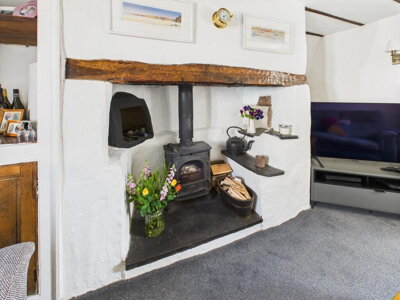
Whitstone has a broad mix of property types, and that means a broad mix of construction too. Traditional cob and stone buildings sit beside newer additions, so it is important to understand exactly what you are looking at. Cob construction, in particular, can need specialist upkeep and can become expensive if deterioration has set in. Older houses often bring the features people love, exposed beams, original fireplaces, thick walls, but those same properties can hide defects that need dealing with.
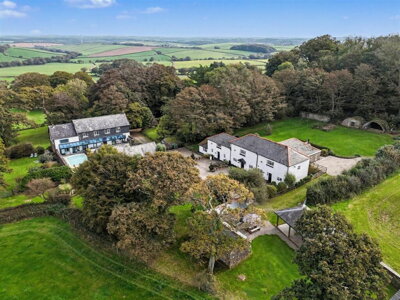
Plot size is one of the advantages of buying in a rural spot like Whitstone, where homes often come with more outside space than similar budgets would buy in town. That said, boundaries should be checked carefully, and any restrictions linked to neighbouring agricultural land need to be understood from the start. Cornwall planning controls can be quite specific. Some homes carry agricultural occupancy conditions, and others may need Listed Building consent before alterations are made. We would want our solicitor to dig into all of that through searches and enquiries. Buyers should also think about seasonal farm noise and, for some locations, the effects of coastal weather.
Drainage is a point we would never skim over in a village purchase. Around Whitstone, some properties rely on private sewage arrangements rather than mains drainage, and that can bring extra inspection and maintenance considerations. Roof condition deserves the same level of attention, because replacing a roof on an older traditional house can be expensive and may call for contractors who understand Cornish methods. Windows can be another issue, especially where single glazing remains and double glazing may need Listed Building consent. Older electrics and plumbing often need upgrading too, so those costs should sit in the budget from the outset.

The average house price in Whitstone is £457,913 over the past year, according to available sales data. That marks a 9% drop on the previous year and also sits well below the 2021 peak of £405,581, which is described as a fall of 42% from the market peak. Individual sales in the village have included a detached home at £564,993 and an end of terrace property at £190,000. Compared with coastal markets such as Bude, Whitstone can still look good value, although pricing varies sharply by type, condition, and exact position in the village. Across Cornwall, average values stand at £465,000 for detached homes, £292,000 for semi-detached, £260,000 for terraced, and £211,000 for flats.
Whitstone falls under the Cornwall Council council tax structure, with properties placed in bands A through H according to assessed value. In villages like this, it is common to see smaller cottages in bands A to C, while larger detached houses and more modern homes often sit higher up the scale. Those bandings have a direct effect on annual holding costs, so they should be part of any realistic budget. We can check the exact band through the Cornwall Council website, and our solicitor can raise it as part of the local search process during conveyancing.
The village primary school in Whitstone covers Reception to Year 6 and serves children from the village as well as nearby farms and smaller settlements. That gives it a close-knit feel which many families actively look for. Secondary pupils generally travel to Bude, Launceston, or other surrounding towns, and for some that means a fairly long journey each day. We would compare current Ofsted ratings and performance data before deciding on an area. For post-16 study, the nearest Further Education college is in Truro, while Exeter offers a wider sixth form and college choice at roughly one hour by car from Whitstone.
Getting around Whitstone without a car is difficult. Bus links exist, but services are limited and do not match the frequency you would see in a larger town, so regular commuting by public transport is unrealistic for most people. Exeter and Plymouth are the nearest railway stations, each around one hour away by car, and both provide direct trains to London Paddington in about two hours. For everyday life, a car is effectively essential. Road access is still decent, though, with the A39 Atlantic Highway connecting towards Bude and the wider Cornwall network, and the A30 reachable via Launceston for longer cross-county journeys.
From an investment angle, Whitstone has a few points in its favour. It offers a quieter lifestyle and a lower buy-in than better-known coastal spots such as Bude or Newquay, with an average value of £457,913 giving investors a more accessible entry into Cornwall. Demand for rentals may come from people working in nearby towns, agricultural employees, or buyers wanting a weekend base while keeping a main home elsewhere. The Sherring development, along with available building plots, suggests there is still appetite for the area from both developers and private purchasers. Even so, we would weigh that against limited public transport, the near-necessity of vehicle ownership, and the need to test actual rental demand carefully. In rural lettings markets, homes with strong broadband and flexible internal space often fare best.
Stamp Duty Land Tax on a Whitstone purchase depends on both the price and the buyer’s status. Standard buyers pay nothing on the first £250,000, then 5% on the slice from £250,001 to £925,000, and 10% on the part up to £1.5 million. First-time buyers get relief on the first £425,000, with 5% charged only on the amount between £425,001 and £625,000. On a typical Whitstone purchase at £457,913, that works out at £10,396 for a standard buyer and £1,646 for a first-time buyer under current thresholds. Where the property is a second home or an additional purchase, the 3% surcharge applies across all bands.
Traditional construction is a recurring theme in Whitstone and the surrounding Cornwall area. Cob and stone have been used locally for centuries, and they need the right kind of upkeep. Cob walls can be especially vulnerable to moisture ingress, so damp-proofing and rendering need careful handling. Older houses may also come with single-glazed windows, solid floors, and dated plumbing or electrics that need bringing up to current standards. On the plus side, the thick walls common in traditional Cornish construction give excellent thermal mass and help moderate internal temperatures naturally. A RICS Level 2 survey before purchase is a sensible way to spot likely maintenance issues and cost them properly.
From 3.89%
Competitive mortgage options, backed by expert advice for Whitstone buyers
From £499
Specialist solicitors for the legal side of a Whitstone property purchase
From £350
Professional surveys that pick up defects in Whitstone properties
From £80
Energy performance certificate for your new home
Budgeting properly for a Whitstone purchase means looking beyond the headline figure. A typical price of £457,913 will be the biggest outgoing, but stamp duty, solicitor’s fees, survey costs, and removals all need to be added in before the numbers are honest. Those extras can easily run into several thousand pounds, so we would get quotes early rather than making assumptions. One practical point, a property at the current average price sits above the stamp duty threshold for standard buyers.
On a purchase at £457,913, standard SDLT comes to £10,396 under current thresholds, because no SDLT is charged on the first £250,000 of a residential purchase. First-time buyers do better, with SDLT of £1,646 and relief covering the first £425,000. For an additional property or second home, the 3% surcharge changes the picture and pushes SDLT to £13,737 on the full purchase price. Legal fees also need allowing for. Conveyancing usually starts from £499 for a straightforward matter, but new builds, shared ownership, and unusual tenure can all increase the bill. As a working budget, £1,500 to £2,000 for legal costs including searches is sensible.
A RICS Level 2 survey starts from £350, and for older or more traditional property it can save a lot of trouble by exposing defects before completion. Removal costs are harder to pin down because distance and volume make such a difference, though getting several quotes is the safest approach. For moves within Cornwall or from neighbouring counties, we would price that early. Insurance should be ready from exchange, and there will also be registration fees and possible local search follow-up costs linked to Cornwall. Keeping back a contingency of around 5% of the purchase price is a prudent move on any purchase.
Properties for Sale In London

Properties for Sale In Plymouth

Properties for Sale In Liverpool

Properties for Sale In Glasgow

Properties for Sale In Sheffield

Properties for Sale In Edinburgh

Properties for Sale In Coventry

Properties for Sale In Bradford

Properties for Sale In Manchester

Properties for Sale In Birmingham

Properties for Sale In Bristol

Properties for Sale In Oxford

Properties for Sale In Leicester

Properties for Sale In Newcastle

Properties for Sale In Leeds

Properties for Sale In Southampton

Properties for Sale In Cardiff

Properties for Sale In Nottingham

Properties for Sale In Norwich

Properties for Sale In Brighton

Properties for Sale In Derby

Properties for Sale In Portsmouth

Properties for Sale In Northampton

Properties for Sale In Milton Keynes

Properties for Sale In Bournemouth

Properties for Sale In Bolton

Properties for Sale In Swansea

Properties for Sale In Swindon

Properties for Sale In Peterborough

Properties for Sale In Wolverhampton

Enter your details to see if this property is within your budget.
Loans, cards, car finance
Estimated property budget
Borrowing + deposit
You could borrow between
Typical borrowing
Monthly repayment
Est. at 4.5%
Loan-to-value
This is an estimate only. Your actual budget may vary depending on interest rates, credit history, and personal circumstances. For an accurate affordability assessment, speak to one of our free mortgage advisors.
This calculator provides estimates for illustrative purposes only and does not constitute financial advice. Your home may be repossessed if you do not keep up repayments on your mortgage. Estimates based on 4.5% interest rate, repayment mortgage. Actual rates depend on your circumstances.
Homemove is a trading name of HM Haus Group Ltd (Company No. 13873779, registered in England & Wales). Homemove Mortgages Ltd (Company No. 15947693) is an Appointed Representative of TMG Direct Limited, trading as TMG Mortgage Network, which is authorised and regulated by the Financial Conduct Authority (FRN 786245). Homemove Mortgages Ltd is entered on the FCA Register as an Appointed Representative (FRN 1022429). You can check registrations at NewRegister or by calling 0800 111 6768.

We use cookies to show you personalised content and improve your experience of our website. Find out more in our Privacy policy and Cookie policy.