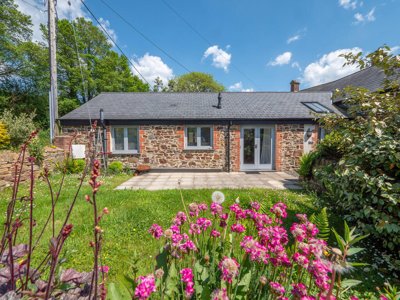
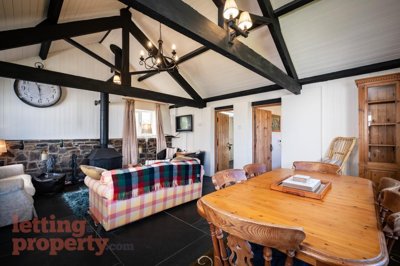
Browse 2 rental homes to rent in Whitstone, Cornwall from local letting agents.
£0/m
0
0
0
Source: home.co.uk
Whitstone’s rental market mirrors the wider Cornwall picture, where rural homes with character and a bit of breathing space are in demand, especially since remote working has made the coast and countryside feel even more appealing to tenants from across the UK. Listing numbers in Whitstone move with the seasons, but the village sits within the EX22 postcode area, where availability changes as homes are let and fresh ones arrive. Expect cottages, farmhouses, and detached family houses, with rent levels usually tied to size, condition, and how close the property is to the coast.
Recent data puts the average house price in Whitstone at £235,000, though rent is set separately by landlords according to market conditions and the home itself rather than the sale figure. A detached property sold for £235,000 and a semi-detached one for £145,000, which gives a useful sense of local values. Cornwall county averages are higher still, with detached homes at £465,000, semi-detached at £292,000, terraced at £260,000, and flats at £211,000, so larger family houses do command a clear premium here.
Nearby new-build activity, including Sherring where four and five-bedroom detached homes are marketed from around £525,000, helps set expectations for modern rental stock. A brand new four-bedroom detached home in nearby Holsworthy, fitted with solar panels, underfloor heating, and an integral garage, shows the sort of quality on offer across the wider EX22 area. For renters, the pattern is plain enough, properties with recent renovation, energy-saving upgrades, and modern kitchens or bathrooms usually attract higher monthly rents than homes still waiting for work, so it pays to be clear about requirements when using our search tool.
Property transactions across Cornwall fell by 14.1% over the last twelve months, with 7,000 sales recorded, a sign of the broader market backdrop. That has opened a few doors in the rental sector, as some would-be buyers decide to rent until conditions settle. For tenants, it can mean a little more choice and sometimes sharper rental terms, although demand for well-kept homes in villages like Whitstone stays strong all year.

It helps to understand how Whitstone homes are built, because that affects day-to-day upkeep and the costs that can come with a tenancy. The village and nearby settlements have plenty of traditional Cornish buildings made from cob and stone, materials used in North Cornwall for centuries and central to the area’s character. They have charm and good thermal mass, but they need a different approach to care than modern cavity-wall houses.
Cob construction, made from compressed earth and straw, was widely used in Cornwall until the early twentieth century, and many homes in Whitstone and the surrounding villages still contain cob elements, or are built entirely from it. Cob walls are usually thick, often 450-600mm deep, which helps with temperature control in summer, though moisture can become a problem if maintenance slips. Anyone moving into a cob property should keep the heating on through winter and make sure ventilation is good, otherwise condensation and damp can quickly become an issue.
Stone, especially local granite and slate, shapes many of the older farmhouses and cottages in the Whitstone area, and those buildings often come with thick walls, exposed beams, and slate or thatched roofs. They were built for the long haul, but age shows itself in all sorts of ways, uneven floors, sticky doors, or wiring and plumbing that sit well behind modern standards. Our search tool includes property descriptions that should set out construction type, age, and any renovation work, which makes it easier to judge comfort and likely maintenance.
Recent planning approvals around Whitstone include the conversion of a detached cob and stone barn into a single dwelling, which shows ongoing interest in traditional buildings for homes. There is also outline planning permission for two houses on the edge of the village, pointing to possible extra stock in the area. Before viewing, it makes sense to ask about materials, age, and any upgrades, so we can judge condition and think ahead about heating, ventilation, or maintenance needs during the tenancy.
Whitstone captures the feel of Cornish village life, with quiet surroundings, rolling farmland, hedgerows, and a coastline that is easy to reach when the mood takes you. There is a strong community spirit too, with regular events, a local primary school for families with young children, and a village shop and post office that cover daily essentials within walking distance of most homes. Around the village, traditional cob and stone buildings reflect generations of local building practice, and that distinctive look is often part of what draws tenants in.
For anyone who likes being outdoors, Whitstone is a strong base, with Cornwall’s coast and inland landscapes both on the doorstep. The North Cornwall coastline, including the surfing beaches at Bude and Widemouth Bay and the South West Coast Path heading both ways, is just five miles away. Inland, there are woods, River Tamar tributaries, quiet lanes for cycling, and historic sites, including medieval churches, Iron Age hillforts, and traces of Cornwall’s mining past, now recognised with UNESCO World Heritage status.
Being close to Bude means residents can reach a wider spread of amenities without much effort, from supermarkets and restaurants to leisure facilities such as Bude Sea Pool and the sports centre. Bude acts as the main service centre for North Cornwall, with independent shops, galleries, surf schools, and coastal activities all part of the mix. Holsworthy adds more shopping, a weekly farmers market, and road links into Devon and the rest of Cornwall. Launceston, Cornwall’s ancient capital on its historic hill, is also within reach for culture, heritage, and good restaurants in a striking medieval setting.
The atmosphere in Whitstone and the neighbouring villages is warm and welcoming, with events ranging from village fetes and quiz nights to informal get-togethers at the local pub. That reputation for friendly communities is easy to see in rural North Cornwall, where neighbours tend to know one another and newcomers are brought into the fold fairly quickly. Many residents say that social side is one of the best things about living here, especially families who value the safe, community-minded setting village life provides.

Families renting in Whitstone have a useful spread of schooling options nearby, starting with the village primary school, which teaches children from early years through to Year 6. It serves the surrounding countryside and usually has small class sizes, so children get more individual attention and teachers build strong relationships with pupils. We would still advise checking current admission arrangements and thinking through travel needs before choosing a home, because rural catchments can be more flexible than the strict zones often seen in towns and cities.
For secondary school, pupils generally travel to nearby towns, with Budehaven Community School in Bude one of the main options for the north Cornwall coast and known for both academic achievement and extracurricular activities. Schools in Launceston, including the Launceston College catchment, are also reachable on school transport routes from Whitstone and surrounding villages. Those transport arrangements matter, because getting to and from school can mean early starts and afternoon journeys that need to fit into the family routine.
Cornwall’s education offer goes beyond state schools, with independent schools available for families who want a different approach. For further education, Truro and Penwith College in Truro provides A-levels and vocational qualifications recognised by universities and employers across the UK. The University of Exeter and University of Plymouth are within reasonable travelling distance for part-time study, open days, or residential courses. Online learning has made that easier still, and many students now live in Whitstone while completing degrees remotely.
We would suggest checking school catchments and admission policies carefully, because places can be competitive in popular areas and transport support varies with distance and route availability. Blisland and Otterham also have primary schools serving local communities, and some families choose Whitstone specifically to be near the village primary school while older children travel elsewhere for secondary education. Cornwall follows the same term dates as the rest of England, though severe weather can disrupt rural roads and affect transport arrangements.

Transport from Whitstone reflects its rural setting, so most residents rely on private cars for commuting and longer trips where they need the full spread of services and jobs. The A39 Atlantic Highway, Cornwall’s main north-south route linking Bude to Truro and running through nearby Stratton, is easy to reach from the village, and it connects with the A30, which runs the length of Cornwall from the Tamar Bridge to Exeter and beyond. That places Whitstone in a reasonable position for people working elsewhere in Cornwall or commuting into larger South West towns and cities.
There are bus services along the main routes linking villages to market towns, though they are limited compared with urban networks and usually focus on weekday shopping hours and school runs rather than all-day travel. The main services connect Whitstone to Bude, Holsworthy, and Launceston, so they are more useful for errands and education than for a daily commute. Anyone without a car should think carefully about those limits and consider whether home working or flexible hours would be needed to fit around rural timetables.
The nearest railway stations are Bodmin Parkway, about 30 miles from Whitstone, and Exeter St Davids, about 50 miles away. Bodmin Parkway has direct services to London Paddington on the Great Western Railway line, with journeys to the capital usually taking around four hours. That makes it handy for the odd business trip or a visit to London, though the distance rules out daily rail commuting for most residents. Exeter St Davids gives extra route options and links into the wider UK rail network, including Bristol, Birmingham, and beyond.
For cyclists, the quiet country lanes of mid Cornwall are pleasant enough for leisure rides, although the hills call for a decent level of fitness and the right kit. Parts of Cornwall are also covered by the National Cycle Network, which links into scenic countryside routes. If we look at air travel, Exeter Airport is about 60 miles away and offers domestic and European flights, while Newquay Airport provides regional links. Even so, most people in Whitstone treat a private car as essential for daily life, although home workers and those with flexible arrangements can do very well here.

Speak to mortgage brokers or financial advisers to work out what monthly rent fits your income, existing commitments, and lifestyle needs. Getting a rental budget in principle gives confidence at viewings and shows landlords that the tenant is serious and financially ready. Working back from that monthly figure also helps us narrow down which property types and locations make sense in the Whitstone area.
Spend time exploring the village and nearby area so we can judge character, access, and amenity provision properly. Commute times, school proximity if that matters, access to coast and countryside, and the general feel of each part of the area all deserve attention. Visiting at different times of day, and again at weekends, gives a more honest picture of whether Whitstone suits the way we live.
Use Homemove to browse all available rental properties in Whitstone and book viewings directly through the listed agents who know the local market well. We should prepare questions about the property’s condition, lease terms including length and break clauses, what fixtures and fittings are included, and any restrictions on pets, smoking, or decorative changes. Our search tool makes it easy to compare properties side by side and save the listings that fit your requirements for later.
Once a property feels right, we need to submit a full tenant application with references, proof of identity such as passport or driving licence, proof of income including recent payslips or accounts, and any previous landlord references where relevant. Referencing checks will cover credit history, employment status, and rental record, and the agent may ask for a guarantor if the tenant has limited UK rental history. Having paperwork ready from the start speeds things up considerably.
Read the tenancy agreement carefully before signing, with close attention to the deposit amount and how it is protected, the rent payment schedule and accepted methods, the break clause if we need to leave early, and who is responsible for maintenance and repairs. The deposit will be protected in a government-approved scheme within 30 days of the tenancy start date, and the prescribed information should set out which scheme is being used.
At the start of the tenancy, arrange the inventory check in the property and note any existing damage or issues carefully on the written inventory and photographs, both signed by us and the landlord. Then set up the council tax account with Cornwall Council, open utility accounts for gas electricity and water, and take out contents insurance to protect belongings from the day of move-in. Meter readings should be taken at the beginning of the tenancy and kept on file so billing stays accurate.
Renting in rural Whitstone means paying attention to a few local factors that are less common in towns and cities, beginning with the way the property is built and what that means for comfort and maintenance costs. Cornwall’s traditional building methods mean we should ask about materials, any structural issues, damp treatment, or renovation work that has already been done. Cornish homes built with cob and stone need more care around heating and ventilation than modern houses, and damp can become an issue if they are not looked after during the tenancy.
Heating needs a close look in Whitstone’s older cottages and farmhouses, because many were once warmed by open fires or inefficient night storage heaters that may never have been fully replaced. We should ask what the system is, how old it is, and what the running costs usually look like, and ask to see recent energy performance details where they exist. Homes with modern gas central heating, heat pumps, or well-kept electric systems will usually feel more comfortable and cost less to run than ones with dated kit. That matters, because heating efficiency has a direct effect on monthly bills.
Flood risk is another factor worth checking in any Cornwall rental, especially near watercourses, in low-lying spots, or where large gardens may hold surface water during heavy rainfall. We did not identify specific flood risk data for Whitstone in our research, but Cornwall’s coastal and rural setting means some homes may face higher risk in extreme weather. We should ask the landlord or agent about flooding history and whether the property has drainage, sump pumps, or flood resilience measures in place. Buildings insurance and the right contents cover for renters should also sit in the moving budget, just in case.
Electrical and plumbing conditions in older properties need proper scrutiny before anyone signs up, because standards for rewiring and replumbing have changed a great deal over the decades. Homes that have not been updated may still have old fuse boards, too few sockets, or plumbing that struggles with modern water pressure. We should ask when electrical and plumbing work was last done and whether the property meets current safety standards. That kind of detail helps avoid surprises and extra costs once settled in Whitstone.

There is no public rental price data for Whitstone itself, but prices in the EX22 postcode area usually move with property type, size, condition, and how close the home sits to the coast. In Cornwall villages, two-bedroom cottages commonly rent for between £700-£950 per month, while larger family homes with three or four bedrooms may sit between £1,000-£1,500 per month depending on specification and position. Homes with modern fittings, energy-efficient upgrades, sea views, or recent renovation will attract higher rents than those needing work. We recommend using our search tool to check current asking rents in Whitstone and to compare like-for-like homes in Bude, Holsworthy, and Launceston.
Cornwall Council sets council tax bands for Whitstone properties under the standard England banding system from A through H, based on the 1991 valuation rather than current market value. In Whitstone, including traditional cottages, converted barns, and farmhouses, bands A through D are common, though larger detached homes with higher specifications can sit in higher bands. Band A homes in Cornwall currently pay around £1,200-£1,400 a year, while band D homes are around £1,800-£2,000 per year. Specific band details for any property can be checked through Cornwall Council’s online valuation records.
Whitstone has a local primary school for children from the village and the surrounding countryside, teaching up to Year 6 and offering small class sizes and strong community ties that many families value. Secondary choices include Budehaven Community School in Bude and schools in Launceston, with transport available for eligible pupils who live beyond the walking distance threshold. For primary-aged children, Blisland and Otterham also have schools serving their communities. Families should check current admissions and weigh up the travel side of the decision, because catchment lines and transport provision can affect access.
Public transport from Whitstone is limited, which is what we would expect from a rural village, with buses running to nearby towns on specific days and times rather than across the day as they would in a city. The main routes link Whitstone with Bude, Holsworthy, and Launceston, mainly for shopping and school runs rather than commuting every day. Bodmin Parkway, about 30 miles away, and Exeter St Davids, about 50 miles away, are the nearest railway stations, and both connect to London Paddington and the national rail network for occasional journeys. Most residents depend on private cars for regular travel, so car ownership needs to be part of the budget.
Whitstone offers a strong quality of life for anyone looking for peace, countryside, and easy access to Cornwall’s coast, along with a genuinely welcoming community. Essential amenities include a primary school, shop, and post office, while Bude, Holsworthy, and Launceston are all within easy driving distance, usually under 30 minutes. The South West Coast Path, surfing beaches, and attractive inland scenery make the village a good fit for families, remote workers, and people who value outdoor time and a connection to nature. The main trade-off is limited public transport and the likelihood that older homes will need more care than modern ones.
Rental deposits in England are capped at five weeks rent where the annual rent is below £50,000, so most Whitstone homes will need a deposit equal to five weeks rent, held in a government-approved scheme. Landlords in Whitstone generally use recognised schemes such as the Deposit Protection Service, MyDeposits, or TDS, and they must give the prescribed information about where the deposit is held within 30 days of the tenancy start date. We should also budget for referencing fees, which can include credit checks, employment verification, and previous landlord references, usually between £50-£200 depending on the agent and the level of checking. Some agents once charged administration fees, but those were restricted when the Tenant Fees Act came into force.
As tenants in Whitstone, we are expected to keep the home reasonably clean and report maintenance issues to the landlord quickly through the agreed channel. Most tenancy agreements make the tenant responsible for minor maintenance and small repairs, while the landlord deals with structural repairs, roof problems, and faults with utilities and appliances caused by wear and tear. Traditional Cornish homes may have older heating systems, single-glazed windows, or period features that need careful handling, and the rural location can mean contractors take longer to attend than they would in town. A good set of photographs and a signed written inventory at move-in helps protect the deposit later and makes it easier to separate pre-existing damage from anything that happens during the tenancy.
From 4.5%
Work out what we can afford each month before starting the search.
From £30
Credit checks, employment verification and previous landlord references matter.
From £85
Energy performance certificate for rental properties
From £350
A detailed condition survey is sensible for any property under consideration.
Budgeting for a rental in Whitstone means looking beyond the monthly rent, because the initial outlay usually includes the first month’s rent, a security deposit of up to five weeks rent, and referencing fees that may range from £50-£200 depending on the agent and the depth of checks required. For a home at £900 per month, we would usually need around £4,500 ready at the start of the tenancy for rent and deposit alone, before fees and removal costs are added. Moving from farther away can bring extra removal costs too, and those vary a lot depending on the volume of belongings and whether we use professional movers or do it ourselves.
Ongoing tenant costs include council tax, utilities for gas, electricity, and water, internet and telecommunications, and contents insurance to protect belongings against damage, theft, or loss. Rural Whitstone properties can cost more to heat than newer homes, especially traditional cottages with solid walls and weaker insulation than modern buildings. Cornwall’s water bills are among the highest in England because of the region’s infrastructure needs, so that should sit in the monthly budget alongside utility costs that rise and fall with the seasons and heating use.
Contents insurance is important for tenants, because it covers belongings against damage, theft, and loss, and basic policies can start from around £10-£15 per month. We should think about extra cover for high-value items such as bikes, musical instruments, or electronic equipment if they would exceed the limits of a standard policy. It is also wise to keep a contingency fund worth two months rent for unexpected repairs, changes in circumstances, or other costs that can crop up during any tenancy, giving a bit of financial breathing space while renting in Whitstone.
Energy costs deserve real attention in Whitstone, where older building methods can mean higher heating demands than in a modern insulated home. Solid walls cannot take cavity insulation, and single-glazed windows lose heat far faster than double or triple glazing, so winter bills may be significantly higher than expected. Before viewing, it helps to ask for recent energy bills where available and to request an EPC certificate showing the property’s energy efficiency rating, so we can plan properly for ongoing living costs in Whitstone.
Properties to Rent In London

Properties to Rent In Plymouth

Properties to Rent In Liverpool

Properties to Rent In Glasgow

Properties to Rent In Sheffield

Properties to Rent In Edinburgh

Properties to Rent In Coventry

Properties to Rent In Bradford

Properties to Rent In Manchester

Properties to Rent In Birmingham

Properties to Rent In Bristol

Properties to Rent In Oxford

Properties to Rent In Leicester

Properties to Rent In Newcastle

Properties to Rent In Leeds

Properties to Rent In Southampton

Properties to Rent In Cardiff

Properties to Rent In Nottingham

Properties to Rent In Norwich

Properties to Rent In Brighton

Properties to Rent In Derby

Properties to Rent In Portsmouth

Properties to Rent In Northampton

Properties to Rent In Milton Keynes

Properties to Rent In Bournemouth

Properties to Rent In Bolton

Properties to Rent In Swansea

Properties to Rent In Swindon

Properties to Rent In Peterborough

Properties to Rent In Wolverhampton

Enter your details to see if this property is within your budget.
Loans, cards, car finance
Estimated property budget
Borrowing + deposit
You could borrow between
Typical borrowing
Monthly repayment
Est. at 4.5%
Loan-to-value
This is an estimate only. Your actual budget may vary depending on interest rates, credit history, and personal circumstances. For an accurate affordability assessment, speak to one of our free mortgage advisors.
This calculator provides estimates for illustrative purposes only and does not constitute financial advice. Your home may be repossessed if you do not keep up repayments on your mortgage. Estimates based on 4.5% interest rate, repayment mortgage. Actual rates depend on your circumstances.
Homemove is a trading name of HM Haus Group Ltd (Company No. 13873779, registered in England & Wales). Homemove Mortgages Ltd (Company No. 15947693) is an Appointed Representative of TMG Direct Limited, trading as TMG Mortgage Network, which is authorised and regulated by the Financial Conduct Authority (FRN 786245). Homemove Mortgages Ltd is entered on the FCA Register as an Appointed Representative (FRN 1022429). You can check registrations at NewRegister or by calling 0800 111 6768.

We use cookies to show you personalised content and improve your experience of our website. Find out more in our Privacy policy and Cookie policy.