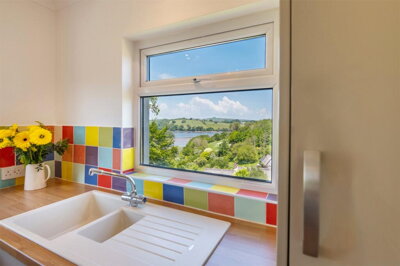
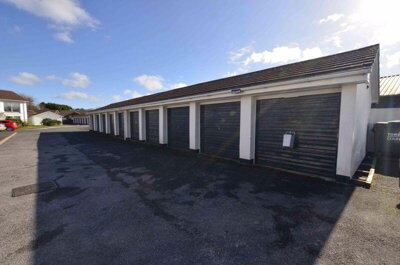
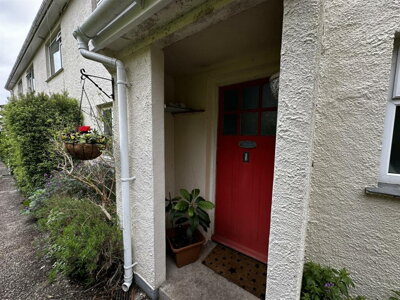
Browse 7 homes for sale in Stoke Gabriel from local estate agents.
Studio apartments feature open-plan living spaces without separate bedrooms, incorporating sleeping, living, kitchen, and bathroom facilities. The Stoke Gabriel studio market includes properties in modern apartment complexes, converted Victorian and Georgian buildings, and purpose-built developments.
Stoke Gabriel's property market has held up well, with sold prices over the last year sitting 11% higher than the previous year, although they are still 6% below the 2023 peak of £628,150. Detached properties fetch the highest figures in the village, averaging £674,727 on recent sales. These sizeable family homes often have the rendered rubble walls and slate roofs seen across South Devon, and some sit on generous plots overlooking the River Dart estuary or close to the village conservation area.
Semi-detached homes in Stoke Gabriel average £400,000, which makes them a strong option for families who want village life without paying detached-house prices. Terraced properties come in at £338,750, giving buyers a more accessible way into this sought-after location. The market is still small, homedata.co.uk shows around 7 completed sales in the past 12 months, so homes that suit a buyer's brief rarely stay available for long.
Gabriel Court is one of the better-known additions to the area, a compact scheme of 13 houses by Park Green in the centre of the village. It offers a modern alternative to Stoke Gabriel's mainly older housing stock. Buyers looking for newer construction may find it appealing, especially if they want to avoid the upkeep that often comes with period homes, though supply is tight and both new and older properties tend to draw attention.
There is plenty of history behind today's market. The village grew out of medieval roots, and the 13th-century tower of the Church of St Mary and St Gabriel still speaks to that long story. Stoke Gabriel House, built in 1798 and extended in 1899, reflects the Georgian and Victorian periods, while most cottages and farms date from the 17th and 18th centuries. That older building stock gives the village its character, but it also means many homes need careful maintenance and a specialist approach to renovation.

For a village of around 1,211 inhabitants across 679 households, Stoke Gabriel offers an unusually rich day-to-day life. It sits on the edge of a tidal creek off the River Dart, and the mill pond at its centre acts as a natural meeting point for the community. In summer, families head down to the quay to go crabbing, while walkers make use of the footpaths that cut through the countryside, past Devonian limestone outcrops and alongside ancient stone-faced hedge banks that trace medieval field boundaries.
Daily life can be managed without needing to leave the village. The Church House Inn and another pub give residents places to meet, the local shop covers essentials, and a popular restaurant handles meals out or special occasions. Stoke Gabriel Primary School is also here, so younger children can be educated within the village itself.
Tourism plays its part in the local economy all year round. Visitors come for the waterfront setting, the historic buildings and the old-fashioned English feel of the place. In warmer months the famous mill pond becomes a busy focal point, helping local businesses while still fitting comfortably alongside village life. It adds energy without taking away the quiet pace that residents value.
The wider parish shows the variety of South Devon's landscape. Devonian limestone outcrops and Permian red sandstone formations give the area its geological interest. The quarries are said to have supplied stone for the tower of St Mary's Church in Totnes, as well as the parish church here in Stoke Gabriel, which underlines how important the local stone has been. Across the countryside, stone-faced hedge banks form another distinctive feature, built up over centuries as ancient field boundaries and part of the rural charm.

Families looking at Stoke Gabriel will find a well-regarded primary school right in the village, which makes the school run simple for most households. Stoke Gabriel Primary School takes children from Reception through to Year 6, and because so many homes are close by, many families can walk to the gates. That kind of walkability is a real plus for those with young children, removing the need for transport arrangements that can complicate life in larger places.
The school's setting also benefits from the close community around it. Teachers often know children and families personally, which is why many parents like the more individual feel of early education here. The building itself fits the village's historic character too, and is one of the 13 listed buildings in Stoke Gabriel, originally a 17th-century National School that has continued serving the community for centuries.
Secondary schooling means a short trip out of the village, with several strong options in the surrounding South Hams area. Parents should look closely at catchment areas and admission arrangements, as these can change depending on the exact spot within Stoke Gabriel. For sixth form provision, nearby Paignton, Newton Abbot, and Totnes all offer choices, with Totnes especially well known for its educational facilities. School bus services are usually part of the picture, so that practical side should be considered before buying if older children are involved.

Stoke Gabriel sits in a relatively quiet spot away from major transport routes, which helps preserve the village feel but does mean commuters need to plan ahead. The A381 is within easy reach and links the South Hams to Newton Abbot and the wider Devon road network. For longer journeys, the M5 motorway at Exeter opens the way to Bristol, Birmingham, and the national motorway network, although that is still a trip of around 45 minutes to an hour from Stoke Gabriel.
Rail travel is available from Totnes and Newton Abbot, both of which have regular services to major destinations. Totnes station connects into the intercity network, with journeys to London Paddington typically taking around three hours. Exeter Airport is the nearest airport, with domestic flights and some European routes, while Plymouth Airport adds further regional links. For getting around the village and nearby communities, a car is still the most practical option, even though the compact layout means most day-to-day errands can be done on foot. Cyclists may enjoy the quieter lanes, but the South Hams terrain can be testing.

It is worth spending time in Stoke Gabriel at different points in the day to get a feel for the place. Call in at the pubs, walk down to the mill pond, and talk to people who live there. Check flood risk areas on the Environment Agency Flood Map too, especially for homes near Coombe Chute or Byter Mill Lane where the River Dart creates particular issues for low-lying properties.
Before you start viewing, sort out a mortgage agreement in principle. With the average property price at £593,300, most buyers will need substantial borrowing. Speak to more than one lender, or use a mortgage broker, to compare rates, and bear in mind that older homes may need specialist surveys that affect your finance choices.
Local estate agents who know Stoke Gabriel well are a good place to start. Because there are only a limited number of sales each year, it pays to move quickly when a suitable property appears. Ask about conservation area status and any planning conditions too, since restrictions in the conservation area can shape what can be done to a home later on.
Stoke Gabriel has plenty of older properties, so a RICS Level 2 Survey is strongly recommended for homes over £500,000. For listed buildings or especially historic properties, a more detailed Level 3 Survey is often the better choice. These surveys pick up problems common in older construction, including damp, roof condition, and outdated electrics. Cob-and-thatch cottages and rendered rubble houses here need surveyors who understand traditional South Devon building methods.
Use a conveyancing solicitor with South Devon experience, particularly if the property is in a conservation area or is listed. They will deal with local searches, check flood risk and drainage, and make sure all planning permissions are in order. Because Stoke Gabriel sits on the River Dart estuary, a thorough drainage and water search matters here.
Once the mortgage is in place and the surveys are complete, the solicitor can exchange contracts and agree a completion date. On completion day, the keys are handed over and life in Stoke Gabriel can begin.
The Stoke Gabriel Conservation Area, set up in 1974 and extended most recently in 2007, covers much of the village centre and brings specific rules for property owners. Any external alteration to a property in the conservation area needs planning permission from South Hams District Council. That protects the historic character of the village, but it does restrict renovation choices, so buyers should make themselves aware of the requirements before committing to a purchase, especially if an extension or other change is on the cards.
With 13 listed buildings in Stoke Gabriel, including the Grade I listed 13th-century Church of St Mary and St Gabriel, listed homes need extra care. They cannot be altered without Listed Building Consent, and standard renovation approaches may be limited. Many of the older properties use traditional methods such as cob-and-thatch, rendered rubble walls, and original timber frames, all of which need knowledgeable maintenance. A full survey is essential for any property of real age, because damp, roof condition, and outdated electrical systems are often found in buildings of this period.
Flood risk needs a close look in Stoke Gabriel. Low-lying parts of the Dart Estuary are subject to flood warnings, and the Flood Map for Surface Water shows risk from the junction of Flood Street and Paignton Road, through Madicks Orchard and New Road, down to Coombe Chute. Homes in these spots may face higher insurance costs and need suitable precautions. That should be weighed carefully when assessing a purchase, along with the possible impact on the budget.

The overall average house price in Stoke Gabriel over the last year was £593,300, homedata.co.uk shows. Detached properties achieve the highest prices, averaging £674,727, while semi-detached homes sold for around £400,000 and terraced properties for approximately £338,750. Recent sold prices were 11% higher than the previous year, though they were still down 6% from the 2023 peak of £628,150. With only 5-7 properties typically selling each year in this small village, values can vary widely depending on condition, location, and whether a home is listed or within the conservation area.
Homes in Stoke Gabriel sit within South Hams District Council. Council tax bands are based on property valuations as of April 1991, and the band for any home depends on the individual property. As a rough guide, smaller terraced cottages and flats usually fall into bands A through C, while larger detached family homes and period properties may be in bands D through F. Buyers should check the exact band on any property they are considering, as it affects ongoing annual costs.
Stoke Gabriel Primary School serves the village and is well thought of by local families, with the clear benefit of being within walking distance of most homes. The original building dates from the 17th century, when it served as the National School before becoming the village primary school, and that history adds to the close, personal feel. For secondary schooling, families generally look to the surrounding towns, with options in Paignton, Newton Abbot, and Totnes. Because Stoke Gabriel sits in the South Hams, catchment areas and transport arrangements should be checked before buying, as admission policies can affect where a child can go.
Public transport in Stoke Gabriel is limited, which is in keeping with a small village. The nearest railway stations are Totnes and Newton Abbot, both with services to Exeter, Plymouth, and London Paddington. Bus services do run in the area, but they are infrequent compared with urban routes. For commuting and errands, most residents depend on private vehicles. The village is accessible by car, with the A381 linking into the wider road network, though trips to larger cities take time, around an hour to Exeter or three hours to London.
Stoke Gabriel has several points in its favour for property investment. With only 5-7 sales annually, housing supply is limited, which suggests demand tends to run ahead of stock in this attractive South Hams village. The conservation area, the estuary setting, and the strong sense of community all help support values. Investors should still be cautious, as the small market can make a quick resale harder, and any rental demand is drawn from a fairly limited local tenant pool. Flood risk in some parts of the village, along with the upkeep older homes need, should also be part of the calculation.
Stamp duty land tax, or SDLT, rates from April 2025 are 0% on the first £250,000 of purchase price, 5% on the portion from £250,001 to £925,000, 10% on the portion from £925,001 to £1,500,000, and 12% on anything above £1,500,000. First-time buyers get relief on the first £425,000, with 5% charged between £425,001 and £625,000. For a typical Stoke Gabriel home at the £593,300 average price, a standard buyer would pay £12,165 in SDLT, while first-time buyers would pay £8,415 if they meet the eligibility rules.
Buyers in Stoke Gabriel need to budget for more than just the purchase price. Stamp duty land tax applies to all purchases above £250,000, with the rate worked out on a sliding scale. On the average Stoke Gabriel property at £593,300, a buyer who is not a first-time buyer would pay £12,165 in SDLT. First-time buyers benefit from higher thresholds, which reduces that to £8,415, but the relief only applies to properties up to £625,000 and cannot be claimed if you have owned property anywhere in the world before.
Survey costs are an important part of the budget, especially in a village full of older homes like Stoke Gabriel. A RICS Level 2 Survey averages between £380 and £629 nationally, although properties above £500,000 usually attract fees around £586. For older cottages and period houses common here, particularly those built before 1900, extra costs may arise because of the complexity of their construction. A RICS Level 3 Building Survey can be the better fit for especially old, thatched, or listed homes, with a more detailed look at structural issues and historical building methods.
Conveyancing fees usually start from around £499 for straightforward sales, rising to £1,500 or more where listed buildings or conservation area properties are involved. Local searches through South Hams District Council will look at planning history, flood risk, and environmental issues specific to the village. Because Stoke Gabriel sits on the River Dart estuary, a drainage and water search matters in particular, to check there are no problems with mains connections or a history of flooding that could affect insurance premiums or future saleability.
Smaller terraced cottages and flats in Stoke Gabriel generally fall into council tax bands A through C, while larger detached family homes and period properties are usually in bands D through F, depending on the individual property. Buyers should check the exact council tax band for any home they are considering, because it affects annual running costs and needs to be included in the wider budget for owning property in this desirable South Hams village.

Properties for Sale In London

Properties for Sale In Plymouth

Properties for Sale In Liverpool

Properties for Sale In Glasgow

Properties for Sale In Sheffield

Properties for Sale In Edinburgh

Properties for Sale In Coventry

Properties for Sale In Bradford

Properties for Sale In Manchester

Properties for Sale In Birmingham

Properties for Sale In Bristol

Properties for Sale In Oxford

Properties for Sale In Leicester

Properties for Sale In Newcastle

Properties for Sale In Leeds

Properties for Sale In Southampton

Properties for Sale In Cardiff

Properties for Sale In Nottingham

Properties for Sale In Norwich

Properties for Sale In Brighton

Properties for Sale In Derby

Properties for Sale In Portsmouth

Properties for Sale In Northampton

Properties for Sale In Milton Keynes

Properties for Sale In Bournemouth

Properties for Sale In Bolton

Properties for Sale In Swansea

Properties for Sale In Swindon

Properties for Sale In Peterborough

Properties for Sale In Wolverhampton

Enter your details to see if this property is within your budget.
Loans, cards, car finance
Estimated property budget
Borrowing + deposit
You could borrow between
Typical borrowing
Monthly repayment
Est. at 4.5%
Loan-to-value
This is an estimate only. Your actual budget may vary depending on interest rates, credit history, and personal circumstances. For an accurate affordability assessment, speak to one of our free mortgage advisors.
This calculator provides estimates for illustrative purposes only and does not constitute financial advice. Your home may be repossessed if you do not keep up repayments on your mortgage. Estimates based on 4.5% interest rate, repayment mortgage. Actual rates depend on your circumstances.
Homemove is a trading name of HM Haus Group Ltd (Company No. 13873779, registered in England & Wales). Homemove Mortgages Ltd (Company No. 15947693) is an Appointed Representative of TMG Direct Limited, trading as TMG Mortgage Network, which is authorised and regulated by the Financial Conduct Authority (FRN 786245). Homemove Mortgages Ltd is entered on the FCA Register as an Appointed Representative (FRN 1022429). You can check registrations at NewRegister or by calling 0800 111 6768.

We use cookies to show you personalised content and improve your experience of our website. Find out more in our Privacy policy and Cookie policy.