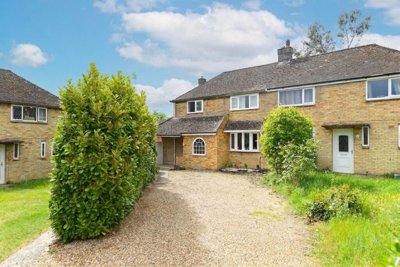
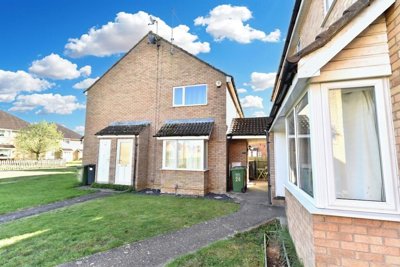
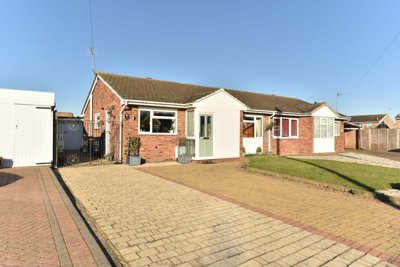
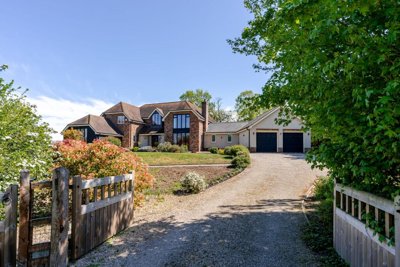
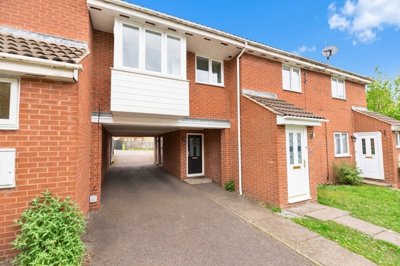
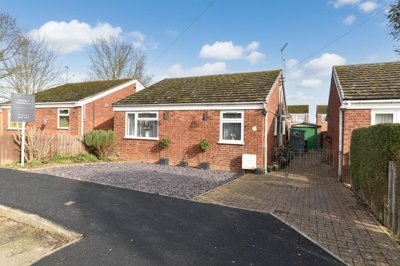
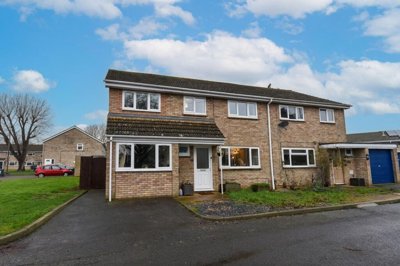
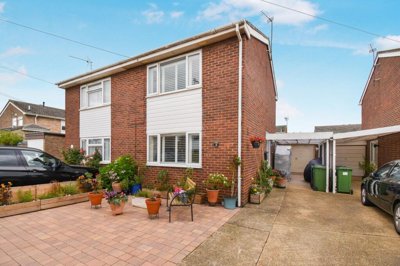
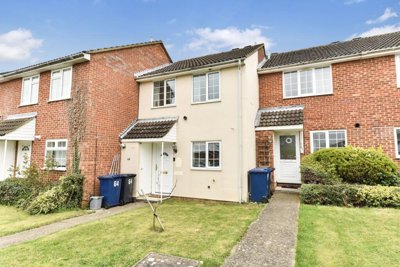
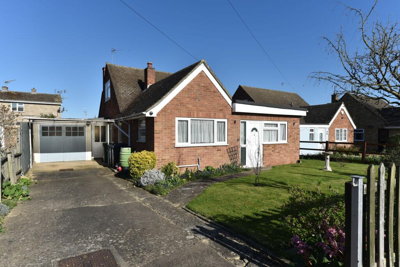
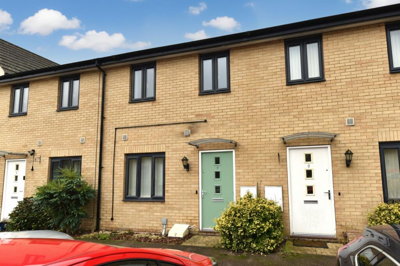
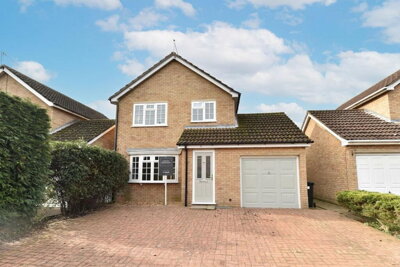
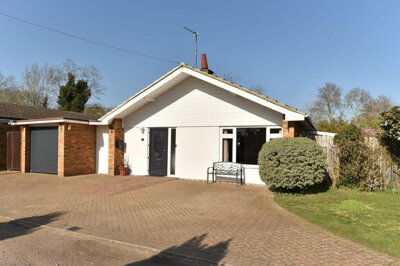
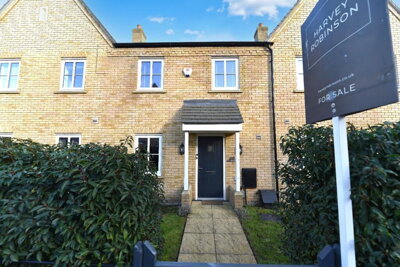
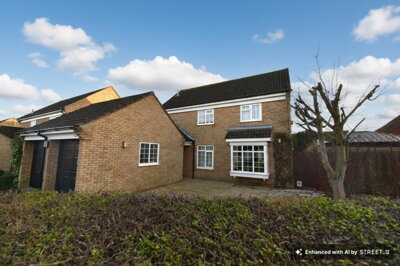
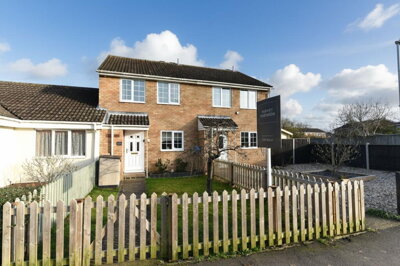
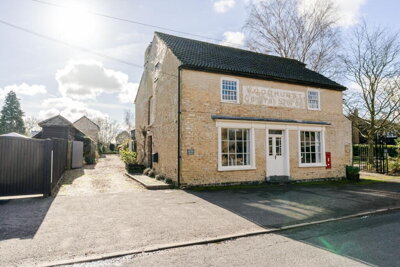
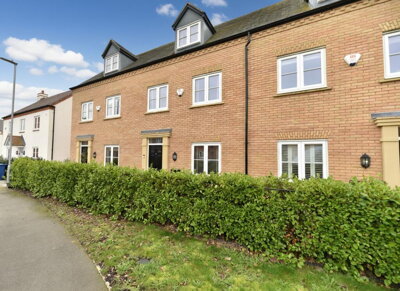
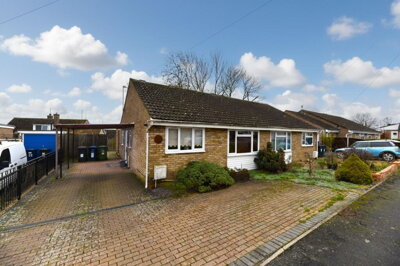
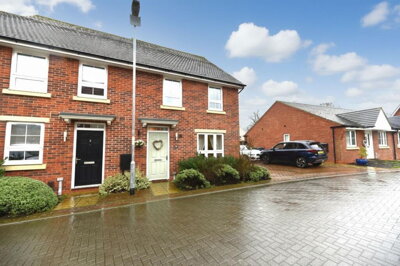
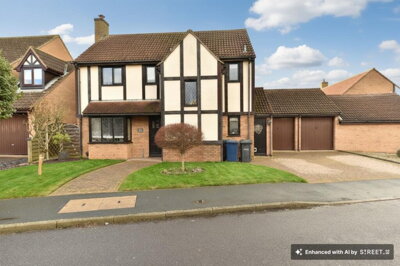
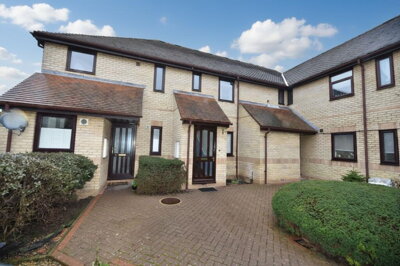
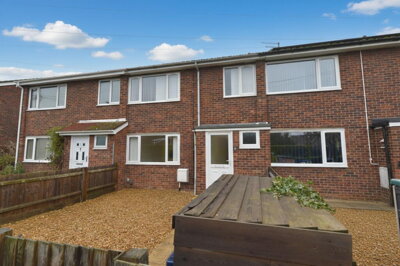
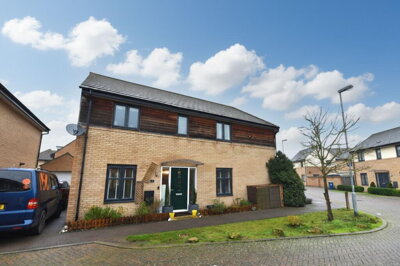
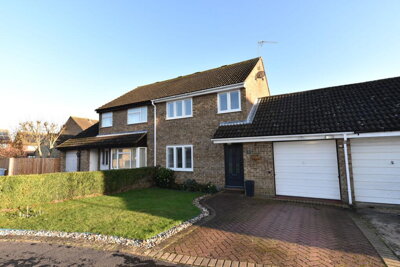
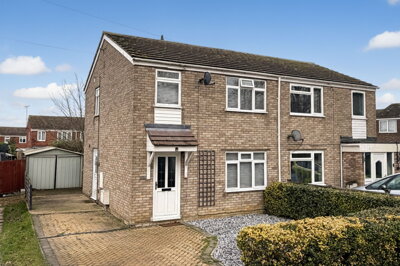
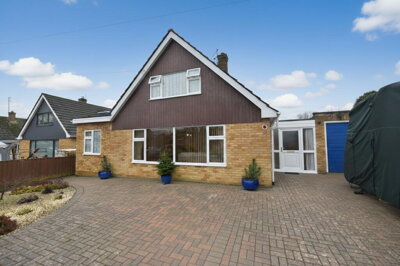
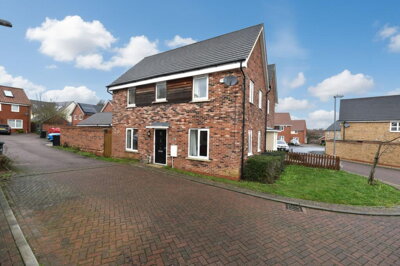
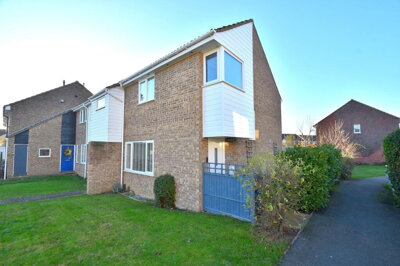
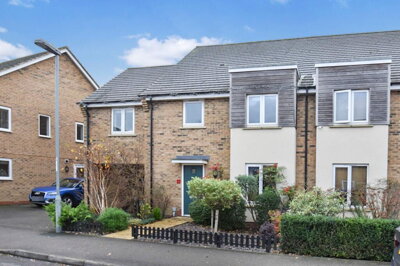
Browse 262 homes for sale in St. Ives from local estate agents.
Ives from local agents. The St. Ives property market offers detached, semi-detached, and terraced houses spanning various price ranges and neighbourhoods. Each listing includes detailed property information, photographs, and direct contact with the marketing agent.
homedata.co.uk puts St. Ives at an average sold price of £316,000, while home.co.uk reports an average asking price of £441,821. For buyers, that difference is useful, because it suggests some sellers are leaving room in the price, particularly on well-placed family houses and character homes. Across the wider Huntingdon & St Ives market, detached homes average £457,258, semis £300,556, terraced homes £242,452 and flats £158,786, so there is a clear spread between property types. We often find buyers here weigh up several styles before deciding where their budget goes furthest.
The market here looks more steady than dramatic. In the supplied research, sold prices shift between a 1.6% fall and a 1.54% rise depending on the dataset and time period, and the wider Huntingdon & St Ives area was broadly flat at 0.3% over the last year. That sort of pattern tends to favour careful pricing, especially when buyers are comparing a period terrace with a newer family house or a flat near the centre. New-build homes do appear in the town, but the research supplied does not confirm a full list of active developments, so we would check live stock on home.co.uk next.

Set by the Great Ouse, St. Ives has the feel of a true river town, and the historic centre does a lot to shape its character. Buyers drawn to period detail usually notice the older terraces, listed properties and cottages first. Families, on the other hand, often look towards homes with more room around the edges of the centre. The supplied research says terraced homes made up the majority of properties sold in St. Ives over the last year, which fits a town with a strong stock of traditional housing. It is a mix that keeps appealing to movers who want character without losing the everyday basics nearby.
Ground conditions matter here. Older Cambridgeshire geology can include clay soils, alluvium and river terrace gravels, and St. Ives also brings the normal riverside considerations that come with living close to water. Homes near the Great Ouse may need closer attention on flood exposure, while older buildings can call for a sharper look at movement, damp and roof condition. The research also refers to Grade II listed homes and a historic town centre, so some streets come with conservation sensitivities and tighter rules on alterations. For plenty of buyers, that is part of the draw, because the setting feels more distinctive than a modern edge-of-town estate.
We would not guess on schools here, because the research provided for this area does not name individual schools or give verified Ofsted ratings. Buyers with children should check the latest Ofsted reports, admissions rules and catchment maps before choosing a street, since even small location changes can affect access. In St. Ives, that can matter as much as the layout of the kitchen. Many family decisions turn on daily routine and the school run. We would compare primary and secondary options alongside travel times before an offer is accepted, not afterwards.
For many Cambridgeshire buyers, sixth form and further education links matter as well, especially where the plan is a long-term family base rather than a short stop. St. Ives suits households looking for a settled town setting with the option to reach other parts of Huntingdonshire for study or work. If education sits high on your list, start with the practical points, transport, after-school care, and whether the property falls within a dependable walking or cycling route. Those details can end up shaping day-to-day life more than buyers expect once moving day has passed.

In St. Ives, the commute often matters just as much as the number of bedrooms. Many buyers rely on the guided busway into Cambridge, while drivers pay close attention to road links across Huntingdonshire and towards the A14 corridor. The supplied research does not give verified rail journey times, so anyone depending on public transport should check the live trip before offering. We also find off-road parking can carry real weight here, especially with older terraces and homes near the historic centre.
For shorter trips, bus, bike or walking can be easier than using the car. That suits buyers who want weekday travel to stay simple. Cycling often works well between the centre and surrounding residential streets, but when we compare homes we also think about storage, security and how practical it feels in wet weather. Parking pressure can shift the feel of a street too, especially where residents, visitors and tradespeople are all competing for the same spaces. If transport feeds into the decision, test the route at peak time and do not forget the journey back.
We would compare riverside streets, central terraces and newer family homes, then weigh each one against your budget, commute and flood tolerance.
Get this lined up before viewings, so sellers can see you are serious and you are ready to move quickly when the right St. Ives property appears.
Try visiting on a weekday evening, after school drop-off and after rain, so you can judge traffic, noise, parking and drainage properly.
For many standard homes, a RICS Level 2 survey is suitable, but older terraces, listed buildings and homes with visible issues may call for a more detailed report.
We would ask about title checks, leasehold terms, service charges, local searches and any flood-related enquiries where the property sits near the Great Ouse.
Keep your deposit, mortgage paperwork and removals plan ready, then once the chain is in place you are in a stronger position to complete smoothly.
Older housing forms a large part of the St. Ives market, so it pays to look closely at roof condition, signs of damp and the state of the windows. In parts of Cambridgeshire, clay-heavy ground can lead to shrink-swell movement, and riverside locations bring their own flooding or surface water concerns. A standard mortgage valuation will not give enough detail on the condition of an older property, which is why we often advise buyers to book a survey before going further. Where a home sits near the river, ask for flood history, insurance details and records of any recent repairs before making a final offer.
Some of the most appealing homes in town are Grade II listed or in conservation areas, but they come with stricter controls. External alterations, windows, doors and roof work may need extra consent, and older buildings can hide maintenance costs that are easy to miss during a short viewing. With flats, we would check lease length, ground rent and service charges carefully, because those figures can affect the real monthly budget more than the headline asking price. Buyers who grasp those details early usually make firmer offers and avoid difficult surprises after completion.
homedata.co.uk shows an average sold price of £316,000 in St. Ives, while home.co.uk gives an average asking price of £441,821. That gap is a reminder to compare sold evidence with live asking prices before fixing your budget. Broken down by type, the research puts detached homes at £456,649, semis at £304,983, terraces at £263,765 and flats at £190,333. The figure that makes sense for you will still come down to location, condition and whether the property is freehold or leasehold.
St. Ives falls within the Huntingdonshire District Council area, and council tax is set by valuation band rather than by street name. Most properties sit somewhere between bands A to H depending on size, age and assessed value, which means 2 houses on the same road can be charged differently. In the older parts of town, terraces may fall into lower or middle bands, while larger detached homes can sit higher. We would always check the band on the individual listing and confirm the current charge with the local authority before buying.
Because the supplied research does not identify specific schools, we would not present one as the best without current evidence. The sensible route is to compare the latest Ofsted reports, admission rules and catchment maps for St. Ives and the wider Huntingdonshire school network. For anyone buying a family home, it is worth checking how the school run works from the exact street in question, because catchments and routes can influence a property's value. One household may find a home ideal, while another sees the daily journey as awkward.
Locally, St. Ives is best known for its guided busway link into Cambridge, and that makes it a practical option for plenty of commuters. The research supplied here does not give exact rail times, so we would check the route you actually expect to use at the time you normally travel. Drivers also focus on access across Huntingdonshire and the A14 corridor. Cyclists, meanwhile, often rely on short local routes for day-to-day journeys. Parking can easily become the deciding point, particularly on older streets near the centre.
There is a healthy amount of market activity here. homedata.co.uk records 187 residential sales in the last 12 months, and across the wider Huntingdon & St Ives area 991 homes sold. That points to genuine demand, but not a market that looks overheated. Terraced homes and family houses often attract both local buyers and movers seeking a practical base in Cambridgeshire. For investment decisions, we would want the purchase price, condition and likely buyer appeal to line up cleanly.
For most buyers in 2024-25, stamp duty is charged at 0% up to £250,000, 5% from £250,000 to £925,000, 10% from £925,000 to £1.5 million and 12% above that. Buy in St. Ives at the average sold price of £316,000 and the standard buyer SDLT comes to £3,300, because only the portion above £250,000 is taxed at 5%. First-time buyers pay 0% up to £425,000, so a first purchase at £316,000 would sit within that relief band and attract no SDLT. We would also budget for legal fees, survey costs and moving expenses.
Yes, there are parts of St. Ives close to the river where fluvial flooding can be an issue, and heavy rain can bring surface water concerns too. That does not place every property in the same risk category, which is why we would check the exact address rather than treat the whole town alike. A solicitor’s searches, a survey and the seller’s information form can all help build a clearer picture of the property’s history. Even homes further from the river may still need drainage checks if they stand on lower ground or older land.
Stamp duty is one of the main costs to plan for in St. Ives, particularly for buyers moving up the ladder. Under the current 2024-25 rules, standard buyers pay 0% up to £250,000, 5% from £250,000 to £925,000, 10% from £925,000 to £1.5 million and 12% above that. At the average sold price of £316,000, that leaves a standard buyer with an SDLT bill of £3,300, while a first-time buyer at the same level would pay nothing. If you are looking nearer the average asking price of £441,821 on home.co.uk, the tax rises quickly, so we would run the numbers before making an offer.
Tax is not the only buying cost to allow for. In St. Ives, we would also budget for legal fees, survey costs, mortgage fees, removals and insurance. Homes close to the Great Ouse may need extra attention on buildings insurance, while older terraces and listed properties can justify a more detailed survey than a modern flat. A mortgage agreement in principle helps show what you can borrow and tells sellers you are ready to proceed. Once the full budget is clear, it becomes much easier to judge whether a character home, a terrace or a larger family property suits you best.
Properties for Sale In London

Properties for Sale In Plymouth

Properties for Sale In Liverpool

Properties for Sale In Glasgow

Properties for Sale In Sheffield

Properties for Sale In Edinburgh

Properties for Sale In Coventry

Properties for Sale In Bradford

Properties for Sale In Manchester

Properties for Sale In Birmingham

Properties for Sale In Bristol

Properties for Sale In Oxford

Properties for Sale In Leicester

Properties for Sale In Newcastle

Properties for Sale In Leeds

Properties for Sale In Southampton

Properties for Sale In Cardiff

Properties for Sale In Nottingham

Properties for Sale In Norwich

Properties for Sale In Brighton

Properties for Sale In Derby

Properties for Sale In Portsmouth

Properties for Sale In Northampton

Properties for Sale In Milton Keynes

Properties for Sale In Bournemouth

Properties for Sale In Bolton

Properties for Sale In Swansea

Properties for Sale In Swindon

Properties for Sale In Peterborough

Properties for Sale In Wolverhampton

Enter your details to see if this property is within your budget.
Loans, cards, car finance
Estimated property budget
Borrowing + deposit
You could borrow between
Typical borrowing
Monthly repayment
Est. at 4.5%
Loan-to-value
This is an estimate only. Your actual budget may vary depending on interest rates, credit history, and personal circumstances. For an accurate affordability assessment, speak to one of our free mortgage advisors.
This calculator provides estimates for illustrative purposes only and does not constitute financial advice. Your home may be repossessed if you do not keep up repayments on your mortgage. Estimates based on 4.5% interest rate, repayment mortgage. Actual rates depend on your circumstances.
Homemove is a trading name of HM Haus Group Ltd (Company No. 13873779, registered in England & Wales). Homemove Mortgages Ltd (Company No. 15947693) is an Appointed Representative of TMG Direct Limited, trading as TMG Mortgage Network, which is authorised and regulated by the Financial Conduct Authority (FRN 786245). Homemove Mortgages Ltd is entered on the FCA Register as an Appointed Representative (FRN 1022429). You can check registrations at NewRegister or by calling 0800 111 6768.

We use cookies to show you personalised content and improve your experience of our website. Find out more in our Privacy policy and Cookie policy.