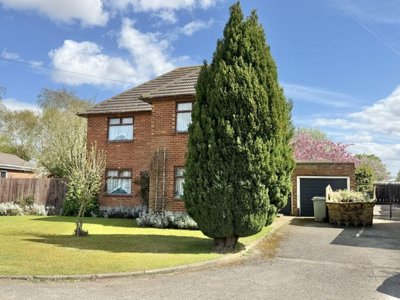
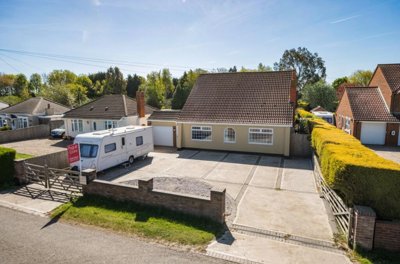
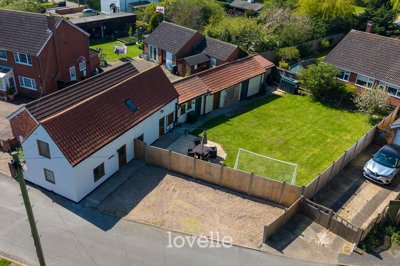
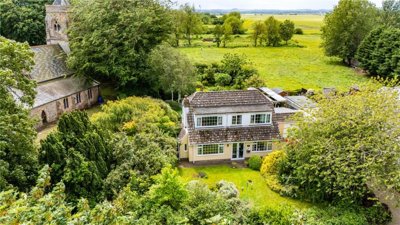
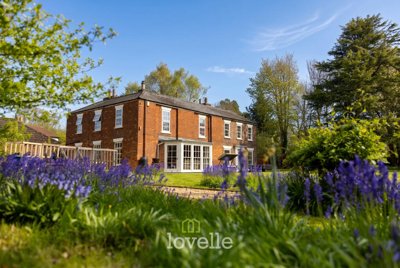
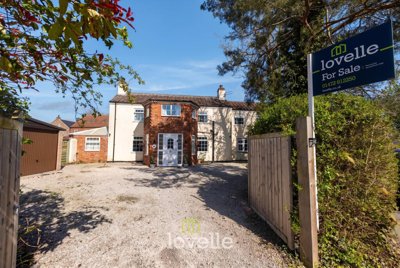
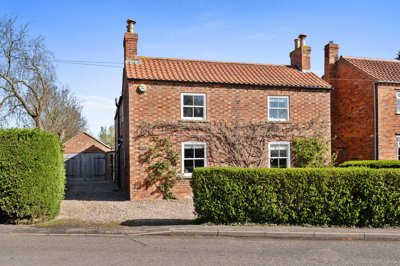
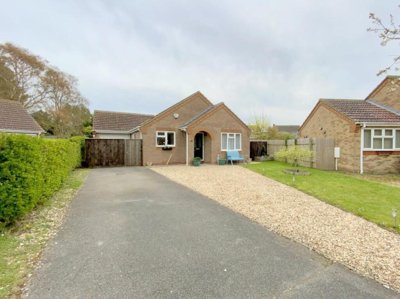
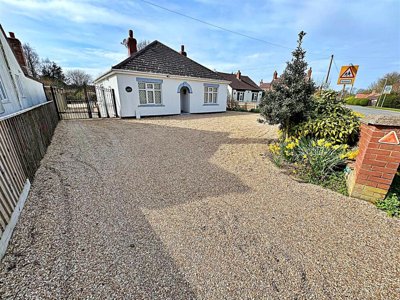
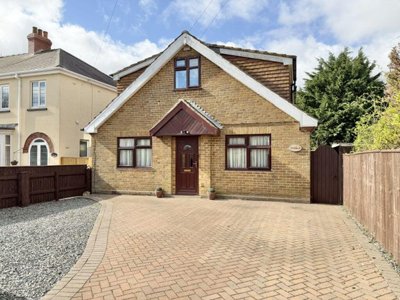
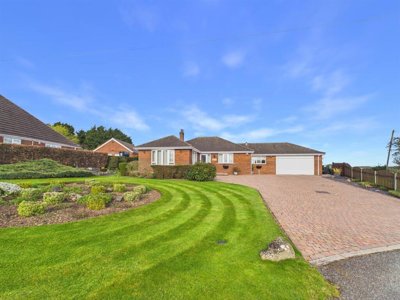
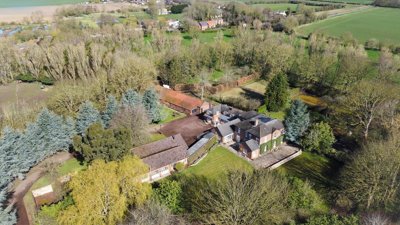
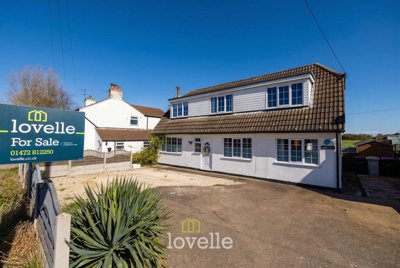
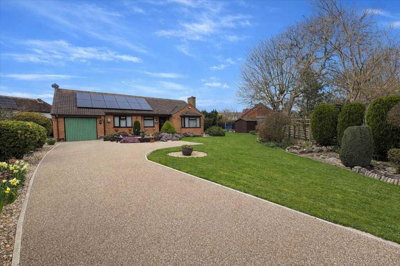
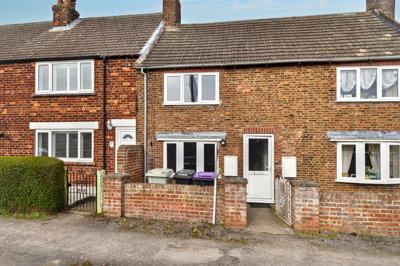
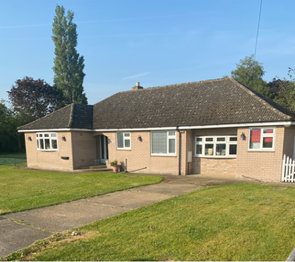
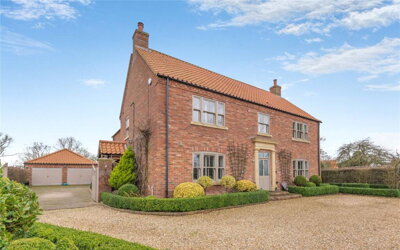
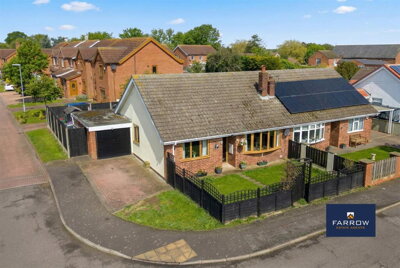
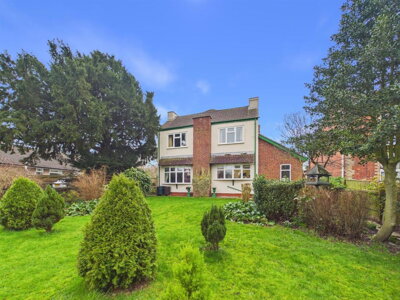
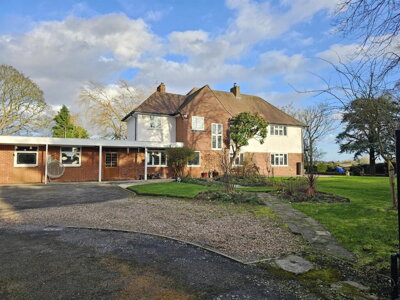
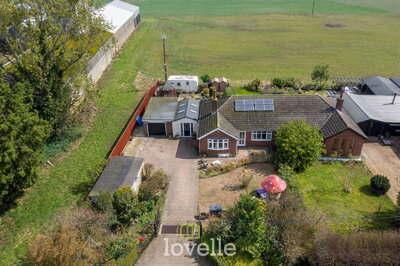
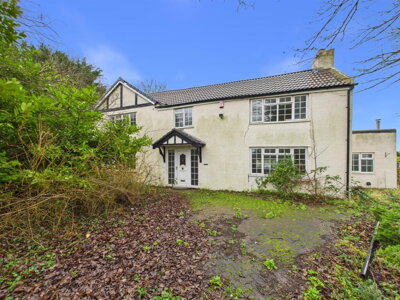
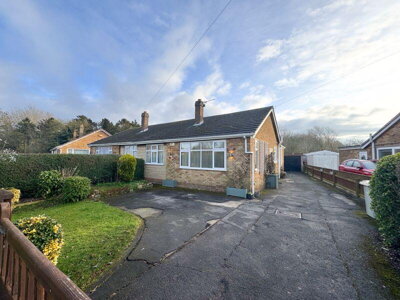
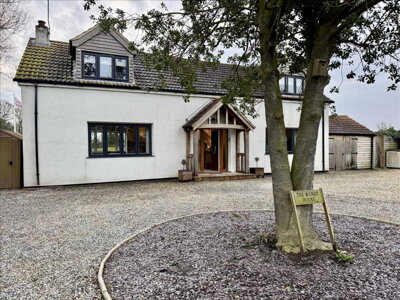
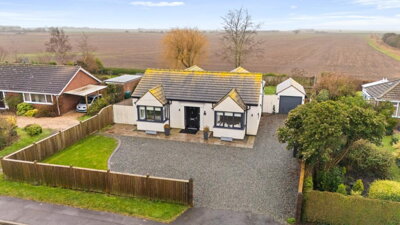
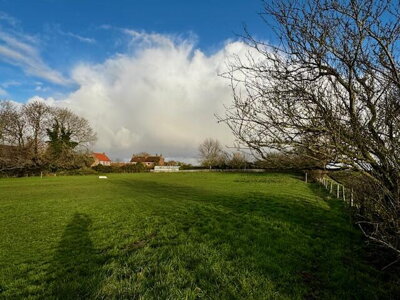
Browse 50 homes for sale in Marshchapel, East Lindsey from local estate agents.
£395k
11
0
192
Source: home.co.uk
Source: home.co.uk
Detached
5 listings
Avg £621,990
Bungalow
2 listings
Avg £307,500
Cottage
1 listings
Avg £185,000
Detached Bungalow
1 listings
Avg £315,000
Semi-Detached Bungalow
1 listings
Avg £175,000
detached
1 listings
Avg £274,000
Source: home.co.uk
Source: home.co.uk
Marshchapel’s property market has been in good shape, with the average house price now at £264,500. Detached homes sit at the top end, averaging £315,833, which reflects the appetite for larger family houses with gardens in this well-liked village setting. Semi-detached properties come in lower, at about £187,500, so they remain a practical route into the market for first-time buyers and anyone taking that first step on the ladder in this coastal community.
Prices are still 3% shy of the 2022 peak of £272,263, so there may be room for buyers who missed the high point. Even so, the 32% year-on-year rise points to stubbornly strong demand, with people drawn to rural living that still keeps larger job centres within reach. Across Marshchapel and Somercotes, there have been 687 property sales in the last decade, which tells us the market is active rather than patchy. Harpham Road has seen plenty of movement too, although values there were marked 7% below the 2022 peak of £286,000.
New-build supply around Marshchapel is thin on the ground. Within the DN36 postcode area, we can see no active residential schemes under construction at present. There was an older application for a single detached house on Church Lane, along with mention of a possible seven-dwelling scheme, but neither translated into verified active development. For anyone set on a brand-new home, nearby villages may be the better bet, and Holton-le-Clay, with High Forest by David Wilson Homes, is one example.
Most of the housing stock is made up of houses and bungalows, with detached, semi-detached and terraced homes all part of the mix. That reflects Marshchapel’s long, gradual development. A fair number of properties date from before 1980, and listed buildings or other period homes often need a closer look during the buying process. Expect traditional brick-built houses too, including examples built in red brick with Flemish bond and ashlar dressings, as seen at The Old Hall.

Marshchapel feels like classic Lincolnshire village country, quiet and open, with farmland and coastal marshes all around. Its origins are agricultural, and that link still matters, not just locally but across East Lindsey, where agri-food, manufacturing, low carbon industries and the visitor economy all play a part. Health and care services, along with ports and logistics, also carry weight in the wider area, so the local economy has more than one string to its bow.
Near St Mary's Church, the centre keeps a real sense of history. A 14th-century churchyard cross there is both a Grade II listed structure and a scheduled ancient monument, which gives the village core real distinction. The Conservation Area designation helps keep future development in line with the existing character, so red brick buildings in Flemish bond with ashlar dressings, like The Old Hall from around 1730, remain part of the story. It leaves us with a streetscape full of period homes and the sort of character many buyers are actively looking for.
Day-to-day life is straightforward enough. There is a licensed general store in the village for groceries and other basics, and a local garage that covers vehicle maintenance. Beyond that, the surrounding countryside opens out into footpaths and bridleways for walking and riding. For bigger shops, restaurants and entertainment, people head to Louth or Grimsby, both of which are an easy drive. That mix of calm village life and practical access works well for many households.
The Lincolnshire marshlands give the area a very particular feel, and the salt marshes also act as natural coastal defences against erosion. Walkers can follow routes across the marshland and take in wildlife and open views, while the Lincolnshire Wolds nearby bring cycling and longer outings into play. Being on the coast means Marshchapel still gives residents the benefits of rural living, while keeping beaches and other coastal attractions within reach in the wider region.

Families moving to Marshchapel have schooling options nearby, even if provision within the village itself is limited. Primary schools serve local children in the surrounding villages, and East Lindsey district has a network of schools for pupils up to age 11. For secondary education, most families look to the nearby market towns, where schools offer both GCSEs and A-levels alongside vocational routes.
The nearest primary schools sit in nearby villages, and several are only a short drive away for Marshchapel families. Those schools take in catchment areas that include the village, although admission rules can change who gets a place. We would always check current boundaries and policies with East Lindsey District Council, because they can affect not just school choice but also values in certain streets and neighbourhoods.
Across Lincolnshire, a number of schools have earned strong Ofsted ratings, so families near Marshchapel do have quality choices. In neighbouring towns, grammar schools offer another route for able pupils, with entry through the 11-plus examination. Louth and the wider Grimsby area both have secondary schools with decent facilities and a broad range of subjects.
For further education, larger centres such as Grimsby, Louth and Lincoln provide colleges with vocational courses, apprenticeships and academic programmes for students moving on from secondary school. That range of provision, all within a reasonable travelling distance, adds to Marshchapel’s appeal for families. If children are school age, we would still check the latest performance data and admission arrangements, as those details can shape both family life and long-term property values.

Marshchapel sits in a useful spot on the edge of the Lincolnshire Wolds, so it has a rural feel without being cut off. The village is close to the A16 trunk road, which links directly to Louth to the north and Grimsby to the east. From there, the network reaches further across Lincolnshire and continues south towards Peterborough and beyond, which helps with commuting and the occasional longer trip.
There are local bus services serving Marshchapel, linking the village with nearby towns and larger settlements. For anyone without a car, they provide an essential link to supermarkets, medical appointments and other services found in the surrounding area. Frequencies are not as generous as you would get in a town or city, though, so many residents still find a private vehicle the practical choice for work and regular errands.
For people working in larger cities, Grimsby offers rail services to Sheffield, Manchester and London, with the Transpennine route and connections through Newark. The nearest main stations are in Grimsby and Cleethorpes, giving access to regional and national services. It is worth allowing extra time for driving to the station and for local roads during busy periods. Even so, the road links and nearby rail make Marshchapel workable for those splitting their week between home and office, so long as travel times are kept realistic.
The A16 through the nearby villages is the main route for commuters heading to jobs in Grimsby, Scunthorpe and further afield. Many Marshchapel residents work in health and care, ports and logistics, or the visitor economy, all of which are growth sectors identified by the Greater Lincolnshire Local Enterprise Partnership. For people in agriculture or agri-food, the village’s rural position gives easy access to farms and food processing sites across East Lindsey district.

We would always suggest spending time in Marshchapel and the neighbouring villages before making a decision. Look at the property market, the facilities and the wider feel of the place. Go at different times of day and on different days of the week, so you can get a proper sense of noise, traffic and atmosphere. Speaking to people who already live there can tell you things that never appear online, including how the neighbourhood works and how reliable local services really are. Flood risk also deserves close attention, because parts of the village sit within Flood Zones 2 and 3.
Before you start booking viewings, get a mortgage agreement in principle from a lender or broker. It gives sellers and agents confidence in your finances, and it also shows you what you can actually borrow. With the average property price at £264,500 in Marshchapel, a mortgage adviser can work out sensible loan amounts based on deposit and income. In most cases, this type of agreement takes a few days and stays valid for around 90 days.
Once you are ready, contact estate agents with Marshchapel listings and arrange viewings of homes that fit what you want. During each visit, take notes and photos, and pay attention to condition, natural light and noise from next door. Ask how long the property has been on the market, because that can help when it comes to negotiating. With older homes, look out for damp, structural movement and the condition of original features.
After an offer is accepted, we would arrange a RICS Level 2 Survey to look closely at the property’s condition. Marshchapel’s coastal setting, clay soils and high proportion of older homes make this especially useful for spotting damp, structural movement or subsidence. The national average cost is around £455, although size and value do affect the price. For older or listed properties, a RICS Level 3 Building Survey may be the better option.
Next, appoint a conveyancing solicitor to deal with the legal side of the purchase, from local searches and contract review to land registry checks. They will look into flood risk areas, Conservation Area restrictions and any planning issues that affect the property. Exchange of contracts usually happens 4-6 weeks after instructions, with completion soon after. In Marshchapel’s Conservation Area, extra planning checks may be needed as well.
Once the legal work is complete and the mortgage offer is in place, contracts are exchanged and the deposit is paid. Completion then tends to follow within days or weeks, when the keys are handed over and the Marshchapel home becomes yours. Buildings insurance needs to be in place from exchange date. Removal costs and any repairs highlighted in the survey should also be built into the budget.
People buying in Marshchapel need to keep a few local risks in mind. Because the village is on the coast, some properties sit within Flood Zones 2 and 3, and that can mean long-term exposure to risk from rivers, the sea, surface water and groundwater. Before you proceed, ask whether there has been any previous flooding and whether the current owner has put measures in place, such as property-level flood barriers or raised electrical outlets. Insurance can cost more in higher-risk spots, and some mortgage lenders also apply specific conditions to homes in flood zones.
The ground beneath Marshchapel deserves proper attention during a survey. Properties here stand on stoneless clayey soils of the Newchurch 2 association, which can shrink and swell as moisture levels change. That movement can lead to subsidence, particularly in older homes with shallow foundations. A careful survey should check for wall cracks, uneven floors and doors or windows that no longer line up, all of which may point to structural movement linked to ground conditions. Homes built before the 1920s often have solid walls without modern damp-proof courses, so they are more exposed to moisture problems.
Conservation Area status brings its own planning rules in Marshchapel. External changes, including extensions, window replacements and alterations to roofing materials, may need planning permission from East Lindsey District Council. The village also has listed buildings, including Grade I St Mary's Church and Grade II The Old Hall, so nearby properties can attract extra scrutiny too. If major alterations are on the table, a pre-application planning advice session is sensible to get a clear picture of the constraints. Missing the necessary consents can lead to enforcement action and a requirement to reinstate original features.
Because much of Marshchapel’s housing stock is historic, and many homes are likely over 50 years old, electrics and plumbing may need updating to modern standards. Older properties can still have cast iron guttering, outdated consumer units and wiring that falls short of current regulations. When you budget, allow for rewiring, plumbing repairs and, where needed, modern damp-proof courses if those are missing from period homes. A RICS Level 2 Survey will pick up urgent electrical or plumbing problems before completion. Timber-framed windows with original detailing may need restoration rather than replacement to stay in line with Conservation Area requirements.

Sorting out the full cost of a Marshchapel purchase matters if you want to budget properly. At the average price of £264,500, most buyers would fall within the standard SDLT thresholds. On a property at £264,500, the first £250,000 sits in the 0% band, with only £14,500 charged at 5%, so SDLT comes to just £725 for standard buyers. First-time buyers buying within the £425,000 threshold would pay no SDLT at all on a home at this level.
There is more to pay for than just the property itself. Solicitor conveyancing costs in the Marshchapel area usually start from around £499 for standard transactions. On top of that, there may be local searches, including drainage and water searches, environmental searches and planning searches, along with Land Registry fees and Teleprinter transfer fees. For a home at the average price, total conveyancing costs could land somewhere between £800 and £1,500, depending on the complexity of the deal and any Leasehold issues. Properties in the Conservation Area may need extra searches linked to planning restrictions.
Survey fees are another line to account for. A RICS Level 2 Survey averages around £455 nationally, although size and value will move that figure. Smaller homes under £200,000 average around £384, while larger properties above £500,000 may cost around £586. With many Marshchapel homes being older and the ground conditions already noted, paying for a proper survey makes sense if you want to uncover structural problems, damp or outdated electrics before you commit. Mortgage arrangement fees, removal costs and buildings insurance also need to be included, and the insurance must begin from contract exchange. Careful planning here helps avoid financial strain once you move into your new Marshchapel home.

Based on transactions over the past year, the average house price in Marshchapel is £264,500. Detached homes average £315,833, while semi-detached properties are more affordable at about £187,500. Prices are up 32% year-on-year, yet they still sit just below the 2022 peak of £272,263, which suggests there is still plenty of appetite for homes in this attractive coastal village. The Marshchapel and Somercotes area has seen 687 property sales over the last decade, so activity has been steady rather than sporadic.
For council tax, Marshchapel properties fall within East Lindsey District Council’s area. Bands run from A to H, and the exact band depends on the property’s assessed value. If you want the precise band for a Marshchapel home, the Valuation Office Agency’s online database has the details for properties across England and Wales. Council tax in East Lindsey helps pay for local services, including rubbish collection, road maintenance and other local authority functions.
There is not much schooling within Marshchapel itself, so primary education is usually found in neighbouring villages across East Lindsey district. The wider area has several primary schools, while secondary schools are available in nearby towns such as Louth and Grimsby. For pupils who pass the 11-plus examination, grammar schools can be found elsewhere in Lincolnshire. Parents should check the latest Ofsted ratings and catchment boundaries, because both can change and both can have a big impact on where children are placed. The nearest secondary schools usually cover catchments that include Marshchapel families.
Local bus services connect Marshchapel with surrounding towns and larger settlements, although the timetable is less frequent than you would expect in an urban area. Grimsby and Cleethorpes are the nearest railway stations, with regional and national links to Sheffield, Manchester and London via the Transpennine route. Most people still depend on private cars for day-to-day commuting and regular travel, with the A16 providing access to nearby towns including Louth and Grimsby.
For property investors, Marshchapel has a few points in its favour. Conservation Area status helps protect character and, by extension, property values, while the supply of homes for sale remains limited. Prices have also risen strongly, by 32% over the past year. The village’s rural feel and coastal location draw buyers looking for a lifestyle move or holiday let. Flood risk in some areas and the lack of meaningful new-build supply need careful thought, though, since both can influence future growth and rental demand. As ever, rental demand, local amenities and long-term development plans all need proper research.
For 2024-25, SDLT is charged at 0% on the first £250,000 of residential purchases, 5% on the slice from £250,001 to £925,000, 10% on the portion from £925,001 to £1.5 million, and 12% on anything above £1.5 million. First-time buyers can get relief on the first £425,000, then pay 5% between £425,001 and £625,000, with no relief beyond £625,000. At the Marshchapel average price of £264,500, most buyers would pay no SDLT, and first-time buyers would definitely pay nothing at this price level.
The main risks for Marshchapel buyers are straightforward but important. Parts of the village sit within Flood Zones 2 and 3, so insurance and mortgage availability can both be affected. The clay soils create a risk of shrink-swell ground movement and subsidence, especially in older homes with shallow foundations. Conservation Area controls restrict external alterations unless East Lindsey District Council gives planning permission. Homes close to St Mary's Church or The Old Hall may also face extra planning attention because of nearby listed buildings. We would strongly recommend a thorough RICS Level 2 Survey to identify any property-specific issues before you complete the purchase.
Properties for Sale In London

Properties for Sale In Plymouth

Properties for Sale In Liverpool

Properties for Sale In Glasgow

Properties for Sale In Sheffield

Properties for Sale In Edinburgh

Properties for Sale In Coventry

Properties for Sale In Bradford

Properties for Sale In Manchester

Properties for Sale In Birmingham

Properties for Sale In Bristol

Properties for Sale In Oxford

Properties for Sale In Leicester

Properties for Sale In Newcastle

Properties for Sale In Leeds

Properties for Sale In Southampton

Properties for Sale In Cardiff

Properties for Sale In Nottingham

Properties for Sale In Norwich

Properties for Sale In Brighton

Properties for Sale In Derby

Properties for Sale In Portsmouth

Properties for Sale In Northampton

Properties for Sale In Milton Keynes

Properties for Sale In Bournemouth

Properties for Sale In Bolton

Properties for Sale In Swansea

Properties for Sale In Swindon

Properties for Sale In Peterborough

Properties for Sale In Wolverhampton

Enter your details to see if this property is within your budget.
Loans, cards, car finance
Estimated property budget
Borrowing + deposit
You could borrow between
Typical borrowing
Monthly repayment
Est. at 4.5%
Loan-to-value
This is an estimate only. Your actual budget may vary depending on interest rates, credit history, and personal circumstances. For an accurate affordability assessment, speak to one of our free mortgage advisors.
This calculator provides estimates for illustrative purposes only and does not constitute financial advice. Your home may be repossessed if you do not keep up repayments on your mortgage. Estimates based on 4.5% interest rate, repayment mortgage. Actual rates depend on your circumstances.
Homemove is a trading name of HM Haus Group Ltd (Company No. 13873779, registered in England & Wales). Homemove Mortgages Ltd (Company No. 15947693) is an Appointed Representative of TMG Direct Limited, trading as TMG Mortgage Network, which is authorised and regulated by the Financial Conduct Authority (FRN 786245). Homemove Mortgages Ltd is entered on the FCA Register as an Appointed Representative (FRN 1022429). You can check registrations at NewRegister or by calling 0800 111 6768.

We use cookies to show you personalised content and improve your experience of our website. Find out more in our Privacy policy and Cookie policy.