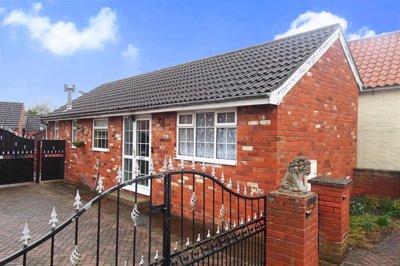
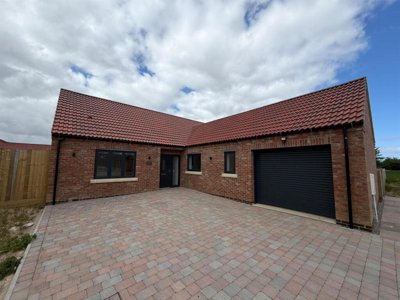
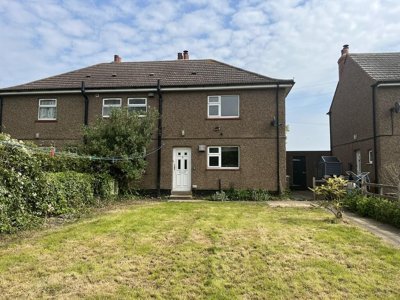
Browse 3 rental homes to rent in Marshchapel, East Lindsey from local letting agents.
£750/m
1
0
125
Source: home.co.uk
Source: home.co.uk
Semi-Detached
1 listings
Avg £750
Source: home.co.uk
Source: home.co.uk
Marshchapel's rental market mirrors the wider Lincolnshire pattern, with property values having climbed sharply over the past year. We see a 32% increase in house prices compared with the previous year, and the overall average now sits at £264,500. Detached homes fetch the highest figures, at about £315,833 on average, which suits families or anyone after roomy accommodation and generous gardens. Semi-detached properties sit at a more reachable level, around £187,500, and they give renters a solid option in this sought-after coastal village.
Monthly rents in Marshchapel vary with size, condition and setting, though they usually track the local value of homes and the village's coastal character. Sea views, or a home within the Conservation Area, often push the rent up because of the location and heritage setting. The Marshchapel Parish Council notes a mix of housing, from traditional two-bedroom cottages to large detached family homes. A typical two-bedroom cottage might sit between £650 and £850 per month, while larger family houses with four or more bedrooms could reach £1,000 to £1,400 per month, depending on specification and garden size.
Many of Marshchapel's older homes, and plenty are over 50 years old in a village with roots going back to the 15th century, call for a bit of care from prospective tenants. Solid walls, cast iron guttering and shallow foundations on clay soils are all part of the picture. You also see the village's history in buildings such as The Old Hall, built in red brick in Flemish bond with ashlar dressings and dating from around 1730. Taken together with rising property values, that history helps explain why rental demand stays steady here and looks set to keep growing as more people discover this corner of Lincolnshire.

Marshchapel is a classic Lincolnshire coastal village, peaceful and rural, yet still linked to nearby towns and day-to-day services. Set on the eastern edge of the Lincolnshire Wolds, an Area of Outstanding Natural Beauty, it gives residents wide views and walking routes almost from the doorstep. The landscape owes much to its geology, with stoneless clayey soils of the Newchurch 2 association overlying marine and estuarine alluvium. Close to the coast, that mix creates a setting where salt marshes and natural defences are part of everyday life.
There is a real sense of community in Marshchapel, and it shows through the village's local services. Residents have a licensed general store and a garage repair facility on hand, so the basics do not always mean a trip further afield. For larger shops and a broader choice of amenities, people usually head to Grimsby, Louth or Cleethorpes, all reachable by the local road network. The wider East Lindsey district, which includes Marshchapel, focuses on agri-food, manufacturing and the visitor economy, while health and care, plus ports and logistics, have been highlighted as future growth areas by the Greater Lincolnshire Local Enterprise Partnership. Farming remains strong in the immediate area too, which fits the village's agricultural past.
Heritage is well protected here, with a designated Conservation Area and a notable run of listed buildings, especially around the church. St Mary's Church, with origins in the 15th century and a chancel added in 1848, anchors that story. In the churchyard stands a 14th-century cross, carrying both Grade II listed status and scheduled monument designation. These places give Marshchapel a clear sense of identity and a direct link to centuries of local life. For renters, it means a setting that balances rural calm, essential services and the Lincolnshire coastline.

Families looking at Marshchapel will find a number of primary school options within a sensible distance. Several nearby villages have their own primary schools serving younger children, and the closest choices often include schools in Holton-le-Clay, Tetney and Louth. Together they cover the wider rural catchment and provide Key Stage 1 and 2, along with early years provision, without the need to head into a larger town every day. It is still wise to check which school serves the exact rental address, because catchment areas vary and can affect places.
Secondary pupils from Marshchapel usually travel to schools in the nearby market towns, where comprehensive schools and academies serve the East Lindsey district. These schools tend to offer a broad mix of GCSE and A-Level subjects, plus facilities for sport, science and the arts. Catchment areas and admission rules matter, so families should check those before choosing a property. School transport from outlying villages such as Marshchapel is another practical point, and many households sort that out before they commit to a rental home.
Further and higher education are easy enough to reach across the wider Lincolnshire region. Grimsby, Lincoln and Hull all have further education colleges with vocational courses, apprenticeships and academic qualifications for learners of different ages. For university study, the University of Hull, the University of Lincoln and other regional options are accessible through the area's transport links. When renting in Marshchapel, it is sensible to weigh up school transport, the distance to colleges or universities, and access to before and after-school care. Breakfast clubs and after-school clubs are available at several nearby schools, which can be a real help for working parents who travel into larger towns.

Marshchapel may be rural, but it still offers reasonable transport links for work, study and leisure. The village sits in the DN36 postcode area and lies between Grimsby and Louth, both of which bring retail, healthcare and employment opportunities within reach. Nearby, the A16 trunk road is the main route for drivers, linking residents south towards Lincoln and north towards Grimsby, the port town. That road network matters for anyone needing regular access to employment centres, specialist services or entertainment not found locally. By car, Grimsby is usually around 25 minutes away, while Louth is about 15 minutes.
Bus services give Marshchapel a useful public transport link to surrounding towns and villages, especially for people without a private vehicle. Routes in the area generally connect smaller communities with market towns, opening up access to supermarkets, healthcare and everyday essentials. For longer journeys, railway stations in Grimsby and nearby towns connect into the national rail network, with travel to cities including Sheffield, Manchester and London possible by changing at major interchange stations. Grimsby's station is usually the nearest major one, so it works well for regular commuters and leisure trips alike. In a rural setting, checking timetables in advance is sensible, because frequencies can be limited compared with urban areas.
For walkers and cyclists, Marshchapel and the surrounding Lincolnshire countryside offer attractive routes through open landscapes and along the coast. The Lincolnshire Wolds nearby bring footpaths and bridleways of different lengths and levels of difficulty, so there is plenty to explore outdoors. That said, the rural road layout means cycling provision can be patchy on busier routes, so journeys need a bit of planning. Humberside International Airport is within a reasonable drive and gives access to domestic flights and European connections for business and leisure travel. For many residents, that mix of countryside and decent links makes Marshchapel a practical base for remote work or flexible commuting.

Speak to lenders or use Homemove's rental budget service to work out what you can afford to spend on rent each month. It gives you a clear figure to work from and shows landlords that you are serious and financially prepared. Getting a rental budget agreement in place before the search begins helps narrow the field and saves time spent viewing homes that sit outside your range.
Take time to get to know Marshchapel and the surrounding villages before you settle on a rental. Visit at different times of day and on different days of the week if you can, and talk to people already living there about what day-to-day life is like. Flood risk deserves close attention too, because some parts of Marshchapel fall within Flood Zone 2 and Flood Zone 3 thanks to the village's coastal position.
Once a property looks right, book viewings through estate agents or go straight to landlords where that is an option. During each visit, make notes and ask about the lease terms, appliances included, maintenance responsibilities and any local conditions that apply to renting in a rural place. If the property sits in the Conservation Area, ask about planning restrictions that could affect the tenancy.
Older homes, and especially those in the Conservation Area, are worth checking with a RICS Level 2 Survey so structural issues or maintenance concerns are picked up early. Marshchapel's clay soils and coastal position make that particularly relevant, because both can affect a property's condition over time. Damp, structural movement and outdated electrical systems are among the more common issues in older Marshchapel houses.
The landlord or estate agent will usually ask for references, proof of identity and, in many cases, an employment check before they offer a tenancy. Having the paperwork ready can speed things up. Once everything has been submitted, referencing typically takes one to five working days.
After referencing is complete, you will usually need to pay a security deposit, typically equivalent to 5 weeks' rent, together with the first month's rent. Moving day should include a full inventory check so the property's condition is recorded from the start. The deposit has to be protected in a government-approved scheme within 30 days of receipt.
Renting in Marshchapel means thinking carefully about a few issues that are tied to this coastal Lincolnshire village. The local geology includes clayey soils that can shrink and swell, so foundations and any signs of movement deserve close attention. Cracks in walls, uneven floors or doors and windows that no longer line up can point to subsidence, which may lead to costly repairs or ongoing maintenance. A proper look during the viewing, and a professional survey for older homes if needed, can flag these issues before you commit. Beneath the surface, marine and estuarine alluvium overlying chalk can create difficult ground conditions that affect foundations over time.
Flood risk also sits high on the list in Marshchapel, because the village's coastal position puts some areas within Flood Zone 2 and Flood Zone 3 according to planning records. Day-to-day risk may be low, and Environment Agency data shows no active flood warnings at the time of writing, but longer-term risk from rivers, the sea, surface water and groundwater still needs to be taken into account. Ask about the property's flood history, any mitigation already in place and whether buildings insurance covers flood damage. Salt marshes can act as natural flood defences, though coastal erosion remains a factor for homes nearer the shoreline.
Homes in the designated Conservation Area come with planning controls that can limit what tenants are able to alter or improve during a tenancy. Anyone looking at a listed building should also remember that changes may need consent from the local planning authority, and restrictions on the exterior and structural works can be stricter than for standard rentals. It pays to understand those limits before you sign, because it avoids confusion later. Older Marshchapel properties often use traditional materials and methods too, including solid walls without modern insulation, cast iron guttering and lime-based mortar, all of which can affect energy efficiency and heating bills. In the colder Lincolnshire months, many tenants find that older homes need more attention and can cost more to heat.

Rental prices in Marshchapel move around through the year, but a typical two-bedroom cottage in this Lincolnshire coastal village is usually in the £650 to £850 per month range. Bigger detached family homes with four or more bedrooms may command £1,000 to £1,400 per month, depending on condition, garden size and how close they sit to the sea. Character features and Conservation Area locations can push the rent higher still. The village's average house price of £264,500, together with detached properties averaging £315,833, gives a useful guide to the wider market here.
For council tax, Marshchapel falls under East Lindsey District Council, and bands run from A through to H depending on the property's valuation. It is worth checking the correct band before signing, because this is a meaningful part of monthly costs. East Lindsey uses council tax to fund local services such as bin collections, roads and community facilities. You can check the Valuation Office Agency website for the band on a specific address, or ask the landlord or letting agent during the application stage.
Primary education for Marshchapel families is found in the surrounding villages and towns, with schools in Holton-le-Clay, Tetney and Louth serving the wider rural catchment. Before committing to a rental, families should check which schools cover that exact address, along with the admission criteria and deadlines for each one. Nearby market towns also provide secondary options, usually comprehensive schools and academies with good Ofsted ratings, though transport from Marshchapel should be confirmed first. The Greater Lincolnshire area has a number of respected schools, and East Lindsey has invested in educational facilities in recent years.
Local bus services connect Marshchapel with nearby towns including Grimsby and Louth, giving residents access to shopping, healthcare and jobs. Frequencies can be limited compared with urban routes, so anyone without a car should plan weekly travel around the timetable. Grimsby has the nearest railway station, with links into the wider national network and direct services to Sheffield and Manchester with changes. For drivers, the A16 trunk road gives straightforward access to larger towns and cities, and car travel remains the most practical choice for daily commuting.
Marshchapel brings together rural charm, a strong sense of community and the natural appeal of the Lincolnshire coastline, which is why many renters are drawn to a quieter pace of life. Its Conservation Area status, along with listed buildings such as St Mary's Church and The Old Hall, adds the kind of character and history that many people value. Grimsby and Louth are close enough to provide fuller services and amenities, while village life stays calm. The recent 32% rise in property values points to growing demand here, and renting in Marshchapel can be a steady, rewarding choice for anyone who likes authentic Lincolnshire village life.
When you rent in Marshchapel, expect to pay a security deposit equal to five weeks' rent, held in a government-approved deposit protection scheme for the length of the tenancy. Usual upfront costs also include the first month's rent in advance, referencing fees for credit and background checks, and sometimes a holding deposit while references are processed. Some charges have been banned or limited under recent tenant fee legislation, so it is sensible to check which fees are legitimate and ask for a full breakdown from the letting agent or landlord before moving forward. The deposit has to be returned within 10 days of the end of the tenancy, less any deductions for damage beyond normal wear and tear or unpaid rent.
Keeping track of the costs linked to renting in Marshchapel matters if you want to budget properly and avoid surprises during the application. The security deposit, typically equal to five weeks' rent, is the main upfront payment and must be protected in a government-approved scheme under the Tenancy Deposit Protection regulations. At the end of the tenancy, it is returned subject to deductions for damage beyond normal wear and tear or unpaid rent. Before moving in, carry out a detailed inventory check so the property's condition is recorded and disputes are less likely when you leave. Photographs are useful too, because they give clear evidence of the state of the home at the start of the tenancy.
There may also be referencing fees for background and credit checks, which most letting agents and landlords use as standard. Some agents still charge an administration fee for handling the tenancy application, or a fee for issuing tenancy agreements in duplicate. Those charges can add up, so clear upfront information is important and reputable agents should give it without fuss. Some fees have been banned or restricted under recent tenant fee legislation, so it is wise to check which charges still apply. Holding deposits, which secure the property while references are checked, are usually capped at one week's rent and are either refundable or set against your tenancy deposit.
Ongoing tenancy costs in Marshchapel include monthly rent, council tax set by East Lindsey District Council, utility bills and contents insurance. Older or traditionally built homes in this coastal village can bring higher heating costs because the insulation is often less efficient, so that is worth bearing in mind when you work out your monthly spend. In many older Marshchapel properties, solid wall construction means insulation upgrades may be limited without landlord consent, so it is worth raising that before you sign if energy efficiency matters to you. Before you commit, a rental budget agreement in principle can help you see exactly how much you can comfortably spend each month and keep your search on a sensible footing.
From 4.5%
Work out what you can afford to rent from your income and your regular outgoings.
From £49
Detailed referencing checks to back up a rental application.
From £350
Careful inspection of older Marshchapel properties for defects and maintenance concerns.
From £75
Energy performance certificate, so heating costs and efficiency are clear.
Properties to Rent In London

Properties to Rent In Plymouth

Properties to Rent In Liverpool

Properties to Rent In Glasgow

Properties to Rent In Sheffield

Properties to Rent In Edinburgh

Properties to Rent In Coventry

Properties to Rent In Bradford

Properties to Rent In Manchester

Properties to Rent In Birmingham

Properties to Rent In Bristol

Properties to Rent In Oxford

Properties to Rent In Leicester

Properties to Rent In Newcastle

Properties to Rent In Leeds

Properties to Rent In Southampton

Properties to Rent In Cardiff

Properties to Rent In Nottingham

Properties to Rent In Norwich

Properties to Rent In Brighton

Properties to Rent In Derby

Properties to Rent In Portsmouth

Properties to Rent In Northampton

Properties to Rent In Milton Keynes

Properties to Rent In Bournemouth

Properties to Rent In Bolton

Properties to Rent In Swansea

Properties to Rent In Swindon

Properties to Rent In Peterborough

Properties to Rent In Wolverhampton

Enter your details to see if this property is within your budget.
Loans, cards, car finance
Estimated property budget
Borrowing + deposit
You could borrow between
Typical borrowing
Monthly repayment
Est. at 4.5%
Loan-to-value
This is an estimate only. Your actual budget may vary depending on interest rates, credit history, and personal circumstances. For an accurate affordability assessment, speak to one of our free mortgage advisors.
This calculator provides estimates for illustrative purposes only and does not constitute financial advice. Your home may be repossessed if you do not keep up repayments on your mortgage. Estimates based on 4.5% interest rate, repayment mortgage. Actual rates depend on your circumstances.
Homemove is a trading name of HM Haus Group Ltd (Company No. 13873779, registered in England & Wales). Homemove Mortgages Ltd (Company No. 15947693) is an Appointed Representative of TMG Direct Limited, trading as TMG Mortgage Network, which is authorised and regulated by the Financial Conduct Authority (FRN 786245). Homemove Mortgages Ltd is entered on the FCA Register as an Appointed Representative (FRN 1022429). You can check registrations at NewRegister or by calling 0800 111 6768.

We use cookies to show you personalised content and improve your experience of our website. Find out more in our Privacy policy and Cookie policy.