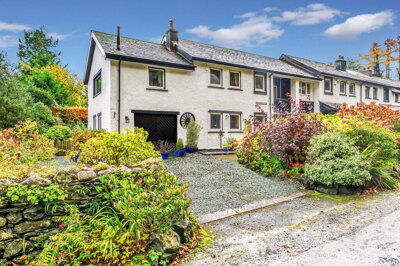
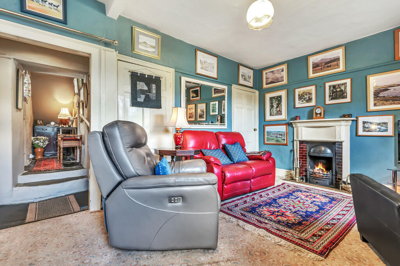
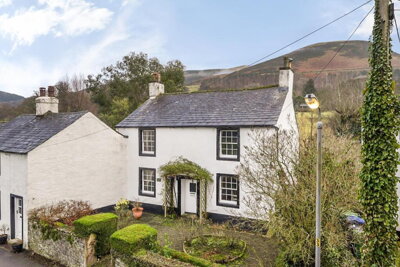
Browse 3 homes for sale in Lorton, Cumberland from local estate agents.
Three bedroom properties represent a significant portion of the Lorton housing market, offering space for families with multiple reception rooms and gardens in many cases. Browse detached, semi-detached, and terraced options ranging from period character homes to contemporary developments.
£0k
0
0
0
Source: home.co.uk
Showing 0 results for 3 Bedroom Houses for sale in Lorton, Cumberland.
Lorton’s property market has a character of its own, shaped by the village’s history and rural setting. Recent data puts detached homes at around £1,500,000 on average, with semi-detached properties typically at £445,000. Terraced homes, including old miners' cottages and converted agricultural buildings, average £279,000, so they remain the more realistic route for first-time buyers or anyone after a smaller place. That premium sits alongside the village’s spot in the Lake District National Park, the tight supply of homes, and steady demand from buyers drawn to the Lakeland lifestyle.
Prices in Lorton have moved sharply over the last few years, with the wider market up 57% compared with the previous year, according to home.co.uk listings data. Across Lorton and the CA13 postcode area, average values have risen by 27.2% since November 2016, which shows how persistent demand has been here. Sales volumes are still low in the immediate area, with limited transactions recorded in the past twelve months, so finding the right property can take time. Our team keeps an eye on those shifts so we can help buyers judge the timing of a move.
New build activity in Lorton itself stays minimal, largely because the village sits within a conservation-sensitive part of the Lake District National Park. There have been permissions for small schemes, including five new homes at Low Lorton, with a mix of open-market and affordable housing, but bigger developments are unusual. Most available homes are older and full of character, which suits buyers who want period features and traditional Cumbrian construction, though it also means survey reports matter before exchange. Anyone after modern build standards and better energy performance may need to move fast when a rare opportunity appears.

Lorton is a civil parish in the Cumberland district of Cumbria, and it covers High Lorton and Low Lorton. The 2021 Census recorded just 253 residents, which gives the place a very traditional rural feel. Peace, strong scenery and a close-knit community define everyday life here, with local gatherings and events helping to bring people together all year round. The surrounding area has an average age of 48, while 62 is the most common age, so the population mixes families with people in mid-life and retirement.
The built environment says plenty about the village’s past. There are 26 Grade II listed buildings, including Lorton Park, a Regency house that was substantially rebuilt in the late 19th century, and the Methodist chapel. Many cottages and houses began life as barns or mills, a reminder of Lorton’s agricultural background when six farms employed most residents in the early 19th century. Yew Tree Hall, the village hall, was converted from a former malthouse in 1909 and still sits at the centre of community life. That sort of reuse remains common, so buyers may come across former agricultural buildings with real character, but also non-standard construction that calls for specialist assessment.
Economically, Lorton has moved on from its farming and textile roots, with tourism and forestry now both important to the local economy. Jennings Brewery, founded in 1828 and operating until 1874, along with the remains of the woollen textile and flax thread trades, gives the village a deeper commercial story. A fulling mill was built around 1480, which places Lorton firmly within Cumbria’s long textile tradition. Its position in the Lake District National Park keeps drawing visitors for outdoor pursuits, and that feeds demand for holiday lets and second homes, something buyers should weigh up when looking at rental returns and vacancy periods.

Families thinking about Lorton will find schooling both nearby and in Cockermouth. A school was set up in High Lorton as early as 1809, although primary provision in the village now is limited. For younger children, parents will usually need to look at schools in Cockermouth and the surrounding villages, where small rural primaries often serve tight local communities with strong ties. The daily school run is likely to mean a short drive, so transport and childcare routines need a bit of planning.
For secondary education, Cockermouth School is the main option and takes pupils from across the catchment, including Lorton families. It covers students aged 11-18 and offers a broad curriculum alongside extracurricular activities, with a reputation for steady academic results and good pastoral support. If families want alternative routes, the wider Cumbria area has further education colleges in nearby towns with vocational and academic courses for post-16 students. Bus journeys to Cockermouth can be longer for older children, especially in winter when weather can slow the trip down.
With an average resident age of 48 and 62 the most common age, the Lorton community is weighted towards established households and retirees rather than a large number of young families with school-age children. Even so, anyone moving with children still needs to think carefully about local schooling. We would suggest checking catchment areas, Ofsted ratings and admissions rules well before making an offer, since rural schools often have enrolment policies linked to proximity and residency. In Cumbria, popular primaries can be competitive, so an early enquiry with Cumberland Council’s education department is wise before committing to a purchase.

Lorton’s transport links reflect its rural setting. The village lies about 5 miles east of Cockermouth and within reach of the Cumbrian road network. The A66 gives access to the M6 motorway at Penrith, tying Lorton into the wider north-west England network, although journeys to the main employment centres will be longer than from more central towns. For commuters or anyone travelling regularly for work, the roads do open things up, but the mileage soon adds up. We often speak to buyers moving from cities who are adjusting to what rural Cumbrian commuting really looks like.
Public transport is limited here, with bus services offering only occasional links to Cockermouth and neighbouring villages. Timetables should be checked carefully with Cumberland Council or local operators, because services can be thinner than in urban areas and may not run at weekends or on public holidays. For rail, the nearest stations are Penrith and Carlisle, with services to Manchester, Newcastle and London Euston. Those train times make Lorton a better fit for people who work from home, have flexible arrangements, or are moving towards retirement, rather than daily commuters who need frequent rail access.
For people who like the outdoors, Lorton works well as a base for walking or cycling in the Lake District, with footpaths and bridleways running out into the surrounding fells and valleys. The C2C Coast to Coast cycle route passes through the area, so the cycling season brings extra visitors as well as a bit of local energy. Whinlatter Forest, one of Britain’s best mountain biking venues, is close by and has trails for all abilities. Parking in the village is usually straightforward, unlike in busier Lake District spots, although weekends can get busier in peak season when walkers and tourists arrive. Many residents make the most of that, using the village for daily exercise and weekend trips across the fells.

Before buying in Lorton, take time to understand the village’s character, the flood risk areas and the condition of older homes. Our platform sets out property prices, historical sales data and local amenities so buyers can make a more informed choice. With so many period properties on the market, and with flood history to think about, looking at these points before viewings will save time and keep attention on homes that really fit the brief.
Once a few properties stand out, arrange viewings through estate agents active in the Lorton and Cockermouth area. Because stock is limited and many homes are quite individual, it makes sense to book early. Some Lorton properties move very quickly when they hit the market, especially if they are priced well for the area. We would also suggest seeing a range of conditions, from renovated homes needing little work to places with clear scope for modernisation.
Before making an offer, speak to mortgage advisors and get an agreement in principle in place. That shows sellers you are ready to proceed and can put you in a stronger negotiating position. For higher-value Lorton homes, especially detached properties averaging over £1,000,000, the finance can need specialist high-value lending that a standard broker may not deal with.
Because so many Lorton homes date from the 18th and 19th centuries, a Level 2 Survey is a sensible step. Homemove offers these surveys in Cumbria from £395, with a detailed review of the property’s condition. On period homes here, our inspectors often pick up damp penetration through solid walls, ageing roof coverings, timber decay and the use of unsuitable modern materials on historic fabric.
Use a conveyancing solicitor with experience in rural and listed property work to deal with the legal side of the purchase. They will run searches, review contracts and manage the transfer of ownership. Where a property sits in a conservation area or has flood exposure, further enquiries may be needed, and solicitors used to Lake District transactions can handle those efficiently.
After the enquiries are satisfied and the finances are confirmed, contracts are exchanged and a completion date is agreed. On completion day, the balance is transferred and the keys to the new Lorton home are handed over. Because the village is rural and local services are limited, removal plans should be arranged in advance, particularly if the move is over a long distance.
Buying in Lorton means keeping a close eye on a few local issues that are different from a more urban market. Flood risk is one of the big ones, because the village has seen serious flooding from the River Cocker and Whit Beck, most notably during Storm Desmond in December 2015, when both High and Low Lorton suffered extensive damage. Homes in lower-lying spots near watercourses face repeated risk, so prospective buyers should check Environment Agency flood maps, look into any flood history and think about the cost and availability of insurance for flood-prone properties. Our inspectors often see flood defence measures such as property-level barriers, raised electrics and flood-resilient flooring that previous owners have added after earlier incidents.
With so many Grade II listed buildings in Lorton, plenty of homes here come with planning controls that limit alterations and renovation work. Any changes to a listed property will need Listed Building Consent as well as standard planning permission. Our surveyors regularly assess listed buildings in the area and know the importance of protecting historic fabric, including the use of breathable lime mortars instead of cement-based products. Older homes also tend to show defects linked to their age, such as penetrating damp through ageing brickwork, worn roof coverings, timber decay and outdated electrical and plumbing systems that may need expensive upgrades to reach modern standards.
Traditional slate rubble construction, green slate roofs and sandstone dressings are common in Lorton, and they reflect the local Cumbrian vernacular. Those materials need a specific maintenance approach, with lime mortars and traditional methods usually preferred over modern cement-based products if the aim is to keep the fabric breathable and in good order over time. Our inspectors often find impermeable cement render or waterproof membranes that were fitted to tackle damp but ended up trapping moisture in solid walls. Knowing how these buildings are put together helps buyers judge the maintenance burden and the likely cost, and our survey reports set out practical advice on repairs for traditional Cumbrian construction.
The geology of the wider Cumbrian landscape also matters for buyers. Clay-rich soils in the region can be prone to shrink-swell subsidence, where changes in moisture content cause ground movement that may affect foundations. Our surveyors look for cracking in walls, leaning chimney stacks and gaps where walls meet floors or ceilings. Serious structural issues are not common in Lorton properties, but it still helps buyers recognise the signs of subsidence or heave so they can judge whether foundation repairs or ongoing monitoring may be needed.

Anyone buying in Lorton should budget for costs beyond the purchase price. Stamp Duty Land Tax (SDLT) applies to all property purchases in England, with the current bands set at 0% for the first £250,000 of the price, 5% between £250,001 and £925,000, 10% between £925,001 and £1.5 million, and 12% above £1.5 million. Because average detached prices in Lorton are above £1.5 million, buyers of those homes will pay SDLT at the highest rate on the portion above that level, which can add a substantial extra cost and needs to be in the budget from the start.
First-time buyers have higher thresholds, paying 0% SDLT on the first £425,000 and 5% between £425,001 and £625,000, although no relief applies once the price goes above £625,000. If the purchase is a second home or another additional property, a 3% surcharge is added on top of the standard SDLT rates across every band. Lorton’s appeal as a holiday home spot and its tourism economy mean some buyers will fall into that category, so the extra charge needs to be allowed for. The government has SDLT calculators online, which can help work out the liability based on the purchase price and personal circumstances.
It is also worth setting aside money for solicitor conveyancing fees, which usually sit between £500 and £2,000 depending on the complexity, along with local authority searches, mortgage arrangement fees, survey costs and moving expenses. For Lorton homes with non-standard construction, listed building status or flood risk, extra legal enquiries may be needed, which can push the conveyancing bill higher. A RICS Level 2 Survey in Cumbria starts from about £395 for Homemove customers, although the final figure changes with the property’s value, size and age. Older Lorton homes can cost more to survey because period construction and possible defects take longer to assess, and larger or more complex properties may come in at £600 or more.

Average prices in Lorton vary depending on the source. Current data for the wider Lorton and Cockermouth area, CA13 postcode, shows an average of £489,747 according to home.co.uk, while homedata.co.uk reports an overall average of £741,333. Detached homes average around £1,500,000, semi-detached properties sit at £445,000, and terraced homes come in at £279,000. Some measures show prices rising by 57% compared with the previous year, which underlines the strength of demand in this Lake District village. The gap between sources reflects the small number of sales and the different areas covered, so buyers should judge value against the type of home rather than the headline alone.
For council tax, homes in Lorton sit under Cumberland Council. The band applied depends on the valuation, with the Valuation Office Agency assigning each property according to its characteristics and estimated value as of April 1991. Many rural Cumbrian homes, especially older stone-built houses and farmhouses, sit in the higher bands because of their size and character. A lot of Lorton properties will fall into bands C through E, although larger period houses with multiple bedrooms and outbuildings may land higher. Buyers should check the exact band on the Valuation Office Agency website before they commit.
Lorton is a small village with limited schooling of its own, though there was historically a school in High Lorton. The nearest primary and secondary schools are in Cockermouth, about 5 miles away, and they serve families from the Lorton area. Cockermouth School takes secondary pupils aged 11-18 and includes Lorton families in its catchment, so current admissions policies, Ofsted ratings and boundary lines need checking because they can affect eligibility for a particular address. For younger children, several small rural primaries in surrounding villages each have their own catchments, so parents should confirm exactly which school their chosen property falls within before buying.
Public transport is thin on the ground in Lorton, so car ownership is essential for most residents. Bus services run only sporadically to Cockermouth and the neighbouring villages, and timetables should be checked with Cumberland Council or local operators because weekend and public holiday services can be reduced. Penrith and Carlisle are the nearest railway stations, with trains on to Manchester, Newcastle and London Euston, and Penrith is about 30 minutes away by car. Anyone commuting to urban employment centres will still face longer journeys via the A66 and M6, so it is best to go in with realistic expectations.
Lorton gives property buyers a few investment angles to think about. Its place in the Lake District National Park keeps tourist demand coming, which can support holiday lets and short-term rental income. Long-term price growth has been strong too, with rises of over 27% since 2016 in the historical data. That said, second homes and holiday lets can make affordability harder for local people, and parts of Lorton are exposed to flood risk from the River Cocker and Whit Beck, which may affect insurance and future values. As with any investment, the numbers need careful checking, along with professional advice, and buyers should look at both rental income and capital growth.
Stamp Duty Land Tax in Lorton follows the standard England bands, 0% on the first £250,000, 5% between £250,001 and £925,000, 10% between £925,001 and £1.5 million, and 12% above £1.5 million. First-time buyers pay 0% on the first £425,000 and 5% between £425,001 and £625,000. Second properties attract a 3% surcharge across all bands. Many Lorton homes are above £500,000, so most purchases will fall into the 5% rate or higher, and premium detached homes averaging over £1.5 million will bring 10-12% rates on the relevant portion, which can add tens of thousands of pounds to the total cost.
Flood risk is a major issue for buyers in Lorton, where serious flooding has happened before. The River Cocker and Whit Beck bring fluvial flood risk, and in December 2015, during Storm Desmond, properties in both High and Low Lorton were damaged, with flood depths up to 30cm above ground floor recorded. Homes near watercourses or in low-lying valley positions carry the greatest risk, and the Environment Agency keeps flood warnings for the River Cocker at Southwaite Bridge and alerts for the Lower Derwent area. Buyers should ask for flood risk assessments, check the property history for earlier flooding and factor in insurance and mitigation costs, because premiums for flood-prone homes can be much higher than for similar homes outside risk zones.
From £395
A thorough assessment of condition, especially suited to Lorton’s period homes
From £595
A detailed structural survey for older or more complex properties
From £75
Energy performance certificate required for sale
From £499
Conveyancing support from solicitors used to rural and listed property transactions
From 4.5%
Specialist advice for Cumbrian property purchases
Properties for Sale In London

Properties for Sale In Plymouth

Properties for Sale In Liverpool

Properties for Sale In Glasgow

Properties for Sale In Sheffield

Properties for Sale In Edinburgh

Properties for Sale In Coventry

Properties for Sale In Bradford

Properties for Sale In Manchester

Properties for Sale In Birmingham

Properties for Sale In Bristol

Properties for Sale In Oxford

Properties for Sale In Leicester

Properties for Sale In Newcastle

Properties for Sale In Leeds

Properties for Sale In Southampton

Properties for Sale In Cardiff

Properties for Sale In Nottingham

Properties for Sale In Norwich

Properties for Sale In Brighton

Properties for Sale In Derby

Properties for Sale In Portsmouth

Properties for Sale In Northampton

Properties for Sale In Milton Keynes

Properties for Sale In Bournemouth

Properties for Sale In Bolton

Properties for Sale In Swansea

Properties for Sale In Swindon

Properties for Sale In Peterborough

Properties for Sale In Wolverhampton

Enter your details to see if this property is within your budget.
Loans, cards, car finance
Estimated property budget
Borrowing + deposit
You could borrow between
Typical borrowing
Monthly repayment
Est. at 4.5%
Loan-to-value
This is an estimate only. Your actual budget may vary depending on interest rates, credit history, and personal circumstances. For an accurate affordability assessment, speak to one of our free mortgage advisors.
This calculator provides estimates for illustrative purposes only and does not constitute financial advice. Your home may be repossessed if you do not keep up repayments on your mortgage. Estimates based on 4.5% interest rate, repayment mortgage. Actual rates depend on your circumstances.
Homemove is a trading name of HM Haus Group Ltd (Company No. 13873779, registered in England & Wales). Homemove Mortgages Ltd (Company No. 15947693) is an Appointed Representative of TMG Direct Limited, trading as TMG Mortgage Network, which is authorised and regulated by the Financial Conduct Authority (FRN 786245). Homemove Mortgages Ltd is entered on the FCA Register as an Appointed Representative (FRN 1022429). You can check registrations at NewRegister or by calling 0800 111 6768.

We use cookies to show you personalised content and improve your experience of our website. Find out more in our Privacy policy and Cookie policy.