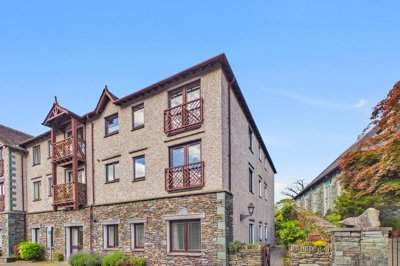
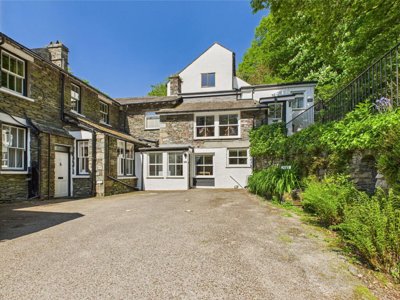
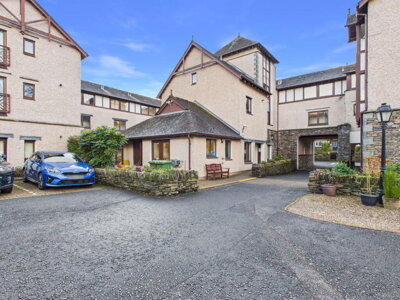
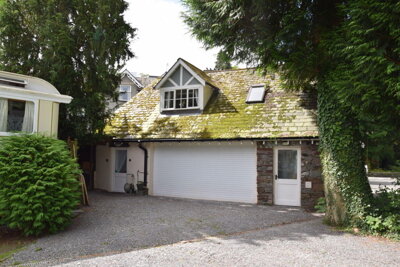
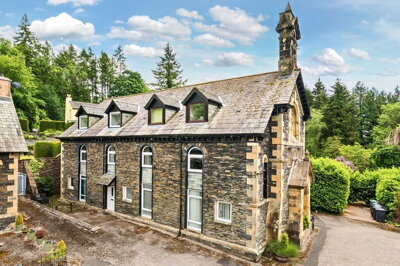
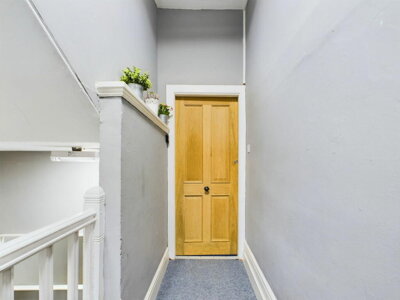
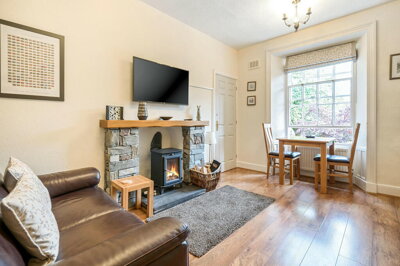
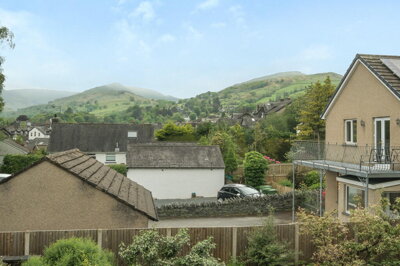
Browse 8 homes for sale in Lakes, Westmorland and Furness from local estate agents.
One bed apartments provide a separate bedroom alongside distinct living space, bathroom, and kitchen areas. Properties in Lakes are available in various building types including mansion blocks, contemporary developments, and house conversions.
£185k
2
0
313
Source: home.co.uk
Showing 2 results for 1 Bedroom Flats for sale in Lakes, Westmorland and Furness. The median asking price is £184,975.
Source: home.co.uk
Flat
2 listings
Avg £184,975
Source: home.co.uk
Source: home.co.uk
The Lake District market is shaped by two things at once, the area's exceptional scenery and the day-to-day realities of buying within a National Park and UNESCO World Heritage Site. Detached homes sit at the top end, with an average of around £1,127,895, while semi-detached properties come in at approximately £558,750. Terraced houses provide a more reachable route in at about £433,125, and flats typically begin from £303,970. That spread gives buyers genuine choice, from modest starter homes to substantial country houses in our listings.
Over the past 12 months, values across all property types have moved steadily, with growth of around 1.0% to 1.35%. That points to consistent demand, even with the development limits that come with National Park boundaries. Around 1,000 sales have been recorded across the area in the last year, spanning everything from traditional stone cottages in conservation villages to newer schemes such as Hawkshead Gardens. New build stock is still relatively scarce, largely because planning rules are tight in order to protect the landscape.
There is a solid spread of property types across the Lake District. Census figures for the area show about 28.5% detached homes, 28.1% semi-detached, 24.5% terraced, and 18.2% flats and apartments. Buyers can be looking for a compact weekend base or a larger family home and still find options here, though the best village properties often attract strong competition. We use our local knowledge to help spot openings before they land on the main portals.

Across the Lake District National Park, roughly 42,000 permanent residents live in around 18,000 households. Even with the steady flow of visitors, communities tend to feel friendly and well rooted. Life here is framed by high fells, clear lakes and old woodland, with places as lively as Keswick and Ambleside sitting alongside villages such as Grasmere and Hawkshead. Outdoor pursuits, cultural attractions and traditional hospitality are woven into everyday life, so the area can feel a bit like being on holiday all year round.
Tourism is the main engine of the local economy, supporting hotels, guesthouses, restaurants and outdoor activity businesses across the region. Its success has a sharper side too, because demand from second-home owners and holiday let investors has pushed affordability further out of reach for many local residents and key workers. The housing stock is full of character, not least because 36.6% of homes were built before 1919, often in traditional Lake District stone and slate. That pairing of historic buildings and remarkable scenery gives many neighbourhoods a distinct identity that is hard to match anywhere else.
There is more to the local economy than tourism. Agriculture remains important, especially sheep and cattle farming, alongside public sector work with the National Park Authority and NHS, and an growing number of remote workers who have moved for the lifestyle. Small firms do well too, from artisan food and drink producers to outdoor adventure operators. Affordability is still a serious issue for local people, so anyone buying here should think about the effect second homes can have on close communities. We always encourage buyers to consider how a purchase can support, rather than strain, the local market and community spirit.

For families, schooling options stretch across the Lake District at both primary and secondary level, serving local villages as well as wider catchments in this spread-out landscape. Primary provision is strong through village schools and larger town schools in places such as Ambleside, Keswick and Windermere. Close community links are often a real strength, and class sizes can be smaller than in bigger urban schools. For some families, that more personal feel is a major draw.
At secondary level, families often look at places such as Quest College in Penrith, which takes pupils from the southern Lake District, and Keswick School, an established option with strong academic results and very good facilities. Windermere School covers both primary and secondary education in the centre of the lake town, which can make day-to-day logistics easier. On the independent side, St. Bees School on the western edge of the region offers a traditional setting with strong pastoral care.
Older students have access to further and higher education through colleges in Carlisle and Lancaster, and regular bus services make commuting a realistic option. That helps make the Lake District a workable choice for families who want rural living without giving up on strong academic opportunities. Still, distances matter here. Because settlements are dispersed, travel times and school catchments need careful checking before you commit to a location. We can help map out which areas sit within the catchments that best match your family's needs.

Despite its rural feel, the Lake District is better connected than many buyers expect. The M6 runs along the eastern side of the area and gives direct access to Manchester, Liverpool and the wider motorway network in approximately 90 minutes from the southern gateway towns. Rail links from Penrith, Oxenholme (Kendal) and Carlisle provide regular services to London Euston, with journeys from the southern edge of the region typically taking around three hours. For buyers who only need to commute now and then, or visit family elsewhere, that accessibility can make a real difference.
Inside the National Park, the road network is shaped by a few key routes. The A591 links Windermere, Ambleside and Grasmere on one of the best-known scenic roads in the area, while the A66 runs east to west through Keswick towards the coast. The A592 connects Kendal and Penrith by way of Ullswater. Stagecoach and other operators run useful bus services for residents and visitors alike, including the well-known 555 route from Lancaster to Keswick through the centre of the Lakes. Even so, having a car is still a big advantage in many communities, especially for independent travel into the fells.
Getting around is not only about roads. Cycling provision has improved across the region, and routes such as the Coast to Coast and Ullswater Way draw riders from all over the country. The Haverthwaite to Lakeside steam railway gives the transport picture a more nostalgic edge, and the Rheged Centre near Penrith doubles as a practical hub for shopping and events. Remote workers should be aware that superfast broadband now reaches most towns and larger villages, although some isolated homes can still be harder to serve. We always suggest checking speeds at any property under consideration, because that is now central to modern rural living.

Before you commit, it is worth spending proper time on the question of place. The Lake District contains communities with very different rhythms, from busy tourist towns to quieter farming villages, and the right fit depends on how you want to live. Schools, transport links and everyday amenities all matter, and in a competitive market it also helps to have a mortgage agreement in principle ready before viewings start.
Our listings cover homes across the Lake District, and you can narrow them by property type, price range and location. Once a few stand out, contact the estate agents and line up viewings quickly. In popular villages, the best properties do not sit around for long and may draw interest from several buyers at once. We can also flag new listings before they go public, which can be a useful edge in a market like this.
Before you get to completion, we strongly advise booking a RICS Level 2 Survey. In the Lake District that matters even more, because so much of the stock is made up of older stone-built homes and listed buildings where issues with fabric, roof structure or damp penetration are not unusual. Our inspectors know the local construction styles and the defects that regularly appear in traditional Lake District properties. Costs in the area are usually between £450 and £900, depending on size and complexity.
The legal side needs the right specialist too. We recommend appointing a conveyancing solicitor who knows rural and National Park property, as they will need to carry out searches, review title deeds and check that planning permissions exist for any alterations or extensions. Homes in the National Park often come with planning restrictions and ownership histories that are not straightforward. Our recommended solicitors handle Lake District transactions regularly and can advise on matters ranging from listed building consents to rights of way.
Once the searches are back, the finances are in place and everything is satisfactory, your solicitor can exchange contracts and set a completion date. On completion day, the balance is transferred and the keys are released for your new Lake District home. One practical point matters here, make sure buildings insurance is arranged from exchange, as most mortgages require it.
Anyone buying in the Lake District should get comfortable with the way traditional homes here were built. It helps explain both the appeal and the ongoing maintenance that can come with ownership. Local stone is the dominant material, varying by location but commonly including greywacke, granite, sandstone and different volcanic rocks, all of which reflect the area's complex geology. Many buildings made from these materials are centuries old. They have lasted exceptionally well, but they do not behave like modern brick or concrete houses.
Roofing tells its own local story. Westmorland green slate and Burlington slate are widely used across the region, giving many traditional buildings their familiar dark grey-green finish. These slates are durable, though they can also be brittle, so single slates sometimes need replacing after storm damage or general wear. Lead flashings are another common feature and should be inspected carefully for deterioration, because once they fail, water ingress can follow. Our surveyors pay close attention to these details on inspections in the area.
Older cottages and farmhouses across the Lake District often have render or roughcast over stone or rubble walls, adding a layer of weather protection. If those finishes crack or fail, moisture can become trapped and start affecting the structure beneath. Historic homes also frequently include timber-framed features, from doors and windows to structural beams, and these may need ongoing painting, treatment or replacement. Knowing how these buildings are put together makes it easier to budget realistically for the upkeep traditional Lake District properties demand.
Flood risk deserves very close attention in the Lake District. Mountainous topography, high rainfall and a dense river network mean both river flooding and surface water flooding can be a problem. Keswick, Cockermouth, Kendal and Glenridding have all seen severe flooding in recent years, and homes in valley bottoms or close to watercourses can be especially exposed. Any property near the Derwent, Eden, Kent and Lune rivers, or their tributaries, should be checked carefully for flood history and suitable insurance options.
Planning controls can have a major impact on what buyers are able to do with a property. Because listed buildings and conservation areas are so common, permitted development rights and renovation choices may be far more limited than expected. The Lake District National Park includes substantial conservation areas in Ambleside, Grasmere, Hawkshead, Keswick, Coniston and Windermere, and Cumbria has over 6,000 listed buildings. If a property falls within one of these designations, or is listed as Grade I, Grade II, or Grade II*, external works will need consent, which can alter both budgets and timescales. We can talk through the permissions that may be needed before you put in an offer.
Buyers also need to plan for the maintenance that comes with older stock, especially where traditional stone walls, slate roofs and timber-framed elements are involved. On subsidence, the overall shrink-swell risk in the Lake District is usually low because clay soils are not the main surface geology. There are local exceptions, though. Some valley-bottom areas contain glacial till with a higher clay content, and homes on those deposits may face moderate risk, particularly in periods of drought or saturation. A detailed survey should pick up any signs of subsidence or wider structural movement that need attention.

Recent market data puts the average house price in the Lake District National Park at approximately £537,753. Detached homes average £1,127,895, semi-detached properties around £558,750, terraced houses approximately £433,125, and flats start from £303,970. Over the past 12 months, prices have risen by around 1.35%, and roughly 1,000 sales have been recorded during that same period. Even with the limits imposed by National Park status, the market has remained steady.
Council tax here is set by Westmorland and Furness Council, covering the former South Lakeland District and Copeland Borough Council areas. Bands run from A to H. In villages such as Ambleside, Grasmere and Hawkshead, many typical family homes sit in bands C to E, while larger period houses or properties with extensive grounds may fall higher. Before exchange, we always suggest checking the exact band through the council's online portal or the property's official records.
School choices are one of the practical reasons many families look seriously at the Lake District. Primary provision includes Ambleside Primary School, while Keswick School covers secondary education as well, and Windermere School is another established option. Independent choices include St. Bees School on the western edge of the region and Leeholme School. For further education, Quest College in Penrith serves students from the southern Lake District. We recommend checking current Ofsted ratings and visiting in person where possible, so you can weigh performance, atmosphere and distance from your chosen property.
Rail access comes via Penrith, Oxenholme (Kendal) and Carlisle, with regular services to London and the main cities of the North. From Oxenholme, trips to London Euston are approximately three hours. Within the National Park, Stagecoach buses link the bigger towns and villages, including the popular 555 service between Lancaster and Keswick. The Haverthwaite to Lakeside steam railway is more scenic than practical for most day-to-day travel, but it remains part of the area's transport picture. For remote villages and independent access to the fells, a car still makes life much easier.
Demand is likely to stay strong because the Lake District combines National Park status with UNESCO World Heritage Site recognition, and buyers continue to value that quality of life. The tourism economy supports a healthy holiday-let market, while restricted new supply helps underpin values. That said, the local affordability crisis is real, and second-home buying has wider consequences in smaller communities. We always encourage buyers to look beyond returns alone and think carefully about how a property will be used and what that means for the people already living here.
Stamp duty starts at 0% on properties up to £250,000, then rises to 5% on the portion from £250,001 to £925,000. Above £925,000, the rates move to 10% and then 12% on sums over £1.5 million. First-time buyers get relief up to £425,000, paying 0% on the first £425,000 and 5% between £425,001 and £625,000. We always advise checking the latest position with HMRC, because thresholds can change, and these costs need to sit alongside solicitor fees and survey charges in your budget.
In this part of the country, flood risk cannot be treated as a minor point. The combination of steep terrain, high annual rainfall and an extensive river system means vulnerability is built into the landscape, especially in valley bottoms and near watercourses. Keswick, Cockermouth, Kendal and Glenridding have all been hit by severe flooding, and heavy rain can also trigger rapid surface water flooding because of the steep topography and impermeable rock. We strongly recommend ordering a flood risk report, checking the property's history with the Environment Agency, and confirming that suitable buildings insurance will be available at a reasonable cost before completion.
Across Cumbria there are over 6,000 listed buildings, and a large share of them sit within the Lake District National Park because the region's architectural heritage is so rich. The range is wide, from Victorian hotels and large country houses to farmworkers' cottages and even traditional dry stone walls. Listed status, whether Grade I, Grade II, or Grade II*, brings legal protection as well as restrictions on alteration, renovation and some maintenance work. Any changes will require consent from the Lake District National Park Authority, so buyers need to allow for that in both budget and timing. We can help explain what listed building consent may be needed for the works you have in mind.
From £450
A detailed inspection of the property condition, essential for Lake District homes
From 4.5%
Finance your Lake District property purchase
From £499
Legal services for your property transaction
From £85
Energy performance certificate for your property
Extra buying costs need planning from the outset. SDLT follows the national bands, 0% on the first £250,000, 5% on the portion from £250,001 to £925,000, 10% on amounts between £925,001 and £1.5 million, and 12% on any value above £1.5 million. First-time buyers have higher thresholds, paying 0% on the first £425,000 and 5% between £425,001 and £625,000, although that relief falls away above £625,000. For most purchases in the Lake District, it is sensible to budget on the basis of standard-rate SDLT.
Then there are the other transaction costs. Solicitor fees usually fall between £500 and £1,500 depending on complexity, with disbursements added for searches, including drainage and water searches that can be particularly relevant for rural property. A RICS Level 2 Survey in the Lake District is commonly around £450 to £900+, and larger or older homes will often cost more because they need a closer inspection. Since 36.6% of local properties pre-date 1919, many traditional stone-built houses sit towards the upper end of that range. Buildings insurance should be in place from exchange of contracts, and mortgage arrangement fees may need to be factored in as well.
A methodical budget helps keep the buying process free of nasty surprises. We suggest getting quotes for each service before you begin and holding back a contingency fund for unplanned costs, especially with older properties where surveys can uncover extra work. Our team can talk you through the typical figures for the area and point you towards trusted local professionals who know the particular demands of Lake District property transactions.

Properties for Sale In London

Properties for Sale In Plymouth

Properties for Sale In Liverpool

Properties for Sale In Glasgow

Properties for Sale In Sheffield

Properties for Sale In Edinburgh

Properties for Sale In Coventry

Properties for Sale In Bradford

Properties for Sale In Manchester

Properties for Sale In Birmingham

Properties for Sale In Bristol

Properties for Sale In Oxford

Properties for Sale In Leicester

Properties for Sale In Newcastle

Properties for Sale In Leeds

Properties for Sale In Southampton

Properties for Sale In Cardiff

Properties for Sale In Nottingham

Properties for Sale In Norwich

Properties for Sale In Brighton

Properties for Sale In Derby

Properties for Sale In Portsmouth

Properties for Sale In Northampton

Properties for Sale In Milton Keynes

Properties for Sale In Bournemouth

Properties for Sale In Bolton

Properties for Sale In Swansea

Properties for Sale In Swindon

Properties for Sale In Peterborough

Properties for Sale In Wolverhampton

Enter your details to see if this property is within your budget.
Loans, cards, car finance
Estimated property budget
Borrowing + deposit
You could borrow between
Typical borrowing
Monthly repayment
Est. at 4.5%
Loan-to-value
This is an estimate only. Your actual budget may vary depending on interest rates, credit history, and personal circumstances. For an accurate affordability assessment, speak to one of our free mortgage advisors.
This calculator provides estimates for illustrative purposes only and does not constitute financial advice. Your home may be repossessed if you do not keep up repayments on your mortgage. Estimates based on 4.5% interest rate, repayment mortgage. Actual rates depend on your circumstances.
Homemove is a trading name of HM Haus Group Ltd (Company No. 13873779, registered in England & Wales). Homemove Mortgages Ltd (Company No. 15947693) is an Appointed Representative of TMG Direct Limited, trading as TMG Mortgage Network, which is authorised and regulated by the Financial Conduct Authority (FRN 786245). Homemove Mortgages Ltd is entered on the FCA Register as an Appointed Representative (FRN 1022429). You can check registrations at NewRegister or by calling 0800 111 6768.

We use cookies to show you personalised content and improve your experience of our website. Find out more in our Privacy policy and Cookie policy.