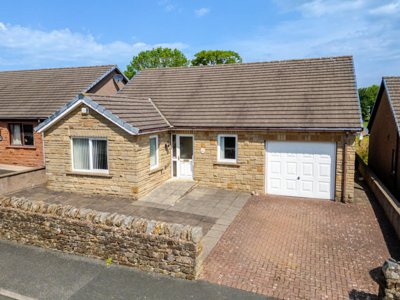
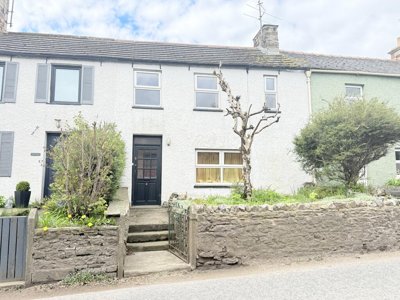
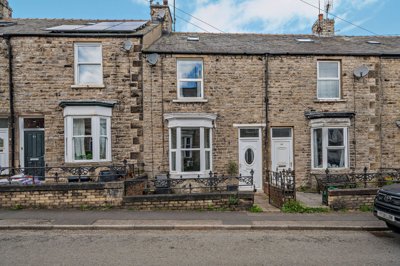
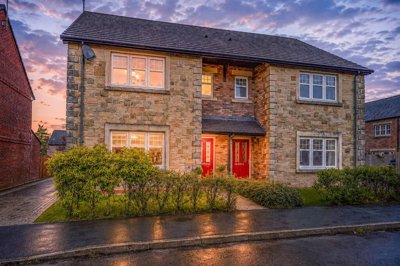
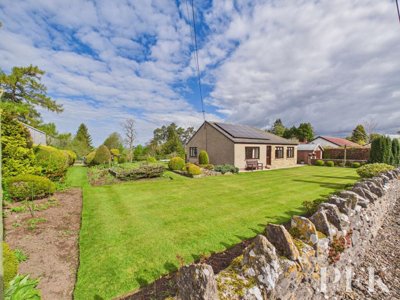
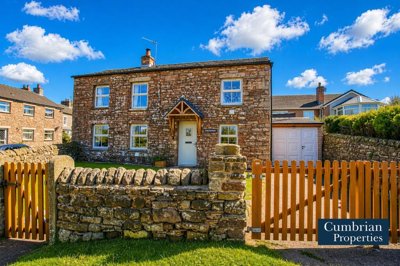
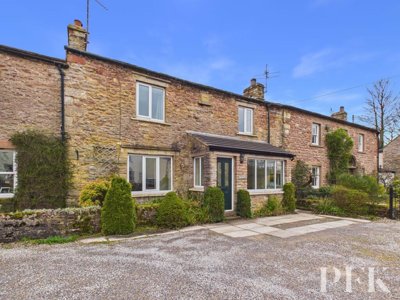
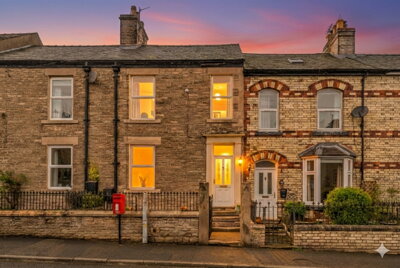
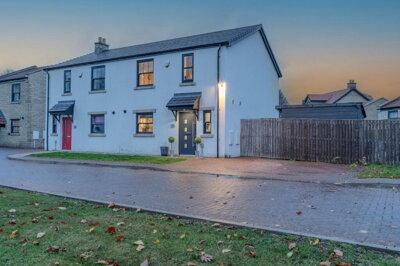
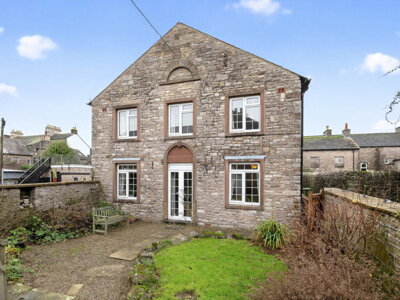
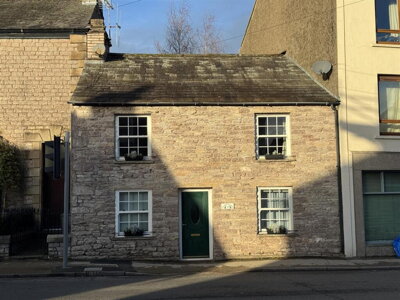
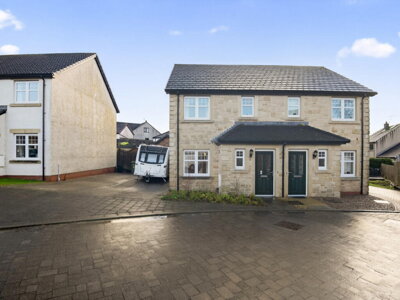
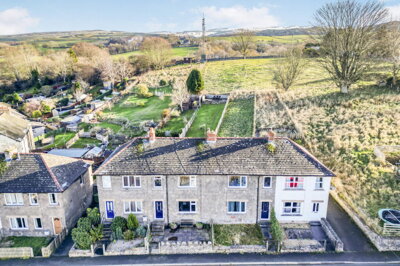
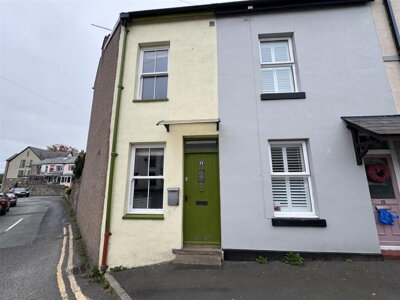
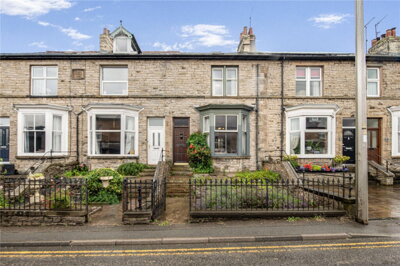
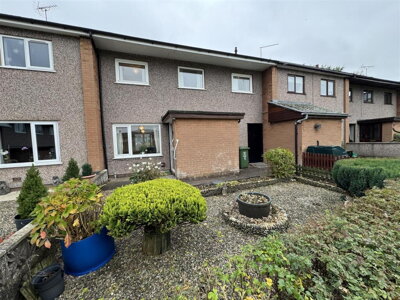
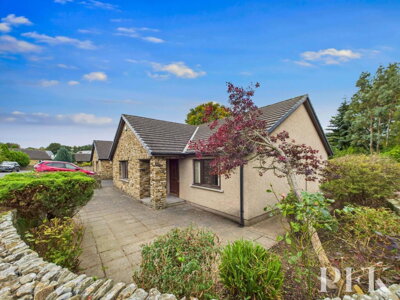
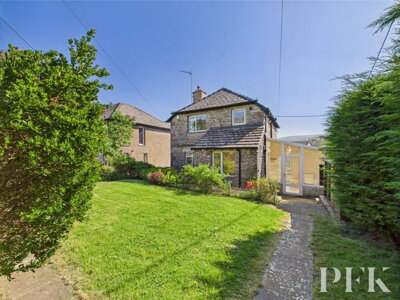
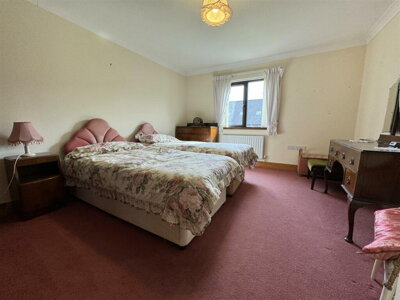
Browse 23 homes for sale in Hartley from local estate agents.
Three bedroom properties represent a significant portion of the Hartley housing market, offering space for families with multiple reception rooms and gardens in many cases. Browse detached, semi-detached, and terraced options ranging from period character homes to contemporary developments.
Hartley’s property market mirrors the wider Westmorland and Furness picture, where the average house price in December 2025 stood at £228,000. Prices in Hartley have held up well too, rising 5% over the past year, even though they are still 6% below the 2023 peak of £189,782. That kind of reset can open a door for buyers looking for value in a market that has long been seen as solid. The village draws people who want space, character, and access to outstanding scenery more than city-centre convenience.
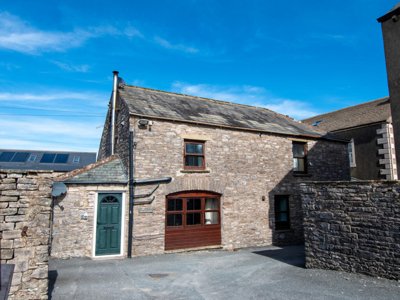
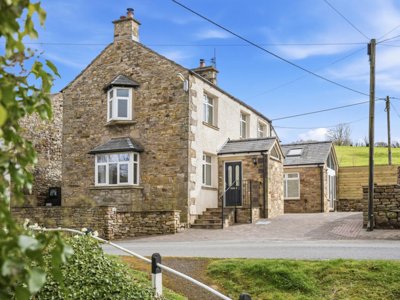
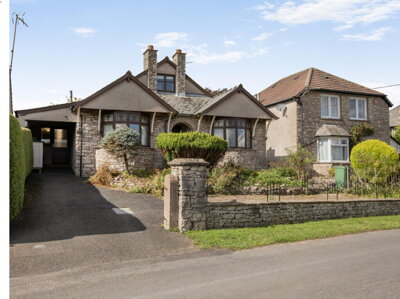
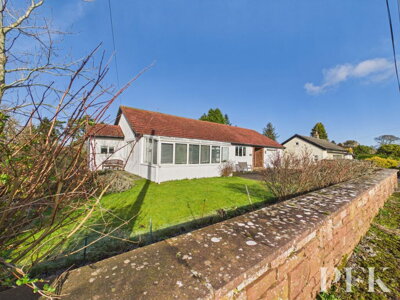
In Hartley and the surrounding area, the housing stock is a familiar Cumbrian mix, with stone cottages, semi-detached family homes, and terraces shaped by centuries of local building practice. Flats average around £83,046, which gives first-time buyers, and those eyeing a holiday let, a lower-cost way in. Across Westmorland and Furness, detached homes average £386,000, semi-detached properties sit at £247,000, and terraces at £185,000, a clear sign that larger homes with gardens command a premium in this landscape.
New building activity in Hartley is very limited, and recent planning checks have not turned up any large-scale schemes. What has appeared is modest, for example conversions of agricultural buildings, including stables, into homes. For buyers, that means much of the available stock has genuine age and character, but it also means budgeting for maintenance on older fabric. Anyone wanting modern specification may need to widen the search to places such as Penrith or Appleby-in-Westmorland.

Hartley captures the feel of rural Cumbrian life, with a calm setting and broad countryside all around. It sits in the historic county of Westmorland, where the Pennines and the Lake District fells often dominate the horizon. Farming was once central here, alongside the lead and copper mining that shaped the district for years, and abandoned workings still dot the hillsides. Today, many residents work in professional roles, helped by the rise of remote working.
The local look is unmistakably Cumbrian, and the buildings around Hartley reflect that. Builders used materials close to hand, including Lakeland Green Slate, red sandstone from the Eden Valley, and river cobbles from nearby watercourses. Traditional walls were often finished with rough-cast cement render, lime mortar, and lime plaster, all of which help a building breathe and manage moisture better than more impermeable modern alternatives. Centuries-old structures, including the historic Hartley Castle complex, give the village a street scene that feels rooted in its setting.
Hartley itself has limited amenities, which is no surprise for a small village, but Kirkby Stephen, the nearby market town, covers the basics with supermarkets, independent shops, pubs, and restaurants. The Eden Valley is good territory for walking and cycling, with public rights of way cutting across farmland and open moorland. Local life tends to revolve around parish events, the church, and the country pub. For bigger days out, the Howgill Fells and Yorkshire Dales National Park are close by, which is why walkers and cyclists are so often drawn here.

For families, schooling is centred on Kirkby Stephen and Appleby-in-Westmorland. There are primary options in surrounding village schools, and Kirkby Stephen’s primary school serves the wider community. Smaller rural schools can be a real strength, with close teacher-pupil relationships and strong local links, though parents should still check the latest Ofsted ratings and think carefully about transport. Secondary choices lie in the nearby towns, while some families opt for independent schools in Penrith or further afield.
Educationally, Westmorland and Furness performs reasonably well, with a number of schools holding Good or Outstanding Ofsted ratings. Even so, parents should look at the detail for each school and check catchment boundaries, since admissions for popular rural schools can be competitive. Sixth form study is available at secondary schools in the larger towns, and further education colleges in Penrith and Carlisle offer a broad spread of vocational and academic courses. School transport matters here too, because journeys across Cumbria can be lengthy.

Hartley’s transport links reflect its rural Cumbrian setting, so most day-to-day travel depends on private cars. The village is near the A685, which links to Kendal and then the M6 motorway to the south, while trans-Pennine routes through Kirkby Stephen connect into the wider road network. By car, Penrith is usually around 45 minutes away, and its West Coast Main Line station provides rail access to Edinburgh, Glasgow, London, and Birmingham. The A66 gives another route east towards the A1(M) and Newcastle upon Tyne.
Bus services do exist from Hartley, with links to Kirkby Stephen and Appleby-in-Westmorland, but the timetable is very much rural, so gaps of several hours are normal. The Settle-Carlisle railway line runs through the area, and stations at Kirkby Stephen and Garsdale keep alive one of Britain’s most scenic rail routes, connecting Leeds, Settle, and Carlisle. Plenty of residents blend home working with the occasional commute, taking advantage of the quiet for focused work and then travelling to regional centres for meetings. Local taxi firms fill some of the gaps when buses do not fit.

Browse the current listings and it soon becomes clear that Hartley and the surrounding villages have limited stock. Nearby Kirkby Stephen and Appleby-in-Westmorland are worth considering as well. The village average sits at £178,122, while detached homes in the wider Westmorland and Furness area reach £386,000, so the gap is not small.
A mortgage agreement in principle should be sorted before viewings begin. It shows sellers and agents that you are serious, and it gives you a clearer idea of the budget you can actually work with. Rural properties often attract competitive lending from both local and national lenders, although buy-to-let purchases or non-standard construction can mean a specialist product is needed.
Seeing Hartley in person is worthwhile. Walk the village, check how long it takes to reach everyday services, and judge each property on site rather than through photos alone. Older stone buildings often need attention, so condition matters. A RICS Level 2 survey is sensible on every purchase, especially with many homes in the area being older and the 28% non-decent homes rate in the Westmorland and Furness area.
We would always arrange a Level 2 Homebuyer Report before exchange. Surveyors will look for the defects that often turn up in traditional Cumbrian buildings, such as damp, roof problems, structural movement, and timber decay. Costs usually start at £384 for properties under £200,000 and rise to around £586 for homes above £500,000, with larger or more remote properties sometimes costing more.
Legal work should be handled by a solicitor who knows Cumbrian property transactions. That covers searches, contract work, and the exchange itself. For Hartley, the searches need to take account of the old lead and copper mining history, rural drainage arrangements, and the planning record for older buildings, including any listed structures.
Once the surveys and searches come back satisfactorily, contracts are exchanged and a completion date is fixed. On completion day, the money moves and the keys to your new Hartley home are handed over. After that, we would notify the utility providers, update banks and insurers, and get registered with local services.
Age and construction style mean Hartley properties deserve close inspection. The use of local stone, lime mortar, and traditional render generally makes these buildings sturdy, but they need regular maintenance with the right materials. Watch for damp, since that can appear where modern double-glazing or insulation has been fitted without enough ventilation. Roofs are another point to check, particularly where older coverings have been replaced with heavier modern tiles that may stress the structure.
Hartley’s mining past, particularly the lead and copper extraction, is something buyers cannot ignore. Our solicitor should carry out mining searches to see whether historic workings lie beneath the property or nearby. Subsidence is not inevitable, but former mining land should be assessed by a surveyor who understands ground stability. The RICS Level 2 survey will also look for cracking, sticking doors and windows, and uneven floors, all possible signs of movement.
Older Cumbrian homes can be a challenge on energy use. Many were built with solid walls and single-glazed windows, so they are harder to heat than newer stock. It is worth looking for houses that have been upgraded sympathetically, because clumsy modern changes can trap moisture in breathable traditional walls. Listed buildings, and properties in conservation areas, may face restrictions on what can be altered, so the local planning authority should be checked before any purchase that needs major work.
Housing condition data shows a 28% rate of non-decent homes across Westmorland and Furness, which points to familiar issues such as damp, faulty wiring, and structural defects in the local stock. A RICS Level 2 survey gives a proper inspection of accessible areas, including roofs, walls, floors, bathrooms, and services, and it flags anything needing attention. In a village like Hartley, where many homes pre-date modern building regulations, that sort of check is invaluable when judging the true condition of a purchase and planning repair costs.

According to homedata.co.uk, the average house price in Hartley over the past year was £178,122. Semi-detached properties averaged £176,100, terraced homes £135,562, and flats around £83,046. In the wider Westmorland and Furness area, the December 2025 average stood at £228,000, with detached homes averaging £386,000 and semi-detached homes £247,000. Hartley prices have risen 5% year-on-year, but they are still 6% below the 2023 peak of £189,782.
Hartley sits within the Westmorland and Furness council area, so properties there fall into council tax bands A through H depending on value. Because the village contains everything from small terraced cottages to substantial stone farmhouses, the banding varies quite a bit. For exact band details, contact Westmorland and Furness Council directly or use the Valuation Office Agency website. Terraced homes usually sit in the lower bands, while larger detached farmhouses can end up much higher.
Primary schooling for Hartley families comes from local village schools and Kirkby Stephen Primary School, with good Ofsted ratings seen across the district. Secondary places are available in Kirkby Stephen and Appleby-in-Westmorland, though parents should check current performance data and review catchment areas carefully. Rural schools often have smaller class sizes, which many families value, but school transport needs to be thought through because journeys across Cumbria can be long. For older pupils, Kirkby Stephen Grammar School serves the local community with a range of GCSE and A-level subjects.
Public transport is limited in Hartley, which fits the village’s small rural scale. Bus routes link it with nearby towns including Kirkby Stephen and Appleby-in-Westmorland, but frequencies are low. The Settle-Carlisle railway line serves Kirkby Stephen station, giving scenic connections to Leeds, Settle, and Carlisle through some of Britain’s best-known railway viaducts and tunnels. Most residents still depend on private cars, while Penrith, the nearest major station, offers West Coast Main Line services to London, Birmingham, Glasgow, and Edinburgh.
Hartley and the wider Westmorland and Furness area can be a sensible choice for buyers who value lifestyle more than high rental yields. Prices are still accessible next to the national average, and the combination of scenery, heritage, and outdoor activities keeps demand steady from people looking for rural retreats, holiday lets, or retirement homes. The shortage of new build supply should help existing character properties hold their value. Even so, the 28% non-decent homes rate across the wider area means maintenance costs are a real possibility, so a full survey before purchase is well worth it.
For 2024-25, stamp duty land tax is charged at 0% on the first £250,000 of residential purchases, 5% on £250,001 to £925,000, 10% on £925,001 to £1.5 million, and 12% on anything above £1.5 million. First-time buyers get relief on the first £425,000, with 5% payable between £425,001 and £625,000. At Hartley’s average price of £178,122, most buyers would pay no stamp duty at all, though higher-value homes in the wider area would still fall under these rates.
Given the age and traditional build of most Hartley homes, RICS Level 2 surveys are usually the right fit. Surveyors will check for the kind of issues that often affect Cumbrian stone buildings, including damp linked to traditional lime mortars and renders, roof condition because of the slate and local stone used, and any sign of structural movement or subsidence connected to the mining history. Costs are typically £384 for properties under £200,000 and around £586 for homes above £500,000, with remote rural locations sometimes attracting a premium because of surveyor travel time.
Buying in Hartley involves more than the purchase price. Stamp duty land tax, which is paid to HM Revenue and Customs on completion, depends on the price and on buyer status. At the Hartley average of £178,122, standard buyers would pay no stamp duty because the full amount sits within the nil-rate band. First-time buyers purchasing homes up to £625,000 get extra relief, so they pay nothing on purchases up to £425,000 and only 5% on the slice between £425,001 and £625,000.
Conveyancing fees from a solicitor for a Hartley purchase usually begin at around £499 for straightforward cases, though listed buildings, unusual title arrangements, or mining-related searches will push the cost up. Searches for Westmorland and Furness typically include drainage and water checks, environmental searches that may reveal historical mining activity, and planning searches for the property and nearby land. Our solicitor should also carry out local authority searches with Westmorland and Furness Council to pick up any planning proposals or restrictions that might affect the home.
It is wise to build survey costs into the budget. RICS Level 2 surveys are recommended for every Hartley purchase because most homes are older and traditionally built. National average fees range from £384 for properties under £200,000 to £586 for homes above £500,000, and rural addresses can cost more because of surveyor travel time. On top of that, there are mortgage arrangement fees, building insurance from completion day, and moving costs. Setting aside a contingency fund of around 10% of the purchase price is sensible, especially if surveys or legal searches reveal unexpected work on an older rural property.

Properties for Sale In London

Properties for Sale In Plymouth

Properties for Sale In Liverpool

Properties for Sale In Glasgow

Properties for Sale In Sheffield

Properties for Sale In Edinburgh

Properties for Sale In Coventry

Properties for Sale In Bradford

Properties for Sale In Manchester

Properties for Sale In Birmingham

Properties for Sale In Bristol

Properties for Sale In Oxford

Properties for Sale In Leicester

Properties for Sale In Newcastle

Properties for Sale In Leeds

Properties for Sale In Southampton

Properties for Sale In Cardiff

Properties for Sale In Nottingham

Properties for Sale In Norwich

Properties for Sale In Brighton

Properties for Sale In Derby

Properties for Sale In Portsmouth

Properties for Sale In Northampton

Properties for Sale In Milton Keynes

Properties for Sale In Bournemouth

Properties for Sale In Bolton

Properties for Sale In Swansea

Properties for Sale In Swindon

Properties for Sale In Peterborough

Properties for Sale In Wolverhampton

Enter your details to see if this property is within your budget.
Loans, cards, car finance
Estimated property budget
Borrowing + deposit
You could borrow between
Typical borrowing
Monthly repayment
Est. at 4.5%
Loan-to-value
This is an estimate only. Your actual budget may vary depending on interest rates, credit history, and personal circumstances. For an accurate affordability assessment, speak to one of our free mortgage advisors.
This calculator provides estimates for illustrative purposes only and does not constitute financial advice. Your home may be repossessed if you do not keep up repayments on your mortgage. Estimates based on 4.5% interest rate, repayment mortgage. Actual rates depend on your circumstances.
Homemove is a trading name of HM Haus Group Ltd (Company No. 13873779, registered in England & Wales). Homemove Mortgages Ltd (Company No. 15947693) is an Appointed Representative of TMG Direct Limited, trading as TMG Mortgage Network, which is authorised and regulated by the Financial Conduct Authority (FRN 786245). Homemove Mortgages Ltd is entered on the FCA Register as an Appointed Representative (FRN 1022429). You can check registrations at NewRegister or by calling 0800 111 6768.

We use cookies to show you personalised content and improve your experience of our website. Find out more in our Privacy policy and Cookie policy.