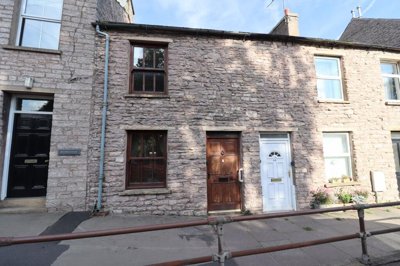
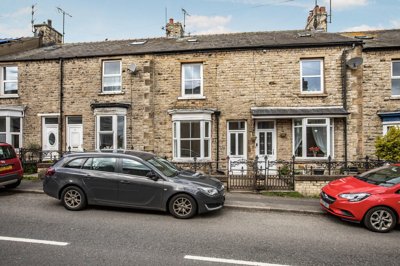
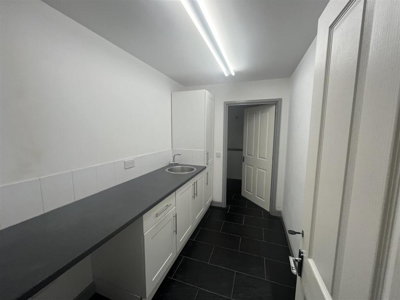
Browse 3 rental homes to rent in Hartley from local letting agents.
Hartley’s rental market sits within the wider Westmorland and Furness picture, where the average house price reached £228,000 in December 2025. That wider figure covers every property type across the local authority, but in Hartley the stock leans towards period homes and older Cumbrian houses. Recent sales data for the village puts semi-detached properties at £176,100, terraced homes at around £135,562, and flats at about £83,046. Those numbers give a useful sense of value on the ground, though actual rents will still move with market conditions, the state of the property, and each landlord’s approach to pricing.
Over the past year, our data shows house prices in Hartley rising by 5%, yet they are still 6% below the 2023 peak of £189,782. That kind of steadiness points to a balanced market, with properties broadly holding their value, which can work for both tenants and landlords. There has been no large-scale new build activity in the village, so the rental stock is mainly made up of existing homes, many of them older period properties. That helps preserve Hartley’s character, although it also means availability can be thin, so early enquiries make sense if this is the exact spot you want.
Across the wider Westmorland and Furness local authority, detached homes average £386,000, semi-detached properties £247,000, terraced homes £185,000, and flats and maisonettes £133,000. The spread shows the premium attached to larger family homes in this attractive part of Cumbria. In rural villages such as Hartley, rents often follow the value of the property itself, so stone cottages can attract higher asking rents because of their setting and character, not simply because of floor area.

Hartley offers a proper glimpse of rural Cumbrian life, with a population of around 138 residents at the 2011 census. It is the sort of place where people recognise one another, local gatherings matter, and day-to-day life moves at a measured pace. The village sits within the historic parish of Hartley, home to the notable Hartley Castle, originally a tower house from approximately 1353, later extended around 1600, and redeveloped in the 18th century. Landmarks like this speak to the area’s deep roots and the architectural history woven through the village.
The surrounding Westmorland and Furness landscape shifts from the flat coastal plains of Morecambe Bay to the fells of the Lake District and the rolling countryside of the Eden Valley. Hartley sits close enough to that variety to make walking, cycling, and general exploring easy to build into everyday life. The local economy once depended heavily on agriculture, along with coal, lead, and copper mining, and the abandoned mine sites now stand as quiet reminders of that industrial past. These days, professional roles are prominent in the employment mix, while skilled trades still play an important part in local life.
Hartley’s 2011 census profile pointed to a workforce centred on professional occupations, with skilled trades also appearing strongly among male residents. That lines up with the kind of work the area supports, where building maintenance, agricultural jobs, and specialist conservation skills carry real value. The Eden Valley around Hartley provides productive farmland, while the Lake District nearby helps sustain tourism-linked employment for those looking beyond the traditional sectors.

Families looking to rent in Hartley have schools within a sensible travelling distance across Westmorland and Furness. Because the village is small, primary education is usually accessed through nearby schools in surrounding villages and towns, with the closest primaries serving the local area. For secondary education, larger places such as Kirkby Stephen offer a wider curriculum and extracurricular options. Catchment boundaries and admission rules need checking carefully, since places can be competitive in popular rural spots.
Schools across the Westmorland and Furness local authority vary in standards, with Ofsted ratings differing from one institution to the next. Before committing to a rental, families should visit likely schools, speak to staff, and get a clear picture of the admissions process. Older children may also look to nearby colleges and sixth form centres for academic or vocational routes. In rural areas, transport for pupils often depends on local bus services, so travel time and cost should be part of the decision when weighing up homes in Hartley.
Nearby primary schools often cover several villages, so children may travel by school bus to the nearest place with spaces. Secondary pupils from Hartley commonly go to schools in Kirkby Stephen, where bus services run along the main routes through the Eden Valley. For families who put school access first, homes on roads heading towards Kirkby Stephen may give more dependable transport links than more isolated cottages.

Transport here reflects Hartley’s rural Cumbrian setting, and most residents depend on private vehicles for commuting and everyday errands. The village is within a practical driving distance of key routes, including the A66 and the wider Cumbrian road network. Anyone working in Penrith or Carlisle will need to plan journeys, but those roads do open up more employment options. Even so, the views along local routes can soften the longer drive.
Bus services in rural Cumbria do connect villages with market towns, though the timetable is far less frequent than in urban areas. The nearest railway stations are in larger settlements, giving access to the national rail network for longer trips. For people working from home, or simply wanting to cut back on travel, Hartley’s quiet setting can be a strong base. Walkers and cyclists also benefit from public footpaths and calm country lanes, which makes life without a car possible for those whose needs stay local. Transport needs matter here, and they should be weighed up carefully.
The A66 corridor is the main road artery through this part of Cumbria, linking Hartley to the M6 motorway via Penrith for those who need motorway access. By car, the journey to Penrith takes approximately 40 minutes, bringing larger supermarkets, healthcare services, and the West Coast Main Line station within reach. For tenants working remotely, ultrafast broadband varies in rural locations, so we recommend checking the specific property connection before committing to a tenancy.

Hartley’s village life, nearby schools, shops, and transport links all deserve a close look. So does the feel of the place. Living in this small Cumbrian village means understanding the community atmosphere as well as the practical shape of the day ahead.
Sort out a rental budget agreement before you start viewing. It shows how much you can afford each month and gives your application more weight when you are dealing with landlords.
Use our platform to browse properties to rent in Hartley and across Westmorland and Furness. New listings can disappear quickly in rural villages, so setting alerts is a sensible move.
Once you have a shortlist, visit the properties that match it. Look closely at the condition, ask about the landlord’s expectations, and check that the home works for your needs. With older period properties, it can also be wise to arrange a survey.
After you have found the right place, move through the tenant application process, supply references, and pay any holding deposit that is required. The tenancy agreement should be read properly before anything is signed.
Then comes the move itself, the inventory check, and settling into your new Hartley home. Change your address with the relevant parties, unpack, and get used to life in this charming Cumbrian village.
Renting in Hartley means paying attention to the realities of a rural Cumbrian market. The housing stock is mostly period property, built with traditional local materials such as Cumbrian stone and Lakeland Green Slate. They give the village much of its character, though they may also need specialist upkeep. Tenants should check roofs, walls, and foundations carefully, as older homes can bring damp, timber decay, or general maintenance demands. Knowing the property’s history, along with any recent renovation work, helps set expectations for future repairs.
Hartley’s historic features include Hartley Castle, and the wider area may contain listed buildings or homes within conservation-influenced zones. It is sensible to ask about planning restrictions before taking on a property, especially if alterations or improvements might be needed. Historic mining activity is part of the local geology, which can raise ground stability questions in some places. Rural homes may also depend on private water supplies, septic tanks, or oil heating instead of mains services, so those arrangements need to be clear before a tenancy is agreed. None of that is unmanageable, but it does call for proper planning.
Research suggests that 28% of homes in the Westmorland and Furness area are classed as "non-decent", so some common issues are to be expected. Damp and mould, poor wiring, and structural problems show up more often in older homes, and Hartley’s stock is heavily weighted towards those. During a viewing, tenants should look for damp in corners and behind furniture, test light switches and sockets, and watch for cracks in walls that could point to movement. A careful check before signing can save a lot of trouble later on.
Traditional lime mortars and renders do not behave like modern cement-based materials, so they need a different kind of care. Anyone renting an older Cumbrian home should know that breathability matters for the long-term health of the building. Where original clay roof tiles have been swapped for heavier concrete tiles, roof spread or structural stress can appear, which is why viewing the loft space and checking for movement is a good idea.

In Hartley, renting follows standard UK tenancy practice but still reflects local market conditions. A security deposit, usually equal to five weeks' rent, is needed before move-in. That deposit is protected in a government-approved scheme within 30 days of receipt, and tenants are given clear details about how it is handled. Alongside that, budget for the first month’s rent in advance, moving costs, and any fees for referencing, credit checks, or preparing the tenancy agreement.
For anyone new to renting, or returning to the private rental sector, the full upfront cost needs to be clear from the start. Our platform suggests securing a rental budget agreement in principle before searching, as that gives a better view of affordable monthly payments and can strengthen a rental application. Extra costs may crop up if an EPC assessment is needed or inventory checks are arranged. Tenants in Hartley should also factor in Council Tax, which varies by band and property, along with utilities and contents insurance. Knowing these costs in advance makes the tenancy far easier to manage.
Council Tax bands in Hartley and the surrounding Westmorland and Furness area run from Band A for lower-value properties to higher bands for larger period homes. It is worth confirming the exact band before setting a budget, because Council Tax changes significantly between bands. Utilities also need attention, especially electricity, oil or gas heating, and water charges, which can be higher in older homes with less efficient insulation. Many rural properties in Hartley use oil-fired central heating or LPG rather than mains gas, so fuel bills can look very different from those in towns and cities.
Hartley does not have separate published rental price data, but the Westmorland and Furness area recorded an average house price of £228,000 as of December 2025, with detached homes averaging £386,000 and flats around £133,000 across the wider area. Rental levels usually track property values, so terraced homes and cottages can sit at lower monthly rents than larger detached houses with period features. For live pricing, prospective tenants should check our platform for current listings, because rents shift with size, condition, and location within the village. Original fireplaces, exposed stone walls, and period joinery can all carry a premium in the rental market.
Council Tax bands in Hartley and the wider Westmorland and Furness area vary from Band A for lower-value homes to higher bands for larger period properties. The exact band for any address can be checked through the Westmorland and Furness Council website or by asking the landlord or letting agent. Because this cost forms a meaningful part of monthly outgoings, it should be built into every budget. In rural Cumbria, many older homes sit in mid-range bands, though each property still needs individual confirmation.
Hartley’s schools include primary options in nearby villages and in Kirkby Stephen, with secondary education available within a sensible travelling distance. Children of primary age usually attend schools in the surrounding villages, and eligible pupils can have bus transport arranged through the local authority. Secondary pupils often travel to Kirkby Stephen, where there is a wider choice of GCSE subjects and extracurricular activities. Families should check the Westmorland and Furness local authority website for school performance data and Ofsted ratings before deciding on educational options.
Public transport in Hartley is limited, as is typical in a rural village. Bus services do connect the area to nearby towns and villages, but frequencies are usually lower than in cities, and some routes may only run one or two services per day. The nearest railway stations are in larger settlements, giving access to the national rail network for longer journeys to Carlisle, Lancaster, and the West Coast Main Line. Anyone without a private vehicle should think hard about transport before committing to a rental property here, especially where commuting or school runs are part of daily life.
Hartley gives tenants a chance to live in a close-knit Cumbrian village with real character. It suits people who want peace, natural beauty, and a slower rhythm than the one found in urban centres, while the Eden Valley and Lake District provide plenty of outdoor recreation. The trade-off is clear enough, limited local amenities, a smaller pool of properties, and less public transport. Even so, the community feel, the historic setting near Hartley Castle, and the traditional Cumbrian architecture make it a strong choice for the right tenant.
Deposits on rental homes in England are capped at five weeks' rent, based on the monthly rent agreed. Tenants normally also pay the first month’s rent up front and may face referencing fees, admin charges, or check-out fees, depending on the letting agent or landlord. Our platform recommends asking for a full cost breakdown before any application goes ahead, so the financial commitment is completely clear. It is also wise to budget for moving van hire, utility connection fees, and contents insurance, so there are no surprises during the process.
Because Hartley’s housing stock is mostly older period property, tenants should stay alert to familiar issues such as damp, whether rising, penetrating, or related to condensation, along with timber decay like woodworm or wet rot, and roof problems including leaks or worn slates. Research shows that 28% of homes in Westmorland and Furness are classed as non-decent, which tells us these faults are not uncommon locally. Historic mining activity in the geology can also justify a closer look at ground stability. A thorough viewing, plus a request for the property’s maintenance history from the landlord, is a sensible part of the rental process.
Rural rentals in Hartley can work differently from urban homes in several key respects. Some properties rely on private water supplies from wells or springs rather than mains water, use septic tanks or private drainage systems rather than sewerage networks, and run oil-fired or LPG heating instead of mains gas. Electricity usually comes through the national grid, although older houses may still have dated wiring that needs checking carefully. Tenants should confirm all utility arrangements with the landlord before signing, since private water and drainage responsibilities are not the same as in standard rental agreements.
From 4.5% APR
Get pre-approved for your rental budget before searching for properties in Hartley
From £45
Complete referencing checks to strengthen your rental application
From £85
Get an Energy Performance Certificate for your rental property
From £120
Document the property condition to protect your deposit
Properties to Rent In London

Properties to Rent In Plymouth

Properties to Rent In Liverpool

Properties to Rent In Glasgow

Properties to Rent In Sheffield

Properties to Rent In Edinburgh

Properties to Rent In Coventry

Properties to Rent In Bradford

Properties to Rent In Manchester

Properties to Rent In Birmingham

Properties to Rent In Bristol

Properties to Rent In Oxford

Properties to Rent In Leicester

Properties to Rent In Newcastle

Properties to Rent In Leeds

Properties to Rent In Southampton

Properties to Rent In Cardiff

Properties to Rent In Nottingham

Properties to Rent In Norwich

Properties to Rent In Brighton

Properties to Rent In Derby

Properties to Rent In Portsmouth

Properties to Rent In Northampton

Properties to Rent In Milton Keynes

Properties to Rent In Bournemouth

Properties to Rent In Bolton

Properties to Rent In Swansea

Properties to Rent In Swindon

Properties to Rent In Peterborough

Properties to Rent In Wolverhampton

Enter your details to see if this property is within your budget.
Loans, cards, car finance
Estimated property budget
Borrowing + deposit
You could borrow between
Typical borrowing
Monthly repayment
Est. at 4.5%
Loan-to-value
This is an estimate only. Your actual budget may vary depending on interest rates, credit history, and personal circumstances. For an accurate affordability assessment, speak to one of our free mortgage advisors.
This calculator provides estimates for illustrative purposes only and does not constitute financial advice. Your home may be repossessed if you do not keep up repayments on your mortgage. Estimates based on 4.5% interest rate, repayment mortgage. Actual rates depend on your circumstances.
Homemove is a trading name of HM Haus Group Ltd (Company No. 13873779, registered in England & Wales). Homemove Mortgages Ltd (Company No. 15947693) is an Appointed Representative of TMG Direct Limited, trading as TMG Mortgage Network, which is authorised and regulated by the Financial Conduct Authority (FRN 786245). Homemove Mortgages Ltd is entered on the FCA Register as an Appointed Representative (FRN 1022429). You can check registrations at NewRegister or by calling 0800 111 6768.

We use cookies to show you personalised content and improve your experience of our website. Find out more in our Privacy policy and Cookie policy.