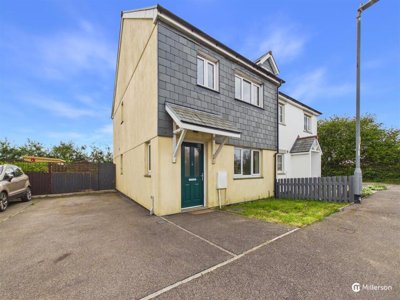
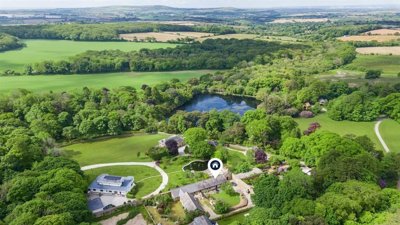
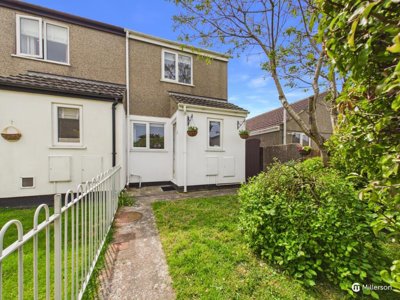
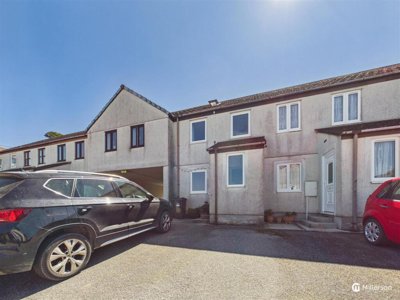
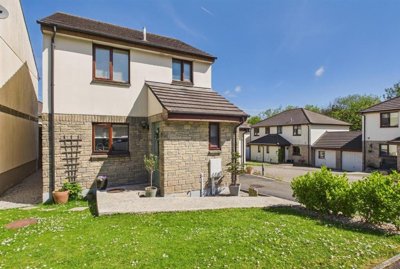
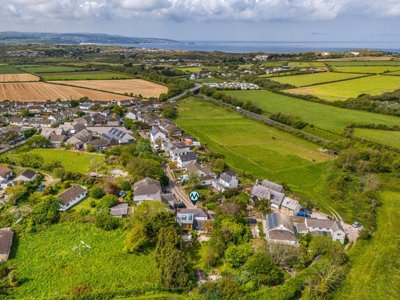
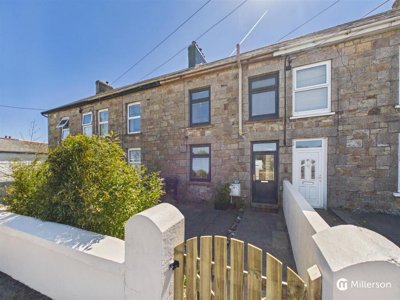
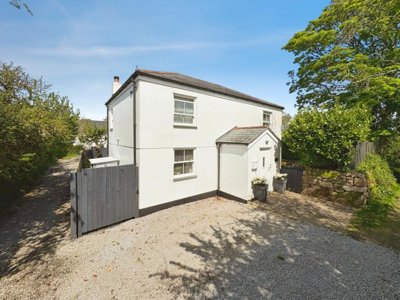
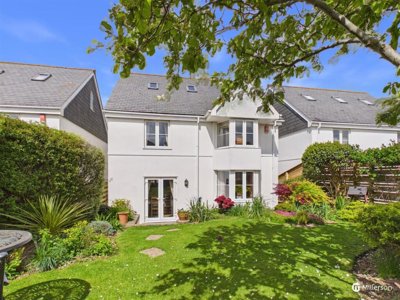
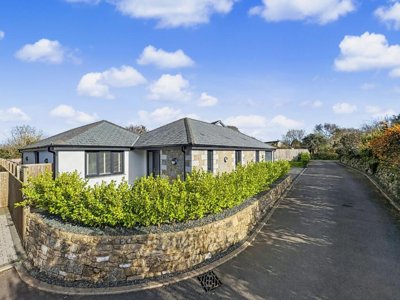
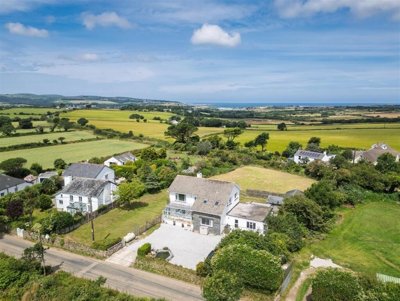
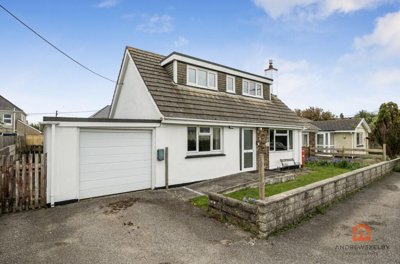
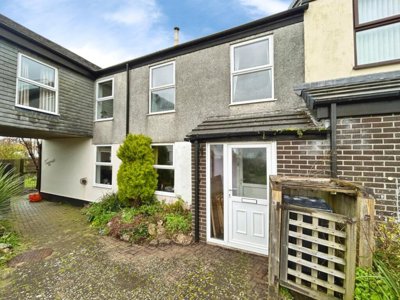
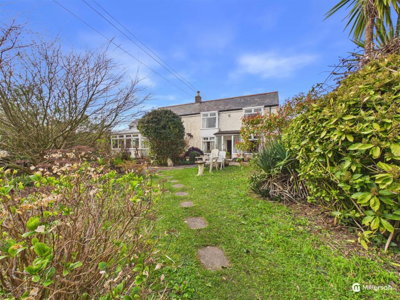
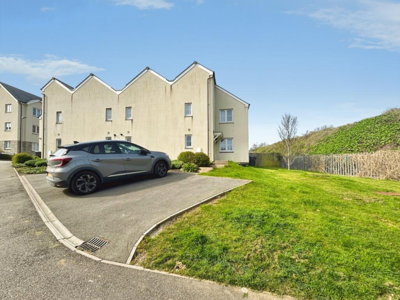
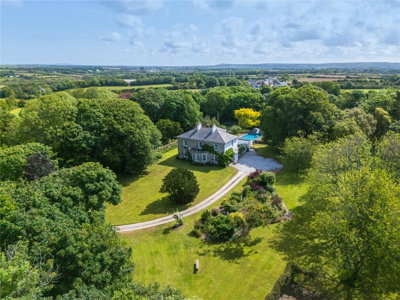
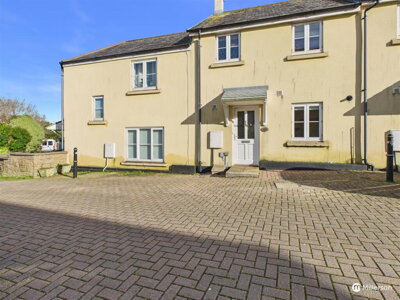
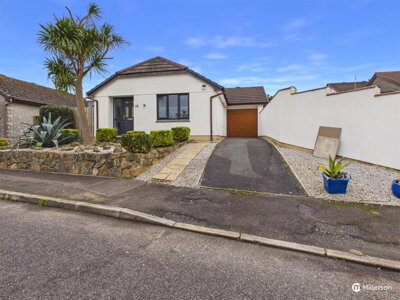
Browse 226 homes for sale in Gwinear-Gwithian from local estate agents.
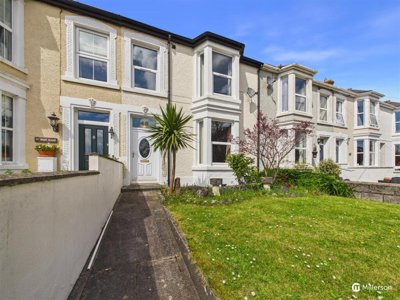
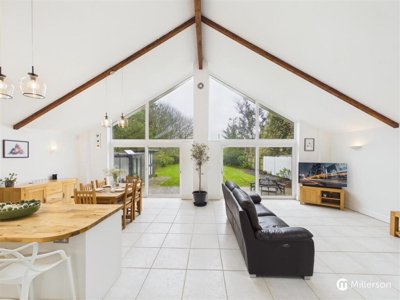
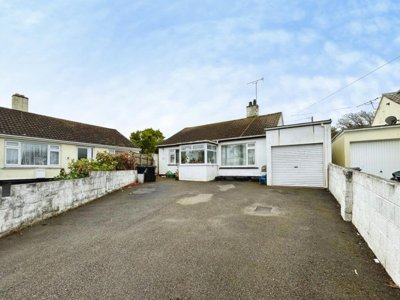
The Gwinear Gwithian property market offers detached, semi-detached, and terraced houses spanning various price ranges and neighbourhoods. Each listing includes detailed property information, photographs, and direct contact with the marketing agent.
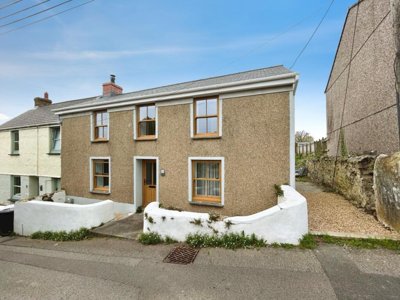
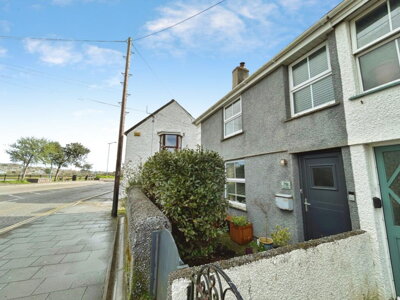
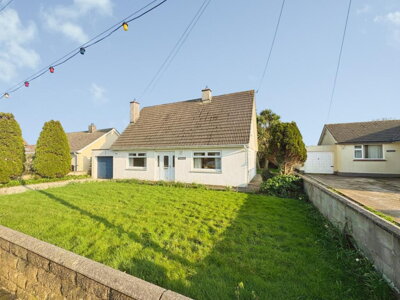
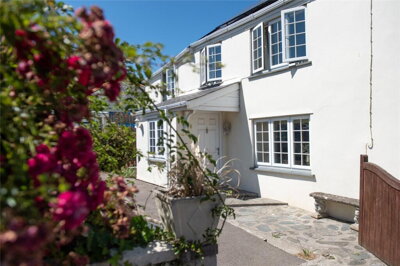
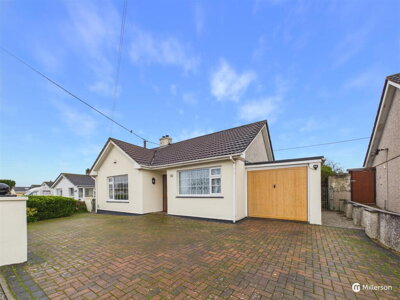
Across Gwinear-Gwithian, buyers can find strong options at a range of price levels. Detached homes in prized spots such as Gwithian Towans reach around £525,000, showing the premium attached to coastal living with direct beach access and sea views. Across the wider market, values average around £342,000, which keeps the parish competitive within Cornwall's property scene. In our listings, we regularly see traditional Cornish cottages with granite features, appealing terraced houses in village centres, and larger detached homes set in generous garden plots.
Housing growth here is guided by the Gwinear-Gwithian Neighbourhood Development Plan (2016-2030), which supports approximately 310 new dwellings across the plan period. No major active new-build developments were identified within the parish postcode area, although new homes can still come forward within settlement boundaries in the main villages. Development is generally permitted in Gwinear, Gwithian, Connor Downs, Carnhell Green, Reawla, and Wall, so long as proposals satisfy design and character policies. That measured approach allows the parish to take in new residents without losing the distinctive qualities that make this corner of Cornwall so recognisable.
Affordable housing has grown noticeably in the parish, especially in Connor Downs, which has expanded significantly in recent years. On the parish edge, the growth of the West Cornwall Retail Park has added to traffic through Connor Downs, a clear sign of rising connectivity and economic activity. For buyers looking at new-build stock, the neighbourhood development plan points to capacity for approximately 144 new residences within settlement boundaries on medium-density sites, even if those homes are not yet being actively marketed. In practice, the main villages, and particularly sites inside their settlement boundaries, offer the clearest route for anyone hoping to buy a new-build home in Gwinear-Gwithian.
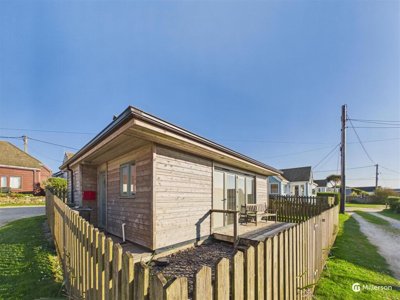
Property values in the parish make more sense once you see how mixed the housing stock is. At Gwithian Towans, chalet-style homes that grew out of early 1900s construction form a distinct part of the market, often with timber construction and maintenance issues linked to the coastal setting. In Gwinear village, traditional stone cottages, many covered by heritage protections, attract buyers after character homes within the designated Conservation Area. Around Connor Downs, more modern family housing gives a different option, with contemporary layouts and easier access to amenities and transport links.

What shapes daily life in Gwinear-Gwithian more than anything else is the landscape. The population rose from 3,261 in the 2011 census to 3,668 in 2021, a sign of how much more attractive the area has become for people wanting a better quality of life away from larger urban centres. Farming built much of the parish economy, and agriculture still matters today, alongside tourism drawn by the coastline and countryside. Gwithian Beach and Godrevy are especially popular, bringing in surfers, walkers, and holidaymakers for the cliffs, the golden sands, and the excellent wildlife watching.
The parish built environment carries centuries of Cornish history. A key landmark is the Grade I listed St Gwinear Church, dating from the 13th and 14th centuries, with a granite tower that can be seen across the surrounding countryside. Elsewhere there are many Grade II and Grade II* listed buildings, among them 17th century farmhouses such as Lanyon Farm and Polkinghorne Farm, along with traditional crosses and chapels. Off the coast, Godrevy Lighthouse, itself Grade II* listed, adds another layer of maritime heritage. Gwinear village is also a Conservation Area, so planning controls help protect the architectural character and historic interest that residents and visitors value so highly.
When we carry out surveys in Gwinear-Gwithian, we see just how varied the local housing is. In the conservation village, traditional cottages often have solid granite walls, sometimes rendered, and slate roofs that need regular attention in Cornwall's coastal climate. Homes at Gwithian Towans come with a different set of traits, as many of these chalet-style properties date from the early 1900s and may involve timber construction and issues specific to coastal exposure. We always advise buyers to pin down the construction type and age before they commit, because those details have a direct bearing on maintenance and on what renovation work is realistically possible.
The parish has a useful spread of amenities, with shops, pubs, and community facilities serving local residents as well as the sizeable tourist population in peak seasons. Several caravan and camping sites also operate here, supporting the local economy and giving the area a lively seasonal feel. For wider shopping, the West Cornwall Retail Park is close by, and the countryside around the parish is crossed by extensive footpaths and bridleways. The Red River runs through the area, a reminder of the parish's mining past, as it historically carried effluent from local mines that gave the watercourse its distinctive colour.

Families moving to Gwinear-Gwithian have access to educational provision within and close to the parish. Primary schooling is available through schools in the surrounding area, and the Gwinear-Gwithian Neighbourhood Development Plan highlights the need to support education for residents of all ages. It also aims to improve the quality and quantity of community services, including adequate school provision for both current households and new residents. In practice, many local families value the smaller class sizes and strong community links that often come with rural Cornwall schooling.
Across the wider West Cornwall area, secondary education includes schools offering sixth form provision, helping students prepare for further education and university routes. Being near Hayle and Camborne also gives families access to extra educational resources and training opportunities. When we help buyers in Gwinear-Gwithian, we suggest checking catchment areas carefully and reviewing school performance through Ofsted reports before deciding which locations best suit their children. The parish's rising population points to its strength as a place for family life, with community facilities and education provision developing alongside the housing growth set out in the neighbourhood plan.
For many families, schooling is one of the biggest factors in a move, and we treat it that way in Gwinear-Gwithian. We usually recommend visiting potential schools in person and talking to local parents, because that gives a far clearer picture than paperwork alone. Owing to the parish's rural setting, some households will travel to nearby towns for certain stages of education, especially sixth form provision. Even so, plenty of parents feel the beaches, countryside, and community atmosphere more than make up for the extra travel. The neighbourhood development plan also shows an ongoing commitment to maintaining and improving local services, including educational facilities, as future needs change.

Gwinear-Gwithian is tied into the wider Cornwall transport network by road and public transport. The A30 trunk road runs close to the parish and acts as the main route across Cornwall, linking Gwinear-Gwithian with Truro, Exeter, and the rest of the UK through the national motorway network. Local bus services connect villages in the parish with larger towns such as Camborne, Hayle, and Redruth, where further rail links are available. Traffic through Connor Downs has increased as the West Cornwall Retail Park has grown on the parish edge, reflecting stronger connectivity and more economic activity.
For rail travel, nearby stations at Camborne, Redruth, and St Erth give access to the mainline network, including services to Truro, Plymouth, Exeter St Davids, and London Paddington. Residents can also make use of the scenic St Ives Bay Line, thanks to the parish's proximity to St Ives, and it remains one of the most picturesque railway journeys in Britain. If air travel matters, Newquay Cornwall Airport handles domestic and a limited number of international flights. Cycling is improving too, with quiet country lanes and coastal paths providing enjoyable routes for leisure riding and commuting, although the Cornish landscape can be demanding in places.
Transport needs are something we always ask buyers to think through properly before choosing a home here. Gwinear-Gwithian still feels rural, and some trips will plainly be easier by car, but the available public transport is generally enough for day-to-day commuting and occasional journeys without one. For people working in Camborne, Hayle, or Truro, the A30 is particularly useful and gives straightforward access to employment centres across Cornwall. The St Ives Bay Line is another plus, both for commuting into St Ives and for getting along the coast without driving.

Take time to get to know Gwinear-Gwithian before you commit. We advise visiting in different seasons, talking to residents, and getting a feel for amenities, traffic, and the wider community atmosphere. One part of the parish can feel very different from another, from coastal Gwithian Towans with its chalet-style properties and beach access, to rural farmsteads set among working farmland. Spending time in both the villages and the coastal stretches usually makes it much easier to judge which setting fits your lifestyle.
Before viewings start, we suggest arranging finance so your budget is clear from the outset and sellers can see you are serious. A conversation with mortgage brokers can help you compare options, especially while current rates make borrowing attractive for buyers in this area. Having an agreement in principle already in place can make a real difference once the right property appears, particularly in a local market where traditional Cornish cottages and coastal homes can draw several interested buyers at once.
We can book viewings through Homemove for homes for sale across Gwinear-Gwithian. Our listings span the full market, from granite cottages in the conservation area to modern houses close to local amenities. It is well worth seeing several properties so you can compare them properly. During viewings, we also encourage buyers to pay close attention to construction materials and overall condition, because homes here range from old stone buildings to more recent builds, and each type comes with its own maintenance demands.
After you have found a property, we recommend arranging a RICS Level 2 Survey before going any further. In a parish shaped by Cornwall's mining history and filled with older homes, a proper survey is vital for spotting structural issues, mining hazards, or defects that may not show up during a viewing. We work with qualified surveyors who know the local building methods and the defects that turn up most often in Cornish housing, from granite-walled cottages to the chalets at Gwithian Towans.
It is then time to appoint a conveyancing solicitor to deal with the legal side of the purchase. They will carry out searches, manage the contract work, and handle the formal transfer of ownership. Because Gwinear-Gwithian sits within a historic mining area, we recommend using a solicitor with experience of Cornish property transactions who will make sure the appropriate mining searches are included in the conveyancing process.
Once the searches are satisfactory and your finance is in place, the solicitor can exchange contracts and agree a completion date. On completion day, the balance of funds is transferred and the keys to your new Gwinear-Gwithian home are released. We can also point you towards local services that help with the move in, from tradespeople who know traditional Cornish properties to insurance providers familiar with the risks that come with this part of Cornwall.
Buyers in Gwinear-Gwithian need to weigh up a few area-specific points before they commit. The parish includes many listed buildings, among them the Grade I listed St Gwinear Church and a large number of Grade II and II* structures, so any home within the Conservation Area or next to heritage assets may face tighter planning controls. Listed property ownership also brings added responsibilities, including listed building consent for alterations and an expectation that maintenance is carried out with appropriate materials and traditional methods. Those obligations can shape renovation plans and increase ongoing costs, so we always suggest factoring them into the decision from the start.
Mining history is one of the main local issues buyers should not overlook in Gwinear-Gwithian. Several mines were working in the parish in the 1840s and had closed by the 1880s, leaving behind possible ground instability. Historic mining features can cause collapse, subsidence, or gassing risks, and a standard survey may not pick all of that up. Our inspectors routinely advise buyers to commission detailed ground condition assessments and mining search reports where historic mining activity is known or suspected, because undocumented workings can pose a serious threat to foundations. At Gwithian Sands, wave erosion has even exposed buried mining carts in the intertidal zone, a very visible sign of that past.
Some coastal parts of Cornwall face long-term erosion pressure, and Gwinear-Gwithian is no exception. Existing development at Gwithian Beach is not currently at significant risk, but the wider dune system is under gradual pressure from erosion and buyers need to understand that when looking at coastal property. The National Coastal Erosion Risk Map identifies areas at risk until 2105, and the Gwithian Beach and Red River area is managed through a realignment approach so the extensive dune system can adjust to rising sea levels. Homes very near the coast may still be affected by coastal processes over time, so we advise checking long-term flood and erosion risk for the exact location through GOV.UK services before proceeding.
Construction varies markedly across Gwinear-Gwithian, and that matters. Older properties often have granite stone walls, frequently rendered, with slate roofs that are typical of Cornish building traditions. At Gwithian Towans, chalet-style homes evolved from early 1900s construction and may bring maintenance issues linked to both timber construction and the coastal setting. Newer homes in the parish are more likely to use render, brick, and slate in line with wider Cornish practice. Once we know the build type and age, it becomes much easier to judge likely upkeep, renovation options, insulation performance, and energy costs, especially in older solid wall properties. That is why we always recommend a survey suited to the specific construction methods found in this parish.

The local market sits at around £342,000 on recent area figures. In top coastal spots such as Gwithian Towans, detached homes sell for more, with recent sales around £525,000 where sea views and beach access are part of the appeal. In the village centres, semi-detached and terraced houses usually offer a more accessible entry point, most often between £200,000 and £350,000 depending on size, condition, and exact position. That range reflects the parish's mixed housing stock, from historic granite cottages in the Gwinear Conservation Area to modern family homes in Connor Downs.
For council tax, properties in Gwinear-Gwithian fall within Cornwall Council. Bands run from A to H according to valuation, with A covering the lowest valued homes and H the highest. In the parish, many terraced houses and smaller cottages sit in bands A to C, while larger detached homes, and those with sea views in places such as Gwithian Towans, may fall into bands D to F. Before exchanging, we always suggest checking the precise band for the property with Cornwall Council's valuation list so the annual charge is clear.
Schooling for Gwinear-Gwithian families is available both within the parish boundary and nearby. Local primary schools serve the area, while secondary options in the wider West Cornwall area include schools with sixth form provision. Catchment areas can make a real difference when house hunting, so we advise researching individual schools and checking performance through Ofsted reports before settling on a location. There is also the practical advantage of being close to larger towns such as Hayle and Camborne, which broadens the range of available schooling. The neighbourhood development plan supports the continued maintenance and improvement of local education provision for both existing residents and newcomers.
Bus links connect villages in Gwinear-Gwithian with larger centres including Camborne, Hayle, and Redruth. For rail journeys, residents usually rely on Camborne, Redruth, and St Erth, where trains run to Truro, Plymouth, Exeter St Davids, and London Paddington. The parish is also close enough to St Ives for access to the St Ives Bay Line, widely regarded as one of Britain's most picturesque railway routes. Rural character remains part of daily life here, so some trips still depend on a car, but public transport is generally workable for commuting and occasional travel without one, especially for people employed in nearby towns or studying in Truro.
From an investment angle, Gwinear-Gwithian has several points in its favour. The population increased from 3,261 in 2011 to 3,668 in 2021, which suggests steady housing demand. Tourism centred on Gwithian Beach and Godrevy, together with local caravan and camping sites, may support holiday let income where planning permission and regulations allow. The neighbourhood development plan also backs controlled growth of approximately 310 dwellings, which may help support property values as the parish changes. Even so, we would still urge investors to account for mining-related ground risks, conservation area restrictions on certain homes, and the seasonal nature of tourism income before making the numbers stack up in this part of west Cornwall.
Stamp duty in Gwinear-Gwithian follows the standard England system, as Cornwall is not a devolved tax jurisdiction. The usual rates are 0% on the first £250,000, 5% on £250,001 to £925,000, 10% on £925,001 to £1.5 million, and 12% on any amount above £1.5 million. First-time buyers get relief on the first £425,000, with 5% charged on £425,001 to £625,000. On a typical property value of around £342,000, a standard buyer would pay 0% on the first £250,000 and 5% on £92,000, giving a bill of £4,600. A first-time buyer purchasing below £625,000 would pay no stamp duty on the first £425,000, so most Gwinear-Gwithian purchases at that level would attract no stamp duty at all.
Mining remains a serious consideration for buyers in Gwinear parish. Several mines were active in the 1840s and had shut by the 1880s, and those old workings can still create hazards today. Collapse, subsidence, and gassing risks are all possible, and standard property surveys do not always reveal the full picture. We therefore strongly recommend adding a mining search report to the conveyancing process so any historical mining activity affecting the property can be identified. Along the coast at Gwithian Sands, wave erosion has brought buried mining carts to light, which shows just how visible that legacy still is. Where mining activity is documented, thorough ground condition assessments should form part of the purchase process before matters are completed.
Flood risk is not uniform across Gwinear-Gwithian and depends a great deal on the exact setting. Coastal locations and valley areas generally carry the highest chance of surface flooding or rising groundwater. The Gwinear-Gwithian Neighbourhood Development Plan states that proposed housing sites should not sit in flood-risk areas and should not make flooding worse elsewhere. At present, existing development at Gwithian Beach is not at significant flood or erosion risk, though the wider dune system faces long-term erosion pressure. Like much of Cornwall's coast, the parish does experience coastal erosion, and many sand dunes are in net erosion because of rising sea levels. We always advise checking the specific postcode through GOV.UK flood risk services before going ahead.
From 4.5%
Competitive mortgage rates for Gwinear-Gwithian buyers
From £499
Conveyancing solicitors with real experience of Cornish property transactions
From £350
Professional surveys for Gwinear-Gwithian properties
From £60
Energy performance certificates for Cornish properties
Working out the full cost of a purchase in Gwinear-Gwithian makes budgeting far easier. The headline price is only part of it, because buyers also need to allow for stamp duty land tax, solicitor fees, survey costs, and the usual searches. On a property at the local average of around £342,000, a standard buyer would pay £4,600 in stamp duty, made up of 0% on the first £250,000 and 5% on the remaining £92,000. First-time buyers purchasing below £625,000 pay no stamp duty on the first £425,000, which means most properties in Gwinear-Gwithian would not create any stamp duty bill for first-time buyers.
Legal and survey costs can vary quite a bit in Gwinear-Gwithian. Conveyancing usually falls between £499 and £1,500 depending on how complex the purchase is and whether the property is freehold or leasehold. On top of that, buyers should budget for local authority searches, drainage and water searches, and registration fees, which typically add £250 to £500 to the legal bill. A RICS Level 2 Survey starts from £350 for a standard property, while older homes or those with possible defects may call for a more detailed RICS Level 3 Structural Survey. Because of the parish's mining history, we also recommend setting money aside for a mining search report covering historical mining activity that may affect the property.
We can put buyers in touch with conveyancing solicitors who know the particular issues that come with Cornish property transactions, including the mining legacy affecting much of west Cornwall. Mining search reports matter here, as the parish had several working mines in the 1840s before they closed by the 1880s. In places with documented mining activity, mortgage lenders may also ask for specialist ground condition assessments before they agree finance. We advise building those possible extra costs into the budget from the start when calculating the full price of buying in Gwinear-Gwithian. Mortgage arrangement fees should be counted too, and these are typically 0-2% of the loan amount.

Properties for Sale In London

Properties for Sale In Plymouth

Properties for Sale In Liverpool

Properties for Sale In Glasgow

Properties for Sale In Sheffield

Properties for Sale In Edinburgh

Properties for Sale In Coventry

Properties for Sale In Bradford

Properties for Sale In Manchester

Properties for Sale In Birmingham

Properties for Sale In Bristol

Properties for Sale In Oxford

Properties for Sale In Leicester

Properties for Sale In Newcastle

Properties for Sale In Leeds

Properties for Sale In Southampton

Properties for Sale In Cardiff

Properties for Sale In Nottingham

Properties for Sale In Norwich

Properties for Sale In Brighton

Properties for Sale In Derby

Properties for Sale In Portsmouth

Properties for Sale In Northampton

Properties for Sale In Milton Keynes

Properties for Sale In Bournemouth

Properties for Sale In Bolton

Properties for Sale In Swansea

Properties for Sale In Swindon

Properties for Sale In Peterborough

Properties for Sale In Wolverhampton

Enter your details to see if this property is within your budget.
Loans, cards, car finance
Estimated property budget
Borrowing + deposit
You could borrow between
Typical borrowing
Monthly repayment
Est. at 4.5%
Loan-to-value
This is an estimate only. Your actual budget may vary depending on interest rates, credit history, and personal circumstances. For an accurate affordability assessment, speak to one of our free mortgage advisors.
This calculator provides estimates for illustrative purposes only and does not constitute financial advice. Your home may be repossessed if you do not keep up repayments on your mortgage. Estimates based on 4.5% interest rate, repayment mortgage. Actual rates depend on your circumstances.
Homemove is a trading name of HM Haus Group Ltd (Company No. 13873779, registered in England & Wales). Homemove Mortgages Ltd (Company No. 15947693) is an Appointed Representative of TMG Direct Limited, trading as TMG Mortgage Network, which is authorised and regulated by the Financial Conduct Authority (FRN 786245). Homemove Mortgages Ltd is entered on the FCA Register as an Appointed Representative (FRN 1022429). You can check registrations at NewRegister or by calling 0800 111 6768.

We use cookies to show you personalised content and improve your experience of our website. Find out more in our Privacy policy and Cookie policy.