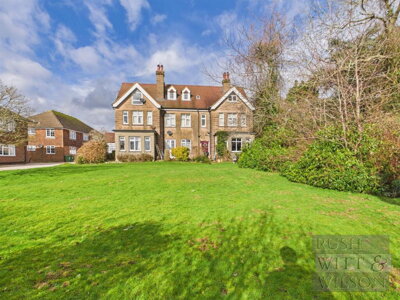
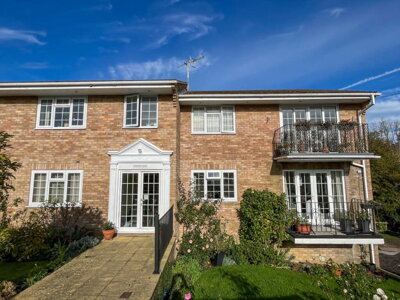
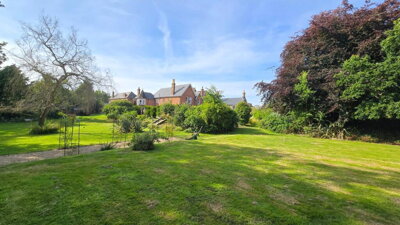
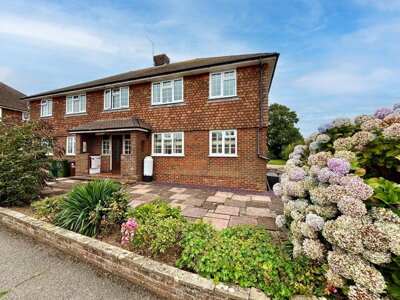
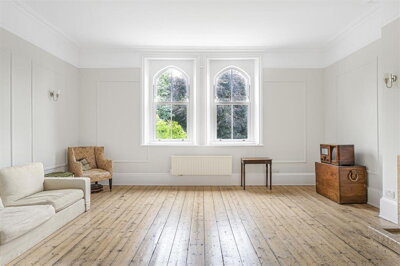
Browse 5 homes for sale in Catsfield, Rother from local estate agents.
Studio apartments feature open-plan living spaces without separate bedrooms, incorporating sleeping, living, kitchen, and bathroom facilities. The Catsfield studio market includes properties in modern apartment complexes, converted Victorian and Georgian buildings, and purpose-built developments.
£0k
0
0
0
Source: home.co.uk
Showing 0 results for Studio Flats for sale in Catsfield, Rother.
Catsfield's property market has gone through a clear correction over the past 12 months, with average prices down 27% against the previous year. That sits within a wider easing in rural values, and prices are now 32% below the 2020 peak of £736,583. For buyers, that opens a real window of opportunity, because homes that were out of reach two years ago are now easier to secure. The current average of £500,000 points to a more even market, where supply is meeting demand from both local buyers and people moving out from urban centres.
Detached homes are still the dominant type in Catsfield, and they carry the highest average price at £600,000. These larger properties usually come with generous gardens, off-street parking and the privacy many families want from a rural village setting. Terraced houses average around £400,000, giving first-time buyers, or anyone looking for a smaller home, a more accessible way into the village without losing the Catsfield lifestyle. Semi-detached homes in the Catsfield Stream localised area sit at an average of £405,636, which suggests this part of the market has held steady.
New build activity in Catsfield remains thin on the ground, with no major developments currently active within the village boundary. Even so, properties built in 2019 do appear in the local stock, which shows that a few carefully planned additions have been made in recent years. Most homes for sale are built in traditional brick and stone, echoing the late 19th century heritage that shapes much of the local architecture. That mix of period character and occasional modern additions gives the market a broader range than you might expect in a village of this size.
Street by street, Catsfield shows some clear differences. Skinners Lane has seen a sharper correction, with prices 25% lower than the previous year and 49% below the 2020 peak of £780,000. The Catsfield Stream area has been more resilient, with prices 4% higher than the previous year, although they still sit 1% below the 2022 peak of £484,586. Those small local shifts matter, so it pays to look closely at the exact street or pocket of the village rather than treating Catsfield as one single market.

Catsfield captures the feel of rural East Sussex living, with a quiet village atmosphere and straightforward access to larger towns. It sits in the Rother district, an area known for its countryside, historic settlements and strong community spirit. The village green gives the area a natural place to gather, and the local pub offers a traditional spot to meet neighbours. Around it all, rolling farmland, ancient woodland and the distinctive geology of the Wealden area create a setting that feels a long way from busier urban life.
The village is part of 1066 Country, the historic area linked to the Battle of Hastings. Residents have access to an extensive network of public footpaths and bridleways through the surrounding countryside, which is a real draw for dog walkers, hikers and anyone who likes being outdoors. Battle is only two miles away and brings supermarkets, independent shops, restaurants and healthcare facilities within easy reach. For days by the coast, Hastings and Bexhill are both nearby, with beaches, seafront attractions and cultural venues.
Catsfield attracts families, retired couples and professionals who want a better quality of life away from the city. Its historic character comes through strongly in the housing stock, much of which dates from the late 19th century. These homes often have original fireplaces, exposed beams and other details that give them real personality. The community feels settled but not closed, with long-term residents living alongside newer arrivals who tend to settle into village life quickly.
Day to day, Catsfield strikes a useful balance between village calm and practical amenities. The local pub is a natural meeting point for evening meals and weekend drinks, while the village green is used for seasonal events that pull the community together. For shopping, Battle has two major supermarkets and a good choice of independent shops along its historic High Street. Its weekly market adds local produce and artisan goods into the mix, which keeps the link between Catsfield and Battle strong.

Families in Catsfield have education options for children from primary school age through to further education. For younger children, there are several primary schools within easy reach in Battle and across the wider Rother district. These schools generally serve their local communities well, with class sizes that allow for individual attention and a good level of contact between teachers and pupils. Anyone moving to Catsfield should look closely at current catchment areas and admission arrangements, as those details can shape school allocation.
At secondary level, students from Catsfield usually attend schools in nearby Battle, or travel to options in Hastings and the surrounding towns. Battle itself has secondary schools offering both academic and vocational routes. For families interested in grammar school education, nearby towns provide access to selective schools that have a strong public examination record. Sixth form provision is available through schools with sixth forms and through further education colleges in larger towns, so students have routes into higher education or vocational training.
For families who put education at the top of the list when moving to Catsfield, it makes sense to research school performance, Ofsted ratings and admission policies early on. Because the area is rural, school transport is often already in place, with school buses serving villages so children can reach schools beyond their immediate locality. East Sussex County Council manages transport to the nearest suitable school for children living within the designated walking distance threshold, which can matter for households without private car access. That combination of choice and practicality adds to Catsfield's appeal for families wanting a balanced lifestyle and access to good schools.

Transport links from Catsfield give rural living some practical commuter options. The nearest railway station is in Battle, around three miles from the village centre, with services to Hastings, Brighton and London. A trip to London Bridge via Hastings and Tonbridge usually takes around two hours, so the village can work for people who commute to the capital but prefer the countryside. Southeastern Railway provides the main rail connection, with regular trains through the day.
By road, Catsfield is close to the A2100, which leads to the A21 and then on towards Hastings, the M25 and London. The A259 coastal road runs through nearby towns and gives another route towards Eastbourne and beyond. Bus services link Catsfield with Battle and neighbouring villages, which is important for anyone without a private car. Even so, most residents would still see a car as part of everyday life, though the roads are well kept and far less congested than those in larger towns and cities.
Cycling in the area has become more practical too, with quiet country lanes proving popular for both leisure riders and commuters. The 1066 Country area suits cycling especially well, since the routes pick out the historic landscape while steering away from major roads where possible. For anyone working from home, digital connectivity is improving, although buyers should check broadband speeds at specific addresses because rural rollout can vary across the village. The government broadband rollout programme is still extending coverage to rural communities, and some properties may have slower connections until full coverage reaches their part of Catsfield.

We would begin by looking through our property listings to see what fits the budget. The average price in Catsfield is £500,000, with detached homes sitting higher. It also helps to visit the village at different times of day and on different days of the week, so we get a proper feel for the community and the amenities. Walking through the village centre, stopping at the local pub and using the footpaths gives a far better sense of daily life in Catsfield than photographs ever will.
Before viewings, we should secure a mortgage agreement in principle from a lender. That puts us in a stronger position when making an offer and shows sellers that finance is already in place. Our mortgage comparison tool can help us look at competitive rates that suit the circumstances. With the current average property price in Catsfield at £500,000, it is wise to speak to a broker about the mortgage products that match the deposit level and borrowing requirement.
Viewing several homes helps us compare condition, character and value side by side. We should pay close attention to the age of the property, the construction type and any signs of maintenance problems. A RICS Level 2 Survey is recommended for homes over 50 years old, and that covers much of Catsfield's stock. With period properties, we should ask about recent renovations, heating systems and any building work that has taken place.
Once we have found the right home, the offer goes in through the estate agent. Because the market has corrected, there may be some room to negotiate. We should be ready to move quickly if the offer is accepted, as well-liked homes can draw interest from more than one buyer. In a close community like Catsfield, a good relationship with the selling agent can also tell us a lot about the vendor's circumstances and reasons for moving.
We would instruct a RICS Level 2 Survey so the property's condition is checked properly. Our solicitor would then carry out local authority searches, drainage checks and the other investigations needed to uncover any hidden problems. Because late 19th century homes are common in Catsfield, the report should be read carefully for roof condition, damp and any structural movement that could be linked to the local geology.
From there, the mortgage is finalised, stamp duty is paid and the legal work is wrapped up. Our solicitor handles the transfer of ownership and agrees the completion date. On completion day, the keys to the new Catsfield home are handed over. We should budget for solicitor fees that typically start from £499, plus searches around £250-£400, and stamp duty of £12,500 for non-first-time buyers at the current average price.
Buying in Catsfield means looking closely at local factors that may affect the investment. The rural East Sussex setting brings geological issues into play, especially with Wealden Clay across the wider area. That clay can move as it shrinks and swells during dry spells, which can affect foundations. A thorough survey by a qualified RICS surveyor will pick up signs of subsidence or movement that could need attention or influence insurance premiums.
Flood risk in Catsfield should be checked before a purchase goes ahead. Specific flood maps for the village were not readily available, but homes near watercourses or in low-lying spots could still be exposed to surface water or river flooding. Our solicitor should include the right drainage and flood risk searches as part of the investigations. Buildings insurance can be affected by flood risk assessments, so it is important to understand the position of any property under consideration before budgeting.
Many Catsfield homes come with character, and that can mean conservation considerations or listed building status. If a property is listed, alterations and permitted development rights will be restricted, which may change what we can do with the house. We should check with the local planning authority to see whether any conservation area designations apply in the street. For leasehold homes, the terms need a careful read, including ground rent arrangements and any service charges that apply to flats or retirement properties in the area.
When viewing older homes in Catsfield, we should look closely for damp in ground floor rooms and basements, the condition of original windows and their glazing, the age and condition of heating systems, and the state of the roofing materials. Properties built in the late 19th century often have solid walls without cavity insulation, which can affect thermal performance and heating costs. A RICS Level 2 Survey will check these details methodically and highlight anything that needs more investigation or a discussion with the seller.

Buying a home in Catsfield brings costs beyond the price tag. Stamp duty land tax is usually the biggest extra cost, and it is charged on a sliding scale according to the purchase price. For a home at the current average Catsfield price of £500,000, non-first-time buyers would pay £12,500 in stamp duty under the current rates. First-time buyers purchasing properties up to £625,000 get relief on the first £425,000, so a £500,000 purchase would attract no stamp duty at all if the buyer qualifies.
On top of stamp duty, buyers need to allow for solicitor fees, which typically start from £499 for standard conveyancing but can rise if the transaction is more complex. Searches and drainage checks through the local authority usually cost between £250 and £400. Survey costs depend on the property type and value, with RICS Level 2 Surveys usually ranging from £400 to £1,000. For older Catsfield homes, that kind of survey is money well spent, given the amount of period construction that may hide defects.
Removal costs, packing materials and any temporary storage should also sit in the budget. Buildings insurance needs to be in place from completion day, while contents insurance is sensible from the point we start moving belongings. If a mortgage is needed, arrangement fees, valuation fees and broker fees can add several thousand pounds to the total. Our related services section above links to mortgage rate comparisons, conveyancing solicitors and survey bookings, which helps us keep track of the costs as we move into a new Catsfield home.
For buyers at the higher end of the Catsfield market, where detached properties average £600,000, stamp duty rises to £17,500 for non-first-time buyers. That higher purchase price also means more mortgage borrowing, and loan-to-value requirements may change depending on the deposit size. Planning the budget around all of those costs before making an offer gives us a clear picture of the financial commitment involved in buying in Catsfield.

The average property price in Catsfield over the last year was £500,000. Detached homes average £600,000, while terraced properties sit around £400,000. Semi-detached homes in the Catsfield Stream localised area show an average of £405,636. The market has seen a 27% price correction against the previous year, taking values back to more accessible levels after the 2020 peak of £736,583. That adjustment opens the door for buyers who were priced out during the peak, especially in the detached segment where the correction has been most pronounced.
For council tax, Catsfield properties fall under Rother District Council and East Sussex County Council. Bands run from A to H depending on the value of the home, with most period cottages and smaller terraced houses usually in bands B to D. Victorian and Edwardian homes in the village centre may sit in higher bands because they are larger and more valuable. The specific band for any address can be checked through the Valuation Office Agency website using the property address.
Catsfield has access to primary schools in the village and nearby, with several Good or Outstanding rated schools within a few miles in Battle and across the wider Rother district. Primary schools serving Catsfield families include those in Battle town centre, around two miles away and easy to reach by car or the local bus service. Secondary choices include schools in Battle that serve the local catchment area, while grammar schools are available in nearby towns, including Battle Grammar School for academically selective pupils. We would recommend looking early at current admission policies, Ofsted ratings and school performance data for any family with school-age children.
Bus services in Catsfield are limited, linking the village to Battle and neighbouring villages, and the nearest railway station is in Battle, about three miles away. From there, Southeastern Railway services connect with Hastings, Brighton and London Bridge, with journey times to London of around two hours via the Tonbridge line. For everyday commuting, most residents still need a car, although the roads give reasonable access to the A21 and then on to the M25. The nearest major hospital is in Hastings, roughly eight miles away, which matters for households with healthcare needs that require hospital treatment.
Catsfield has clear appeal for investors looking for long-term growth in a sought-after rural spot. Values have corrected from the 2020 peak, which may offer a more favourable entry point. The village also attracts tenants who want countryside living with access to coastal towns and commuting links. Rental demand is helped by the proximity to Battle, Hastings and the growing remote working population, who often value village character and a strong sense of community. With limited new build supply inside the village boundary, existing period homes may continue to see steady demand as the wider rural market recovers.
At the current average Catsfield price of £500,000, standard stamp duty rates apply. First-time buyers pay 0% on the first £425,000, then 5% on the amount between £425,000 and £625,000, so there is no stamp duty on a £500,000 purchase if they qualify. Other buyers pay 0% on the first £250,000 and 5% on the balance between £250,000 and £925,000, which leaves £12,500 stamp duty on a £500,000 purchase. At the upper end of the Catsfield market, where detached properties average £600,000, non-first-time buyers would pay £17,500 in stamp duty.
Because much of Catsfield's housing stock dates from the late 19th century and includes 1930s properties, we often see the same kinds of issues, damp in solid wall construction, roof condition on period homes, older electrical systems that may not meet current standards, and the potential for subsidence where clay shrink-swell affects the ground. Wealden Clay across the wider East Sussex area can lead to foundation movement in dry spells, so cracking and door alignment deserve a close look. A RICS Level 2 Survey is strongly recommended for any property over 50 years old, because it will pick up defects that a normal viewing may miss and help us negotiate repairs or price changes before completion.
From 4.5%
Compare rates from leading lenders for our Catsfield purchase
From £499
Independent solicitors for your property transaction
From £400
Professional survey for properties over 50 years old
From £80
Energy performance certificate for your new home
Properties for Sale In London

Properties for Sale In Plymouth

Properties for Sale In Liverpool

Properties for Sale In Glasgow

Properties for Sale In Sheffield

Properties for Sale In Edinburgh

Properties for Sale In Coventry

Properties for Sale In Bradford

Properties for Sale In Manchester

Properties for Sale In Birmingham

Properties for Sale In Bristol

Properties for Sale In Oxford

Properties for Sale In Leicester

Properties for Sale In Newcastle

Properties for Sale In Leeds

Properties for Sale In Southampton

Properties for Sale In Cardiff

Properties for Sale In Nottingham

Properties for Sale In Norwich

Properties for Sale In Brighton

Properties for Sale In Derby

Properties for Sale In Portsmouth

Properties for Sale In Northampton

Properties for Sale In Milton Keynes

Properties for Sale In Bournemouth

Properties for Sale In Bolton

Properties for Sale In Swansea

Properties for Sale In Swindon

Properties for Sale In Peterborough

Properties for Sale In Wolverhampton

Enter your details to see if this property is within your budget.
Loans, cards, car finance
Estimated property budget
Borrowing + deposit
You could borrow between
Typical borrowing
Monthly repayment
Est. at 4.5%
Loan-to-value
This is an estimate only. Your actual budget may vary depending on interest rates, credit history, and personal circumstances. For an accurate affordability assessment, speak to one of our free mortgage advisors.
This calculator provides estimates for illustrative purposes only and does not constitute financial advice. Your home may be repossessed if you do not keep up repayments on your mortgage. Estimates based on 4.5% interest rate, repayment mortgage. Actual rates depend on your circumstances.
Homemove is a trading name of HM Haus Group Ltd (Company No. 13873779, registered in England & Wales). Homemove Mortgages Ltd (Company No. 15947693) is an Appointed Representative of TMG Direct Limited, trading as TMG Mortgage Network, which is authorised and regulated by the Financial Conduct Authority (FRN 786245). Homemove Mortgages Ltd is entered on the FCA Register as an Appointed Representative (FRN 1022429). You can check registrations at NewRegister or by calling 0800 111 6768.

We use cookies to show you personalised content and improve your experience of our website. Find out more in our Privacy policy and Cookie policy.