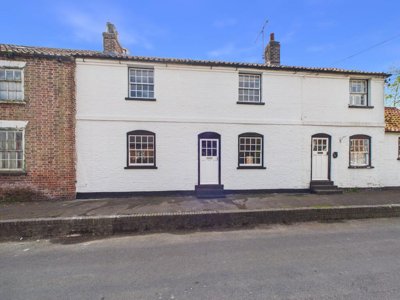
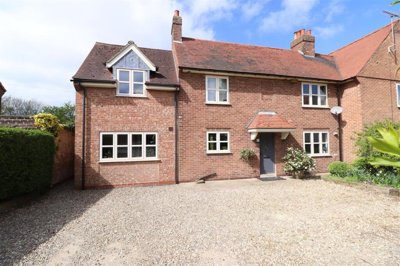
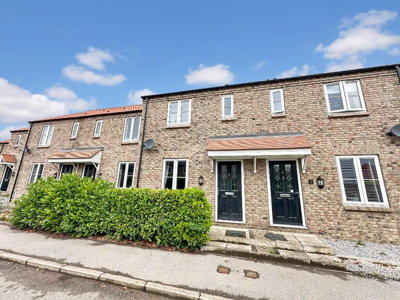
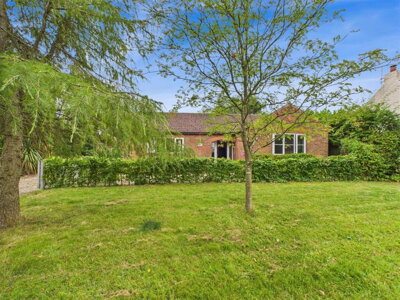
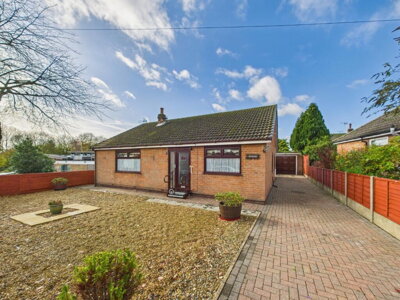
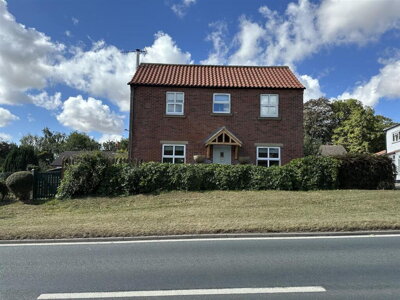
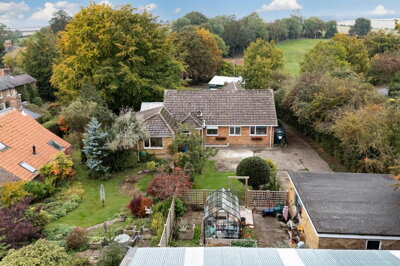
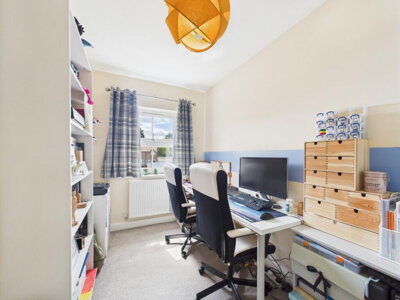
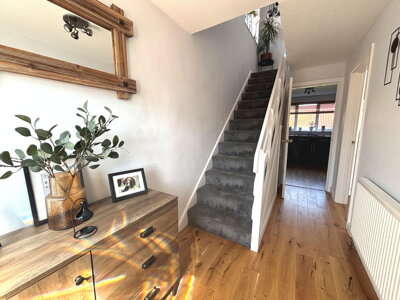
Browse 9 homes for sale in Bainton from local estate agents.
Three bedroom properties represent a significant portion of the Bainton housing market, offering space for families with multiple reception rooms and gardens in many cases. Browse detached, semi-detached, and terraced options ranging from period character homes to contemporary developments.
Bainton’s housing market has cooled sharply in recent months. Average prices were down 28.1% in the 12 months to February 2026, after the 2023 high point of £1,097,475. home.co.uk data points to a 32% fall against the previous year and a 69% drop from that peak, although Bainton still appeals to buyers looking for rural Yorkshire character at prices that now feel less stretched. The wider East Riding of Yorkshire moved the other way, rising 4.8% between December 2024 and December 2025 to an average of £221,000. At street level, the figures are uneven. West End shows an average sold price of £1,034,988, Church Street also averages £1,034,988, and Main Street is around £1,034,988, reflecting a village mix of larger homes, older cottages and properties in very different conditions. Across YO25, the average is about £271,147. Detached houses, terraces and bungalows make up most of the stock, with few flats or maisonettes, much like other rural Yorkshire villages. For comparison, East Riding detached homes average £337,000, semi-detached homes £214,000, and terraces £170,000. Recent recorded sales include Pump Cottage and Wold View House on West End, Laburnum Bungalow on Church Street, and terraced homes on Hudson Terrace and Leafield Road. Glencoe House on Main Street, first built in 1750, is a good example of the older property type that gives the village much of its character. The average house price in Bainton, East Riding of Yorkshire, is approximately £1,034,988 as of February 2026, after a 28.1% fall over the previous 12 months. West End properties average around £1,034,988, while Church Street averages £1,034,988
Prices vary noticeably from one Bainton street to the next. West End sits at the top of the recent figures, with an average sold price of £468,750, while Church Street averages £281,125 and Main Street comes in at around £352,456. Those gaps make sense on the ground, where house size, age, plot, outlook and state of repair can differ quite a bit within a small village. The wider YO25 postcode average of roughly £271,147 gives buyers another reference point when judging whether a particular asking price feels fair.
Bainton’s housing stock is mostly detached houses, terraced houses and bungalows, with very few flats or maisonettes, which is typical for this part of rural Yorkshire. East Riding averages put detached properties at £337,000, semi-detached homes at £214,000 and terraced properties at £170,000. Named recent sales include Pump Cottage and Wold View House on West End, Laburnum Bungalow on Church Street, plus several terraces on Hudson Terrace and Leafield Road. Glencoe House on Main Street is especially notable, having been originally built in 1750.
New build choice within Bainton itself is thin. Current searches do not show active developments specifically in the village, so buyers set on a Bainton address are mainly looking at older, established homes rather than fresh stock. There are new build options across the wider YO25 postcode area and elsewhere in the East Riding of Yorkshire, particularly in larger villages and towns, but they will not offer quite the same village setting. That lack of new supply is part of why Bainton has kept its traditional feel.

Bainton is small, but it is not a hamlet without a life of its own. The 2011 census recorded approximately 334 residents, up from 282 residents in 2001, and the parish stretches across 1,608 hectares including the village and surrounding Yorkshire Wolds farmland. That scale gives residents proper open countryside close by, without cutting them off entirely from services in nearby settlements. It suits buyers who want quiet lanes, fields and space, but still need practical links for shopping, schools and work.
The village lies on the eastern declivities of the Yorkshire Wolds, the chalk uplands that shape this part of East Yorkshire. The A614 runs through Bainton and gives the main northward route to Driffield and southward links beyond the village. Around the centre, the landscape is softer farmland, then it becomes more rolling as you head west into the deeper Wolds. Chalk geology is part of the appeal here, creating the dry valleys, rounded hills and big skies that walkers and cyclists tend to remember.
St Andrew’s Church gives Bainton much of its historic weight. It is a Grade I listed Anglican church, largely rebuilt in the 1330s or 1340s, and still acts as a focal point for the village. Nearby, the late Georgian rectory and its coach house and stables are separately listed, adding to the architectural interest around the centre. Traditional stone appears throughout the older buildings, so the village feels grown over centuries rather than laid out all at once.
Bainton’s layout still hints at its agricultural past. The village once had a railway station on the Selby to Driffield Line, open between 1890 and 1954, and it mattered to local farmers before road transport took over. Produce could move out to wider markets, while people and goods came in more easily than they otherwise would have. The railway has long gone. The former routeThe area of the former station has been folded back into agricultural land, although some long-term residents may still know where it stood.

Families moving to Bainton usually look beyond the village itself for schools. The area sits within East Riding of Yorkshire local authority, which runs primary and secondary provision across the wider district. Primary aged children tend to attend schools in nearby villages or in Driffield, where several first and primary schools serve the surrounding rural communities. Catchment areas and admissions rules can change, so parents should check the latest position with East Riding of Yorkshire Council before relying on any one option.
Driffield is the main education centre for Bainton families, sitting approximately 6 miles north-east of the village. It has several primary schools and Driffield School and Technology College for secondary education, with provision from early years through to sixth form. Current Ofsted reports and performance data are worth checking before a move. The Technology College status also brings facilities in subjects such as engineering, computing and design technology, which may matter to families comparing local secondary choices.
Some families look further south for different school routes. The wider East Riding area includes grammar school options, particularly around Beverley and Hull, but entry usually depends on passing the Eleven Plus examination and meeting catchment or residency rules. Private schooling is not concentrated around Bainton, so travel to larger towns or cities is normally involved. East Riding of Yorkshire Council remains the best place to check school admissions, catchment boundaries and any transport help for eligible families.
Early years childcare around Bainton is spread across nearby villages and Driffield rather than clustered in the village. Parents will find a mix of private nurseries, preschool groups and childminders, with Driffield offering several settings for full-day and part-time care from birth to school age. Places in rural areas can be limited, so visits and availability checks are best arranged well before completion day. The East Riding Family Information Service keeps details of registered childcare providers.

Road access matters in Bainton. The A614 is the main route through the village and links it into the wider East Riding road network, running north-south through the area towards Driffield and services beyond. The A166 gives an alternative route eastward towards Beverley, while the A164 connects towards the M1 motorway network further west for longer trips. Hull is usually around 40 minutes by car, and York is approximately an hour’s drive.
Public transport is limited, as it is in many small Yorkshire villages. Bus services are infrequent and are mainly useful for reaching Driffield, nearby villages, supermarkets, medical facilities and train station services. Anyone who needs a daily public transport commute should look carefully at the timetable before choosing Bainton. For households with private vehicle access, the village is much easier to live with. East Riding Council’s public transport directory has the current timetables and journey planning details.
For rail, most residents use Driffield railway station on the Yorkshire Coast Line, with services linking Hull, Bridlington and Scarborough. From there, passengers can connect to Hull, York and the East Coast Main Line for longer journeys to Leeds, Newcastle and London. Hull services take approximately 30-40 minutes, while York typically involves changing at Hull or using the direct service. Parking at the station makes the drive-and-rail combination workable from Bainton.
Bainton once had a station of its own, which changes how you read the village’s transport history. It stood on the Selby to Driffield Line between 1890 and 1954 and was important to the farming community before road haulage and private motoring became dominant. Its closure fits the wider pattern of rural railway decline in post-war Britain. Today, the missing local station makes car ownership more important for most residents, although Driffield station still gives a reasonable rail option for occasional use.

It is worth seeing Bainton at different hours, not just on a sunny weekend viewing. Walk the village, listen to the A614, visit Driffield for everyday shops and services, and time the drive to work if that will be part of your routine. Families should also review school catchments before making assumptions. The recent market correction may give buyers room to negotiate, but the limited amenities mean the rural lifestyle has to fit the way you actually live.
Before viewings become serious, arrange a mortgage agreement in principle so you know your budget and can move quickly. Sellers and agents will usually take an offer more seriously when the funding has already been assessed. Brokers who understand rural property and the East Riding market can be useful, particularly for buyers considering older homes or smaller-village locations such as Bainton.
Use estate agents listed on Homemove to book viewings for homes that match your criteria. Once you find the right place, make a formal offer through the agent, setting out your mortgage position and any conditions attached. In a village of Bainton’s size, local relationships can help. Some homes are known about before they appear on wider marketing platforms.
After an offer is accepted, our team would always suggest arranging a proper survey, either a RICS Level 2 Homebuyer Report or a Level 3 Building Survey depending on the property. Bainton has older homes and listed buildings, so condition checks matter. Many houses date from the 18th and 19th centuries, and our surveyors can pick up defects that are easy to miss during a short viewing.
A solicitor then handles the legal work. They will order searches, check the contract papers and liaise with the seller’s solicitor through to completion. For Bainton, the search pack should include local authority enquiries with East Riding of Yorkshire Council, plus environmental searches because of the rural setting. Title issues, rights of way and any land attached to the property should be read carefully.
Once searches are clear and the mortgage offer is in place, contracts can be exchanged and the deposit paid. Completion usually follows within days or weeks, when the keys are released and the move can take place. Rural logistics deserve a little planning in Bainton, especially if a removal lorry needs access along narrow lanes, into courtyards or around older property entrances.
Bainton properties range from historic farmhouses and cottages to later additions to the village. Glencoe House on Main Street, currently listed, was originally built in 1750 and shows the kind of period property that buyers often associate with the area. On older homes, roofs, walls and foundations need close attention because neglected repairs can become expensive. The chalk geology of the Yorkshire Wolds is generally associated with stable ground, but a survey should still check foundation depth, past movement and any property-specific concerns.
Listed buildings are part of Bainton’s character, and they bring extra responsibility for buyers. St Andrew’s Church, the Georgian rectory and associated structures are Grade I or Grade II listed, so works to protected buildings may need Listed Building Consent from the local planning authority. Anyone buying a listed home should allow for the cost, time and specialist advice involved in repairs or alterations. Grade I listed properties can also need specialist insurance, and some standard mortgage products may not be suitable.
Flood risk should still be checked, even where a village does not have an obvious river running through it. Specific flood risk data for Bainton was not confirmed in available research, but the Yorkshire Wolds can see surface water problems during heavy rainfall, particularly in lower-lying spots or near watercourses. A good survey and property-specific searches can flag concerns before exchange. Environment Agency checks can also provide flood risk ratings for individual addresses.
Bainton’s farming background means some homes come with outbuildings, land or former agricultural structures. Those extras can add value, but they also bring maintenance, insurance and planning questions. A converted farm building may have conditions attached to its consent, including limits on later alterations or extensions. Your solicitor should check the title, any covenants and any restrictions affecting how the property and land can be used.

The average house price in Bainton, East Riding of Yorkshire, is approximately £200,000 as of February 2026, based on the most recent property data. That follows a 28.1% fall over the previous 12 months. Street figures are much more varied, with West End averaging around £468,750, Church Street at £281,125 and Main Street at £352,456. The wider YO25 postcode average is approximately £271,147, while the East Riding of Yorkshire average reached £221,000 by December 2025 after increasing 4.8% over the year.
For council tax, Bainton properties fall under East Riding of Yorkshire Council, with the village covered by the Driffield and Rural area for administrative purposes. Council tax bands in England run from Band A, for the lowest property values, to Band H, for the highest. Many rural Yorkshire homes sit within Bands A through D, although the band depends on the assessed value at the 1991 valuation date. Buyers can check the exact band through the Valuation Office Agency website or with East Riding of Yorkshire Council, and Band D charges in East Riding of Yorkshire are among the lower rates in the region.
Primary schooling for Bainton is usually found in nearby villages or in Driffield, approximately 6 miles away. Driffield School and Technology College serves the wider secondary catchment, offering GCSE and A-Level programmes as well as vocational courses in technology subjects. Families should confirm current Ofsted ratings and catchment rules with East Riding of Yorkshire Council before committing to a move. Private and grammar school options can be found in Beverley and Hull, although grammar schools require successful completion of the Eleven Plus examination.
Bainton’s public transport is limited because it is a small rural village without frequent services running directly through the settlement. Infrequent buses connect with Driffield and neighbouring villages, mainly for essential trips to supermarkets, medical centres and railway stations. Driffield railway station is approximately 6 miles away and sits on the Yorkshire Coast Line, with links to Hull, York and the East Coast Main Line for longer distance travel. Buyers without a car should think hard about journey times, costs and day-to-day practicality.
For buyers thinking long term, Bainton may offer value after the recent correction, with average prices having fallen sharply from the 2023 peak of £650,625. The draw is clear enough: Yorkshire Wolds scenery, historic village character and access to market towns such as Driffield and Beverley. The trade-off is just as clear, with limited local amenities, a reliance on private transport and a quieter rural setting. Homes close to the A614 and within walking distance of the village centre may prove easier to resell than more isolated holdings.
Stamp Duty Land Tax rates for 2024-25 are set at no SDLT on purchases up to £250,000, then 5% on the portion from £250,001 to £925,000, 10% from £925,001 to £1.5 million, and 12% above £1.5 million. First-time buyers receive relief on the first £425,000 and pay 5% from £425,001 to £625,000. With Bainton’s average price at £200,000, many first-time buyer purchases would sit fully inside the zero-rate threshold. Standard buyers at that average would also pay zero SDLT because the main threshold is £250,000.
The Bainton market is led by detached houses, terraced houses and bungalows, with very few flats or maisonettes, which is common in rural Yorkshire villages. Many homes are period properties, including cottages and farmhouses from the 18th and 19th centuries. The Yorkshire Wolds setting and Grade I listed church add to the traditional feel of the place. Recent sales show bungalows, detached family homes and terraced cottages all changing hands, from modest terraces to larger period farmhouses on West End and Main Street.
Period homes in Bainton, including many from the 18th and 19th centuries, need careful checking before purchase. Look closely at thatched or slate roofs, whether lime mortar has been replaced with cement, and any damp in solid-walled construction. Original beams, fireplaces and flagstone floors can be beautiful, but they may also need specialist maintenance and the right insurance. Our RICS survey should flag structural concerns, while your solicitor should check the title for alteration restrictions or listed building obligations.
The cost of buying in Bainton is not just the agreed price. Stamp Duty Land Tax thresholds for 2024-25 start at zero percent on purchases up to £250,000, then rise to 5% on the portion from £250,001 to £925,000. Since the average Bainton price is around £200,000, many buyers, especially first-time buyers, may fall entirely within the zero-rate band and pay no SDLT. That can make a noticeable difference compared with buying in higher-value locations where SDLT bites much earlier.
First-time buyer relief is more generous again, with no SDLT on the first £425,000 and 5% only on the slice from £425,001 to £625,000. A first-time buyer purchasing a typical Bainton home at the current average of £200,000 would therefore pay no stamp duty. Buyers spending above the first-time buyer threshold should include SDLT in their overall budget from the start. HM Revenue and Customs provides online SDLT calculators for checking the exact amount by price and buyer status.
Other buying costs need space in the budget too. Solicitor conveyancing fees often range from £500 to £1,500, depending on the property and complexity. A RICS Level 2 Homebuyer Report usually starts from around £350 for standard homes, while older or larger Bainton properties may justify a Level 3 Building Survey at a higher cost. Mortgage arrangement fees, valuation fees and search fees also add up, and extra searches such as drainage and water, local authority searches with East Riding of Yorkshire Council, and environmental searches typically total between £200 and £400.

From 4.5%
Mortgage advice and competitive rates for a Bainton purchase
From £499
Solicitors experienced in East Riding of Yorkshire property transactions
From £350
Detailed inspection suited to period homes and traditional construction
From £500
Full building survey for older, larger or more complex properties
From £60
Energy performance certificate needed for every property sale
Properties for Sale In London

Properties for Sale In Plymouth

Properties for Sale In Liverpool

Properties for Sale In Glasgow

Properties for Sale In Sheffield

Properties for Sale In Edinburgh

Properties for Sale In Coventry

Properties for Sale In Bradford

Properties for Sale In Manchester

Properties for Sale In Birmingham

Properties for Sale In Bristol

Properties for Sale In Oxford

Properties for Sale In Leicester

Properties for Sale In Newcastle

Properties for Sale In Leeds

Properties for Sale In Southampton

Properties for Sale In Cardiff

Properties for Sale In Nottingham

Properties for Sale In Norwich

Properties for Sale In Brighton

Properties for Sale In Derby

Properties for Sale In Portsmouth

Properties for Sale In Northampton

Properties for Sale In Milton Keynes

Properties for Sale In Bournemouth

Properties for Sale In Bolton

Properties for Sale In Swansea

Properties for Sale In Swindon

Properties for Sale In Peterborough

Properties for Sale In Wolverhampton

Enter your details to see if this property is within your budget.
Loans, cards, car finance
Estimated property budget
Borrowing + deposit
You could borrow between
Typical borrowing
Monthly repayment
Est. at 4.5%
Loan-to-value
This is an estimate only. Your actual budget may vary depending on interest rates, credit history, and personal circumstances. For an accurate affordability assessment, speak to one of our free mortgage advisors.
This calculator provides estimates for illustrative purposes only and does not constitute financial advice. Your home may be repossessed if you do not keep up repayments on your mortgage. Estimates based on 4.5% interest rate, repayment mortgage. Actual rates depend on your circumstances.
Homemove is a trading name of HM Haus Group Ltd (Company No. 13873779, registered in England & Wales). Homemove Mortgages Ltd (Company No. 15947693) is an Appointed Representative of TMG Direct Limited, trading as TMG Mortgage Network, which is authorised and regulated by the Financial Conduct Authority (FRN 786245). Homemove Mortgages Ltd is entered on the FCA Register as an Appointed Representative (FRN 1022429). You can check registrations at NewRegister or by calling 0800 111 6768.

We use cookies to show you personalised content and improve your experience of our website. Find out more in our Privacy policy and Cookie policy.