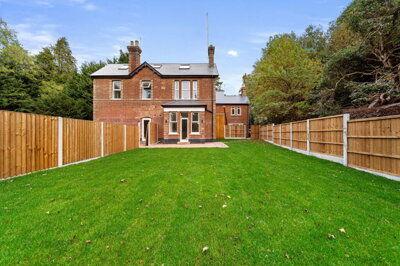
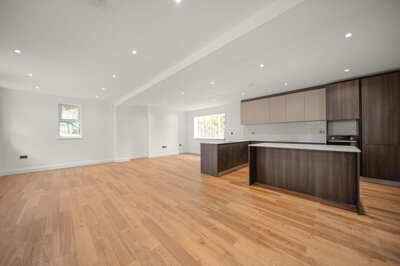
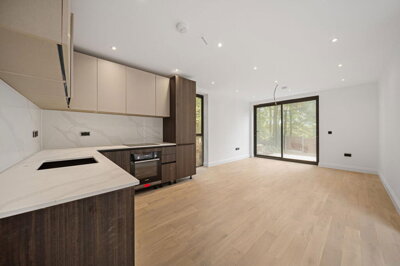
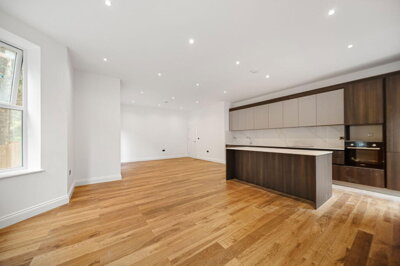
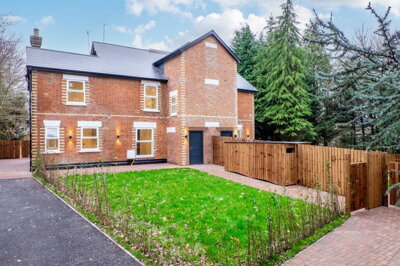
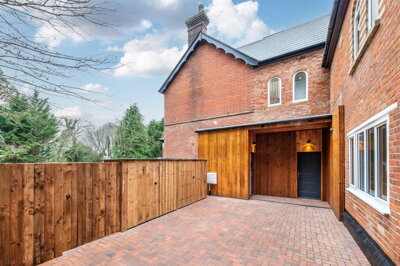
Browse 6 homes new builds in Wrotham, Tonbridge and Malling from local developer agents.
Studio apartments feature open-plan living spaces without separate bedrooms, incorporating sleeping, living, kitchen, and bathroom facilities. The Wrotham studio market includes properties in modern apartment complexes, modern purpose-built developments and new residential complexes.
£1.13M
1
0
22
Source: home.co.uk
Showing 1 results for Studio Flats new builds in Wrotham, Tonbridge and Malling. The median asking price is £1,125,000.
Source: home.co.uk
Flat
1 listings
Avg £1.13M
Source: home.co.uk
Source: home.co.uk
Wrotham's property market has held up well, with house prices in the TN15 7 postcode area up 11.3% over the past year, and 7.1% once inflation is stripped out. For buyers and investors drawn to the Kent countryside, that is hard to ignore. Even so, the longer view is more mixed. Sold prices over the last year were 21% lower than the previous year and 18% below the 2017 peak of £662,082, so a decisive buyer may still find value. Keeping an eye on those shifts matters before you commit.
The TN15 7 postcode area has been moving upwards, with house prices increasing by 11.3% over the past year and 7.1% once inflation is stripped out. That kind of momentum keeps Wrotham on the radar for people looking at the Kent countryside, whether for a home or an investment. Yet the sold-price picture is not a straight line, as values over the last year sat 21% below the previous year and 18% under the 2017 peak of £601,974. Read the figures together, and the market looks active, but not overheated.
Prices vary sharply by property type in Wrotham. Detached homes sit at the top of the market, averaging £885,000, which reflects the space and privacy on offer. Semi-detached houses come in at around £719,167, a level that still gives families useful room without the detached price tag. Terraced properties average £395,000, while flats, though less common in this rural setting, are available from about £190,000. Over the past 12 months, the market logged approximately 38 sales, which points to steady activity in a tightly held village.

Village life here feels distinctly Kentish, with countryside on the doorstep and a proper community core. In the centre, there is a choice of everyday amenities, from traditional pubs such as The Bull Hotel on the High Street to a primary school and handy village shops. The Kent Downs are close by, and the North Downs Way gives access to memorable walks across the chalk escarpment. Butts Hill Conservation Area also helps protect Wrotham's historic look and architectural character, so the village keeps its old shape while day-to-day life carries on.
Wrotham's economy is rural, but it is not sleepy. Census data from 2001 showed employment spread across retail (16%), real estate (14%), manufacturing (13%), and construction (10%), while unemployment remained notably low. A good number of residents are self-employed professionals too, which adds to the entrepreneurial feel. Proposed warehousing near Wrotham is expected to bring between 140-265 full-time jobs, a change that could lift local activity and support the housing market. With Sevenoaks, Maidstone, and Tonbridge all close enough for work, residents can keep countryside living and broader career options in the same picture.
For commuters and families, the location works better than many village settings. The A25 runs through nearby villages and links Wrotham with Sevenoaks to the west and Maidstone to the east. Borough Green and Wrotham railway station provides services toward London Bridge, while the M20 gives direct road access to London and the Channel ports. Gatwick and Heathrow are also reachable through the motorway network. It is a rural address, but not an isolated one.

Families moving to Wrotham will find useful schooling nearby. Wrotham Primary School serves younger children locally before pupils move on to secondary schools in the surrounding area. Around the village, there are several good options within sensible commuting distance by car or public transport. Kent also gives families state and independent choices, with grammar schools traditionally forming a strong part of the county's offer for academically selective children. It is sensible to check catchment areas and admissions criteria at the time, as these can shift and depend on the details of each case.
School choice often shapes property decisions in the Wrotham area. Beyond the state sector, independent schools across Kent open up further possibilities for families who prefer a different style of education. Sixth form provision sits at secondary schools in nearby towns, and further education colleges in Tonbridge, Maidstone, and Sevenoaks cover vocational and academic routes for older students. We would also look closely at journey times and transport options to schools when comparing homes, especially for secondary-age children who may travel on their own. Bus routes give some flexibility, although private transport still makes school runs simpler.
Ofsted's website gives school performance data for primary and secondary schools in the surrounding area, which helps with direct comparison. Many families who move to Wrotham point to Kent's schooling, along with the village's rural feel and transport links, as the main draw. Homes near the centre usually mean shorter school journeys, while properties on the edge of the village may offer more space but call for transport arrangements for school-age children.

Road access is one of Wrotham's practical strengths. The village sits close to the M20 motorway, which opens up routes to London, the Channel ports, and the wider motorway network. The A25 also runs through nearby villages, linking Wrotham with Sevenoaks to the west and Maidstone to the east. That makes the village a sensible base for people who commute by car into London or other parts of the Southeast. Peak-hour traffic on local roads still needs to be factored into everyday journey times.
Rail and bus links add another layer of convenience. Wrotham itself does not have a railway station, but nearby Borough Green and Wrotham station provides services to London Bridge and other destinations. The station sits in the adjacent TN15 postcode area and serves this part of Kent with regular trains through the day. Bus services run by Arriva and other providers link Wrotham with surrounding towns for those who would rather not drive. For international trips, the Channel ports and Eurostar terminals at Ashford and Ebbsfleet are reachable via the M20, while Gatwick and Heathrow call for longer motorway journeys.
Peak-time traffic can be a nuisance, especially on the M20 near junction 5 where the A20 converges. Planning an alternative route, or keeping some flexibility in working patterns, can make commuting less stressful. Anyone heading to Canary Wharf or the City of London can use the train from Borough Green and Wrotham station, although journey times still need to be built into relocation plans. Cycling has also become more popular with Wrotham residents, and the Kent Downs provide scenic routes for both leisure and day-to-day travel.

Spend time in Wrotham before you buy. Walk the village, pop into the local shops, and talk to residents so you get a feel for daily life. Check how close homes are to schools, transport links, and the amenities that matter to you and your family. It also helps to visit at different times of day and on different days of the week, so you can judge traffic and the general atmosphere for yourself.
We always suggest getting a mortgage agreement in principle before you start viewing. It strengthens your position when you put in an offer and shows the estate agent that finance has already been thought through. With that in place, you can set a realistic budget based on what a lender is prepared to offer, rather than on what you might hope to spend.
We use Homemove to browse every available property in Wrotham and arrange viewings with estate agents. Keep notes at each viewing, and ask about the condition of the property, any recent renovations, and why the seller is moving. Because Wrotham includes both period homes and new builds, it is sensible to get a clear picture of the full history of any place you are considering.
Wrotham's period houses and listed buildings make a Level 2 Home Survey essential. That kind of inspection picks up defects common in older properties, including damp, structural issues, and outdated electrics, which helps protect your investment. Many homes here use traditional building methods too, from timber framing and flint walls to clay peg tiles, so a surveyor needs specialist knowledge to read them properly.
Once the right home comes up, put your offer in through the estate agent. You can then negotiate on price or terms, taking survey findings and the wider market into account. Your mortgage broker and solicitor can advise on the contract side. With supply limited in the village, being ready to move quickly on a suitable property is no bad thing.
Choose a conveyancing solicitor to deal with the legal side of the purchase. They will carry out searches, manage the contracts, and keep in touch with your lender. On completion day, the keys to your new Wrotham home are handed over. Those searches should cover drainage and flood risk, given the surface water flood risk identified in nearby areas.
Buying in Wrotham means taking account of what comes with a historic village setting. There are 64 listed buildings recorded here, including one Grade I, four Grade II*, and 59 Grade II properties, so many homes come with duties under listed building rules. Before buying a listed property, bear in mind that external changes or major internal works usually need consent from the local planning authority. These buildings often use traditional materials and methods, which can mean specialist maintenance and higher upkeep than a modern equivalent.
Flood risk needs proper attention when assessing homes in Wrotham. The village itself sits on stable chalk geology within the Kent Downs, but nearby areas such as Borough Green Road and Busty Lane have been identified as high surface water flood risk, with greater than 3.3% annual chance of flooding. Properties by watercourses or in lower-lying spots deserve extra scrutiny during surveys. Looking at the home's position in relation to flood plains and drainage patterns helps build a clearer picture. A full RICS Level 2 survey will check drainage and signs of earlier water ingress, which is especially useful in those areas.
The local geology brings both benefits and things to watch. Wrotham's place on the chalk downs usually gives stable ground conditions, though some parts have clay-rich soils that can cause shrink-swell behaviour in dry spells. Homes with large mature trees close to the foundations are worth a closer look, as root activity can make movement issues worse. For older properties built with timber framing, flint walls, or clay peg tiles, it pays to understand the maintenance history and any structural work already done. Properties in the Butts Hill Conservation Area may also face extra planning restrictions on permitted development rights. We would also check electrical infrastructure, as residents on Pilgrims Way experienced an eight-month power outage caused by underground transformer faults, which shows local utility systems can be vulnerable.

For buyers after something newer, Wrotham has a clear option. Fernham Homes is bringing a collection of three and four-bedroom homes to the village centre area at TN15 7DT, with completion expected in Winter 2026. Those homes should appeal to families wanting new construction within the village envelope, close to the existing amenities and transport links. NHBC warranty coverage adds a further layer of comfort around build quality and structural integrity.
There are several active new build schemes in and around Wrotham for buyers who want modern accommodation. Fernham Homes is bringing a limited collection of three and four-bedroom homes to Wrotham, TN15 7DT, with completion expected in Winter 2026. On Battlefields Road, Barden Croft offers three, four, and five-bedroom homes starting from £630,000 for a three-bed up to £1,180,000 for a five-bed property. Orchard Mill on the same road has three-bedroom homes from £479,995, four-beds from £629,995, and five-bedroom properties from £785,000. Castle Grange on Battlefields Road provides entry-level new homes from £249,995, which gives first-time buyers a route into the Wrotham market.
Water Tower Place in nearby Platt offers something a little different, with a converted water tower and seven new homes, including four and five-bedroom detached and semi-detached properties. Some plots at this MAC Group development are available to purchase off-plan. Platt sits immediately beside Wrotham, shares the TN15 postcode, and brings similar lifestyle benefits while staying within easy reach of Wrotham village amenities. Buyers looking at new build homes should also allow for service charges on communal areas and any estate management fees that apply.

Knowing the construction types common in Wrotham helps buyers judge maintenance needs and likely issues. Older homes in the village and across the surrounding Kent Downs often use traditional methods, including oak and elm timber framing, with external walls made from flint or brick. Those building techniques are part of what gives Wrotham its character, but they need to be understood properly when assessing condition or planning changes. Many period homes still have original clay peg tiles on the roof, a classic Kentish feature that may need replacing from time to time as the tiles wear out.
Victorian and Edwardian homes in Wrotham usually have brown stock bricks, the sort commonly used in 19th-century buildings across Kent, with softer red bricks appearing a little later. These properties often have solid walls without cavity insulation, so breathability needs to stay front of mind if insulation is being improved, otherwise moisture problems can follow. Inside, there may be original timber floors, plasterwork, and decorative details that deserve careful survey work. Modern extensions to period homes have used brick types such as Lambs 2" Tudor Textured bricks, which blend three colours with random ash glazed bricks for a traditional finish that sits well beside older structures.
New build homes in Wrotham are built with contemporary methods that generally meet current building regulations. Modern bricks such as Chartham Grey, a waterstruck brick with blackish-grey tones, give a contemporary look while still sitting neatly within the village setting. Surveyors looking at homes across all construction types need to understand these local differences, because traditional brick and flint behaves differently from a modern cavity wall build. Where a property uses non-standard construction methods, extra specialist inspection may be needed on top of a standard Level 2 survey.
Battlefields Road brings together several developments at different price points. Barden Croft includes three, four, and five-bedroom detached and semi-detached homes, with three-bedroom properties starting from £630,000, four-beds from £700,000, and premium five-bedroom homes reaching £1,180,000. Orchard Mill offers a more competitive spread, with prices from £479,995 for a three-bedroom home, £629,995 for four bedrooms, and £785,000 for five-bedroom properties. Castle Grange gives the most accessible route into new-build living in Wrotham, with homes starting from £249,995 and appealing to first-time buyers or anyone seeking a smaller property.
Current market data puts the average sold house price in Wrotham over the past 12 months at approximately £601,974. Detached homes average around £885,000, semi-detached properties around £719,167, terraced houses around £395,000, and flats approximately £190,000. House prices in the TN15 7 postcode area have risen by 11.3% over the past year, so the market is active even with some volatility against earlier peaks. Over the same 12 months, approximately 38 sales were recorded.
Wrotham has a primary school serving the village, while secondary options are found in nearby towns, including schools with grammar provision in Kent such as those in Sevenoaks and Tonbridge. Families should check admissions policies at the time and weigh up journey times against their own needs. Independent schools across the wider area, including in Sevenoaks, Tonbridge, and Maidstone, give families more choice if they want a different approach. Further education colleges in Tonbridge, Maidstone, and Sevenoaks cover post-16 routes, and Ofsted's website provides school performance data for close comparison.
Bus services link Wrotham with surrounding villages and towns, although the frequency may be lower than in an urban area. Borough Green and Wrotham railway station, in the adjacent TN15 postcode, runs trains toward London Bridge with regular services through the day. The village sits close to the M20 motorway for car travel, giving good access to London, the Channel ports, and the wider motorway network. Gatwick and Heathrow can be reached via motorway routes for international travel, while the Eurostar terminals at Ashford and Ebbsfleet offer continental links.
Wrotham has several appealing points for property investment. The village combines a strong community with a beautiful countryside setting inside the Kent Downs National Landscape, plus proximity to major employment centres in London and Kent. Price growth of 11.3% points to market resilience, and the ongoing new build activity, from Fernham Homes to developments on Battlefields Road, shows demand is still there. Rental yields would reflect the local economy and commuting appeal, though rental stock is likely to be thinner here than in larger towns. The proposed industrial development near the village could also lift local employment and support values further.
Properties in Wrotham fall under Tonbridge and Malling Borough Council. Council tax bands run from A to H based on property value, and most homes here are likely to sit in bands C through F, given the area averages from around £395,000 for terraced properties to over £885,000 for detached homes. Specific bandings can be checked on the Valuation Office Agency website using the property address, or your solicitor can confirm them during conveyancing. Band D is usually the median council tax band in this area.
For standard purchases, Stamp Duty Land Tax is 0% on the first £250,000, 5% on £250,001 to £925,000, 10% on £925,001 to £1.5 million, and 12% on any amount above £1.5 million. First-time buyers get relief on the first £425,000 at 0%, with 5% applying between £425,001 and £625,000. With Wrotham's average property price at £601,974, a first-time buyer at that level would pay about £8,849 in stamp duty, while a subsequent buyer would pay around £17,599. Properties below £250,000 attract no stamp duty for any buyer category.
Period homes in Wrotham need a careful eye. The village has 64 listed buildings, alterations need planning consent, and many houses use traditional timber framing, flint walls, and clay peg tiles that call for specialist maintenance. Damp can creep in where ventilation is poor or weatherproofing has aged, which is common in older stock. Homes near mature trees should be checked for possible ground movement because some areas carry shrink-swell clay risk. Surface water flooding affects nearby places including Borough Green Road and Busty Lane, so drainage and the home's position relative to watercourses matter. A detailed RICS Level 2 survey will pick up these issues before you buy.
From £480
A specialist survey is wise for Wrotham's period properties, especially where timber framing, flint walls, and listed buildings are part of the picture.
From £499
Expert legal services for your Wrotham property purchase
From 4.5%
Competitive mortgage rates for Wrotham property purchases
From £85
Energy Performance Certificate for your Wrotham home
Several new build developments remain active in and around Wrotham. Fernham Homes is bringing three and four-bedroom homes to Wrotham TN15 7DT, with completion in Winter 2026. On Battlefields Road, Barden Croft has three to five-bedroom homes from £630,000 to £1,180,000, while Orchard Mill offers homes from £479,995 for three beds up to £785,000 for five beds. Castle Grange on the same road starts from £249,995. Nearby in Platt, Water Tower Place includes a converted water tower and seven new homes available to purchase off-plan. These schemes give buyers alternatives to Wrotham's mostly older housing stock.
Planning the full cost of buying in Wrotham matters just as much as the purchase price. Stamp Duty Land Tax applies to freehold and leasehold purchases above £250,000, so it needs to be included from the start. At the Wrotham average of £601,974, a standard buyer would pay around £17,599 in stamp duty, based on 5% of the amount above £250,000. First-time buyers benefit from higher thresholds, paying 0% on the first £425,000 and 5% on the slice between £425,001 and £625,000, which brings the stamp duty on an average-priced home to about £8,849. These figures assume the property will be your main residence.
There are other purchase costs to budget for too. Solicitor fees for conveyancing usually sit between £500 and £1,500, depending on complexity and whether the property is freehold or leasehold. Survey costs should be allowed for as well, and a RICS Level 2 Home Survey is recommended given Wrotham's older housing stock and listed buildings. In Kent, survey costs average around £480, though homes above £500,000 may cost more because inspection time and report preparation increase. An Energy Performance Certificate is legally required before a sale and normally costs between £85 and £150. Search fees, land registry fees, and moving costs round out the bill, and the total extra spend usually lands between £3,000 and £5,000 depending on the property's value and the circumstances.
Properties New Builds In London

Properties New Builds In Plymouth

Properties New Builds In Liverpool

Properties New Builds In Glasgow

Properties New Builds In Sheffield

Properties New Builds In Edinburgh

Properties New Builds In Coventry

Properties New Builds In Bradford

Properties New Builds In Manchester

Properties New Builds In Birmingham

Properties New Builds In Bristol

Properties New Builds In Oxford

Properties New Builds In Leicester

Properties New Builds In Newcastle

Properties New Builds In Leeds

Properties New Builds In Southampton

Properties New Builds In Cardiff

Properties New Builds In Nottingham

Properties New Builds In Norwich

Properties New Builds In Brighton

Properties New Builds In Derby

Properties New Builds In Portsmouth

Properties New Builds In Northampton

Properties New Builds In Milton Keynes

Properties New Builds In Bournemouth

Properties New Builds In Bolton

Properties New Builds In Swansea

Properties New Builds In Swindon

Properties New Builds In Peterborough

Properties New Builds In Wolverhampton

Enter your details to see if this property is within your budget.
Loans, cards, car finance
Estimated property budget
Borrowing + deposit
You could borrow between
Typical borrowing
Monthly repayment
Est. at 4.5%
Loan-to-value
This is an estimate only. Your actual budget may vary depending on interest rates, credit history, and personal circumstances. For an accurate affordability assessment, speak to one of our free mortgage advisors.
This calculator provides estimates for illustrative purposes only and does not constitute financial advice. Your home may be repossessed if you do not keep up repayments on your mortgage. Estimates based on 4.5% interest rate, repayment mortgage. Actual rates depend on your circumstances.
Homemove is a trading name of HM Haus Group Ltd (Company No. 13873779, registered in England & Wales). Homemove Mortgages Ltd (Company No. 15947693) is an Appointed Representative of TMG Direct Limited, trading as TMG Mortgage Network, which is authorised and regulated by the Financial Conduct Authority (FRN 786245). Homemove Mortgages Ltd is entered on the FCA Register as an Appointed Representative (FRN 1022429). You can check registrations at NewRegister or by calling 0800 111 6768.

We use cookies to show you personalised content and improve your experience of our website. Find out more in our Privacy policy and Cookie policy.