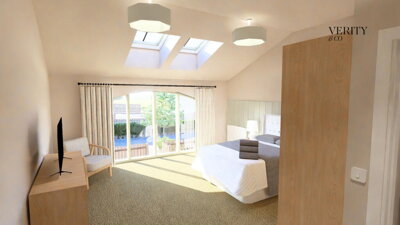
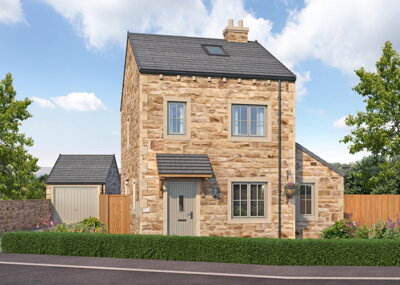
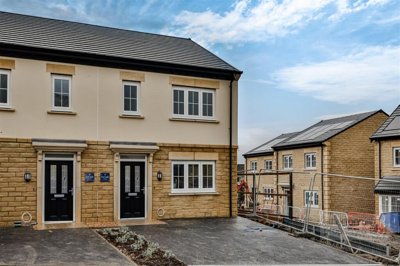
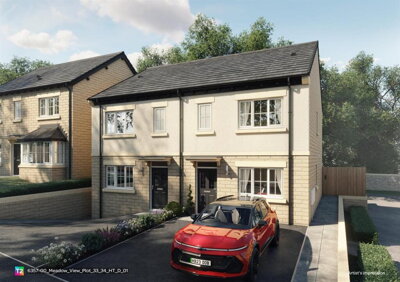
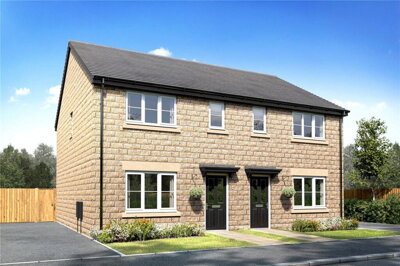
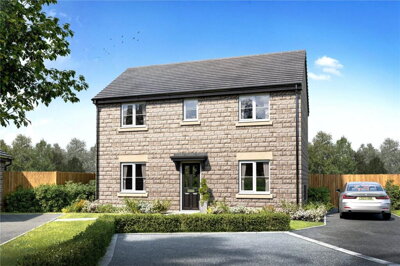
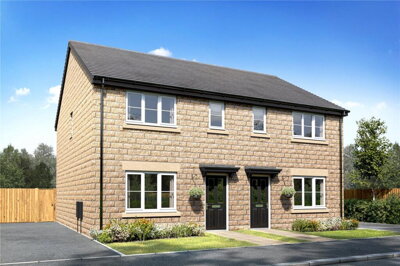
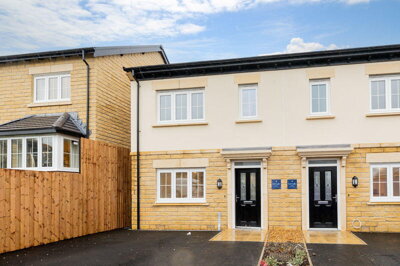
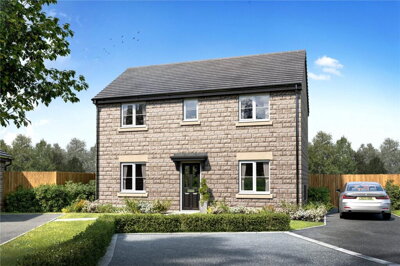
Browse 9 homes new builds in Worsthorne-with-Hurstwood from local developer agents.
Three bedroom properties represent a significant portion of the Worsthorne With Hurstwood housing market, offering space for families with multiple reception rooms and gardens in many cases. Browse detached, semi-detached, and terraced options ranging across new residential developments.
Worsthorne-with-Hurstwood’s housing market is fairly mixed, with stock to suit a range of budgets and buyer needs. Detached homes sit at the top end at around £314,904, which reflects the extra space and privacy they bring, especially for growing families who want room to spread out. Semi-detached houses make up approximately 45% of the housing stock according to 2021 Census data, and average £217,923, giving a solid middle ground between cost and family-sized rooms. Terraced properties in the village begin at around £163,000, so they can work well for first-time buyers or investors seeking rental potential in an established residential area. Flats are much less common, at only 1.5% of the housing stock, which makes them something of a rarity in this mainly house-led village.
Fresh options are also coming forward through several new build schemes. Meadow View in Worsthorne offers three and four-bedroom detached and semi-detached homes priced from approximately £290,000 to £427,000, with house types including The Coniston, The Bromley, The Morley, The Casterton, The Thursby, and The Firbank. The aim is to suit modern family life without clashing with the local look of the village. Millers Green, built by B&E Boys, brings three and four-bedroom family homes with traditional natural slate roofs and stone walls that sit comfortably in the surroundings, while the show home and sales suite are at Heckenhurst Avenue in Brownside.
Planning activity has included conversions as well, which gives a good sense of how the area is changing without losing its older buildings. Butchers Farmhouse Barn on Ormerod Street has permission for five residential dwellings, while Badger Hole Barn on Brownside Road has approval for the rebuilding and conversion of a derelict structure into a one-bedroom dwelling. Around Hurstwood Lane, the BB10 3LF postcode has seen strong growth of 13.5% since September 2021, which points to steady demand in parts of the parish. Recent homedata.co.uk figures show 33 properties were sold in the area over the past year, and the spread is wide depending on street and property type. Wallhurst Close has risen by 40% over the previous year and now averages £350,000, while Church Square is down 33% from the 2022 peak of £246,000 to about £165,000.
Worsthorne-with-Hurstwood has a strong industrial and agricultural back story, and you can still see it in buildings that reach back to the 17th century alongside a notable amount of Victorian workers’ housing. There is a fairly high concentration of back-to-back homes from 1845 to 1890, plus later terraces built after 1890 for mill workers. That mix gives the village a distinctive feel. Sandstone walls, stone slate or blue Welsh slate roofs, and details such as gable coping, quoins, and hood moulds all speak to the skill of earlier builders. Many homes have been carefully maintained and updated by successive owners, so period character often sits alongside modern comfort.
Its semi-rural setting is part of the appeal, and Burnley’s amenities are close by. According to 2022 Valuation Office Agency data, bungalows account for 29% of the housing stock in Worsthorne-with-Hurstwood, well above the Burnley and England averages, which makes the area popular with older buyers and anyone wanting single-level living. Two Conservation Areas, Worsthorne, designated in March 1978, and Hurstwood, designated in February 1973, help protect the most historic parts of the parish. There are 22 listed buildings in all, including four Grade II* buildings, Jacksons Farmhouse, Hurstwood Hall, The Great Barn, and Spenser House, so the area suits buyers who value heritage and character.
The parish reaches further back still, with four Scheduled Monuments that include Bronze Age cairns and Romano-British farmsteads, a reminder of just how long people have lived in this part of East Lancashire. Many of the Grade II* listed buildings began life as farm buildings, and several sit within the conservation areas, where tighter planning controls help protect the historic setting. Clay soils over shale are part of the local geology, and that has affected building foundations for centuries. Buyers should bear in mind the shrink-swell behaviour of clay soils, especially during periods of extreme weather or drought.

Families thinking about a move to Worsthorne-with-Hurstwood have a number of schooling options in the village and nearby. Primary schools cater for children from reception through to Year 6, while the secondary stage usually means travelling into Burnley and beyond. Good schools nearby make the area appealing to households with children, although catchment areas and admissions policies need checking carefully because they can vary and shift over time. Many of the local primaries have a strong community feel too, with outdoor learning spaces that make good use of the semi-rural setting.
That family focus is reflected in the housing mix, especially with semi-detached homes making up 45% of the stock. Parents moving here should note that primary school provision is concentrated across the BB10 postcode area, and schools tend to serve specific catchments that do not always line up neatly with parish boundaries. Lancashire County Council manages school place applications, so it is sensible to check the current arrangements and any proposed changes before setting a move budget.
Burnley provides the secondary education offer, with a number of long-established schools running GCSE and A-Level courses, while colleges in the wider area cover further education. If academic results matter, it is worth looking at each school’s data, recent Ofsted inspections, and exam outcomes before choosing where to buy. The nearest secondary schools draw from a wider catchment, so admission can be competitive depending on the school and applicant numbers. Sixth form provision means older students can often stay local rather than travel further afield, with both school sixth forms and dedicated further education colleges available. We would always suggest visiting schools in person and speaking to admissions teams to check the current position and any future changes.

Set within the BB10 postcode area, Worsthorne-with-Hurstwood has transport links that work for both local trips and longer-distance commuting. The M65 motorway runs close by, giving direct access to Preston, Blackburn, and the wider motorway network. That makes the village a realistic option for people who work in bigger regional centres but still want village life. From most parts of the parish, the motorway junction is roughly 10-15 minutes’ drive away, depending on where you are and how busy the roads are.
Bus links do operate, tying the village to Burnley town centre and nearby settlements, though a car is still useful for anyone with less straightforward day-to-day travel needs. The buses give access to Burnley’s shopping, healthcare, and employment areas, and they also connect through to neighbouring towns. For those commuting to Manchester, Leeds, or Preston, the M65 offers a relatively direct route, although journey times change quite a bit with the time of day and traffic.
Rail services are available from nearby stations on the East Lancashire Line, with regular trains to Manchester Victoria, Leeds, and other major destinations. Burnley Manchester Road station and Burnley Central station both work for rail commuters, and journeys to Manchester usually take around one hour depending on connections and service frequency. For Preston or Blackburn, the M65 provides a fairly straightforward drive, often 30-45 minutes depending on traffic. There is also local cycling infrastructure, and the surrounding countryside lanes mean Worsthorne-with-Hurstwood suits active commuting or weekend rides into the Pennines, with routes to suit different abilities and preferences.

Before you start viewing homes, it makes sense to get a mortgage agreement in principle from a lender. It gives you a clearer idea of budget and shows sellers that you are serious. It also helps us point you towards the right properties when browsing our listings. With the average property price in Worsthorne-with-Hurstwood at £229,301, most buyers will need a mortgage, so getting agreement in principle sorted early can give you a useful edge in a lively market.
Our platform is a good place to look at current listings, recent sales data, and price trends in Worsthorne-with-Hurstwood. Knowing what homes sell for on particular streets and within specific developments makes it easier to judge value. The figures vary sharply, too, with Wallhurst Close averaging £350,000 and showing 40% annual growth, while Church Square sits at around £165,000. Condition, recent improvements, and proximity to local amenities all play a part in those differences.
Once you have a shortlist, speak to estate agents and book viewings for homes that fit your brief. It is worth seeing properties at different times of day and thinking about noise, light, and the feel of the street before you make an offer. For period homes in the conservation areas, check the original features carefully, ask about maintenance history, and find out whether any past alterations were approved.
After an offer is accepted, we recommend booking a RICS Level 2 Survey so the property’s condition can be assessed properly. That matters even more here because many homes are old and the clay soil conditions can affect foundations. Our RICS Level 2 Survey in Worsthorne-with-Hurstwood starts from £350, and it gives a detailed view of defects that may need attention before or after purchase.
Next, appoint a conveyancing solicitor to deal with the legal side of the purchase, including searches, contracts, and registration with the Land Registry. Your solicitor will work with the seller’s representatives throughout the transaction and can talk you through any issues that come out of local searches, including conservation area restrictions and flood risk assessments.
When all the surveys, searches, and legal work are in order, contracts are exchanged and the deposit is paid. Completion usually follows within days or weeks, once the remaining funds are transferred and the keys are released to the new owner. Our conveyancing partners can support you through that stage and help keep every step accurate and on track.
There are a few local points buyers should look at closely before going ahead with a purchase in Worsthorne-with-Hurstwood. The geology includes clay soils overlying shale, which brings a shrink-swell risk and can lead to subsidence, especially in periods of extreme weather or drought. That risk sits alongside the age of many homes, with plenty built before 1900. A thorough RICS Level 2 Survey can pick up problems with foundations, walls, and drainage that might need remedial work or could affect buildings insurance.
Sandstone is the main building material across the area, and it gives the village its look, although it does need regular maintenance to guard against water ingress and weathering. Historically, roofs were made with stone slates, while blue Welsh slate became common on Victorian terraces built after 1845. Roof covering and roof condition matter a great deal when assessing older properties, because replacement can be costly. Some period houses have been re-roofed with modern interlocking concrete tiles, which may or may not suit the original character.
Because there are so many conservation areas and listed buildings in the parish, it is important for buyers to know that major changes to period homes may need planning permission or listed building consent from Burnley Borough Council. That can affect extensions, renovations, and even window or door changes. The parish has 22 listed buildings, including four Grade II* properties, and any work to them needs consent from the local planning authority. Homes near the rivers and reservoirs should also be checked for flood risk, and the cost of buildings insurance needs to sit in the wider budget. Hurstwood, Cant Clough, Swinden, and Lea Green reservoirs, together with the brooks feeding the River Brun, point to places that may be more exposed during heavy rainfall.

According to recent property data, the average house price in Worsthorne-with-Hurstwood is £229,301. Detached homes average around £314,904, semi-detached properties £217,923, and terraced homes about £163,000. homedata.co.uk records show 33 properties sold in the area over the past year, and the values vary a lot by location and type. Wallhurst Close has seen 40% growth over the previous year, while other streets have moved more gradually. The BB10 3LF postcode around Hurstwood Lane has risen 13.5% since September 2021, which shows demand is building in parts of the parish.
For council tax, properties in Worsthorne-with-Hurstwood fall under Burnley Borough Council. The band depends on the valuation, with rates running from A through to H. Band A homes have the lowest annual bill, while Band H properties carry the highest council tax liability. We would advise checking the Valuation Office Agency website to confirm the band for any home you are considering, then folding that cost into your budget alongside mortgage payments, buildings insurance, and maintenance.
Families have several primary and secondary education choices in Worsthorne-with-Hurstwood and the wider Burnley area. Primary schools nearby take children from reception through Year 6, and the secondary schools offer GCSE and A-Level programmes. The strong presence of family housing, especially semi-detached homes at 45% of the housing stock, reflects the community’s family-friendly make-up. Parents should look at school performance data, recent Ofsted inspection results, and catchment boundaries before deciding where to buy, since admissions can be competitive depending on the school and the number of applicants.
Bus services link Worsthorne-with-Hurstwood to Burnley town centre and surrounding villages, while stronger rail links are available from nearby stations. Burnley Manchester Road and Burnley Central both run regular East Lancashire Line services to Manchester, Leeds, and other destinations, with Manchester journeys usually taking around one hour. The M65 passes close to the area, giving road access to Preston, Blackburn, and the wider motorway network. Even so, a car is useful for day-to-day commuting and for reaching services across the wider area, especially given the parish’s semi-rural setting.
For property investors, Worsthorne-with-Hurstwood has a few attractive points. The average price of £229,301 gives a relatively accessible starting point compared with many other parts of Lancashire and the North West. Its semi-rural feel, together with local amenities, supports rental demand from tenants who want village living. Meadow View and Millers Green add modern stock into the mix, which broadens the appeal further. That said, investors should think about the owner-occupier bias in the area, the shape of the local rental market, and the effect conservation area restrictions may have on future improvements.
Stamp Duty Land Tax, or SDLT, for 2024-25 starts at 0% on the first £250,000 of residential property purchases. From there, the rate moves to 5% on the portion between £250,001 and £925,000, then 10% up to £1.5 million, and 12% above £1.5 million. First-time buyers can claim relief on the first £425,000, with 5% due on the portion between £425,001 and £625,000, although that relief does not apply to purchases above £625,000. At the average price of £229,301, a first-time buyer would pay no stamp duty, which makes this a very workable entry point.
Hurstwood, Cant Clough, Swinden, and Lea Green reservoirs are all within the parish, and the River Brun is formed by brooks including Hurstwood, Cant Clough, and Shedden Brooks. A full flood risk assessment for a particular property needs detailed searches, but those water features do point to the possibility of river and surface water flooding in some places. Before buying, we would always suggest a professional survey, plus a check of local flood maps and historical records, particularly for homes in lower-lying spots or close to watercourses. Where flood risk is higher, buildings insurance can also cost more.
There are two Conservation Areas in Worsthorne-with-Hurstwood, the Worsthorne Conservation Area, designated in March 1978, and the Hurstwood Conservation Area, designated in February 1973. Homes within these areas face extra planning controls for external alterations, demolitions, and new development. The parish also includes 22 listed buildings, with four Grade II* properties, Jacksons Farmhouse, Hurstwood Hall, The Great Barn, and Spenser House, and any significant work on them needs listed building consent. If you are looking at period property here, it is sensible to speak with Burnley Borough Council planning department before committing to a purchase, because consent requirements can affect both budget and timings.
From £350
A detailed survey for homes in Worsthorne-with-Hurstwood
From £499
Legal services for your property purchase
From 4.5% APR
Competitive mortgage rates for buyers
From £85
Energy performance certificate for properties
Getting a grip on the full cost of a purchase in Worsthorne-with-Hurstwood helps keep the budget realistic and avoids awkward surprises later in the process. SDLT is charged on a tiered basis, with the first £250,000 of a residential purchase currently taxed at 0%. At the current average price of £229,301, most buyers would not pay any SDLT at all. For homes above £250,000, 5% applies on the portion between £250,001 and £925,000, with higher rates on more expensive properties. First-time buyers benefit from higher thresholds, with relief available on the first £425,000 for qualifying purchasers, so a first-time buyer paying the average price would owe no stamp duty.
Alongside stamp duty, buyers need to account for solicitor conveyancing fees, which usually begin at around £499 for a standard transaction but can rise with complexity. Survey costs are another line to include, with a RICS Level 2 Survey, also known as a Homebuyer Report, starting from approximately £350 depending on property size and value. Search fees, Land Registry fees, and bank transfer charges can add several hundred pounds more. Buildings insurance starts from completion day, and there may also be removal costs, redecoration, and renovation spend if the home needs work. For period properties in conservation areas or listed buildings, extra costs can arise from planning permissions or listed building consents for proposed alterations.
Anyone budgeting for a move to Worsthorne-with-Hurstwood should also think about the cost of keeping traditional building features in good order. Sandstone walls and stone slate or Welsh slate roofs often need specialist contractors for repairs and maintenance, and that tends to cost more than standard building work. With a large share of homes built before 1900, buyers should also allow for possible updates to electrics, heating, and insulation so the property meets modern standards. A proper survey before purchase can highlight any outstanding maintenance issues and give room to negotiate the price accordingly.

Properties New Builds In London

Properties New Builds In Plymouth

Properties New Builds In Liverpool

Properties New Builds In Glasgow

Properties New Builds In Sheffield

Properties New Builds In Edinburgh

Properties New Builds In Coventry

Properties New Builds In Bradford

Properties New Builds In Manchester

Properties New Builds In Birmingham

Properties New Builds In Bristol

Properties New Builds In Oxford

Properties New Builds In Leicester

Properties New Builds In Newcastle

Properties New Builds In Leeds

Properties New Builds In Southampton

Properties New Builds In Cardiff

Properties New Builds In Nottingham

Properties New Builds In Norwich

Properties New Builds In Brighton

Properties New Builds In Derby

Properties New Builds In Portsmouth

Properties New Builds In Northampton

Properties New Builds In Milton Keynes

Properties New Builds In Bournemouth

Properties New Builds In Bolton

Properties New Builds In Swansea

Properties New Builds In Swindon

Properties New Builds In Peterborough

Properties New Builds In Wolverhampton

Enter your details to see if this property is within your budget.
Loans, cards, car finance
Estimated property budget
Borrowing + deposit
You could borrow between
Typical borrowing
Monthly repayment
Est. at 4.5%
Loan-to-value
This is an estimate only. Your actual budget may vary depending on interest rates, credit history, and personal circumstances. For an accurate affordability assessment, speak to one of our free mortgage advisors.
This calculator provides estimates for illustrative purposes only and does not constitute financial advice. Your home may be repossessed if you do not keep up repayments on your mortgage. Estimates based on 4.5% interest rate, repayment mortgage. Actual rates depend on your circumstances.
Homemove is a trading name of HM Haus Group Ltd (Company No. 13873779, registered in England & Wales). Homemove Mortgages Ltd (Company No. 15947693) is an Appointed Representative of TMG Direct Limited, trading as TMG Mortgage Network, which is authorised and regulated by the Financial Conduct Authority (FRN 786245). Homemove Mortgages Ltd is entered on the FCA Register as an Appointed Representative (FRN 1022429). You can check registrations at NewRegister or by calling 0800 111 6768.

We use cookies to show you personalised content and improve your experience of our website. Find out more in our Privacy policy and Cookie policy.