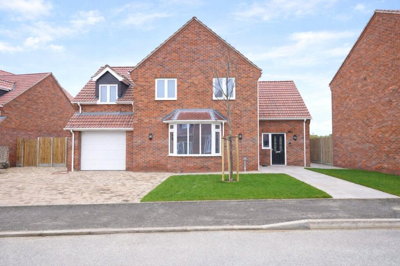
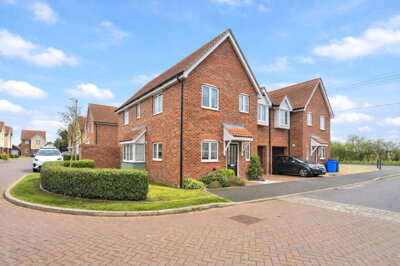
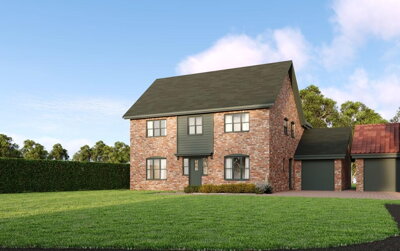
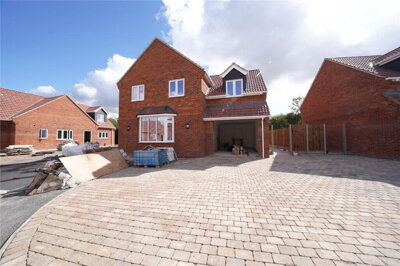
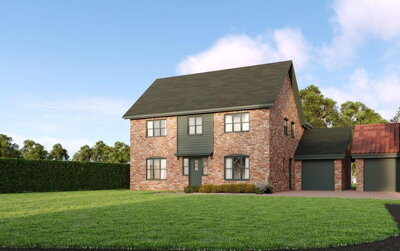
Browse 5 homes new builds in Worlington, West Suffolk from local developer agents.
The larger property sector typically features multiple bathrooms, substantial reception space, and private gardens or off-street parking. Four bedroom houses in Worlington span detached, semi-detached, and occasionally terraced configurations, with styles ranging from period properties to modern executive homes.
£500k
4
0
80
Source: home.co.uk
Showing 4 results for 4 Bedroom Houses new builds in Worlington, West Suffolk. The median asking price is £500,000.
Source: home.co.uk
Detached
3 listings
Avg £566,667
Semi-Detached
1 listings
Avg £450,000
Source: home.co.uk
Source: home.co.uk
Detached homes sit at the top end of the Worlington market, and the average of £553,033 reflects the appeal of larger plots, period features and the limited supply of premium houses. Semi-detached homes average £253,500, while terraced properties at £204,526 offer a lower entry point for buyers who still want a village address. That spread matters in a small market, because condition, plot size and position near the historic core can shift values sharply from one street to the next. Buyers comparing homes should look closely at recent sold prices rather than relying on one headline figure.
homedata.co.uk records suggest the market has been steady rather than volatile, with price movement close to flat and only a slight year-on-year fall. A village of this size rarely sees large bursts of activity, so a good home can attract attention even when the wider market feels calm. I have not found a confirmed active new-build scheme within Worlington itself, so most buyers are choosing from existing stock rather than brand-new homes. That mix is useful for people who like character properties, but it also means buyers should be ready to move when a well-kept house comes up.

Worlington feels like a true village rather than a commuter suburb, with around 441 residents and roughly 250 dwellings in the current parish area. That small scale gives it a close-knit feel, and the local housing stock reflects its history, with many homes built in brick, often red or buff, and roofs finished in clay or concrete tiles. The village core includes older properties, All Saints Church and a number of listed buildings, while the wider parish keeps the rural backdrop that many buyers come here for. People who want calm surroundings, character streets and a sense of place usually notice Worlington quickly.
The landscape and ground conditions matter here as well, because the village sits on chalk bedrock with sand, gravel and pockets of clay above it. Clay can bring a moderate to high shrink-swell risk, so buyers should pay attention to movement cracks, drainage and the age of the foundations on older houses. Flood risk also varies, with the River Lark nearby and surface water issues possible in lower-lying spots after heavy rain. That mix of charm and practical detail is exactly why Worlington rewards careful viewing and a good survey.
Worlington is small enough that many families widen their school search beyond the parish boundary and look across nearby West Suffolk and the surrounding market towns. That is often the sensible approach, because the best fit depends on admissions, travel time, and the current Ofsted picture rather than on proximity alone. If school choice matters to your move, check catchment areas early and compare the morning run as part of your viewing shortlist. A well-priced house can become far less attractive if the route to school adds stress to every weekday.
Families buying here often want a balance of rural living and practical access to primary, secondary and sixth-form options. Suffolk County Council admissions information should be checked before you make an offer, especially if you need a particular school place or school transport arrangement. Because the parish is compact, many buyers also consider how easy it is to drive children to clubs, sports and after-school activities in nearby Mildenhall or Newmarket. That planning is worth the effort, since a house that works on paper can feel much better day to day if the school run is simple.

Worlington works best for buyers who are comfortable driving as part of everyday life. Mildenhall lies about 1 mile to the south-west and Newmarket about 6 miles to the north, so the village has useful access to local jobs, services and shopping without losing its rural feel. That position suits commuters linked to RAF Mildenhall, the horse racing industry in Newmarket and the wider Suffolk economy. For a village of this size, that is a strong combination of calm surroundings and practical reach.
Rail users need to plan a little more carefully, because the village itself is not built around a station. Most buyers will think in terms of driving or taking a local bus to reach a broader transport hub, then continuing by train from there. That is one reason why a mortgage agreement in principle and a realistic travel plan should sit alongside your property search from the start. Parking is usually easier than in larger towns, but the older lanes near the historic core can feel tighter for larger vehicles and visiting guests.
A small parish with a well-defined identity can be very appealing to buyers who do not want a large estate or a crowded commuter belt. Worlington has that appeal in spades, with a historic centre, conservation controls and a housing mix that leans heavily towards older homes rather than repetitive new development. homedata.co.uk records show roughly 30 to 40 sales over the last 12 months, so the market is active enough to stay interesting but small enough that good houses stand out. Buyers who like village life often value that combination of limited supply and strong character.
The local buyer profile tends to include upsizers, downsizers and households tied to nearby employment centres rather than people chasing a fast-moving urban market. Detached houses suit buyers after space, semi-detached homes attract those balancing value and room, and terraced properties can work for first-time buyers or those wanting a smaller footprint. Because the parish sits close to Mildenhall and Newmarket, it also appeals to commuters who want a quieter base without giving up access to work. That practical demand can help support resale prospects when a home is well maintained and sensibly priced.
Heritage matters here too, because older properties and listed buildings give Worlington a sense of continuity that many new estates cannot match. All Saints Church, Worlington Hall and the village conservation area help shape the look and feel of the area, which is part of the reason buyers come looking in the first place. The same qualities that make the village attractive can also make it a more thoughtful purchase, since period homes often need careful budgeting and a good survey. Buyers who understand that trade-off usually get the most out of the local market.
Start with a mortgage agreement in principle so you know your borrowing power before you book a viewing. In a smaller village market like Worlington, being ready to move can make a real difference when the right home appears.
Compare streets, access routes, flood risk and the feel of the historic core before you offer. A home near the River Lark or within the conservation area can suit some buyers more than others, so local knowledge matters.
Visit at school-run time, after work and at the weekend so you can judge noise, parking and traffic properly. That simple check often tells you more than a single midday viewing ever will.
Book a RICS Level 2 survey for a standard home, and consider a Level 3 survey for older, altered or listed properties. Worlington has enough period stock that damp, roof wear and movement deserve a proper look.
Ask your conveyancer to check title, searches, flood clues and any conservation area or listed building restrictions early on. Good legal work keeps the purchase moving and can flag problems before they become expensive.
Once the survey, mortgage and legal checks are all in hand, you can move from offer to exchange with confidence. Keep an eye on removal dates, insurance and final meter readings so moving day feels organised rather than rushed.
Flood risk is one of the first things I would check in Worlington, especially if a property sits close to the River Lark or on lower ground. Surface water can also build up after heavy rain, so look at drainage, garden levels and the way rainwater leaves the plot. Soil conditions matter too, because the clay content in parts of the area can increase shrink-swell risk and lead to movement if foundations are shallow. Small cracks are not always a deal-breaker, but they should be explained rather than ignored.
Older houses bring charm, yet they also bring the usual period-property questions around damp, roof condition, timber decay, outdated electrics and older plumbing. That is why a RICS Level 2 survey in Worlington, which typically costs £400 to £700, is a sensible starting point for standard homes. Listed buildings and heavily altered homes may need a RICS Level 3 survey instead, because the construction is more complex and the potential repair bill can be harder to judge. If a survey uncovers defects, you still have time to renegotiate or step back before the purchase becomes binding.
Conservation area rules can also affect what you can change once you own the property, particularly on windows, doors, roof materials and external finishes. That is especially important around the historic core, where the setting of the building can matter as much as the building itself. Flats are less common than houses in Worlington, but if you do find one, check lease length, service charges and ground rent carefully before you commit. Small villages often reward patient buyers, yet the right checks on the front end can save money and stress later.
homedata.co.uk records show an average sold price of £297,365 over the last 12 months. Detached homes average £553,033, semi-detached properties £253,500 and terraced homes £204,526. The market is small, so individual prices can sit above or below those figures depending on plot size, condition and position in the village. Recent movement has been calm, with values 1% lower than a year ago and 10% below the 2022 peak of £331,587.
Council tax is set by West Suffolk Council, and the band depends on the specific property rather than the village as a whole. Older detached houses, smaller terraces and converted homes can all sit in different bands, even on the same lane. Your solicitor should confirm the details during the conveyancing process, and you can also check the band for any address before you make an offer. It is a useful monthly cost to include early in your budget.
Worlington is a small parish, so families usually compare schools across the wider Mildenhall and Newmarket area rather than relying on options inside the village itself. The best fit often depends on catchment, travel time and current Ofsted results, which can change over time. If education is a priority, check admissions rules before you offer so you know where your child is likely to get a place. A good house in the wrong catchment can become a poor fit very quickly.
Worlington is better for drivers than for people who want a station on the doorstep. Mildenhall is about 1 mile away and Newmarket about 6 miles away, which helps with work trips and shopping, but most rail journeys will need an extra leg by car or bus. That is why peak-time route testing matters if you commute every day. Parking is generally easier than in larger towns, which is a plus for households with more than one vehicle.
The market looks steady rather than speculative, which suits buyers who prefer long-term demand over quick flips. homedata.co.uk shows a modest 1% year-on-year fall, and sales activity has been limited to roughly 30 to 40 homes over the last 12 months. That level of supply can support resale value when a property is well presented, properly priced and in a good part of the village. As with any investment, the final numbers depend on purchase price, running costs and how much work the home needs.
On the average Worlington home of £297,365, a standard buyer would pay about £2,368 in stamp duty under the current 2024-25 thresholds. First-time buyers would pay no stamp duty on that price because relief applies up to £425,000. If you buy a detached home around the local average of £553,033, the standard SDLT bill rises to about £15,152. Additional homes attract the higher-rate surcharge on top, so landlord or second-home buyers should budget carefully.
A survey is a very sensible step in Worlington because the village has older housing, listed buildings and a conservation area. Damp, roof wear, timber defects, clay movement and outdated services are all worth checking before you exchange contracts. A RICS Level 2 survey works for many standard homes, while a Level 3 survey is better for older, altered or listed properties. The report can help you renegotiate, plan repairs or walk away if the risk is too high.
Buying costs in Worlington do not stop at stamp duty, so it pays to map out the full budget before you make an offer. A standard buyer on the village average of £297,365 would owe about £2,368 in SDLT, while a first-time buyer on the same price would pay nothing under the current relief rules. If you are looking at a higher-value detached home, the tax bill rises quickly, and additional-home buyers must also add the higher-rate surcharge. Getting those numbers straight early helps you avoid stretching too far on the purchase price.
Legal fees, mortgage costs, searches and a survey can all add up, especially in a village with older homes and conservation area considerations. A mortgage agreement in principle is the cleanest first step, because it gives you a spending ceiling and makes your offer look more serious to sellers. After that, a conveyancer and surveyor can help you separate the charming features from the expensive surprises. In a market as small as Worlington, that preparation can be the difference between a smooth move and a missed opportunity.
Properties New Builds In London

Properties New Builds In Plymouth

Properties New Builds In Liverpool

Properties New Builds In Glasgow

Properties New Builds In Sheffield

Properties New Builds In Edinburgh

Properties New Builds In Coventry

Properties New Builds In Bradford

Properties New Builds In Manchester

Properties New Builds In Birmingham

Properties New Builds In Bristol

Properties New Builds In Oxford

Properties New Builds In Leicester

Properties New Builds In Newcastle

Properties New Builds In Leeds

Properties New Builds In Southampton

Properties New Builds In Cardiff

Properties New Builds In Nottingham

Properties New Builds In Norwich

Properties New Builds In Brighton

Properties New Builds In Derby

Properties New Builds In Portsmouth

Properties New Builds In Northampton

Properties New Builds In Milton Keynes

Properties New Builds In Bournemouth

Properties New Builds In Bolton

Properties New Builds In Swansea

Properties New Builds In Swindon

Properties New Builds In Peterborough

Properties New Builds In Wolverhampton

Enter your details to see if this property is within your budget.
Loans, cards, car finance
Estimated property budget
Borrowing + deposit
You could borrow between
Typical borrowing
Monthly repayment
Est. at 4.5%
Loan-to-value
This is an estimate only. Your actual budget may vary depending on interest rates, credit history, and personal circumstances. For an accurate affordability assessment, speak to one of our free mortgage advisors.
This calculator provides estimates for illustrative purposes only and does not constitute financial advice. Your home may be repossessed if you do not keep up repayments on your mortgage. Estimates based on 4.5% interest rate, repayment mortgage. Actual rates depend on your circumstances.
Homemove is a trading name of HM Haus Group Ltd (Company No. 13873779, registered in England & Wales). Homemove Mortgages Ltd (Company No. 15947693) is an Appointed Representative of TMG Direct Limited, trading as TMG Mortgage Network, which is authorised and regulated by the Financial Conduct Authority (FRN 786245). Homemove Mortgages Ltd is entered on the FCA Register as an Appointed Representative (FRN 1022429). You can check registrations at NewRegister or by calling 0800 111 6768.

We use cookies to show you personalised content and improve your experience of our website. Find out more in our Privacy policy and Cookie policy.