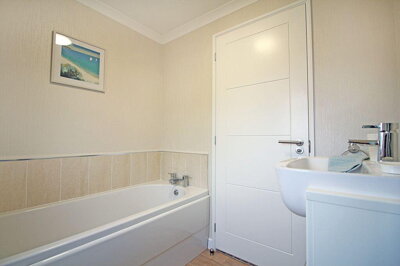
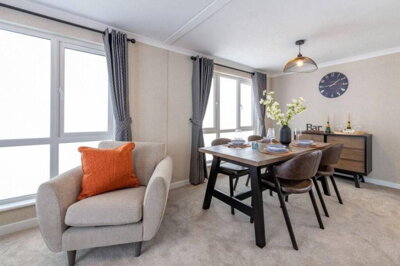
Browse 2 homes new builds in Wheldrake, York from local developer agents.
The Wheldrake property market offers detached, semi-detached, and terraced houses spanning various price ranges and neighbourhoods. Each listing includes detailed property information, photographs, and direct contact with the marketing agent.
£550k
11
1
149
Source: home.co.uk
Showing 11 results for Houses new builds in Wheldrake, York. 1 new listing added this week. The median asking price is £550,000.
Source: home.co.uk
Detached
10 listings
Avg £565,800
Semi-Detached
1 listings
Avg £375,000
Source: home.co.uk
Source: home.co.uk
Wheldrake’s property market has kept a steady pace, with an overall average house price of £418,654 according to home.co.uk listings data updated in early 2026. homedata.co.uk puts the average sold price a little higher at £454,821 over the past 12 months, while home.co.uk shows £455,000 as the average price paid. Those figures place Wheldrake firmly in premium village territory for the York area, helped by strong commuter links and a family-friendly feel. Even with wider national swings, values have held up well, and prices now sit 5% above the 2023 peak of £397,571.
Wheldrake’s housing stock covers a broad spread of buyer needs. Detached homes average £422,708 and make up most of the recent sales according to home.co.uk listings data. Semi-detached properties sit around £370,000, while terraces on streets such as Main Street average about £292,500. Flats are less common, but their average is £122,500. Over the past decade, 590 properties have changed hands in Wheldrake, and houseprices.io records 1,146 sales for the area, which points to a market with healthy movement.
New homes continue to add to the mix. Bramble Wood, by David Wilson Homes on Main Street (YO19 6NA), offers 1, 2, 3 and 4-bedroom energy-efficient houses priced from roughly £349,000 to £645,000. The 3-bedroom Archford starts from £349,000, the Kennett model from £420,000, and larger 4-bedroom options such as the Holden and Hertford range from £540,000 to £645,000. Supply could grow again, with planning applications still pending for 139 homes east of Millfield Industrial Estate and 64 dwellings on North Lane, which would add hundreds more properties to the village over the next few years.

Wheldrake has a clear village identity, with historical character sitting comfortably beside modern homes. The centre is shaped by Conservation Area 26, designated in 1979, which covers Main Street, Church Lane and the medieval back lanes, helping to preserve the long, linear form the settlement has held for centuries. There are 22 listed buildings within that area, among them the Church of St Helen and the late 18th to early 19th-century reddish-brown brick houses with pantile roofs at numbers 60 and 62 Main Street. Since the 1980s the village has roughly doubled in size, so the historic core now sits alongside newer estates rather than apart from them.
Families and professionals are a big part of Wheldrake’s appeal. Census figures show that 85% of residents own their homes outright or with a mortgage, while 9% are private renters and 5% are social tenants, which suggests an established and settled community. The parish population is about 2,101, and a 2024 built-up area estimate gives 1,928 residents across 1,552 dwellings in the ward. Everyday amenities include a village supermarket with post office, primary school, church and public house, while Wheldrake Ings offers something rather different, with international conservation value as a Special Protection Area and Ramsar site, plus walking routes and wildlife watching.
Demographic analysis paints Wheldrake Ward as a rural place of school-age families, big detached houses and households with comfortable incomes. A good number of residents are settled families with adult children still at home, living in large detached homes and often working as company directors with high discretionary income. That helps explain the prevalence of bigger family properties and the strong community feel. It also suits buyers who want a quiet village setting without giving up access to urban jobs and services.

Education is one of the village’s stronger cards. Wheldrake has its own primary school for younger children, and the area lies in the catchment for Fulford School, which has an “Outstanding” Ofsted rating and is a major draw for families. For secondary and post-16 study, the wider York area offers schools with solid academic reputations, while York College and the University of York keep options open for older pupils and young adults. Census data also reflects this family-led profile, with the Wheldrake Ward described as having families with school-age children, large detached houses and good incomes.
Age profile data for the Wheldrake Ward shows that 39% of properties were built before 1964, so there is a fair amount of established housing as well as newer stock. Before buying, families should check current catchment boundaries and admissions policy with City of York Council, as these can change and affect school places. The village primary school serves the local area, and some households also look at private education options in York. For period homes in the conservation area, any major changes to listed buildings or properties within the conservation area will need the right consents from City of York Council planning authority, so renovation plans need checking early.
York College offers further education courses and vocational qualifications, while the University of York provides undergraduate and postgraduate degrees across several faculties. That university presence supports York’s knowledge economy and brings academics and professionals into the region, which in turn helps underpin values in commuter villages such as Wheldrake. Good transport links from the village also make it practical for older children to travel to York College or the university while living in a more spacious and often more affordable village home.

For commuters, Wheldrake is a strong fit. The village sits south-east of York city centre, so access to the city and its main job sectors, including tourism, education, healthcare and professional services, is straightforward. Most employed residents travel out to work, and the village sits on key road routes linking York, Selby, Pocklington and Market Weighton. A small industrial estate near the western approach provides some local employment, and the nearby A19 plus the wider road network makes regional travel efficient.
There are public transport links too, which suits anyone who does not want to drive every day or is watching commuting costs. Local bus services run to York and nearby villages, while York railway station offers mainline trains to Leeds, London King’s Cross, Manchester and Birmingham. Cycling is also realistic for shorter trips, thanks to the flat Yorkshire landscape and available routes. Parking in the village is generally workable for residents and visitors, although daily commuters to York may want to compare station parking costs as part of the overall bill.
The bus routes also stretch to Selby, Pocklington and Market Weighton, opening up job options beyond York. For people working in Leeds, a drive to York station followed by the train can be a sensible answer to motorway congestion at peak times. The A19 corridor gives quick access to employers along the route, so Wheldrake works well for people who want village living but still need to cover the wider region for work.

Before booking viewings, it makes sense to have a mortgage agreement in principle in place so the budget is clear from the start. It also shows sellers that we are serious. That can matter in a market where the better village homes may go quickly.
We would suggest keeping an eye on current listings, recent sales and local price trends for Wheldrake. Flood zones, conservation area rules and school catchment areas all need checking. Parts of the village sit in medium and high flood risk areas, and homes within the conservation area can face limits on alterations. A bit of homework before viewings goes a long way.
Once a shortlist is ready, arrange viewings and take time over the neighbourhood, nearby amenities and the condition of each property. If possible, visit at different times of day so traffic, noise and the general feel of the place become clearer. Notes and photographs help later when comparing homes side by side.
When an offer is accepted, we book a RICS Level 2 HomeBuyer Survey to pick up any structural concerns, which is especially useful given Wheldrake’s clay soils and the mix of older homes. Our inspectors assess the condition, note defects and provide valuations where needed. For listed buildings or period homes in the conservation area, our more detailed RICS Level 3 Building Survey is often the better choice.
We then appoint a solicitor to handle the legal work, searches and contracts. It helps if they know City of York Council requirements and any local planning issues that could affect the purchase. Their searches cover flood risk and planning history, both of which matter in Wheldrake because of the village’s geography and conservation status.
From there, the mortgage is finalised, the deposit is paid and the purchase moves to completion. Funds are transferred by the solicitor and ownership is registered with the property register. On completion day, the keys to the new Wheldrake home are handed over and village life can begin in earnest.
Flood risk needs close attention in Wheldrake, given the village’s setting and its closeness to the River Derwent. Flood Zone 2 (Medium Risk) and Flood Zone 3a (High Risk) areas are found in the central section of the village and just beyond the development limit to the east and west, according to flood risk mapping. Carr Lane is known to flood, and sewer flooding incidents have been recorded in the village. Homes on lower ground or near watercourses should be checked carefully for flood history, drainage and insurance implications before any commitment is made.
The geology adds another layer of detail for buyers. Under Wheldrake lies Sherwood Sandstone bedrock of Lower Triassic age, with glacial deposits from the Escrick Moraine above it, varying quickly from sands and gravels to boulder clays. The Elvington Glaciolacustrine Formation of silty clays is also present, which means clay-rich soils that swell when wet and shrink when dry. That can affect foundations over time, so buyers of period homes should make sure surveys cover subsidence, foundation movement and damp.
Wheldrake’s building history is mixed, and that is part of the village’s character. Early construction used wood with wattle and clay daub infilling, while brick and pantiles made from local clays became common from the 16th century onwards. Red brick 18th-century farmhouses and their matching outbuildings still survive, and newer houses tend to be cavity wall construction. Because of that range, our inspectors come across very different defects from one property type to the next. Listed buildings and homes in the conservation area may also need specialist surveys and consent for alterations, which can add cost and complication to any renovation.
With 39% of properties in the Wheldrake Ward built before 1964, older housing needs close attention during surveys. Common defects in this age of property include rising and penetrating damp where damp-proof courses are absent or failed, timber problems such as rot and woodworm, roof faults including slipped tiles and failing felt, outdated electrical wiring that may no longer meet current standards, and chimney issues. Our inspectors work through these areas systematically and flag anything that needs attention before completion.

The average house price in Wheldrake is about £418,654 according to home.co.uk listings data, while homedata.co.uk records £454,821 and home.co.uk shows £455,000 for recent sales. Detached homes average £422,708, semi-detached properties about £370,000, and terraces roughly £292,500. Prices have remained resilient too, rising 5.1% over the past 12 months and sitting 5% above the 2023 peak of £397,571, which keeps the market steady for both buyers and sellers.
Wheldrake falls within City of York Council administration, and council tax bands run from A to H depending on property value, with most family homes in the village sitting in bands C to E. Buyers should check the exact banding with City of York Council or on the Valuation Office Agency website, since it affects annual running costs and needs to be weighed alongside the purchase price. The average Band D charge for City of York Council is a useful benchmark when budgeting for the year ahead.
The village has its own primary school for younger children, and it also sits in the catchment for Fulford School, which has an “Outstanding” Ofsted rating and is highly sought after by families with school-age children. The wider York area has plenty of primary and secondary choices, and private schools in the city include St Peter's School and The Mount School. York College and the University of York add further and higher education options. Catchment boundaries and admission policies can change, so they should be checked with City of York Council before any purchase.
Bus services link Wheldrake with York city centre and nearby villages including Selby, Pocklington and Market Weighton, which is handy for households without cars. York railway station provides mainline trains to London, Leeds, Manchester and Birmingham, with regular services through the day. The village also sits close to important road routes including the A19, giving good car access to York and the wider Yorkshire region. For commuters, a bus and rail mix, or car plus station parking, may suit depending on where in the city they work.
For investors, Wheldrake has several points in its favour. It is close to York, transport links are strong, the school catchment is good, including the Outstanding-rated Fulford School, and new development is still coming forward, all of which may lift demand for rental homes as the population grows. Approved schemes include 139 homes east of Millfield Industrial Estate and a 64-dwelling proposal on North Lane. Still, 85% of residents own their homes, and the private rental sector is only 9% of housing, so tenant demand is more limited than in more urban places. Any investment decision should be weighed against personal circumstances, local conditions and expected rental yield.
For 2024-25, Stamp Duty Land Tax (SDLT) is 0% on the first £250,000 of property value, 5% on £250,001 to £925,000, 10% on £925,001 to £1.5 million, and 12% on amounts above £1.5 million. First-time buyers get relief on the first £425,000, with 0% up to that point and 5% from £425,001 to £625,000. With Wheldrake’s average property price at around £418,654, many buyers at average price levels would only pay SDLT on the portion above £250,000, with typical SDLT of about £8,432.70 on an average-priced home.
We recommend a RICS Level 2 survey for most Wheldrake homes because of the property mix and the local ground conditions. With 39% of properties built before 1964 and clay-rich soils that can move through shrink-swell behaviour, a proper survey can pick up issues that are easy to miss during a viewing. Our inspectors are familiar with local construction, including traditional brick and pantile buildings, solid wall homes and modern cavity wall houses. The average RICS Level 2 HomeBuyer Survey cost in York is about £490, a small sum against the purchase price.
Flood mapping shows Flood Zone 2 (Medium Risk) and Flood Zone 3a (High Risk) in the central part of Wheldrake village and outside the development limit to the east and west. Carr Lane is known to flood, and sewer flooding incidents have happened in the village. Because of the River Derwent, flood risk needs checking thoroughly before purchase, especially for lower-lying homes or those near watercourses. Insurance should be built into running costs, and we always ask sellers about any historic flooding.
Budgeting for the full cost of buying in Wheldrake matters as much as the price itself. SDLT only applies to the part of the property value above the relevant threshold. For a typical Wheldrake home priced at the average of £418,654, the SDLT calculation would be 0% on the first £250,000 and 5% on the remaining £168,654, which gives SDLT of £8,432.70. First-time buyers may benefit from higher thresholds under current relief rules, which can reduce or remove SDLT liability on homes within the relief limits.
There are other buying costs to factor in as well. Legal fees for conveyancing usually run from £500 to £1,500, depending on complexity and whether the property is freehold or leasehold. A RICS Level 2 HomeBuyer Survey generally costs between £400 and £1,000 depending on property value and size, with the average survey in York at around £490. An Energy Performance Certificate (EPC) is required before marketing and usually costs about £85 to £150. Mortgage arrangement fees, valuation fees and broker costs should also be allowed for, along with moving costs and any repairs highlighted by the survey.
Putting aside 5-10% of the purchase price for extra costs is a sensible approach for buyers in Wheldrake. On an average-priced property at £418,654, that comes to roughly £20,900 to £41,865 on top of the deposit and mortgage. First-time buyers may also need to think about higher mortgage rates without family support, legal aid eligibility and government schemes such as Shared Ownership, which can help with affordability. Our conveyancing solicitors and surveyors who know Wheldrake can give detailed cost estimates based on each case.

Properties New Builds In London

Properties New Builds In Plymouth

Properties New Builds In Liverpool

Properties New Builds In Glasgow

Properties New Builds In Sheffield

Properties New Builds In Edinburgh

Properties New Builds In Coventry

Properties New Builds In Bradford

Properties New Builds In Manchester

Properties New Builds In Birmingham

Properties New Builds In Bristol

Properties New Builds In Oxford

Properties New Builds In Leicester

Properties New Builds In Newcastle

Properties New Builds In Leeds

Properties New Builds In Southampton

Properties New Builds In Cardiff

Properties New Builds In Nottingham

Properties New Builds In Norwich

Properties New Builds In Brighton

Properties New Builds In Derby

Properties New Builds In Portsmouth

Properties New Builds In Northampton

Properties New Builds In Milton Keynes

Properties New Builds In Bournemouth

Properties New Builds In Bolton

Properties New Builds In Swansea

Properties New Builds In Swindon

Properties New Builds In Peterborough

Properties New Builds In Wolverhampton

Enter your details to see if this property is within your budget.
Loans, cards, car finance
Estimated property budget
Borrowing + deposit
You could borrow between
Typical borrowing
Monthly repayment
Est. at 4.5%
Loan-to-value
This is an estimate only. Your actual budget may vary depending on interest rates, credit history, and personal circumstances. For an accurate affordability assessment, speak to one of our free mortgage advisors.
This calculator provides estimates for illustrative purposes only and does not constitute financial advice. Your home may be repossessed if you do not keep up repayments on your mortgage. Estimates based on 4.5% interest rate, repayment mortgage. Actual rates depend on your circumstances.
Homemove is a trading name of HM Haus Group Ltd (Company No. 13873779, registered in England & Wales). Homemove Mortgages Ltd (Company No. 15947693) is an Appointed Representative of TMG Direct Limited, trading as TMG Mortgage Network, which is authorised and regulated by the Financial Conduct Authority (FRN 786245). Homemove Mortgages Ltd is entered on the FCA Register as an Appointed Representative (FRN 1022429). You can check registrations at NewRegister or by calling 0800 111 6768.

We use cookies to show you personalised content and improve your experience of our website. Find out more in our Privacy policy and Cookie policy.