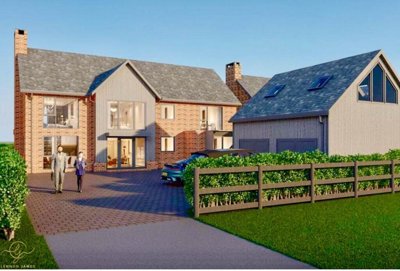
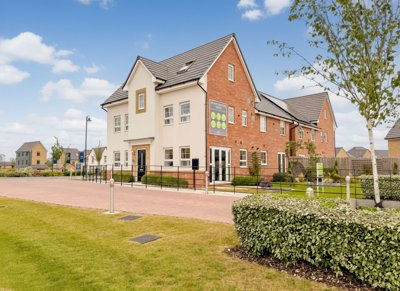
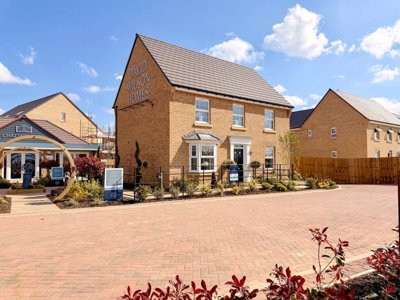
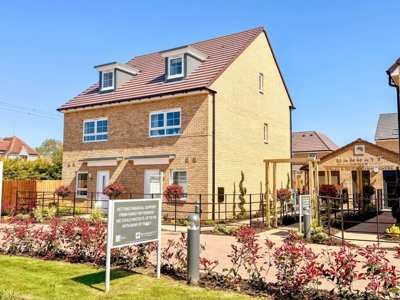
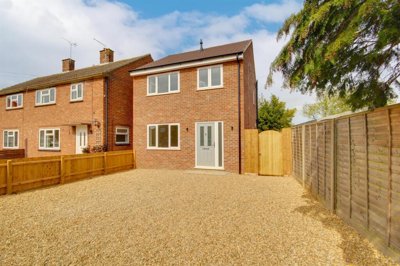
Browse 7 homes new builds in Warboys, Huntingdonshire from local developer agents.
The Warboys property market offers detached, semi-detached, and terraced houses spanning various price ranges and neighbourhoods. Each listing includes detailed property information, photographs, and direct contact with the marketing agent.
£415k
35
1
130
Source: home.co.uk
Showing 35 results for Houses new builds in Warboys, Huntingdonshire. 1 new listing added this week. The median asking price is £415,000.
Source: home.co.uk
Detached
20 listings
Avg £635,500
Semi-Detached
9 listings
Avg £300,556
Terraced
6 listings
Avg £185,208
Source: home.co.uk
Source: home.co.uk
Warboys gives buyers a healthy spread of housing types, so different budgets and lifestyles can find a fit. Detached properties sit at the top end, averaging around £563,861, while semi-detached homes open the door at approximately £279,762. Terraced properties in the village usually come in around £230,000, which makes them especially appealing to first-time buyers looking to put down roots in this desirable Cambridgeshire spot. Our listings data shows that property prices in Warboys have risen by 1.5% over the past 12 months, a sign of steady demand from buyers drawn here by strong transport links and an easy pace of life.
Detached and semi-detached family homes dominate the Warboys market, and together they make up approximately 70-80% of the local housing stock. That suits families who want more room to breathe, along with gardens, without paying the kind of premium seen in larger towns. Flats are thin on the ground, at less than 5% of available properties, which fits the village’s largely suburban feel and the preferences of many residents. Terraced homes can attract a lot of interest, so first-time buyers may find competition brisk where affordability and supply meet.
Warboys has held on to its own character, unlike many Cambridgeshire villages that have seen extensive new-build activity, and there are no major new-build developments currently active within the postcode area. Individual self-build plots and the occasional infill scheme do appear from time to time, which gives buyers a chance to find something a little different from the established stock. For those who value character and a sense of history, the Conservation Area around the High Street and Ramsey Road is hard to beat, although stricter planning considerations often come with the package, and our conveyancing team can talk through those points during the process.

With a population of approximately 4,000 residents across around 1,600 households, Warboys feels like a working village rather than a sleepy postcard. Shops, pubs, and local services cover day-to-day needs, so larger towns are not always necessary for the basics. The old weekly market tradition has given way to a close-knit community atmosphere, where neighbours recognise each other and local events pull people together through the year. For families and individuals wanting distance from urban bustle without losing access to employment centres, Warboys strikes a good balance.
The centre of the village is built around the historic High Street, part of Warboys's designated Conservation Area. Several listed buildings, among them traditional farmhouses, period cottages, and the parish church of St Mary Magdalene, add real weight to the area’s architectural story. Most homes here date from the pre-1919 era, with the red and brown brick seen across Cambridgeshire, often paired with timber-framed details and slate or tile roofing. Living in the Conservation Area brings extra character, but it also means tighter planning controls on alterations and extensions.
Outdoor lovers have the Great Fen project close by, one of Britain’s most ambitious habitat restoration schemes, turning farmland back into wetland wilderness. It is a strong draw for walking, wildlife watching, and cycling, and the village itself also has several parks and green spaces for everyday use. The low-lying Fenland landscape brings scenic appeal, but also practical questions, because parts of the village carry a surface water flood risk in periods of extreme weather. During conveyancing, our advice is to look closely at flood risk assessments with a solicitor so any property-specific issues are fully understood.

Warboys Primary School sits at the centre of local education, serving the village and the surrounding catchment area for primary learning. It gives young children a strong base in a community setting, so they can grow academically and socially close to home during their early years. For secondary school, pupils usually travel to nearby towns where a wider choice of secondary schools and grammar options opens up. Parents thinking about a move should check current catchment areas and admission arrangements through Cambridgeshire County Council, since those details can shape school places and change over time.
Beyond statutory education, several nurseries and early years providers give working families more childcare flexibility. In the wider area, secondary choices include schools in Huntingdon, St Ives, and Ramsey, each bringing different curriculum strengths, extracurricular programmes, and sixth form provision for post-16 study. Cambridgeshire’s educational reputation, strengthened by the presence of the University of Cambridge, helps to foster a culture that values academic achievement and opens routes into higher education and professional careers.
Families considering Warboys should keep in mind that school performance ratings and Ofsted inspection outcomes can shift, so current information from the Ofsted website matters more than old figures. The village’s closeness to larger towns also means independent schooling is within reach for families prepared to travel, with several respected independent schools operating in Cambridgeshire. Buying near strong schools often makes sound investment sense too, as catchment areas and reputation can have a real effect on long-term property values and resale potential.

Transport is one of Warboys’s strongest selling points for property buyers, because the village has practical links to the road network that tie residents into jobs across the region. The A141 passes through the village and gives direct access to Huntingdon, around 8 miles away, where the A1 trunk road provides north-south routes to London and the North. Via Huntingdon, the A14 trunk road connects to Cambridge in the south and Felixstowe port to the east, which is useful for commuters in logistics, distribution, or technology. For most residents, road travel remains the main way around, as public transport options within the village are limited.
From nearby Huntingdon station, rail services reach London King's Cross in approximately 90 minutes, which keeps Warboys within commuting range for people working in professional services, finance, or government. St Ives or Cambridge can provide alternative rail access depending on where you are heading, and Cambridge station also links to London's Liverpool Street and Stansted Airport. Cambridge itself is home to major employers in technology, biotechnology, and research, so it continues to draw commuters from villages like Warboys who want rural living and urban career prospects in the same move.
For shorter day-to-day journeys, bus services run by Cambridgeshire County Council link Warboys with surrounding villages and towns, although the frequency will not suit every working pattern. Cycling has become easier too, as dedicated routes now appear on some major roads, while quieter country lanes give confident cyclists more choice. Parking is generally adequate within the village, and most households have off-street space because houses far outnumber flats. Drivers should still allow for peak-time congestion on routes towards Cambridge, especially during school holidays when traffic volumes climb sharply.

Our starting point is simple, explore current listings in Warboys and see what sits within your budget. The platform brings together properties from local estate agents, so price, property type, and location can be compared side by side across the village. Because new-build activity is so limited in Warboys, most homes on the market will be resales, each with their own age, condition, and character to check carefully.
Before you start viewing, speak to a lender and get an Agreement in Principle for the mortgage. It shows sellers and estate agents that you are ready to proceed, and it also sets a realistic budget from the start. With Warboys's average property price around £385,198, most buyers will need residential mortgages rather than smaller borrowing, so advice from a mortgage broker can be useful when weighing up rates.
Once you have a shortlist, contact local estate agents and book viewings for homes that match what you want. Look beyond the rooms themselves and take stock of the street, nearby amenities, and any noise or environmental factors that could shape daily life. Homes in Conservation Areas deserve extra attention, both for condition and for any planning limits that may affect future changes.
After your offer is accepted, arrange a RICS Level 2 Survey so the property’s condition is properly assessed. Warboys's clay geology and older housing stock mean surveys often uncover damp, roof issues, or subsidence risk that is not obvious during viewings. For a typical 3-bedroom property, survey costs generally sit between £450 and £650, while larger detached homes may cost £550-£800 or more.
Choose a conveyancing solicitor to deal with the legal side of the purchase, including searches, contracts, and land registry checks. Our solicitors will look into local planning constraints, flood risk assessments, and other Warboys-specific matters, especially for homes in the Conservation Area or near surface water flooding concerns. Conveyancing costs usually start from £499 for standard transactions.
Once searches come back satisfactorily and mortgage finance is in place, your solicitor will arrange contract exchange with the seller’s legal team and fix a completion date. On completion day, the property becomes yours and the keys to your new Warboys home are handed over. It is wise to budget an extra 2-3% of the purchase price for legal fees, stamp duty, and moving costs on top of the property price itself.
Warboys properties bring some local points that deserve close attention before anyone commits to a purchase. The Oxford Clay beneath the village creates a shrink-swell risk, which can cause ground movement and affect foundations, especially after long wet or dry spells. A thorough RICS Level 2 Survey will show whether subsidence or heave damage is visible, and whether previous owners have carried out remedial underpinning work that could influence buildings insurance premiums or mortgageability. In parts of Warboys, superficial alluvium and glaciofluvial deposits over the bedrock can make those movement risks worse, particularly where drainage around the property has broken down over time.
Surface water flooding is another location-specific issue for Warboys buyers, with low-lying parts of the village carrying higher flood risk in heavy rainfall. The Environment Agency publishes detailed flood risk maps, and our conveyancers would expect those to be included in local searches, while buyers in known problem spots may also want an independent flood risk assessment. Homes close to the Great Fen project may benefit from better landscape water management, but they can also sit within a setting where the wet nature of the Fenland environment is more obvious. Although the village is not coastal, its place in the Fens means water table management has always been, and still is, part of property ownership.
The age of Warboys housing stock means many homes show the sort of defects that go hand in hand with older construction. Pre-1919 properties in the Conservation Area often use solid wall construction with traditional brick and timber-framed elements, and that calls for different maintenance from a modern cavity wall build. Damp is common enough to need proper checking, whether it is rising damp from failed or absent damp-proof courses, penetrating damp from failing render or brickwork, or condensation caused by poor ventilation. Roof condition matters too, because older homes may show slipped tiles, failing pointing on ridge work, or deterioration in lead flashings and rainwater goods.
Electrical and plumbing systems in pre-1980s Warboys properties often need assessment, and in some cases upgrading, to bring them up to modern safety expectations. Original wiring may have gone untouched for decades, which can create fire hazards and insurance headaches. Likewise, galvanised steel or lead water pipes in older homes may be nearing the end of their useful life. Homes built before 2000 should also be checked for possible asbestos-containing materials in places such as pipe insulation, textured coatings, or floor tiles. In the Conservation Area, and especially in listed buildings, any work must use suitable traditional materials and methods, which can push maintenance costs higher than they would be in standard modern homes.

The average house price in Warboys currently stands at approximately £385,198 based on recent market data. Detached properties average around £563,861, semi-detached homes around £279,762, and terraced properties approximately £230,000. Prices have increased by 1.5% over the past 12 months, which points to a steady market with modest growth. Compared with Cambridge, where average prices sit well above Warboys levels, the village offers strong value for buyers who want more space for their money while still keeping sensible commuting access to major employment centres.
Warboys properties fall within Huntingdonshire District Council's council tax banding system, with bands from A through H depending on the assessed value of the home. Most terraced properties and smaller semis sit in bands A-C, while larger detached family homes usually fall into bands D-F. The specific band for any address can be checked on the Valuation Office Agency website, and our solicitors will confirm it during conveyancing. Council tax helps fund local services, including rubbish collection, highways maintenance, and library services provided by Cambridgeshire County Council. With everything from Victorian cottages on the High Street to post-war semis and more recent detached homes, the village’s council tax bands reflect a broad mix of housing stock.
Warboys Primary School serves the village for early years and Key Stage 1 education, and children usually move on to secondary schools in nearby towns such as Huntingdon, St Ives, or Ramsey. Cambridgeshire offers a range of secondary schools, including grammar schools for academically selective pupils, with St Ivo Academy in St Ives and Hinchingbrooke School in Huntingdon among the nearby names to know. Parents should check current school performance data, catchment area boundaries, and admission arrangements through Cambridgeshire County Council and the schools’ own websites before they finalise a purchase. For families planning a long-term home, the village’s proximity to these established schools is a major plus.
Warboys has limited local public transport, with bus services linking the village to surrounding towns and villages on routes operated by Cambridgeshire County Council. For rail travel, most residents use Huntingdon station, where services to London King's Cross take approximately 90 minutes. St Ives and Cambridge provide further station options, and Cambridge also links to Stansted Airport, London's Liverpool Street, and a range of cross-country destinations. Road connections via the A141 to Huntingdon and then on to the A1 and A14 give most car commuters their main route to jobs in Cambridge, Peterborough, and beyond.
Warboys has several features that make it appealing for property investment, not least stable price growth shown by the 1.5% rise over the past year, a village character protected by Conservation Area designation, and proximity to the expanding employment hubs of Cambridge and Peterborough. Limited new-build supply helps support the value of existing homes, while the population of approximately 4,000 keeps rental demand steady from commuters and local workers. Investors should still note that family-sized homes dominate rather than flats, which shapes the tenant profile, and they should also factor in possible flood risk on certain properties, since that can affect insurance costs or resale value later on.
Standard Stamp Duty Land Tax rates in England apply to Warboys property purchases. Properties up to £250,000 carry no stamp duty. Between £250,001 and £925,000, 5% applies to the portion above £250,000. Homes priced between £925,001 and £1.5 million attract 10% above that level, with 12% applying to values over £1.5 million. First-time buyers purchasing homes up to £625,000 pay no stamp duty on the first £425,000 and 5% on amounts between £425,001 and £625,000. Because Warboys's average price is £385,198, most buyers will pay no stamp duty or only a small amount, although higher-value detached homes may face larger charges.
From 3.5%
Expert mortgage advice and competitive rates for Warboys buyers
From £499
Specialist solicitors handling Warboys property transactions
From £450
Independent property surveys for Warboys homes
From £80
Energy performance certificates for Warboys properties
There are several costs to factor in beyond the asking price when buying in Warboys, and it helps to plan for them early. Stamp Duty Land Tax is the biggest extra cost on higher-value purchases, although Warboys's average property price of £385,198 sits below the standard nil-rate threshold of £250,000, so most buyers will pay 5% on the amount between £250,001 and £385,198. On a typical property at that average price, that comes to approximately £6,759 in stamp duty, while first-time buyers buying up to £425,000 would pay nothing.
For legal work on a Warboys purchase, solicitors and licensed conveyancers usually charge between £499 and £1,500, depending on complexity and whether leasehold elements are involved. Local searches from Huntingdonshire District Council, drainage and water searches, and Land Registry fees usually add another £300-£500 to the bill. Our team may also suggest extra specialist searches for issues such as environmental risk or planning history, particularly for older homes in the Conservation Area where past alterations may need a closer look.
A RICS Level 2 Survey usually costs between £450 and £650 for a standard 3-bedroom semi-detached property in Warboys, rising to £550-£800 or more for larger detached homes with more complex construction. That is an upfront cost before purchase, but it can uncover issues that justify a price reduction or need urgent attention after completion, so it often pays for itself. Buildings insurance must be in place from exchange, and removals costs should also be included for anyone moving from rented accommodation or another owned property. In total, buyers should allow an extra 3-5% of the purchase price to cover these ancillary costs when working out the full moving budget.

Properties New Builds In London

Properties New Builds In Plymouth

Properties New Builds In Liverpool

Properties New Builds In Glasgow

Properties New Builds In Sheffield

Properties New Builds In Edinburgh

Properties New Builds In Coventry

Properties New Builds In Bradford

Properties New Builds In Manchester

Properties New Builds In Birmingham

Properties New Builds In Bristol

Properties New Builds In Oxford

Properties New Builds In Leicester

Properties New Builds In Newcastle

Properties New Builds In Leeds

Properties New Builds In Southampton

Properties New Builds In Cardiff

Properties New Builds In Nottingham

Properties New Builds In Norwich

Properties New Builds In Brighton

Properties New Builds In Derby

Properties New Builds In Portsmouth

Properties New Builds In Northampton

Properties New Builds In Milton Keynes

Properties New Builds In Bournemouth

Properties New Builds In Bolton

Properties New Builds In Swansea

Properties New Builds In Swindon

Properties New Builds In Peterborough

Properties New Builds In Wolverhampton

Enter your details to see if this property is within your budget.
Loans, cards, car finance
Estimated property budget
Borrowing + deposit
You could borrow between
Typical borrowing
Monthly repayment
Est. at 4.5%
Loan-to-value
This is an estimate only. Your actual budget may vary depending on interest rates, credit history, and personal circumstances. For an accurate affordability assessment, speak to one of our free mortgage advisors.
This calculator provides estimates for illustrative purposes only and does not constitute financial advice. Your home may be repossessed if you do not keep up repayments on your mortgage. Estimates based on 4.5% interest rate, repayment mortgage. Actual rates depend on your circumstances.
Homemove is a trading name of HM Haus Group Ltd (Company No. 13873779, registered in England & Wales). Homemove Mortgages Ltd (Company No. 15947693) is an Appointed Representative of TMG Direct Limited, trading as TMG Mortgage Network, which is authorised and regulated by the Financial Conduct Authority (FRN 786245). Homemove Mortgages Ltd is entered on the FCA Register as an Appointed Representative (FRN 1022429). You can check registrations at NewRegister or by calling 0800 111 6768.

We use cookies to show you personalised content and improve your experience of our website. Find out more in our Privacy policy and Cookie policy.