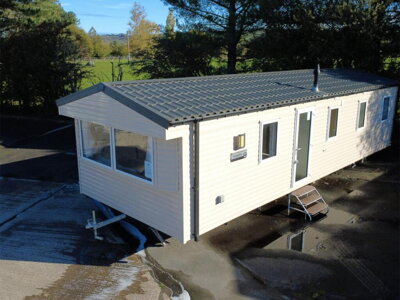
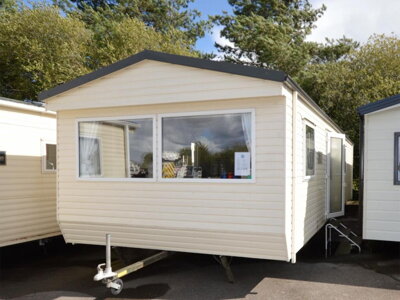
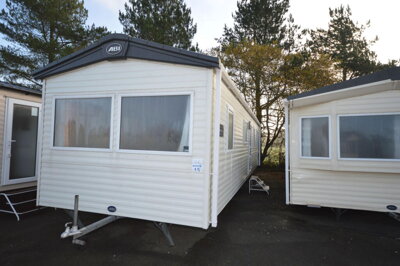
Browse 3 homes new builds in Theddlethorpe St Helen from local developer agents.
The Theddlethorpe St Helen property market suits the character of this small coastal village, with semi-detached and detached homes making up most of the stock and price points that stay within reach for many buyers. Recent sales data records five transactions over the past year, with 2025 averaging £215,000 and 2024 seeing three sales at an average of £355,000. The overall average price of £179,794 keeps the village competitive across the Lincolnshire coast, especially for buyers who may find neighbouring seaside towns a good deal pricier. Values have held up well too, rising 3% year-on-year while still sitting 6% below the 2022 peak of £191,566, which points to a market that has settled after a period of change.
Detached properties achieve the strongest figures in Theddlethorpe St Helen, averaging £218,480 from recent transactions. Semi-detached homes, which account for a notable share of the local housing stock, average £168,355, while terraced properties sit at the more accessible end of the market at approximately £154,167. That spread gives buyers on different budgets a fair amount of choice, from period cottages with charm to larger family houses with gardens. Much of the housing stock is older, and plenty of it dates from the Victorian era and earlier, so the village still offers the sort of character features that many buyers are looking for. One currently listed property was originally built in 1852, a neat example of the historic fabric that runs through the village.
New build activity within Theddlethorpe St Helen remains very limited, with no large-scale developments currently underway in the LN12 postcode area. Planning applications usually centre on single-dwelling extensions or small-scale residential builds rather than major housing estates. Buyers set on new build properties will find more choice in nearby towns such as Mablethorpe and Louth, although prices there are usually higher. That shortage of fresh development helps keep the village’s established feel intact, and it can also support stronger long-term values for existing homes with distinctive historic features.

Life in Theddlethorpe St Helen runs on community spirit and the slower pace of coastal rural England. The village has remained around 514 residents, having been 525 in 2011, which suggests it still holds appeal even as many Lincolnshire villages have seen sharper rural decline. Local events and activities are part of the rhythm here, and historic St Helen's Church acts as both a spiritual centre and a place for village gatherings. Newcomers tend to find a warm reception, with long-standing residents taking real pride in the area’s heritage and its future. The parish stretches across traditional farmland and coastal marshland, so the landscape moves between cultivated fields and the open sweep of the North Sea shoreline.
The local economy in Theddlethorpe St Helen has moved on from its roots in agriculture and fishing and now draws on a broader range of work. The Theddlethorpe Gas Terminal, positioned between Theddlethorpe St Helen and Theddlethorpe All Saints, processes natural gas from North Sea fields and supports skilled jobs for local people. That industrial base sits alongside the older sectors that have supported coastal Lincolnshire for generations. Tourism also brings income, with the village’s coastal setting drawing visitors who spend with local businesses, especially in summer when Skegness and Mablethorpe see their busiest visitor numbers. Being close to those larger seaside towns gives residents more choice for shopping, dining, and nights out, while still letting them come home to the quieter pace of village life.
The surrounding landscape gives Theddlethorpe St Helen much of its identity, with alluvial deposits, marshland, and the wide skies that belong to this part of eastern England. Local building materials tend to include red brick and rendered finishes, while older structures may also use limestone and flint, both typical of the region. The Grade II listed Theddlethorpe Hall, a late 17th-century red-brick country house later altered in the 18th and 19th centuries, shows the architectural depth that sets the village apart from newer places. The stable block at The Hall, separately listed at Grade II, adds to that sense of heritage. Nearby countryside walks and coastal paths open up plenty of time outside, with birdwatching and beach trips both popular with residents and visitors.

Families looking at Theddlethorpe St Helen will find schooling within reasonable travelling distance, although the village itself has only limited provision. For primary education, the nearest schools sit in surrounding villages and towns, and parents generally travel short distances for Key Stage 1 and Key Stage 2. The rural setup means transport arrangements are already well established, with local authority support helping children reach their designated schools no matter where they live in the dispersed parish. Primary schools across the wider East Lindsey area have improved in recent years, and many have drawn positive feedback from parents and Ofsted inspectors. It is worth checking specific school performance data and catchment areas before moving, as those details can shape which homes are the best fit.
Secondary provision comes from larger towns such as Louth, Mablethorpe, and Skegness, all of which can be reached from Theddlethorpe St Helen by road. These schools provide broad curricula, sixth form provision, and a range of extracurricular activities that reflect their larger student populations. Skegness Grammar School, one of the oldest in Lincolnshire, gives families access to academic secondary education within its catchment, while other local schools offer different approaches to suit different learning styles and ambitions. For families placing a high value on educational standards, transport access and each school’s academic record should sit high on the list when searching for property. Sixth form students also have options across the district, with schools in Louth and Grantham offering wider A-level programmes for those heading towards higher education.

Roads do most of the work for transport in and out of Theddlethorpe St Helen, with the village sitting off the A16 that runs through Lincolnshire and links the coast with Louth, then on to Grimsby and Lincoln. The A16 is the main route for residents travelling to work, school, or services, and Louth is usually around 20-25 minutes away by car in normal traffic. For commuters heading to larger employment centres, the road network connects to the A180 and then to the national motorway network, although rural roads mean those journeys need a bit of planning. Bus services do run along key routes linking Theddlethorpe St Helen with surrounding villages and towns, but frequency is limited compared with urban areas, so car ownership is effectively essential for most households.
Rail travel means using stations in larger nearby towns rather than anything within the village itself. The East Coast Main Line, reached via Newark or Grantham, links the area to London King's Cross in roughly 90 minutes to two hours, depending on the service. For travel within the UK, connections through Nottingham, Derby, and Birmingham open up more work and leisure options for Theddlethorpe St Helen residents. Humberside International is the nearest major airport, with only limited scheduled services, while East Midlands Airport gives access to a broader spread of domestic and European destinations within about 90 minutes' drive. London Stansted and London Heathrow are also within reach for international travel, though from this coastal setting both journeys take more time and planning.
For cyclists and walkers, the quieter lanes around Theddlethorpe St Helen make for pleasant local journeys and leisure routes, although longer-distance commuting by bike is still difficult because of the distances involved. The flat coastal plain of Lincolnshire works well for cycling in general, but wind coming off the coast can make some trips harder, especially in poor weather. Parking is usually fine for residential use, with most homes offering off-street parking or easy access to on-street spaces. Traffic is light in the village itself, so residents benefit from lower noise and pollution than they would in town. In summer, visitor numbers pick up and local roads carry more vehicles, particularly on routes towards the beaches and attractions around Skegness.

We would begin by looking through current listings in Theddlethorpe St Helen on home.co.uk. With average prices around £179,794 and detached properties averaging £218,480, a clear sense of budget goes a long way when narrowing the search.
Before any viewings, we would suggest getting a mortgage agreement in principle from a lender. It shows estate agents and sellers that the buying position is already in place, which can help when offers start to move.
Once the shortlist is ready, arrange viewings of homes that fit the brief, and pay close attention to construction type, garden space, and the condition of older features. When the right place appears, put forward a competitive offer through the estate agent, keeping recent sale prices in mind, including the 2025 average of £215,000.
After an offer has been accepted, our team would instruct a RICS Level 2 Survey before completion. In a coastal village like Theddlethorpe St Helen, where older homes are common, a careful survey can pick up issues with structure, damp, or the shrink-swell properties of local clay soils.
Our next step would be to appoint a solicitor to deal with the legal side of the purchase, from local searches to title checks and contract work. Conveyancing costs in Lincolnshire usually begin at £499 and above, and that can cover searches linked to flood risk areas and listed building considerations that may apply in Theddlethorpe St Helen.
Once the mortgage is finalised, the deposit paid, and the completion date agreed, the purchase can move ahead. Funds are transferred by the solicitor and ownership is registered on the official title register. At that point the keys are handed over, and life in Theddlethorpe St Helen can begin.
Buyers in Theddlethorpe St Helen need to think carefully about flood risk because of the village’s coastal marshland setting. No active flood warnings were recorded in February 2026, but long-term tidal flood risk does affect certain areas, including Saltfleet Road, Station Road, Brickyard Lane, and Sea Lane. Homes in these spots may face higher insurance premiums or need flood resilience measures. A proper review of flood history, elevation, and any existing mitigation work should sit at the centre of due diligence. Lenders may also ask for extra flood risk information when they assess a mortgage, particularly for homes in identified warning areas.
The number of listed buildings in Theddlethorpe St Helen means buyers should check whether a target property sits within any designation that affects permitted development rights. The village does not have a designated conservation area, but the four listed buildings do create areas where planning may be stricter. Older homes, many from the Victorian era and earlier, can need more maintenance than modern equivalents, and traditional construction methods and materials often call for specialist attention. Building surveys should look closely at period features, thatch where it exists, and any historic alterations that might affect structural integrity. Getting to grips with those heritage issues helps buyers plan properly for both purchase and ongoing upkeep.
Coastal marshland geology in Lincolnshire usually brings alluvial deposits, silts, clays, and sands, and clay soils can carry shrink-swell risk depending on moisture levels and nearby vegetation. Homes with mature trees close to the foundations may need particular attention, because clay shrinkage in dry spells can affect stability over time. Ground conditions can also shape foundation design and construction type, so our survey should deal with that in detail. If any leasehold flats exist locally, the remaining lease term, ground rent arrangements, and service charges all matter when working out the real cost of ownership beyond the purchase price.

The average property price in Theddlethorpe St Helen over the past year was £179,794, according to homedata.co.uk. Detached properties sit higher at about £218,480, while semi-detached homes average £168,355 and terraced properties about £154,167. Prices have risen by 3% year-on-year, but they remain 6% below the 2022 peak of £191,566, which leaves the market in a settled position and still good value for coastal property.
Properties in Theddlethorpe St Helen fall under East Lindsey District Council for council tax. Band values are set by the Valuation Office Agency using property values as they stood on April 1991. Because homes in this coastal village are generally modestly priced and older in style, most sit in Bands A through C, which keeps them among the lower council tax brackets nationally. Buyers should ask their solicitor to confirm the exact band during conveyancing.
Theddlethorpe St Helen itself has only limited schooling, so primary education is usually taken up in surrounding villages and towns. The nearest primary schools serve the local catchment, with transport arranged by the local authority. Secondary education is available in Louth, Mablethorpe, and Skegness, and Skegness Grammar School gives older students an academic route. Families should check Ofsted ratings and catchment areas before buying in the village, as performance varies and boundary lines can affect access.
Public transport from Theddlethorpe St Helen is fairly limited, with bus services linking the village to surrounding towns but running far less often than in urban areas. Rail access means travelling to larger stations in towns such as Louth or Grantham, where East Coast Main Line services connect to London and the north. Most residents still rely on private vehicle ownership for commuting and everyday errands. The A16 is the main road route to Louth and then on towards the national motorway network via Grimsby.
For property investment, Theddlethorpe St Helen has some appeal thanks to a stable population of around 514 residents and prices that remain relatively affordable compared with nearby coastal towns. Average prices of £179,794 give investors an accessible entry point that could rise if demand for coastal living grows. The village also has heritage appeal, with listed buildings and Domesday Book history adding to the sense of place that certain buyers value. Even so, investors should weigh up the limited rental market in such a small community, flood risk in some areas, and the wider difficulty of generating rental income in rural coastal places where jobs are fewer.
Stamp Duty Land Tax for England applies to every purchase in Theddlethorpe St Helen. Standard rates begin at 0% on the first £250,000 of purchase price, then move to 5% on amounts between £250,001 and £925,000. On a typical £179,794 property in the village, most buyers would not pay stamp duty under the current thresholds. First-time buyers get relief on the first £425,000 at 0%, with 5% applied to £425,001 to £625,000.
From 4.5% APRC
Compare mortgage deals from leading lenders
From £499
Professional property solicitors for your purchase
From £455
Professional property survey by qualified inspectors
From £60
Energy Performance Certificate for your property
The full cost of buying in Theddlethorpe St Helen goes beyond the headline sale price and includes stamp duty, legal fees, survey costs, and moving expenses. Stamp Duty Land Tax is usually the largest extra cost, although the current thresholds mean standard-rate properties up to £250,000 attract no charge. At the village average of £179,794, many buyers fall below the threshold altogether and pay no stamp duty. Higher-value homes, such as detached properties averaging £218,480, will still bring stamp duty costs that need to be allowed for. First-time buyers benefit from the enhanced zero-rate threshold up to £425,000, so most homes in Theddlethorpe St Helen fall outside stamp duty altogether for that group.
Conveyancing in Lincolnshire usually starts from £499 for basic legal work, then rises depending on the complexity of the transaction and the property itself. Our solicitor would carry out local searches for Theddlethorpe St Helen and East Lindsey District, including drainage and water checks, environmental searches that may flag flood risk information, and planning searches linked to the village’s listed buildings. Extra costs can arise if the property is freehold with additional land, if there are rights of way across it, or if the title needs further investigation. Setting aside £800 to £1,500 for legal services gives a sensible cushion for a straightforward purchase.
Survey costs also need to be built into the budget, especially given how many properties in Theddlethorpe St Helen are older. A RICS Level 2 Survey, which costs around £455 on average nationally, gives a detailed condition assessment suited to conventional homes. For older or more complex properties, a RICS Level 3 Building Survey may be the better fit, although it comes at a higher cost. An Energy Performance Certificate is required by law for all property sales and usually costs between £60 and £120. Moving costs, including removals and any temporary storage, should be included too. Mortgage arrangement fees, which vary by lender and product, may also apply and should be part of the wider comparison when weighing up mortgage options. Careful budgeting helps keep unexpected costs from threatening completion or forcing renegotiation after an offer has been accepted.

Properties New Builds In London

Properties New Builds In Plymouth

Properties New Builds In Liverpool

Properties New Builds In Glasgow

Properties New Builds In Sheffield

Properties New Builds In Edinburgh

Properties New Builds In Coventry

Properties New Builds In Bradford

Properties New Builds In Manchester

Properties New Builds In Birmingham

Properties New Builds In Bristol

Properties New Builds In Oxford

Properties New Builds In Leicester

Properties New Builds In Newcastle

Properties New Builds In Leeds

Properties New Builds In Southampton

Properties New Builds In Cardiff

Properties New Builds In Nottingham

Properties New Builds In Norwich

Properties New Builds In Brighton

Properties New Builds In Derby

Properties New Builds In Portsmouth

Properties New Builds In Northampton

Properties New Builds In Milton Keynes

Properties New Builds In Bournemouth

Properties New Builds In Bolton

Properties New Builds In Swansea

Properties New Builds In Swindon

Properties New Builds In Peterborough

Properties New Builds In Wolverhampton

Enter your details to see if this property is within your budget.
Loans, cards, car finance
Estimated property budget
Borrowing + deposit
You could borrow between
Typical borrowing
Monthly repayment
Est. at 4.5%
Loan-to-value
This is an estimate only. Your actual budget may vary depending on interest rates, credit history, and personal circumstances. For an accurate affordability assessment, speak to one of our free mortgage advisors.
This calculator provides estimates for illustrative purposes only and does not constitute financial advice. Your home may be repossessed if you do not keep up repayments on your mortgage. Estimates based on 4.5% interest rate, repayment mortgage. Actual rates depend on your circumstances.
Homemove is a trading name of HM Haus Group Ltd (Company No. 13873779, registered in England & Wales). Homemove Mortgages Ltd (Company No. 15947693) is an Appointed Representative of TMG Direct Limited, trading as TMG Mortgage Network, which is authorised and regulated by the Financial Conduct Authority (FRN 786245). Homemove Mortgages Ltd is entered on the FCA Register as an Appointed Representative (FRN 1022429). You can check registrations at NewRegister or by calling 0800 111 6768.

We use cookies to show you personalised content and improve your experience of our website. Find out more in our Privacy policy and Cookie policy.