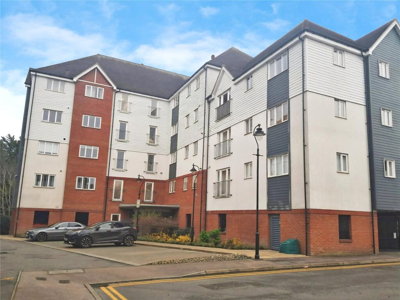
Browse 1 home new builds in Sturry, Canterbury from local developer agents.
Studio apartments feature open-plan living spaces without separate bedrooms, incorporating sleeping, living, kitchen, and bathroom facilities. The Sturry studio market includes properties in modern apartment complexes, modern purpose-built developments and new residential complexes.
£180k
3
0
181
Source: home.co.uk
Showing 3 results for Studio Flats new builds in Sturry, Canterbury. The median asking price is £180,000.
Source: home.co.uk
Flat
3 listings
Avg £163,333
Source: home.co.uk
Source: home.co.uk
Sturry's property market covers a broad spread of prices and home types, with current listings running from flats at around £150,000 up to detached family houses at £699,330. Semi-detached homes, a big part of the village's family stock, average £323,640, and terraced properties sit at approximately £246,667. That mix gives buyers in Sturry a realistic route to a larger home with a garden, without paying the premium often attached to Canterbury city centre addresses.
New build supply is active in Sturry, with three live developments adding fresh choice. At Sturry Gate, Barratt Homes is building on CT2 0NG, where 2, 3, and 4 bedroom homes are priced from £334,995 to £509,995. David Wilson Homes is also selling at Sturry Gardens, with 3, 4, and 5 bedroom houses from £409,995 to £649,995, while Charles Church offers The Alders, another higher-spec scheme with 3, 4, and 5 bedroom homes from £409,995 to £649,995. For buyers focused on lower running costs and up-to-date layouts, these homes will often appeal.
Sales in Sturry have kept moving at a steady pace, with 59 transactions completing in the past twelve months. Across all property types, values are up 1% year on year, which points to a market that is holding firm rather than lurching around. For buyers, that usually signals a place where demand remains consistent, helped by Canterbury's economic growth and the pull of village life in Kent.
One of Sturry's main advantages is simple enough, it sits within easy reach of Canterbury but tends to cost less than the city centre. Buyers at the start of the ladder can still target flats and terraced homes at the lower end, while families often find bigger semi-detached and detached properties for markedly less than similar homes in Canterbury itself. That gap in pricing keeps drawing in people who work in the city and want village living instead.

Sturry sits within the civil parish of Sturry and Fordwich, where the 2021 Census recorded a population of 4,791 across 1,935 households. Even with that scale, the village keeps a recognisable community feel and still has the day-to-day essentials close at hand. Residents have a convenience store, post office, traditional public house, and a range of independent businesses used by locals and visitors alike. The River Stour is a big part of the setting too, with riverside walks adding another reason people enjoy living here.
The centre of the village includes a Conservation Area focused on Sturry Court and the historic core, which helps protect the look and feel of this long-established settlement. Listed buildings appear throughout the streetscape, including the Church of St Nicholas, Sturry Court, and a number of older houses and cottages along Mill Road and High Street. Those buildings give Sturry much of its identity. They also matter in practical terms, because homes inside the Conservation Area can face planning limits on alterations and extensions.
Kentish building styles show clearly across Sturry. Older homes are often built in traditional brick, render, and timber framing, finished with slate or clay tile roofs. The housing stock spans historic structures, Victorian and Edwardian homes, inter-war development, and post-war estates, so the village never feels architecturally one-note. On the eastern side, newer schemes introduce modern construction methods and updated specifications, widening the choice for buyers with different priorities.
Step beyond the village and Sturry quickly opens into the Kent countryside. The River Stour valley gives residents attractive walking and cycling routes towards Canterbury and neighbouring villages, while the nearby Kent Downs Area of Outstanding Natural Beauty adds a much wider stretch of rural ground to explore. By road, the A28 makes trips to Whitstable and Herne Bay fairly straightforward. Put together, that blend of village facilities, open scenery, and strong transport links has made Sturry increasingly popular with buyers who want both space and access.

Education in the village centres on Sturry Church of England Primary School, which provides primary places for children aged 5 to 11 from Sturry and the surrounding area. It has close links with the local community and is well known to families moving into the village. For secondary schooling, most pupils travel into Canterbury, where the wider area is served by a number of schools and academies. Before buying, we always suggest checking the latest catchment boundaries and admissions rules, because they can make a real difference.
Secondary options are one of Canterbury's strengths. Families can look at grammar schools for academically selective pupils, alongside comprehensive schools with broader intakes. Canterbury is also home to the University of Kent and Canterbury Christ Church University, so higher education stays close by for households planning further ahead. In the wider Canterbury area there are several independent schools as well, although fees and selective admissions processes will apply.
For families buying in Sturry, the school picture is rarely a side issue. Primary capacity and catchment lines can affect demand and values in particular streets or developments, sometimes quite sharply. The combination of a local primary school and strong secondary choices in Canterbury adds a lot to the village's appeal for households with children of school age. We also advise buyers to think beyond league tables, school performance data, travel arrangements, and even parking at pick-up and drop-off times can all matter in day-to-day life.

Getting around from Sturry is one of the village's practical strengths. It sits just off the A28, giving direct access to Canterbury city centre at roughly three miles away. The A299Thanet Way is easy to reach too, which helps with journeys towards the Kent coast and on to London through the M2 motorway. For residents who rely on the car for work or leisure, that road network makes the village a workable base.
There is a decent public transport option as well. Bus services link Sturry with Canterbury and nearby villages, which is important for residents without a car or for anyone trying to cut back on driving. From Canterbury West and Canterbury East, rail connections are much broader, and high-speed services from Canterbury West reach London St Pancras International in under an hour. That puts Sturry in reach for London commuters who would rather live in a village and avoid higher housing costs.
Cycling is popular here, both for practical trips and for leisure. Country lanes around Sturry and the River Stour valley offer attractive routes for bikes and walkers, and there are dedicated links into Canterbury for residents happy with mixed-mode commuting. In the village itself, parking is usually reasonable for a place of this size, though older houses can be more limited on off-street spaces. It is worth checking that carefully during viewings.
For anyone working in Canterbury, the journey from Sturry is manageable day after day. By car it takes about 15 minutes, and by bus it is around 30 minutes. Parking in Canterbury city centre is also far cheaper than in London or other large cities, which adds to the appeal for commuters. Many residents like having city jobs while coming home to a quieter village setting.

Before starting a property search, we recommend speaking with a mortgage broker or bank and getting an agreement in principle in place. Sellers usually take buyers more seriously when finance is already arranged, and it can give you a stronger footing in negotiations. Our team can put you in touch with independent mortgage brokers who know the Sturry market and can help you find competitive rates.
It is worth spending proper time in Sturry before settling on a purchase. The feel around the Conservation Area near Sturry Court is very different from the newer development on the village edge, and those differences affect values, convenience, and travel patterns. We usually suggest visiting at different times of day, and at weekends too, so you can judge traffic, noise, and the general atmosphere for yourself.
With Homemove, you can search all current Sturry listings and set alerts for homes that fit your brief. Once viewings are booked, look beyond the finish and focus on build quality, upkeep, and how close the property sits to River Stour flood risk areas. We also tell buyers to take photos and measurements as they go, because comparisons become much easier later.
After an offer is accepted, the next sensible step is to arrange a RICS Level 2 Survey before completion. In Sturry, that matters even more with older homes, where traditional construction can bring very specific maintenance concerns. Our approved surveyors know the local housing stock well and regularly spot issues associated with Kentish properties.
Once the deal is progressing, you will need a conveyancing solicitor to deal with searches, contracts, and registration. The solicitor handles contact with the seller's side and arranges the transfer of funds on completion. We find that familiarity with Canterbury City Council procedures can help keep matters moving.
Near the end of the process, you will finalise the mortgage, sign contracts, and put building insurance in place before exchanging deposits. Completion usually follows within days or weeks, at which point the keys are released and ownership passes to you. We suggest arranging utilities and broadband ahead of completion day, so the move is less of a scramble.
Sturry's housing stock ranges from listed period buildings to brand new homes, and each age of property tends to come with its own pattern of defects. Homes built before 1919 often have solid brick walls with no cavity insulation, traditional timber-framed sections, and lime-based mortars and plasters that need a specialist approach to repairs. In these older buildings, our surveyors regularly report damp, including rising damp linked to missing or failed damp-proof courses, penetrating damp caused by worn pointing or damaged render, and condensation stemming from restricted ventilation in solid-wall construction.
Victorian and Edwardian houses in Sturry often show timber-related problems, including woodworm infestation and both wet and dry rot in structural timbers, floorboards, and window frames. These defects are easy to miss until a thorough inspection is carried out, and the repair costs can become substantial if action is delayed. Roofs also need close attention across the village, with missing or slipped tiles, ageing lead flashings, and poor insulation all turning up regularly. Along Mill Road and High Street in particular, the older building stock makes detailed surveys especially worthwhile.
Being close to the river brings its own set of property concerns in Sturry. Homes with poor sub-floor ventilation, or those affected by past flooding, can be more vulnerable to damp and mould. Under much of the village the chalk bedrock tends to provide stable foundations, but places with clay-rich superficial deposits may be more prone to movement during long dry spells. Mature trees near buildings can make shrink-swell issues worse by drawing moisture from the soil, so plots with large trees merit careful foundation assessment.
Post-war homes built in the 1950s through 1970s can have a different defect profile, including cavity wall ties affected by corrosion, and concreteง: Sturry's location along the River Stour means that some properties face river flood risk, particularly those near the river and its flood plain. Surface water flooding can also affect low-lying areas. The Environment Agency provides detailed flood maps showing specific risk levels for different locations. Before buying, we advise checking those maps, asking for flood history information, and considering whether suitable flood resilience measures are already in place.
Some issues in Sturry are tied very directly to location, and flood risk sits high on that list. Because the village runs along the River Stour, the Environment Agency's flood maps show pockets of river and surface water risk, especially close to the river and in lower-lying ground. Buyers should ask for flood history details, check the formal flood risk rating, and look at whether resilience measures are fitted already or could realistically be added later.
Homes in the Sturry Conservation Area, and listed buildings anywhere in the village, need a little more thought before purchase. Conservation Area controls can limit extensions or exterior changes, while listed buildings require Listed Building Consent for many works because of their historic importance. That is particularly relevant for older properties on Mill Road, High Street, and around Sturry Court. Renovation bills on heritage homes can also run well above those for a modern equivalent.
Ground conditions in the Sturry area are generally straightforward, but there are still points worth checking. Chalk bedrock usually gives good underlying stability, although patches with clay-rich superficial deposits may see some movement in dry weather. Where mature trees stand close to foundations, root activity can affect moisture levels in the soil and alter how the ground behaves. A detailed survey should pick up structural warning signs, but buyers should also weigh the condition of solid walls, period windows, and older roof coverings when working out likely renovation costs.
Riverside positions in Sturry can hide issues that do not always show up in a quick viewing. Extra moisture in the air may contribute to condensation, while poor ventilation can make damp ingress harder to spot until a closer inspection is carried out. Our surveyors know what to look for in homes near the River Stour and are used to spotting the more subtle signs.
Getting the budget right means looking past the headline purchase price. In Sturry, Stamp Duty Land Tax is often modest because the average property price is £359,801, which means most of the value falls within the zero-rate threshold. A first-time buyer paying £359,801 would usually face no stamp duty at all, while a buyer who has owned property before would pay about £4,490 on a £359,801 purchase.
Survey fees are another cost buyers should plan for carefully, especially in a village with such mixed housing stock. In the Canterbury area, a RICS Level 2 Survey will usually cost between £400 and £900 depending on size, type, and value. For a typical 3-bedroom semi-detached house in Sturry, a sensible budget is around £500 to £700. Homes that are over 50 years old, inside the Conservation Area, or listed may justify a RICS Level 3 Survey instead, which is more detailed and more expensive.
Legal costs need factoring in as well. Conveyancing fees for a Sturry purchase generally begin at about £500 to £1,500 for a standard transaction, covering the legal work, local searches, and registration fees. Those searches include drainage and water checks, local authority enquiries, and environmental reports that can flag Sturry-specific matters such as flood risk and Conservation Area status. On top of that, buyers may face mortgage arrangement fees, lender valuation charges, moving costs, and building insurance, which must be in place before completion and should be treated as a day one ownership cost.

From 3.85%
Our recommended mortgage brokers can help you track down the most suitable rates for your Sturry purchase.
From £499
Our approved conveyancing solicitors deal with the full legal side of your Sturry purchase.
From £400
Our RICS qualified surveyors inspect and assess properties right across Sturry.
From £60
Energy performance certificates are required for all Sturry property sales.
The current average house price in Sturry is £359,801, based on home.co.uk listings data from February 2026. Values vary sharply by property type, with detached homes averaging £699,330, semi-detached properties £323,640, terraced houses £246,667, and flats around £150,000. Over the past twelve months the market has recorded a 1% rise across all property types, suggesting steady demand in this Canterbury village rather than sudden swings.
For council tax, Sturry comes under Canterbury City Council. Properties are placed in bands A to H according to value, and many ordinary family homes in the village fall between bands B and E. You can confirm the exact band through the Valuation Office Agency website or ask for it during conveyancing. Those council tax payments support local services such as education, waste collection, and public transport.
Families with younger children usually look first at Sturry Church of England Primary School, which serves the village and has strong community links alongside good educational standards. For secondary education, most pupils travel into Canterbury, where choices include grammar schools for academically selective students as well as comprehensive academies. The University of Kent and Canterbury Christ Church University are close by too for later study. Catchment areas and admissions criteria can change, so they are always worth checking before a move.
Sturry is well connected for a village. Regular buses run into Canterbury city centre, making commuting possible without relying entirely on a car. Canterbury's two railway stations provide mainline services, and Canterbury West has high-speed trains to London St Pancras in under an hour. By road, the A28 goes straight to Canterbury, while the A299 and M2 link Sturry with the rest of Kent, London, and the coast.
From an investment angle, Sturry has a few things in its favour. Its closeness to Canterbury keeps demand coming from commuters and families who want more affordable homes than the city centre but still need easy access to work, schools, and services. The presence of new build schemes from established developers also points to continued confidence in the area. With 59 sales over the last twelve months and price growth of 1%, the market looks active and reasonably resilient.
From April 2025, Stamp Duty Land Tax starts at 0% on the first £250,000 of a residential purchase. After that, the rate is 5% on the portion from £250,001 to £925,000, then 10% up to £1.5 million, and 12% on anything above £1.5 million. First-time buyers get relief at 0% on the first £425,000, then pay 5% on the portion from £425,001 to £625,000. With Sturry's average price at £359,801, many buyers will pay little or no stamp duty, although the final figure depends on personal circumstances and eligibility for first-time buyer relief.
Because Sturry sits along the River Stour, some homes carry a genuine river flood risk, especially those near the river and its flood plain. Surface water flooding can also affect lower-lying parts of the village. The Environment Agency publishes detailed flood maps showing location-specific risk levels, and we strongly advise buyers to review them, ask for flood history information, and check whether flood resilience measures are already in place. Homes nearer the river, including parts of the Stour valley, may also need closer scrutiny and specialist insurance.
During viewings in Sturry, the position of the house matters as much as the house itself. Check how close it is to the River Stour and whether it falls within known flood risk areas. In older homes, pay attention to solid walls, timber windows, and roof coverings, while properties in the Conservation Area or those that are listed need closer thought on permitted development rights and planning conditions. Our surveyors can inspect these points in detail and pick up problems that a standard viewing may miss.
There are currently three active new build developments in Sturry, giving buyers a modern alternative to the village's older stock. Sturry Gate from Barratt Homes has 2, 3, and 4 bedroom homes priced from £334,995 to £509,995. Sturry Gardens by David Wilson Homes and The Alders by Charles Church both offer 3, 4, and 5 bedroom houses from £409,995 to £649,995. All of these schemes are on CT2 0NG and bring contemporary construction and energy efficiency credentials that may help keep running costs lower than in older homes.
Properties New Builds In London

Properties New Builds In Plymouth

Properties New Builds In Liverpool

Properties New Builds In Glasgow

Properties New Builds In Sheffield

Properties New Builds In Edinburgh

Properties New Builds In Coventry

Properties New Builds In Bradford

Properties New Builds In Manchester

Properties New Builds In Birmingham

Properties New Builds In Bristol

Properties New Builds In Oxford

Properties New Builds In Leicester

Properties New Builds In Newcastle

Properties New Builds In Leeds

Properties New Builds In Southampton

Properties New Builds In Cardiff

Properties New Builds In Nottingham

Properties New Builds In Norwich

Properties New Builds In Brighton

Properties New Builds In Derby

Properties New Builds In Portsmouth

Properties New Builds In Northampton

Properties New Builds In Milton Keynes

Properties New Builds In Bournemouth

Properties New Builds In Bolton

Properties New Builds In Swansea

Properties New Builds In Swindon

Properties New Builds In Peterborough

Properties New Builds In Wolverhampton

Enter your details to see if this property is within your budget.
Loans, cards, car finance
Estimated property budget
Borrowing + deposit
You could borrow between
Typical borrowing
Monthly repayment
Est. at 4.5%
Loan-to-value
This is an estimate only. Your actual budget may vary depending on interest rates, credit history, and personal circumstances. For an accurate affordability assessment, speak to one of our free mortgage advisors.
This calculator provides estimates for illustrative purposes only and does not constitute financial advice. Your home may be repossessed if you do not keep up repayments on your mortgage. Estimates based on 4.5% interest rate, repayment mortgage. Actual rates depend on your circumstances.
Homemove is a trading name of HM Haus Group Ltd (Company No. 13873779, registered in England & Wales). Homemove Mortgages Ltd (Company No. 15947693) is an Appointed Representative of TMG Direct Limited, trading as TMG Mortgage Network, which is authorised and regulated by the Financial Conduct Authority (FRN 786245). Homemove Mortgages Ltd is entered on the FCA Register as an Appointed Representative (FRN 1022429). You can check registrations at NewRegister or by calling 0800 111 6768.

We use cookies to show you personalised content and improve your experience of our website. Find out more in our Privacy policy and Cookie policy.