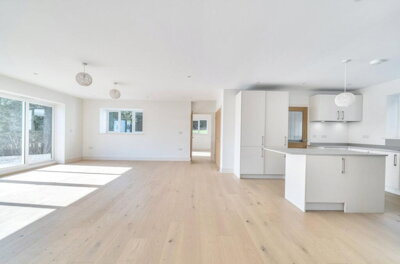
Browse 1 home new builds in St. Winnow from local developer agents.
Winnow from developers. The larger property sector typically features multiple bathrooms, substantial reception space, and private gardens or off-street parking. Four bedroom houses in St. Winnow span detached, semi-detached, and occasionally terraced configurations, with styles ranging from period properties to modern executive homes.
St. Winnow's property market mirrors wider Cornish rural trends, with detached homes drawing the highest prices at an average of £478,091. Semi-detached properties in the parish average £298,318, while terraced homes sit nearer £285,767. Over the last twelve months, prices have eased by 3%, leaving the market at levels not seen since before the 2023 peak of £380,261. For buyers who were pushed out during the busiest spell, that correction may be a useful opening.
New-build supply in St. Winnow itself is thin on the ground because of the parish's protected status and conservation priorities. Nearby Lostwithiel, though, has Hillside View, a small scheme of six detached executive homes starting from £850,000, and it pulls in buyers from the wider St. Winnow area who want modern standards without moving far from the village. Most of the local stock is older, from granite-built cottages and traditional farmhouses to historic manor houses. Flats and apartments are rare, which suits a parish where houses and bungalows still dominate.
Across St. Winnow, the housing stock spans several Cornish building eras, from medieval farmsteads to Victorian terraces. Homes built before 1919 are especially common, and they often bring thick granite walls, deep-set windows and slate roofs that speak clearly of local craftsmanship. That age also means maintenance can be more demanding, with costs that look very different from those of newer properties. We would always recommend a full survey before purchase, so any hidden defects are caught early.

Running through parish life is the River Fowey, which has shaped St. Winnow for centuries as both a working waterway and a trading route. The village sits on the east bank, south of Lostwithiel, beside a quay at the limit of navigation for vessels coming up from the sea. That position gives the area its views and waterside walks, but it also ties residents to Cornwall's maritime history in a way that feels real rather than decorative. It also means some properties may sit in flood risk zones, something careful buyers should take into account from the start.
Granite and slate give St. Winnow its architectural tone, especially in the older properties that define the village. The local geology, mainly slate and granite with some localised clay deposits, has long supplied builders with tough, weather-resistant materials that suit Cornwall's often harsh coastal climate. Thick walls, deep-set windows and other traditional details are therefore part of the everyday building story here, bringing insulation and character together. The community side is just as strong, with the village pub, church events and seasonal festivals all giving people regular chances to meet.
A short drive from the village, the wider Fowey estuary offers sailing clubs, coastal walks and literary links that many buyers find appealing. Fowey itself, with ferry connections to Polruan across the water, lies close by and adds galleries, cafes and the annual literary festival, which draws visitors from across the country. That mix of rural calm and an active coastal town gives St. Winnow a balance that is hard to copy elsewhere.

For families, schooling is usually found in nearby towns rather than within St. Winnow itself, with primary options within easy reach. Cornwall also has a mix of community primaries and faith schools, and quite a few are housed in older buildings that reflect the county's wish to preserve educational heritage alongside modern teaching. In the Lostwithiel area, including Lostwithiel Primary School, schools serve the local catchment and are well regarded for supportive atmospheres and academic standards.
Secondary education sits in Lostwithiel, Bodmin or Liskeard, where pupils can choose between comprehensive schools, grammar schools and specialist sixth form colleges depending on strengths and ambitions. Bodmin College is one of the main secondary institutions in the area, with a broad range of GCSE and A-Level courses, while Lostwithiel School gives families a shorter journey if they prefer one. Several grammar schools are also available in the surrounding area, reflecting Cornwall's selective system, which differs from much of England.
Cornwall has seen notable investment in education in recent years, but rural schools still face the familiar pressure of pupil numbers and funding, and parents should bear that in mind when moving to smaller parishes. The nearest secondary schools usually cover a wide catchment, so children may travel some distance, especially at key transition points. For families focused on educational outcomes, checking school performance data, Ofsted ratings and admissions criteria for each institution should be part of the property search, because catchment areas can affect both suitability and long-term value.

Rail access comes via Lostwithiel, the nearest mainline station, with direct services to Plymouth, Exeter and beyond. It sits on the Cornish Main Line, which links the parish to major regional centres and supports commuting for those who work further afield. Even so, service frequency and travel times to larger employment hubs mean most residents still depend on private cars, and for many households in the parish, vehicle ownership is essential.
Road links are shaped by the nearby A38 trunk road, which gives St. Winnow access to the wider county and on to the M5 motorway network for journeys beyond Cornwall. The road runs through nearby Liskeard and Bodmin, opening routes to Plymouth and Exeter, where motorway connections continue towards Bristol, Birmingham and the rest of England. For flights, Newquay Airport offers seasonal services to several UK and European destinations, though the most practical access to international hubs is still via Bristol or London airports with their direct rail links.
Local buses do run between St. Winnow and the surrounding villages and towns, but the services are limited in frequency and operating hours, so they suit occasional local trips more than daily commuting. For walkers and cyclists, the countryside around the parish offers miles of scenic lanes and footpaths, while the River Fowey brings boating and waterside recreation into everyday life. The Saints Way footpath, which crosses Cornwall from north to south, passes through Lostwithiel and gives long-distance walkers another route to explore.

Our advice is to spend time in St. Winnow at different times of day and week, so you can get a feel for the community, check the local amenities and spot anything that might affect day-to-day enjoyment, such as traffic, noise or seasonal tourism. A visit in both summer and winter gives a much fuller sense of how life here changes through the year.
Before you book viewings, speak to a mortgage broker or lender and get an agreement in principle. It shows you are serious and gives you a clearer idea of budget, which in St. Winnow usually runs from £285,000 for terraced properties to over £478,000 for detached homes. Because many local properties are older and may need specialist survey work, it is sensible to allow for extra assessment costs when working out what you can borrow.
Local estate agents who know the St. Winnow market well can make arranging viewings much easier. Pay close attention to the condition of traditional granite and slate construction, look for signs of damp or movement, and take photographs so you can compare properties afterwards. It also helps to ask about any additions or alterations, since many period homes have been extended over the years in ways that may affect their character or structural integrity.
Because the parish has so many period homes, we would always commission a Level 2 Homebuyer Report before going any further. It can pick up defects such as damp, roof problems, outdated electrics and possible mundic block in concrete-built properties, which is a known issue in Cornish homes from the early to mid-twentieth century. A thorough survey will also look at flood risk for riverside homes and flag any planning restrictions that apply to listed buildings.
For the legal side, choose a solicitor who handles Cornish property transactions regularly. They will carry out searches, check local authority records for planning permissions and conservation area restrictions, and keep the transfer of ownership on track. Given St. Winnow's heritage status, they should also look closely at any tree preservation orders, flood defences or environmental designations that could affect the property.
Once the searches come back clear and finance is in place, contracts are exchanged and the deposit is paid. Completion usually follows within days or weeks, and that is when the keys to the new St. Winnow home are handed over. Give yourself time for utility transfers and for any post-completion work that the survey flagged as a priority.
Older homes here deserve a close look, because much of the local stock dates from periods when building standards were very different from today's. Granite and slate bring their own maintenance requirements, and traditional repair methods can add to the cost of ownership over time. Buyers should plan for upkeep on stone walls, slate roofs and original windows, all of which are part of the appeal but also need informed care.
Flood risk sits high on the checklist for anything near the River Fowey, so buyers should review the Environment Agency flood maps and any property-specific flood assessments before committing. Homes in designated flood zones can carry higher insurance premiums and may face restrictions on extensions or alterations. Because the parish sits on the east bank of the river, lower-lying properties near the quay are generally more exposed than those higher up the hillside, and flood cover now costs more nationally, so it belongs in the budget from the start.
Mundic block is another Cornish quirk that can affect certain homes. This concrete form, used in properties from around 1900 to 1965, may include beach or mine waste aggregates that can deteriorate and weaken the structure over time. If a survey raises any concern, specialist testing is usually the next step, and a positive result often means a lender will want further assessment before finance can go ahead.
Electrical systems in older St. Winnow homes often need scrutiny, as many date back decades and may no longer meet current safety standards. Cornwall's coastal climate, with prevailing winds and salt-laden air, can speed up corrosion of metal parts, including conduit, junction boxes and consumer units. Drainage and plumbing also need checking, since some properties still rely on systems installed before modern regulations. A RICS Level 2 survey should highlight these issues and give buyers room to negotiate price changes or ask for repairs before completion. Many listed buildings in the parish are also subject to planning controls, so understanding the listed status and any attached conditions should be part of the decision-making process.

The average house price in St. Winnow over the past year was £331,335, according to property market data. Detached homes average £478,091, semi-detached properties around £298,318, and terraced homes approximately £285,767. Prices have softened by 3% over the past twelve months and are currently 13% below the 2023 peak of £380,261, which opens up some opportunities for buyers in this riverside parish. At the lower end, traditional terraced cottages offer relatively accessible entry points, especially when set against the premium for larger detached homes with river views.
Council tax in St. Winnow is banded by Cornwall Council from Band A through to Band H. With historic cottages, substantial farmhouses and modern conversions all in the parish, buyers should always check the exact band for any home they are considering, because it affects annual liability and may also influence access to certain savings schemes and exemptions. Band D to Band F are likely to apply to many period family homes here, with charges set to Cornwall Council's current schedule. People buying for the first time, and those on limited incomes, should also check whether any discounts or exemptions might apply to them.
Children living in St. Winnow usually travel out to school, since the parish itself does not have its own primary or secondary school. The surrounding area offers a broad mix of community primaries, faith schools and secondary schools with sixth form provision. Primary schools in Lostwithiel, including Lostwithiel Primary School, serve the local catchment and are within reasonable travelling distance of the village. Secondary choices include Bodmin College and Lostwithiel School, both offering comprehensive education up to A-Level standard, with grammar school options also available across the wider area for those who meet the selection criteria.
Public transport is sparse, which is no surprise in a parish like this. The nearest railway station is in Lostwithiel, with services on the Cornish Main Line to Plymouth, Exeter and London Paddington. Local buses connect St. Winnow to surrounding villages and towns, but they run infrequently, often on hourly or two-hourly schedules and with earlier final services than you would see on urban routes. Most residents still rely on private cars, and that needs to be part of any plan to move here. For people working remotely or on flexible hours, the remoteness is usually less of a problem than it is for daily commuters.
Investment buyers do look at St. Winnow, especially for holiday lets, rural retreats or longer-term rentals in a characterful setting. Supply is limited and demand from people seeking the Cornish lifestyle has tended to support values over the longer term. Homes with river views or direct water access command premiums, while the parish's heritage status and concentration of listed buildings help keep the area distinctive. Any investment case still needs to account for seasonal tourism swings, possible flood risk for riverside homes and the ongoing cost of maintaining period properties. Holiday lets may also be affected by recent changes to permitted development rights.
Stamp duty in England follows the standard bands, with 0% on the first £250,000 of the purchase price, 5% on the portion from £250,001 to £925,000, 10% on £925,001 to £1.5 million, and 12% on anything above £1.5 million. First-time buyers purchasing properties up to £625,000 receive relief on the first £425,000, paying 5% only on the amount between £425,001 and £625,000. For a typical St. Winnow property priced around the area average of £331,335, stamp duty would apply to the amount above £250,000, producing a charge of approximately £4,067 for standard buyers who do not qualify for the relief.
Listed buildings are a major part of St. Winnow's historic landscape. The Church of St Winnow is Grade I listed and dates from the Norman period, and it is one of the finest examples of early ecclesiastical architecture in south Cornwall. Other listed structures include the Chapel of St Nectans and Ethy House, both Grade II*, while a number of farmhouses, chest tombs and boundary markers are Grade II. Any property with listed status needs consent from Cornwall Council before alterations or extensions go ahead, so renovation budgets and timescales need to reflect that.
Period homes in St. Winnow bring familiar risks, particularly damp coming through traditional walls, roof wear on older slate coverings and possible structural issues linked to the underlying geology or historic methods of construction. Where mundic block is present, it is a serious issue, as lenders tend to take a cautious line and usually want specialist assessment before finance is approved. Homes close to the River Fowey also need flood risk checked through Environment Agency mapping and suitable insurance quotes before completion. Older electrics, plumbing and insulation levels often fall below modern standards too, so upgrade work should be allowed for in the total cost.
From 4.5%
Finance your St. Winnow property purchase
From £499
Legal services for your property purchase
From £350
Professional survey for St. Winnow homes
From £60
Energy performance certificate
On top of the purchase price, buyers should budget for stamp duty, solicitor fees, survey charges and moving costs. For a typical St. Winnow property priced around the area average of £331,335, stamp duty at current rates applies to the part above £250,000, leaving a bill of approximately £4,067 for standard buyers. People buying for the first time and purchasing homes under £425,000 may qualify for relief on the first £425,000, although St. Winnow's average means many homes sit outside that threshold for first-time buyer relief. Non-UK residents also face extra SDLT surcharges when buying in England.
Solicitor conveyancing fees usually start at £499 for straightforward transactions and rise to over £1,500 where the purchase is more complex, such as leasehold property or unusual tenure arrangements. A RICS Level 2 Homebuyer Report, which we strongly recommend for St. Winnow's older housing stock, typically costs between £350 and £600 depending on size and value, with higher charges for larger homes or those needing a more detailed inspection. Non-standard construction or pre-1900 properties may attract extra survey fees because the assessment is more involved. Searches, including local authority, drainage and water, and environmental checks, usually total around £250 to £400. Mortgage arrangement fees, valuation charges and broker fees should also be included, with arrangement fees ranging from zero to around £2,000 depending on the lender chosen.

Properties New Builds In London

Properties New Builds In Plymouth

Properties New Builds In Liverpool

Properties New Builds In Glasgow

Properties New Builds In Sheffield

Properties New Builds In Edinburgh

Properties New Builds In Coventry

Properties New Builds In Bradford

Properties New Builds In Manchester

Properties New Builds In Birmingham

Properties New Builds In Bristol

Properties New Builds In Oxford

Properties New Builds In Leicester

Properties New Builds In Newcastle

Properties New Builds In Leeds

Properties New Builds In Southampton

Properties New Builds In Cardiff

Properties New Builds In Nottingham

Properties New Builds In Norwich

Properties New Builds In Brighton

Properties New Builds In Derby

Properties New Builds In Portsmouth

Properties New Builds In Northampton

Properties New Builds In Milton Keynes

Properties New Builds In Bournemouth

Properties New Builds In Bolton

Properties New Builds In Swansea

Properties New Builds In Swindon

Properties New Builds In Peterborough

Properties New Builds In Wolverhampton

Enter your details to see if this property is within your budget.
Loans, cards, car finance
Estimated property budget
Borrowing + deposit
You could borrow between
Typical borrowing
Monthly repayment
Est. at 4.5%
Loan-to-value
This is an estimate only. Your actual budget may vary depending on interest rates, credit history, and personal circumstances. For an accurate affordability assessment, speak to one of our free mortgage advisors.
This calculator provides estimates for illustrative purposes only and does not constitute financial advice. Your home may be repossessed if you do not keep up repayments on your mortgage. Estimates based on 4.5% interest rate, repayment mortgage. Actual rates depend on your circumstances.
Homemove is a trading name of HM Haus Group Ltd (Company No. 13873779, registered in England & Wales). Homemove Mortgages Ltd (Company No. 15947693) is an Appointed Representative of TMG Direct Limited, trading as TMG Mortgage Network, which is authorised and regulated by the Financial Conduct Authority (FRN 786245). Homemove Mortgages Ltd is entered on the FCA Register as an Appointed Representative (FRN 1022429). You can check registrations at NewRegister or by calling 0800 111 6768.

We use cookies to show you personalised content and improve your experience of our website. Find out more in our Privacy policy and Cookie policy.