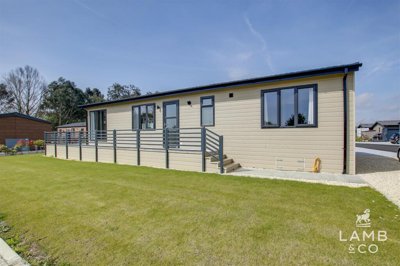
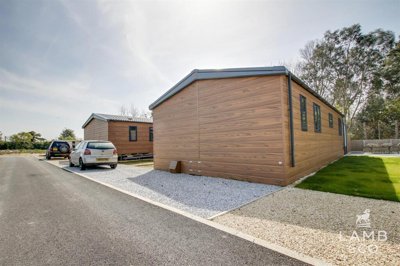
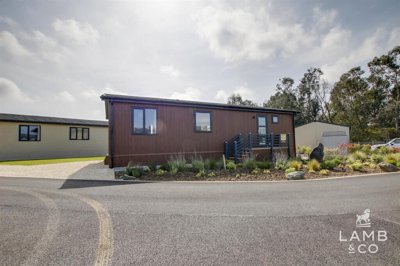
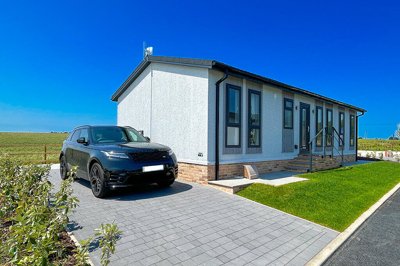
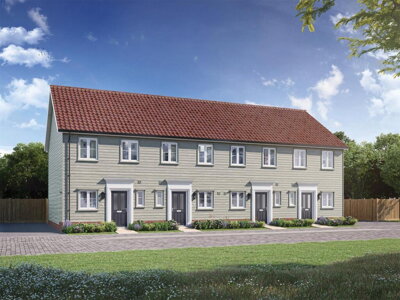
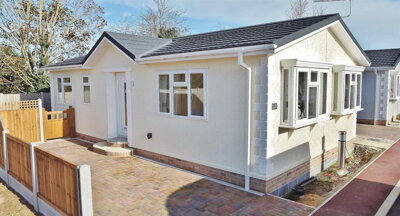
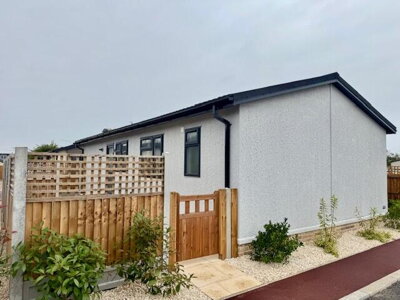
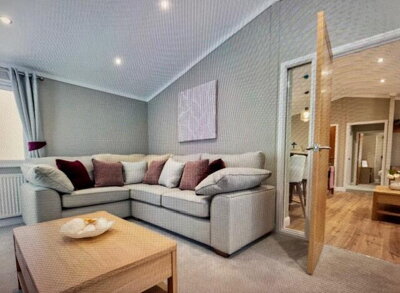
Browse 9 homes new builds in St. Osyth from local developer agents.
Osyth. The 2 bed house market features detached, semi-detached, and terraced properties with two separate bedrooms plus living spaces. Properties in St. Osyth range across contemporary developments, with pricing varying across different neighbourhoods.
home.co.uk currently shows St Osyth Place on Cockett Wick Lane from £179,995, Priory Fields near St Osyth Priory from £290,000, and new-build bungalows in St Osyth CO16 around £360,000 to £380,000. Those schemes all sit inside the parish boundary, or very close to the village core, so they are the stock that counts for buyers focused on St. Osyth itself rather than nearby Clacton or Great Bentley. It is an unusually mixed market for a small parish, with a two-bedroom lodge, a heritage-style cottage and a five-bedroom family home all appearing in the same search. At Priory Fields, first residents are expected from summer 2026, which keeps attention on what is coming as well as what is already available.
homedata.co.uk records put the average sold price over the last year at £252,631, with the market sitting roughly 21% below the 2023 peak of £354,906. The spread by property type is clear enough, detached homes around £372,450, semi-detached homes around £279,329, and terraced homes around £189,100. So while the village can still suit a tighter budget at the terrace end, it also works for buyers needing detached space for a larger household. With prices softer, we usually find buyers can weigh up condition, setting and tenure properly instead of rushing after every asking figure.

St. Osyth is a historic coastal parish with a permanent population of about 4,600, although holiday periods push that figure up because the parks and visitor economy bring more people into the village. The parish covers 3,221 hectares, and that gives it a more open feel than a compact coastal town centre. Buyers looking for a slower pace tend to notice the village centre shops, the amenities on Clacton Road, the pubs and the food outlets, all with the Priory and church in the background. The conservation area was first designated in 1969 and later amended, which helps explain why the place feels carefully shaped rather than heavily modernised.
The setting is a big part of the appeal. St Osyth is low-lying and mostly flat, with sloping edges around St Osyth Creek, and the parish is framed on two sides by water including Flag Creek, the River Colne and the North Sea. Saltmarsh, mud and sand give it a distinctly coastal character. That is why walkers, birdwatchers, sailors, anglers, paddleboarders and mountain bikers all spend time here, and why the coastline falls within internationally important environmental designations. St Osyth Priory and the wider historic estate add real depth, while the parish has around 61 listed buildings in the conservation area and roughly 112 to 116 listed buildings and structures overall.
Families buying in St. Osyth usually need to look wider than one village school list. It is a small parish, so practical choice often comes down to catchment, route and age group. Our research pack does not confirm specific Ofsted ratings for local schools, so we would always suggest checking the current admission maps with Essex County Council and reading each school's latest inspection report before you offer. Buyers wanting nursery, primary, secondary and sixth-form continuity often compare options along the wider Tendring coast and into Colchester. Over the longer term, the right address can matter just as much as the right number of bedrooms.
Once you have a shortlist, the school run becomes easier to judge properly. St Osyth's village layout, the coastal roads and seasonal traffic can all change morning timings, so we would check journeys at the times you would really travel rather than on a quiet Sunday. It is also sensible to confirm any property-specific boundary points early, especially on streets close to school borders. That can save a lot of wasted time if a house sits just outside the zone you need.

St. Osyth is not a rail-based commuter village, so most residents rely on the car or mix driving with trains from nearby stations in the wider Tendring area. If you need to reach Colchester, Chelmsford or London each day, that matters, because the journey is usually built around road links and train timetables rather than a station within walking distance. Buses do serve the parish, but rural geography and seasonal demand can affect frequency. We would test any peak-time route before making an offer.
One reason buyers still consider the village, even with jobs elsewhere in Essex, is road access. The parish links well with nearby coastal settlements and with Colchester for shopping, rail connections and services, and the wider road network carries on towards the county's main routes. For leisure, cycling works well on flatter stretches and quieter lanes, though tidal roads and holiday traffic can slow things near the coast. Parking is often easier than in denser town centres, but older cottages and conservation area streets can still mean tighter access.
A house near the village core, the Priory or the creek can feel completely different from a newer development on the edge of the parish. Before committing, check the driveway width, turning space and visitor parking. If you depend on public transport, compare weekday and weekend services so you can see how the routine works across the whole year. We always think it is safest to test the route at the time you would actually travel.
Compare homes in the village core, on the Priory edge, by the creek and in newer schemes, so you can see which setting best fits your budget and lifestyle.
Get a mortgage agreement in principle sorted before viewings, so local agents can see you are serious and we can move quickly when the right home comes up.
Visit in daylight, then go back at a busier time, so you can judge parking, road noise, holiday traffic and the general feel of the street.
For many standard homes, a RICS Level 2 survey is the right fit. Older cottages, listed homes and more complex properties often justify a Level 3 survey instead.
Ask your conveyancer to review conservation area rules, title details, planning history, and any leasehold or site-licence terms before you get too far in.
Once the searches, finance and survey results are back, agree a completion date that works for removals, parking and access.
The first issue we would check in this parish is flood and water exposure. Flag Creek, the River Colne and the North Sea all flank St Osyth, and St Osyth Creek runs through the conservation area, so homes near marshland, tidal waterways or other low-lying ground need careful due diligence. Ask for insurance details, the search results and any record of water ingress, then make sure your surveyor understands both coastal and riverine risk. Miss that step and some buyers only spot the problem after spending money on searches and legal work.
In St Osyth, conservation status carries real weight because the village has a large conservation area and more than 110 listed buildings and structures. Windows, extensions, roof changes and other external alterations can face much closer scrutiny than they would on a modern estate street. Listed homes near the Priory or in the historic core can be excellent purchases, but they often call for specialist advice on materials, consent and ongoing upkeep. The character is the upside, the reduced freedom to alter things quickly is the trade-off.
Tenure needs close attention as well, particularly with flats, park homes and newer developments that include shared spaces. Leasehold homes may bring service charges, ground rent and management rules, while lodges or park homes can come with site fees and licence terms that are different from a standard house purchase. New builds such as Priory Fields may appeal to buyers after lower maintenance, but it is still important to read the specification carefully and ask exactly what is included in the sale price. A solicitor and surveyor with experience of coastal Essex can pick up issues that a generic online search may miss.
Over the last year, homedata.co.uk records show an average sold price in St. Osyth of £252,631. That figure covers a broad range, with detached homes selling around £372,450, semi-detached around £279,329 and terraced homes around £189,100. Prices are also about 21% below the 2023 peak of £354,906, which points to a softer market. For buyers with a mortgage agreement in principle in place, that can open up opportunities.
St. Osyth is not all in one council tax band. Properties fall into the standard bands A to H according to value, and Tendring District Council is the local billing authority for the parish. The exact band is tied to the individual property, not the village as a whole. We would check both the listing and the council records for the specific address before setting a budget.
Our research pack does not confirm a full list of local schools or current Ofsted grades, so that part needs checking before you commit. Because the parish is small, many families compare schools across the wider Tendring coast and into Colchester, depending on catchment and age group. The Essex County Council admissions pages, along with each school's inspection history, are the best places to firm up a shortlist. Moves driven by schools also tend to work better when the house search is planned around the school run.
Public transport in St. Osyth is practical rather than polished. It is better thought of as a car-friendly village than a rail hub, and while buses do serve the parish, timetables can be thinner than in larger towns, especially outside the main holiday season. Buyers commuting regularly usually look at the nearest stations across the wider Tendring area and then compare journey times into Colchester, Chelmsford or London. We would always test the trip at the hour you would really travel.
For some buyers, yes. St. Osyth brings together a heritage setting, coastside appeal and a tighter village supply than many nearby towns. home.co.uk currently shows a spread of new homes and park homes, from entry-level prices up to higher-value family options, which creates several demand bands in the market. Rental or resale performance will still turn on tenure, flood risk, conservation constraints and how close the property sits to the village core or the Priory. For investment, we would favour strong presentation, practical parking and a layout that appeals to a wider buyer pool.
For a standard buyer, stamp duty is 0% up to £250,000, then 5% from £250,000 to £925,000. Using the homedata.co.uk average sold price of £252,631, that would mean tax of about £132 on the slice above £250,000. First-time buyers pay 0% up to £425,000, so plenty of St. Osyth purchases fall within that relief if the price stays below the threshold. The exact bill depends on whether the property is a main home or an additional home, so we would want a solicitor or conveyancer to confirm it before exchange.
A survey is strongly recommended here, particularly for older cottages, listed buildings and homes close to water. The parish includes many historic properties, and the local issues can include damp, roof wear, timber defects and movement. A RICS Level 2 survey is suitable for many standard homes, while a Level 3 Building Survey is often the better choice for older or altered properties. In a conservation area, that extra scrutiny is often money well spent before you commit.
Standard buyer stamp duty starts at 0% up to £250,000, then moves to 5% between £250,000 and £925,000, 10% from £925,000 to £1.5 million and 12% above £1.5 million. At the homedata.co.uk average sold price of £252,631, the SDLT would be about £132 on the portion above £250,000. On a £290,000 new-build home, a standard buyer would face a bill of around £2,000, while a £360,000 bungalow would come in at around £5,500. First-time buyers get 0% up to £425,000, so many St. Osyth homes sit within relief for that group.
Stamp duty is only part of the picture. You also need to budget for valuation fees, surveys, legal work and moving costs. Mortgage fees, search fees and bank transfer charges can build quickly, especially where a listed or older property needs more careful due diligence. In a coastal parish like this, paying for the survey early is often sensible because flood exposure, conservation controls and older construction can all change the true cost of ownership. We also like buyers to keep some cash back for unexpected repairs after exchange.
Properties New Builds In London

Properties New Builds In Plymouth

Properties New Builds In Liverpool

Properties New Builds In Glasgow

Properties New Builds In Sheffield

Properties New Builds In Edinburgh

Properties New Builds In Coventry

Properties New Builds In Bradford

Properties New Builds In Manchester

Properties New Builds In Birmingham

Properties New Builds In Bristol

Properties New Builds In Oxford

Properties New Builds In Leicester

Properties New Builds In Newcastle

Properties New Builds In Leeds

Properties New Builds In Southampton

Properties New Builds In Cardiff

Properties New Builds In Nottingham

Properties New Builds In Norwich

Properties New Builds In Brighton

Properties New Builds In Derby

Properties New Builds In Portsmouth

Properties New Builds In Northampton

Properties New Builds In Milton Keynes

Properties New Builds In Bournemouth

Properties New Builds In Bolton

Properties New Builds In Swansea

Properties New Builds In Swindon

Properties New Builds In Peterborough

Properties New Builds In Wolverhampton

Enter your details to see if this property is within your budget.
Loans, cards, car finance
Estimated property budget
Borrowing + deposit
You could borrow between
Typical borrowing
Monthly repayment
Est. at 4.5%
Loan-to-value
This is an estimate only. Your actual budget may vary depending on interest rates, credit history, and personal circumstances. For an accurate affordability assessment, speak to one of our free mortgage advisors.
This calculator provides estimates for illustrative purposes only and does not constitute financial advice. Your home may be repossessed if you do not keep up repayments on your mortgage. Estimates based on 4.5% interest rate, repayment mortgage. Actual rates depend on your circumstances.
Homemove is a trading name of HM Haus Group Ltd (Company No. 13873779, registered in England & Wales). Homemove Mortgages Ltd (Company No. 15947693) is an Appointed Representative of TMG Direct Limited, trading as TMG Mortgage Network, which is authorised and regulated by the Financial Conduct Authority (FRN 786245). Homemove Mortgages Ltd is entered on the FCA Register as an Appointed Representative (FRN 1022429). You can check registrations at NewRegister or by calling 0800 111 6768.

We use cookies to show you personalised content and improve your experience of our website. Find out more in our Privacy policy and Cookie policy.