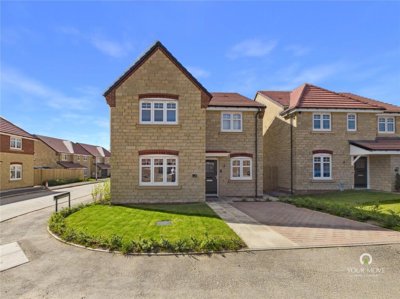
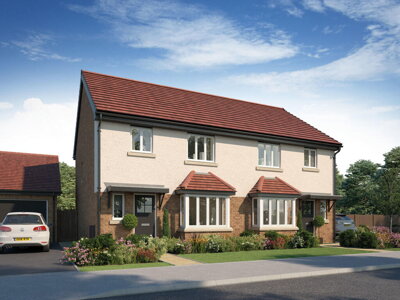
Browse 2 homes new builds in Shincliffe, County Durham from local developer agents.
£380k
12
1
188
Source: home.co.uk
Source: home.co.uk
Detached
4 listings
Avg £693,738
End of Terrace
3 listings
Avg £341,667
Bungalow
1 listings
Avg £400,000
Detached Bungalow
1 listings
Avg £325,000
Semi-Detached
1 listings
Avg £290,000
Terraced
1 listings
Avg £525,000
semi-detached
1 listings
Avg £288,000
Source: home.co.uk
Source: home.co.uk
Shincliffe's property market is shaped by the traditional house types that have defined this conservation village for generations. Our data shows semi-detached homes have led recent sales, with an average of £327,000 over the last twelve months according to home.co.uk listings data. Many of these family houses were built in the interwar period, and buyers continue to seek them out for their generous room sizes and mature gardens, especially those moving away from larger urban centres. Across the village, stone-fronted homes and bay-windowed semis sit beside later additions, giving the streetscape a varied but recognisably historic character.
Across Shincliffe, the mix of housing still reflects the village's long development over time. Our data indicates that semi-detached properties have accounted for the bulk of recent sales, averaging £291,667 over the past twelve months according to home.co.uk listings data. A good number date from the interwar period, with the larger rooms and established gardens that buyers often want when leaving bigger urban centres. Stone-fronted houses, bay-windowed semis and newer additions all play a part in the look of the village, which still feels rooted in its past.
Terraced homes in Shincliffe have achieved the highest average prices at approximately £260,000, pointing to steady demand for character properties with features such as original fireplaces, high ceilings and traditional sash windows. Detached houses have averaged £478,990, although that figure is likely influenced by a smaller sample of sales and homes coming to market in quite different conditions. Overall, the average house price in Shincliffe is £397,232 according to home.co.uk listings data, while homedata.co.uk reports the same £397,232 for sold prices across the past year. home.co.uk also recorded an average sold price of £325,000 as of February 2026, with price trends showing a decline of 16.5% over the previous twelve months.
The recent correction in Shincliffe prices reflects the wider national pattern, but it may open up real opportunities for buyers thinking long term. Data from homedata.co.uk suggests that comparable County Durham villages have tended to hold up well over time, with conservation status often supporting values because supply stays limited. In High Shincliffe, homedata.co.uk recorded a 2% increase over twelve months, which hints that some parts of the local market may be settling even while others are still adjusting.

Shincliffe is one of County Durham's three designated conservation villages, a status that reflects its unusual architectural and historic interest. The village stretches back several centuries and still keeps much of its original layout, with local stone and traditional brick giving many properties their distinctive appearance. As we walk through Shincliffe, we see converted farmsteads now used as family homes, Victorian terraces with bay windows and patterned tile thresholds, and newer houses that have been fitted into the established fabric of the village with care.
Daily life in the village is supported by a well-regarded primary school, a village shop that doubles as a local hub, and a traditional public house where community events still bring people together. Beyond that, the surrounding countryside opens up into public footpaths and bridleways for walking and cycling, with glimpses of the River Wear from several points in Shincliffe. Durham City centre, with its cathedral and castle, is less than a mile away, which suits people who work in the city or want easy access to restaurants, shopping and cultural life without living right in the centre. The University Hospital of North Durham is also straightforward to reach, something many healthcare workers weigh up when looking at village locations.
Community life in Shincliffe still feels active and well-supported. Events held through the year bring residents together, and that neighbourly atmosphere remains a big part of village living in this part of County Durham. Despite being so close to Durham, Shincliffe has kept a clear identity of its own, helped by local efforts to protect green spaces and preserve the historic setting. That mix matters to buyers. Many work in Durham, but choose Shincliffe because the balance of accessibility and day-to-day quality of life is hard to ignore.
Road access is straightforward from the village. Shincliffe sits close to the A177, linking residents to Durham Science Park and then on to the A1(M) at Bowburn for longer car journeys. Its location near Durham also makes cycling a realistic option for plenty of people. We often hear from locals that the twenty-minute walk into Durham city centre along Shincliffe Lane becomes part of the rhythm of the day rather than a chore, especially in the lighter traffic of the morning and evening.

For families, education in the village centres on Shincliffe Primary School, which serves both Shincliffe itself and the surrounding rural area. The school has built a solid reputation for primary education in a village setting, giving children a strong base before they move on to secondary school. That matters in practical terms as well, because many families can avoid long school runs and let children walk or cycle to lessons instead, building independence early on. From there, pupils typically move into Durham's wider secondary school network, with several options within easy reach.
Secondary education is close at hand in Durham City. Options include Durham School, the historic independent school that runs from nursery to sixth form, alongside state secondary schools serving the wider Durham area. Families looking for grammar school provision can also access established grammar schools nearby with strong academic records. For post-16 study, Durham City offers the Sixth Form College and Durham Sixth Form Centre, both providing A-level and vocational courses. Durham University is another draw, giving older students access to world-class higher education without moving far from family homes in Shincliffe.
Nursery and preschool provision is available within Shincliffe, and families who want specialist early years settings or longer childcare hours can look to additional options in Durham City. Parents arriving from larger towns often tell us that the strength of village school provision, and the community that grows around it, stands out quickly. The school is a real focal point for family life, with events and activities bringing together parents, children and older residents. Before buying, though, we always suggest checking catchment areas carefully, as a property's street location can affect which primary school children are able to attend.

One of Shincliffe's strongest advantages is how close it sits to Durham City. The historic city centre can be reached on foot in approximately twenty minutes along the well-lit Shincliffe Lane route, and that level of pedestrian access means some residents manage comfortably without a car. The walk itself, through the conservation village and along tree-lined paths, is part of the appeal. Cycling is common too, helped by flat terrain and dedicated routes that make commuting practical for professionals and students. For those working in Durham, that proximity can cut out much of the cost and stress tied to daily travel.
For travel beyond Durham, the rail links are a major plus. Durham Railway Station offers direct services to Newcastle, approximately 15-20 minutes, York, approximately 45 minutes, Leeds, approximately 1 hour 15 minutes, and London King's Cross, approximately 2 hours 45 minutes via Peterborough. That keeps Shincliffe attractive to commuters who work in Newcastle or elsewhere in the North East but prefer village surroundings. By road, the A177 runs through Shincliffe and links the village to Durham Science Park and the A1(M) at Bowburn, so travelling further afield for work is equally manageable.
Public transport is better here than many village buyers expect. Bus services run between Shincliffe and Durham City through the day for commuters and shoppers, and Durham's park and ride offers another option for those who prefer to drive part of the way, park free of charge, and finish the journey by bus. For flights, Newcastle International Airport is reached via the A1(M) and A19 in approximately 45 minutes drive from Shincliffe. The X12 bus service also runs through Shincliffe, connecting Durham with Bishop Auckland and giving residents without a car another practical route. Taken together, the network keeps the village well linked to jobs, leisure and family across the region.

We always suggest spending proper time in different parts of Shincliffe before deciding where to focus, from the stone cottages around the village green to the Victorian terraces on the Durham side of the village. It helps to understand where conservation area restrictions apply and how those differ from more standard properties, while also thinking about how close you want to be to Durham for commuting and everyday life. On our platform, we let buyers filter listings by property type, price range and distance from key amenities.
Before we book viewings in earnest, it is sensible to have a mortgage agreement in principle from a lender. That shows estate agents and sellers that your finances are credible, which can strengthen your position once the right property appears. Our mortgage partners can compare rates and help find a deal suited to your circumstances, including products that work for older homes or non-standard construction, both of which are common in conservation areas.
Once you are ready, we suggest contacting the estate agents marketing Shincliffe properties and arranging viewings promptly. Our platform brings together listings from the major agents in the DH1 area, making it easier to book viewings without chasing multiple sources. While viewing, we look beyond the house itself. Condition matters, but so do the feel of the neighbourhood, local noise levels and how close everyday amenities really are. Seeing a property at different times of day can also reveal traffic patterns and how active the community is around it.
Because Shincliffe is a conservation village with a good deal of older housing, we strongly recommend a RICS Level 2 Survey, Homebuyer Report, on any purchase. It can highlight condition defects, structural concerns and areas that may need work before completion, giving buyers room to renegotiate or, in some cases, walk away. Our team can arrange for a RICS-qualified surveyor to inspect properties in the Shincliffe area.
After an offer is accepted, the next step is to instruct a conveyancing solicitor to deal with the legal side of the purchase. They will carry out searches, check the title deeds and handle the exchange of contracts. We work with conveyancing partners who offer competitive fixed fees for Durham area purchases and who are used to dealing with conservation area homes, where extra checks can sometimes be needed.
Your solicitor will then take care of the final stages, including searches with Durham County Council, the final mortgage offer and agreeing the completion date. On completion day, the keys are released and the move into your new Shincliffe home can begin. We also recommend putting buildings insurance in place from exchange, particularly with older properties where hidden defects can come to light unexpectedly.
Buying in Shincliffe means paying close attention to conservation area rules. Properties here fall within a designated conservation area, so the local planning authority has tighter control over external alterations, extensions and even smaller changes that affect appearance. If a house needs renovation, or if future extension plans are part of the appeal, it is worth factoring in both the time involved and the possible restrictions on permission. Estate agents and vendors should be able to say whether a property sits within the conservation area boundary, but we would still verify that independently before committing. Durham County Council's planning portal lets us search individual properties and review planning history.
Much of Shincliffe's housing stock was built using traditional methods and materials, and that changes what buyers need to look for. Stone walls, solid brick construction and original timber windows are all common, and they need different maintenance from modern homes. With buildings of this age, issues such as damp penetration, roof deterioration and subsidence-related movement are more of a possibility, which is why we see a thorough RICS Level 2 Survey as essential before purchase. Original features can also sit alongside older electrical systems or plumbing that no longer meets current standards. Our surveyors regularly pick up points linked to solid wall construction that buyers should understand before they proceed.
County Durham's geology and the village's proximity to Durham City mean it is sensible to ask for specific searches on mining history and ground conditions during conveyancing. Shincliffe itself does not have documented mining issues, but this part of the North East carries a coal mining legacy that can occasionally affect the wider area. Flood risk also deserves attention, especially for homes near the approaches to the River Wear. Your solicitor will carry out standard local authority searches, and those should flag any relevant concerns tied to the property.
Listed buildings in Shincliffe call for extra care. Any work that affects the structure or appearance of one of these properties requires Listed Building Consent from Durham County Council, and that can extend beyond major alterations to repairs, replacement windows or changes to original interior features. Our team can explain what ownership of a listed building or conservation area property is likely to involve, and we can arrange surveys that focus specifically on the condition of historic building fabric.

For buyers widening their search across DH1, High Shincliffe can provide extra choice, with an average price of £267,250 according to home.co.uk listings data. Even so, core Shincliffe village tends to carry a premium because of its conservation status and its stronger position relative to Durham City. There are no large-scale new-build schemes within the Shincliffe conservation village itself, so buyers wanting a more modern specification may need to look towards Durham or Chester-le-Street. In Shincliffe, stock more often comes in the form of conversions, small infill developments and long-established homes that have passed between families over generations.
Shincliffe sits under Durham County Council for council tax purposes, with bands running from A to H according to the assessed value of each property. In practice, many standard family homes in the village fall into bands B to D, while larger detached houses or homes with substantial extensions can sit higher. We can check the exact band through the Durham County Council website or the government valuation office website using the property address. In Durham, council tax is usually collected across ten monthly instalments, with the billing period running from April to January.
Shincliffe Primary School serves the village and is generally well regarded for primary education in a village setting. For secondary education, families can look across the wider Durham area, where several well-regarded schools are reachable by school transport or daily commuting, including Durham School, independent, and a range of state secondary schools. Sixth form choices include Durham Sixth Form Centre and The Sixth Form College, both offering A-level and vocational courses. Durham University's proximity also comes into the picture for families with older children who may want to move into higher education without living far from home. We also advise checking Ofsted reports online to compare performance between different settings.
Despite its village feel, Shincliffe is well connected by public transport. Regular bus services run between Shincliffe and Durham City, with the journey taking approximately 15-20 minutes depending on stops, and the X12 links Shincliffe with Durham and onward to Bishop Auckland. Durham Railway Station can be reached by bus or car in around 10 minutes, and from there direct trains run to Newcastle, 15-20 minutes, York, 45 minutes, Leeds, 1 hour 15 minutes, and London King's Cross, approximately 2 hours 45 minutes. That level of access makes the village workable for commuters without losing the appeal of village living.
Shincliffe has a few clear points in its favour for investors. Its conservation village status limits new development, which can help support the value of existing stock, and the close connection to Durham City plus major employers such as Durham University and the University Hospital helps maintain demand from professionals and academics looking for village surroundings. Historically, conservation area properties with strong transport links have shown resilient values, though buyers still need to weigh up restrictions on alterations or development that may affect rental options. In the wider area, High Shincliffe recorded 10 sales in 2025, which gives a sense of moderate transaction levels.
Current pricing in Shincliffe gives a fairly clear picture of the market. The average house price is approximately £397,232 according to home.co.uk listings data, while sold prices have averaged around £397,232-£325,000 over the last twelve months according to homedata.co.uk and home.co.uk. Semi-detached homes have averaged £291,667, and terraced properties have reached approximately £260,000, while detached houses have averaged £478,990, a figure that may reflect a smaller sample. Recent trends point to a decline of 7-16.5% against the previous year, which could create openings for buyers looking in this sought-after conservation village.
The Shincliffe market is made up mainly of terraced, semi-detached and detached houses, with fewer cottages and bungalows appearing from time to time. Because of the village's conservation status, many homes are older stone or brick buildings with period details such as fireplaces, high ceilings and sash windows. Flats are relatively rare within the village itself. New build supply is also very limited, as development is constrained within the conservation area, although small conversions and infill schemes do occasionally come up for sale. Homes at Beaumont Court and similar small developments give a sense of the more contemporary options that sometimes reach the market.
Older Shincliffe homes, especially those inside the conservation area, deserve a careful inspection before any commitment is made. We would look closely for damp in solid walls, the condition of stonework and pointing, the age and state of the roof, and the condition of original windows and doors. Given the age of much of the village housing, a RICS Level 2 Survey is strongly recommended for every property. It is also sensible to confirm that any past works had the right planning permission, particularly where extensions or alterations may have been added over the years. Some conservation area properties are also subject to Article 4 Directions, removing permitted development rights and meaning formal planning permission is needed for changes that otherwise might not require it.
Competitive mortgage rates for Shincliffe buyers
From 4.5%
Fixed-fee legal services for property purchases
From £499
Expert survey recommended for Shincliffe's older properties
From £350
Energy performance certificates required for all sales
From £80
Stamp Duty Land Tax, SDLT, for standard purchases is charged at 0% on the first £250,000, 5% on £250,001 to £925,000, 10% on £925,001 to £1.5 million, and 12% on anything above £1.5 million. First-time buyers get relief at 0% on the first £425,000, with 5% applying from £425,001 to £625,000. With average Shincliffe prices around £397,232, most purchases would mean SDLT of approximately £7,362 for a standard buyer, while an eligible first-time buyer could pay nil SDLT. SDLT is based on the agreed purchase price and must be filed with HMRC within 14 days of legal completion.
Beyond the agreed price, buyers in Shincliffe need to budget for several extra costs. The biggest of these is usually Stamp Duty Land Tax, SDLT, which is charged on a tiered basis according to the purchase price. On a typical Shincliffe home at around £397,232, a standard buyer would pay approximately £7,362 in SDLT. That equates to 5% of the portion above the £250,000 threshold. For first-time buyers purchasing up to £425,000, full relief may apply, bringing SDLT down to zero on qualifying purchases.
Legal costs are another part of the budget, and in the Shincliffe area conveyancing fees typically start at around £499 for a straightforward purchase and can rise to £1,500 or more for more complex matters such as leasehold homes, new builds or title complications. A solicitor's charges usually cover local authority searches with Durham County Council, title checks and the transfer of funds. On top of that, buyers should expect possible search fees of approximately £250-£400, registration fees of approximately £200-£500 depending on property value, and bank transfer charges.

Properties New Builds In London

Properties New Builds In Plymouth

Properties New Builds In Liverpool

Properties New Builds In Glasgow

Properties New Builds In Sheffield

Properties New Builds In Edinburgh

Properties New Builds In Coventry

Properties New Builds In Bradford

Properties New Builds In Manchester

Properties New Builds In Birmingham

Properties New Builds In Bristol

Properties New Builds In Oxford

Properties New Builds In Leicester

Properties New Builds In Newcastle

Properties New Builds In Leeds

Properties New Builds In Southampton

Properties New Builds In Cardiff

Properties New Builds In Nottingham

Properties New Builds In Norwich

Properties New Builds In Brighton

Properties New Builds In Derby

Properties New Builds In Portsmouth

Properties New Builds In Northampton

Properties New Builds In Milton Keynes

Properties New Builds In Bournemouth

Properties New Builds In Bolton

Properties New Builds In Swansea

Properties New Builds In Swindon

Properties New Builds In Peterborough

Properties New Builds In Wolverhampton

Enter your details to see if this property is within your budget.
Loans, cards, car finance
Estimated property budget
Borrowing + deposit
You could borrow between
Typical borrowing
Monthly repayment
Est. at 4.5%
Loan-to-value
This is an estimate only. Your actual budget may vary depending on interest rates, credit history, and personal circumstances. For an accurate affordability assessment, speak to one of our free mortgage advisors.
This calculator provides estimates for illustrative purposes only and does not constitute financial advice. Your home may be repossessed if you do not keep up repayments on your mortgage. Estimates based on 4.5% interest rate, repayment mortgage. Actual rates depend on your circumstances.
Homemove is a trading name of HM Haus Group Ltd (Company No. 13873779, registered in England & Wales). Homemove Mortgages Ltd (Company No. 15947693) is an Appointed Representative of TMG Direct Limited, trading as TMG Mortgage Network, which is authorised and regulated by the Financial Conduct Authority (FRN 786245). Homemove Mortgages Ltd is entered on the FCA Register as an Appointed Representative (FRN 1022429). You can check registrations at NewRegister or by calling 0800 111 6768.

We use cookies to show you personalised content and improve your experience of our website. Find out more in our Privacy policy and Cookie policy.