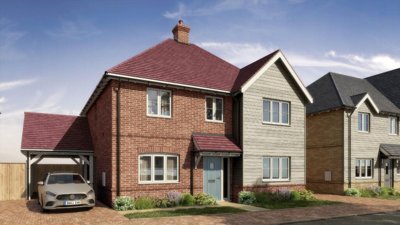
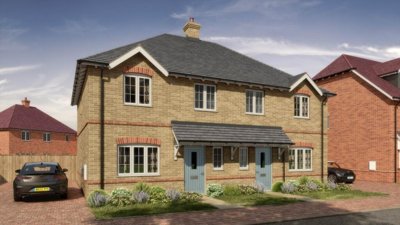
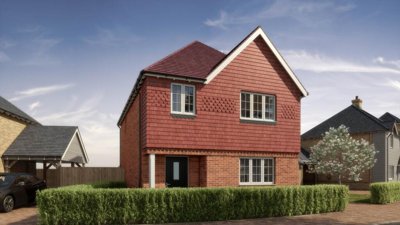
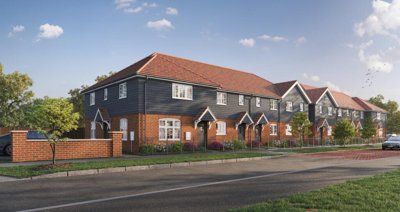
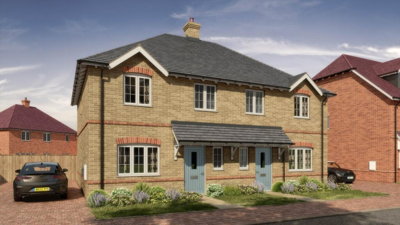
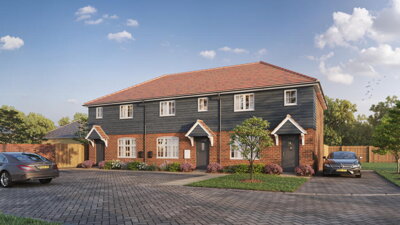
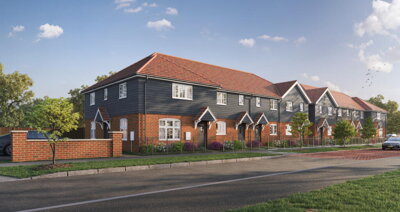
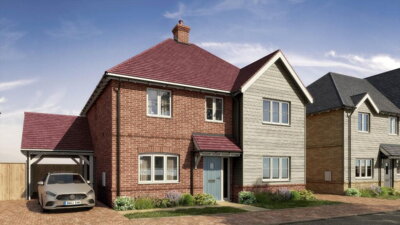
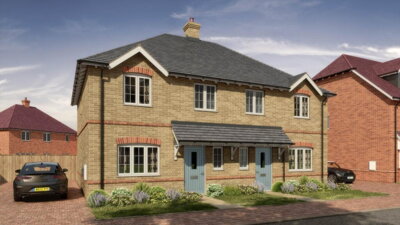
Browse 11 homes new builds in Selling, Swale from local developer agents.
£575k
9
0
75
Source: home.co.uk
Source: home.co.uk
Detached
4 listings
Avg £775,000
Semi-Detached
2 listings
Avg £532,500
Detached Bungalow
1 listings
Avg £575,000
Equestrian Facility
1 listings
Avg £1.33M
Terraced
1 listings
Avg £299,995
Source: home.co.uk
Source: home.co.uk
Ask around Selling and the pattern is much the same as across Kent, where average house prices sit somewhere between £540,000 and £661,428 depending on which data source is being used. In the ME13 postcode area, which covers Faversham and nearby villages such as Selling, terraced homes currently listed come in at around £362,498, detached homes at approximately £792,143, and semi-detached properties at about £432,500. The most affordable option on the market is usually a 2 bed property, averaging roughly £299,995. Put together, those figures leave the Selling area looking fairly workable for buyers hoping to get a foothold in the Kent market, especially beside pricier coastal parts of the county.
Kent recorded a 14% fall in transaction volumes over the past twelve months, with 22,200 property sales across the county, down from earlier levels. Even so, the market has not ground to a halt, and new build homes still made up around 3.2% of all sales, or 712 new homes in Kent. In Selling itself, the housing mix is likely to lean towards period stock that reflects the area’s heritage, including Victorian terraces and inter-war semi-detached houses built during the early twentieth century growth of rural communities. That mix gives buyers plenty to work with, from compact starter homes to larger family houses with gardens and outbuildings, the sort of thing village life in this part of Kent often revolves around.
Looking just at ME13, terraced homes account for 32.2% of all sales, which makes them the most commonly sold property type in the postcode area. Semi-detached properties follow at 29.5%, while detached homes make up 22.7% of transactions despite their higher individual price tags. Flats represent the remaining 15.6% and, as a result, tend to be the easiest way into the local market. That spread says a lot about the housing stock in and around Faversham, including Selling, where first-time buyer homes sit alongside family houses and higher-value detached properties.

Selling has the kind of rural Kent appeal that never quite goes out of fashion, and that draws buyers from across the South East who want a quieter pace than urban life can offer. The village sits within Swale district, an area of rolling farmland, apple orchards, and the landscape that helped earn Kent its “Garden of England” label. There is a strong sense of local community too, with parish councils, village events, and customs that still bring neighbours together. Walks in the countryside, centuries-old churches, and the calm of a proper village setting are all part of daily life here. Faversham is close by as well, which adds shops, restaurants, and services within easy reach.
Villages in this part of Kent tend to attract a broad mix of people, long-term residents, families drawn by strong schools, and commuters who have decided village life is worth the trade-off. Faversham has built a reputation as a cultural centre, home to Britain’s oldest brewer Shepherd Neame and attractions such as the Fleur de Lis heritage centre and the distinctive Abbot’s Fireball celebration. Independent shops, weekly markets, and a lively cafe scene give the town plenty of character without losing that market-town feel Kent is known for. For buyers in Selling, it is a practical base too, with the Kent Downs on one side and Canterbury, Whitstable, or Whitby all within reach.
The Swale district covers a surprisingly varied stretch of Kent, from the marshlands of the Kent Downs to the villages dotted through the area. For Selling residents, Whitstable and Whitby are both easy to get to for day trips or weekend breaks, and both are well known for seafood, independent shops, and maritime history. Canterbury is also within the wider orbit, with its cathedral, university, shopping, and cultural life. Add in cycle routes and public footpaths linking the village to the surrounding countryside, and it becomes clear why the area appeals to people who like to make the most of Kent’s climate and scenery.

Source: home.co.uk, homedata.co.uk, home.co.uk (December 2025 - February 2026)
Schooling is one of the big reasons families look at Selling, with good primary provision in nearby Faversham and surrounding villages. Byslout Infant School and Byslout Junior School serve the local area and are known for academic standards and a supportive atmosphere, while St. Mary's Catholic Primary School offers a faith-based option. Because the village is small, most parents only need to travel a short distance for primary schools, and school transport is available for those who live further out. Nursery and reception provision is well established too, with both maintained and independent choices for different preferences.
For secondary education, families usually look to schools in Faversham and across the wider Swale district, including The Abbey School and Queen Elizabeth's Grammar School. Nearby grammar schools give higher-achieving pupils an academic route, with selective entry based on the Kent test system used across the county. Anyone buying in Selling should check catchment areas and admissions rules, because they can shape school places quite significantly. Canterbury is close enough to widen the picture further, with the University of Kent and Canterbury Christ Church University offering options for older children without the family needing to move again.
Kent’s selective system means pupils sit the Kent Test in Year 6 to decide whether they can go on to a grammar school place. Families moving to Selling often plan around that from the outset if grammar school entry is part of the plan. Schools in and around Faversham regularly post results above the national average, which is a big part of Kent’s reputation for strong education. There are private school options in the wider area as well, giving families another route if they prefer it. Parents can check school performance data on the government website when weighing up a move to the Selling area.

From a practical point of view, Selling is better connected than its rural setting might suggest, with several routes available for commuters and anyone travelling further afield. Faversham railway station offers direct services to London Victoria and London St Pancras International, and journeys to the capital usually take around 75-90 minutes depending on the service. That makes Selling realistic for London commuters who want a village base. The station also links to Canterbury, Whitstable, and the wider Kent rail network, so work and leisure travel across the county is straightforward. Locally, Faversham itself provides jobs in retail, hospitality, and brewing, which cuts down the need for long-distance commuting.
Road access is another strong point, with the A2 close by as it passes through Faversham and gives direct routes east to Canterbury and west towards the M2. That motorway ties into the wider network leading towards London and the Channel ports. It also gives good access to the Channel Tunnel at Folkestone and the Port of Dover, which is useful for anyone who travels abroad regularly for work or pleasure. Bus services link Selling with Faversham and nearby villages, though the timetable can be thin on quieter routes. Cycling has improved across Kent in recent years too, and the quiet country lanes make short rides pleasant, especially in summer when the countryside is at its best.
Faversham station, served by Southeastern, runs regular trains through the day to London Victoria and St Pancras International. The St Pancras route is especially handy for commuters who want access to Eurostar, international links, and the wider transport hub around King's Cross St Pancras. Season tickets from Faversham to London are competitive when set against many South East commuter routes, which helps keep the daily trip manageable. If travel needs go beyond the capital, the M2 gives direct access to the M25 and the broader motorway network. Gatwick Airport and Heathrow Airport are usually reachable via the M25 within 90 minutes by car, which keeps international travel fairly convenient for Selling residents.

Start by looking through current listings in Selling and the wider ME13 postcode area. Get a feel for the price ranges attached to different property types, and spend time in the village at different points in the day and across the week so you can see how it really functions. It also makes sense to pay close attention to condition, especially in Victorian and inter-war homes, where maintenance needs are part of the picture.
A mortgage agreement in principle is the sensible place to begin before any viewings. It shows sellers and estate agents that you are financially ready, and that can help when you find the right home in Selling. With ME13 prices sitting around £362,498 for terraced properties and £792,143 for detached homes, knowing your borrowing limit will keep your search focused on homes you can actually buy.
Once you are ready, speak to local estate agents and arrange viewings for properties that fit what you need. At each one, look at the condition, the scope for improvement, and whether the home suits your family, while keeping an eye on age and any signs of neglect. In a stock mix like this, it is especially sensible to check for damp, roof condition, and the state of original windows and fireplaces.
Before you exchange, we would always recommend a RICS Level 2 Survey so the condition of the property is properly assessed. In an area with lots of Victorian and inter-war homes, that kind of survey can flag the usual problems, damp, roof defects, and timber issues. For a property in Selling, it is sensible to budget approximately £350-600 for a detailed survey that helps protect the purchase.
Bring in a solicitor to deal with the legal side of the purchase. Your conveyancer will carry out searches, handle the contracts, and manage the transfer of funds so the move in Selling can progress cleanly to completion. Those searches should cover local authority checks, environmental searches, and water authority enquiries specific to Swale district.
After the searches come back satisfactorily and financing is confirmed, contracts are exchanged and the deposit is paid. Completion usually follows within weeks, at which point you collect the keys to your new home in Selling and can start settling into village life in Kent. For a typical terraced property priced around £362,498, allow for SDLT of approximately £5,625.
Anyone buying in Selling should keep a close eye on a few local issues that can affect both the purchase and the long-term cost of ownership. Victorian and inter-war homes are common here, so construction quality and maintenance history matter a great deal. Traditional brickwork in period houses often gives a solid base, but rising damp, weak roof structures, and dated electrical and plumbing systems are all familiar problems in older properties. A thorough RICS Level 2 Survey is strongly advised for any home in Selling, because it can identify defects that need attention and give you some room to negotiate if serious issues turn up. It also helps with renovation planning and budgeting if you intend to improve the house after moving in.
In Selling and across wider Swale district, planning rules can matter a great deal, particularly where conservation area restrictions affect permitted development rights and proposed alterations. Faversham, the nearby market town, has many listed buildings, especially along Abbey Street, and Selling village is also highly likely to include listed structures that reflect its history. Homes with agricultural or equestrian use may come with added planning conditions, so it is wise to read every document carefully before committing. Swale Borough Council is the local planning authority, and its records on conservation areas and listed buildings should be checked during the process.
Flood risk is worth checking carefully in this part of Kent, using official Environment Agency maps, because some properties near watercourses or in low-lying spots may be vulnerable. In parts of Kent the geology includes clay soils, and that can lead to shrink-swell movement that affects foundations over time. There are also areas with a past industrial legacy, including the explosives industry linked to Faversham, where extra ground stability checks may be needed during conveyancing. Tenure matters too, since some homes may be leasehold and bring ground rent or service charge costs into the mix. Freehold is common in villages, but buyers should confirm the position before proceeding.
Older homes in Selling often need updating to electrical and plumbing systems if they are to meet current standards. Rewiring a Victorian terrace may cost between £3,000 and £8,000 depending on size, and a full plumbing update could add another £2,000 to £5,000. Energy efficiency is another issue, because period homes often have solid walls rather than cavity wall insulation, which pushes heating bills up. Original single-glazed sash windows can be improved with secondary glazing or replacement if better thermal performance is needed, although many buyers want to keep the character. Budgeting for those likely jobs gives a far truer picture of the cost of buying a period house in Selling.

It is important to understand the full purchase cost of a home in Selling so the numbers do not come as a shock later in the process. Stamp Duty Land Tax is the biggest upfront item for most buyers, with current thresholds of 0% on property up to £250,000, 5% on the slice between £250,001 and £925,000, and 10% on amounts between £925,001 and £1.5 million. Anything above £1.5 million is charged at 12% on the remainder. On a typical terraced property in the Faversham area priced around £362,498, a standard buyer would pay SDLT of about £5,625, based on the £112,498 above the £250,000 threshold.
First-time buyers get SDLT relief on residential purchases up to £625,000, paying nothing on the first £425,000 and 5% on the amount between £425,001 and £625,000. That can save a sizeable sum compared with standard rates and makes entering the market more manageable. Homes above £625,000 are outside the relief. Beyond SDLT, buyers should also allow for solicitor conveyancing fees of £500 to £1,500 depending on complexity, survey costs of £350-600 for a standard RICS Level 2 Survey, mortgage arrangement fees of 0-2% of the loan amount, and land registry fees of around £200-500 to register the transfer.
As a rule, total extra costs tend to come to 3-5% of the purchase price, so for a £362,498 property buyers should expect to put aside around £10,875-18,125 on top of the deposit and mortgage. That covers the SDLT of £5,625, conveyancing at around £1,000-1,500, survey fees of £350-600, and smaller items such as mortgage valuation fees, land registry fees, and Telegraphic Transfer charges. Moving costs, removals, and any immediate repairs or cosmetic work should be treated separately. If you are buying in a conservation area or a listed building, it is also wise to allow for higher insurance premiums and any specialist survey work that older or historically important homes may need in the Selling area.

There is no separate average price series for Selling village itself, but the surrounding ME13 postcode area in Faversham shows terraced homes averaging around £362,498, semi-detached properties at approximately £432,500, and detached homes at around £792,143. Across Kent, county-wide averages sit between £540,000 and £661,428 depending on which data source is used. Sold prices have softened a little over the past twelve months, which may open a few doors for buyers. 2 bed properties in ME13 average approximately £299,995, and that keeps them as the most accessible route into the local market for both first-time buyers and investors.
Homes in Selling fall under Swale Borough Council, and council tax bands run from A through to H depending on assessed value. Most village properties are likely to sit in bands A through D, which cover the lower to mid-range valuations. Buyers should confirm the exact band with Swale Borough Council or check the property details on the Valuation Office Agency website so ongoing costs are properly budgeted. Council tax helps pay for local services such as waste collection, road maintenance, and other local authority functions, with annual charges changing according to the band and the council’s funding needs each year.
The village has strong primary schooling nearby, with Byslout Infant and Junior Schools serving the local community and St. Mary's Catholic Primary School offering a faith-based route. For secondary education, families usually look to The Abbey School and Queen Elizabeth's Grammar School in Faversham. Kent's grammar school system gives stronger academic options to higher-achieving pupils. Catchment areas and admissions policies should be checked carefully, because they can change and may affect school places for children moving into the area. The Kent Test, taken in Year 6, decides grammar school eligibility, and that selective process is something parents should factor in when looking at Selling.
Travel from Selling is straightforward thanks to its proximity to Faversham railway station, which runs direct services to London Victoria and London St Pancras International in about 75-90 minutes. Bus services also link Selling with Faversham and neighbouring villages, although some routes are not especially frequent. The A2 trunk road passes through nearby Faversham and gives road access to Canterbury and the M2 motorway, so driving around the region is easy enough. Faversham station also connects to Whitstable, Canterbury, and the wider Kent rail network, which means work and leisure trips across the county do not have to involve London first.
For property investors, Selling and the surrounding Kent village market have a few obvious attractions. The area benefits from the “Garden of England” reputation, draws buyers looking for a rural lifestyle, and has transport links into London that support commuter demand. It also tends to be more affordable than coastal Kent spots such as Whitstable or Whitby. Even with some recent cooling, values have held up reasonably well, and the limited supply of village stock in Swale district means demand often stays steady. As ever, buyers need to think about their own long-term plans, and anyone considering buy-to-let should look into local rental yields. In the Faversham area, the rental market serves local workers and commuters, with yields varying by property type and condition.
Stamp Duty Land Tax applies to every residential purchase in England. For standard buyers, no SDLT is charged on homes up to £250,000, then 5% applies to the portion between £250,001 and £925,000. First-time buyers receive relief on purchases up to £625,000, paying 0% on the first £425,000 and 5% above that. Homes above £1.5 million attract higher rates of 12% on the amount above the threshold. On a typical terraced property in Selling priced around £362,498, standard SDLT would come to approximately £5,625, while a first-time buyer would pay nothing if the purchase falls within the relief limit. A stamp duty calculator matched to your own circumstances is still the best way to budget properly before buying in Selling.
The housing stock in Selling and the surrounding Kent villages is varied, which reflects the long history of settlement and development in the area. Victorian terraces and inter-war semi-detached houses are common around Faversham, and they usually have brick construction with traditional details such as high ceilings, original fireplaces, and sash windows. Detached family houses on larger plots are available for buyers who want more room, often with gardens suitable for families or for growing produce. Period cottages with character appeal to those after classic village living, while newer homes can still be found on smaller developments finished in recent decades. In ME13, terraced properties make up 32.2% of all sales, semi-detached homes 29.5%, and detached properties 22.7%, so there is a decent spread of housing styles and price points.
Faversham is well known for its architectural heritage, with plenty of listed buildings, especially around Abbey Street, and Selling village is very likely to include listed structures that reflect its own history. Conservation areas can limit what owners are allowed to do, and extensions or alterations may need planning permission where ordinary permitted development would normally apply. Listed buildings carry stricter controls because of their historical or architectural value, and any work that affects their character or fabric is tightly regulated. If you are buying a listed building or a house in a conservation area, it is wise to plan for the extra permissions involved and to consider specialist surveys in addition to a standard RICS Level 2 Survey.
Because Victorian and inter-war homes are common in the Selling and Faversham area, buyers often run into the same set of defects, rising damp in solid brick walls, roof problems such as slipped tiles and failed lead flashing, and timber issues including woodworm and dry rot in structural members. A lot of these homes also have electrical systems that no longer meet current safety expectations, and original plumbing may still be in copper or even lead pipes that need replacing. In areas with clay geology, subsidence risk has to be considered, and any sign of movement or cracking should be checked properly. A thorough RICS Level 2 Survey will flag these issues and give detailed recommendations, helping buyers understand the real cost of keeping a period home in Selling in good order.
From 3.89%
Compare competitive mortgage rates from trusted lenders
From £499
Expert property solicitors to handle your legal work
From £350
Professional property survey by qualified inspectors
From £60
Energy performance certificate for your property
Properties New Builds In London

Properties New Builds In Plymouth

Properties New Builds In Liverpool

Properties New Builds In Glasgow

Properties New Builds In Sheffield

Properties New Builds In Edinburgh

Properties New Builds In Coventry

Properties New Builds In Bradford

Properties New Builds In Manchester

Properties New Builds In Birmingham

Properties New Builds In Bristol

Properties New Builds In Oxford

Properties New Builds In Leicester

Properties New Builds In Newcastle

Properties New Builds In Leeds

Properties New Builds In Southampton

Properties New Builds In Cardiff

Properties New Builds In Nottingham

Properties New Builds In Norwich

Properties New Builds In Brighton

Properties New Builds In Derby

Properties New Builds In Portsmouth

Properties New Builds In Northampton

Properties New Builds In Milton Keynes

Properties New Builds In Bournemouth

Properties New Builds In Bolton

Properties New Builds In Swansea

Properties New Builds In Swindon

Properties New Builds In Peterborough

Properties New Builds In Wolverhampton

Enter your details to see if this property is within your budget.
Loans, cards, car finance
Estimated property budget
Borrowing + deposit
You could borrow between
Typical borrowing
Monthly repayment
Est. at 4.5%
Loan-to-value
This is an estimate only. Your actual budget may vary depending on interest rates, credit history, and personal circumstances. For an accurate affordability assessment, speak to one of our free mortgage advisors.
This calculator provides estimates for illustrative purposes only and does not constitute financial advice. Your home may be repossessed if you do not keep up repayments on your mortgage. Estimates based on 4.5% interest rate, repayment mortgage. Actual rates depend on your circumstances.
Homemove is a trading name of HM Haus Group Ltd (Company No. 13873779, registered in England & Wales). Homemove Mortgages Ltd (Company No. 15947693) is an Appointed Representative of TMG Direct Limited, trading as TMG Mortgage Network, which is authorised and regulated by the Financial Conduct Authority (FRN 786245). Homemove Mortgages Ltd is entered on the FCA Register as an Appointed Representative (FRN 1022429). You can check registrations at NewRegister or by calling 0800 111 6768.

We use cookies to show you personalised content and improve your experience of our website. Find out more in our Privacy policy and Cookie policy.