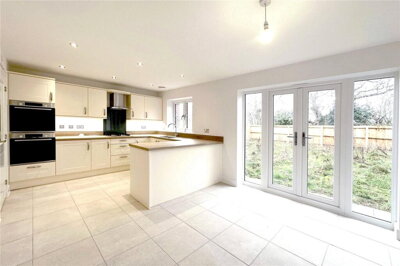
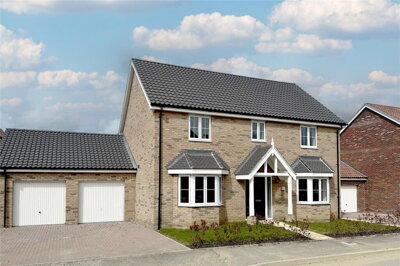
Browse 2 homes new builds in Redgrave, Mid Suffolk from local developer agents.
The larger property sector typically features multiple bathrooms, substantial reception space, and private gardens or off-street parking. Four bedroom houses in Redgrave span detached, semi-detached, and occasionally terraced configurations, with styles ranging from period properties to modern executive homes.
£550k
2
0
33
Source: home.co.uk
Showing 2 results for 4 Bedroom Houses new builds in Redgrave, Mid Suffolk. The median asking price is £550,000.
Source: home.co.uk
Detached
2 listings
Avg £550,000
Source: home.co.uk
Source: home.co.uk
Redgrave's property market offers a broad mix of traditional homes and character properties to suit different buyer needs. Detached houses command the top prices in the area, with average sold values reaching around £515,000, a reflection of the appeal of space and privacy in this rural setting. Semi-detached homes sit at a more accessible level, at about £102,500, and tend to appeal to families and first-time buyers who want character without paying detached-house prices. Much of the housing stock is older, with period farmhouses, traditional cottages and historic buildings that speak to the village's architectural heritage.
Price movement in Redgrave has been sharp over the last twelve months, with average sold values slipping by roughly 28-36% according to major portals. home.co.uk records an average sold price of £398,214, while home.co.uk and homedata.co.uk cite figures around £398,214 and £398,214 respectively. That pull-back brings values closer to the Suffolk county average of £327,131, and it may open the door for buyers who can act while prices are softer than the 2022 peak of £616,429. It is a sizeable correction, yet it still sits within wider regional patterns, even though Suffolk county overall has seen a modest 1% rise in average property prices over the same period.
Homes in Redgrave reflect the village's history, and most were built before 1945 using traditional methods. Thatched roofs, timber-frame structures and solid brick walls are common in the older stock, and plot sizes are often generous because of the rural setting. New-build activity in the immediate IP22 postcode area remains limited, so the market is still dominated by these established period properties. Buyers may come across everything from compact cottages for downsizers to sizeable farmhouses with land attachments, with prices shifting according to condition, where the property sits in the village and any listed building status.
Across the wider East Suffolk district, the market has held up well despite Redgrave's local price correction. Average house prices rose by 1.2% between December 2024 and December 2025. Semi-detached homes increased by 2.5% over the same period, while flats edged down by 1.7%. Those figures suggest the Suffolk market is still active, and Redgrave's current pricing may offer a window for buyers who move quickly.

Redgrave gives a genuine feel for Suffolk village life, with a close community and a pace that stays pleasantly unhurried. At the centre is St. Mary's Church, which acts as a local landmark, while the Cross Keys pub doubles as a social meeting point for meals, events and conversation. The village hall runs activities through the year, helping residents stay connected and reinforcing the strong community spirit that defines this part of Mid Suffolk. Everyday needs can be covered locally too, thanks to essential amenities including a local shop.
The landscape around Redgrave is a major part of its appeal. Nearby Redgrave and Lopham Fen is one of the region's most important wetland nature reserves, so residents have walking, wildlife watching and outdoor pursuits close at hand. The fenland habitat supports a wide range of wildlife, including rare birds, insects and plants, which makes the area especially attractive to nature lovers and conservation-minded buyers. Walking and cycling routes through farmland and woodland also link Redgrave with neighbouring villages, so there is plenty to explore.
Just beyond the village, the market towns of Diss, Eye and Bury St Edmunds add shopping, restaurants, cafes, supermarkets and cultural attractions to the mix. Diss is especially handy, with its weekly market, independent shops and supermarkets for the weekly food shop. Via Diss, London Liverpool Street is reachable too, so commuters can live in rural Suffolk and still work in the capital. The journey takes around one hour and forty minutes, which keeps regular commuting within reach for those with flexible working patterns.

For families thinking about Redgrave, there are school options in the surrounding villages and nearby towns across both primary and secondary phases. Primary education is served by schools in the wider Mid Suffolk area, and several local primaries support the nearby communities. Because the village is small, schools are usually only a short drive or bus ride away, which lets children stay local without Redgrave losing its peaceful feel. It is sensible to check catchment areas and admission policies before buying, as these can affect school allocations.
St. Mary's Primary School in Botesdale is the local option for families from Redgrave and the surrounding villages, offering early years and key stage one provision close by. If faith-based education is important, Bury St Edmunds has Roman Catholic primary schools, while the Diss area includes community primaries with strong reputations. For older pupils, secondary schools in Diss and Bury St Edmunds provide a range of academic and vocational routes. Most families will need transport plans for that stage, whether that is school buses, car sharing or, for older students, cycling in the right seasons.
Bury St Edmunds also offers several secondary schools and sixth form facilities, so families prepared to travel a little further have broader choices. Among them are Stowmarket High School and Thurston Community College, both of which provide varied curriculum options and strong extracurricular programmes. Selective schooling may also be available in and around Bury St Edmunds, depending on the current admission arrangements. The nearest grammar schools are in Bury St Edmunds itself, with entry decided by the eleven-plus examination taken during primary school years. We recommend checking current school performance data, Ofsted ratings and transport arrangements alongside property choices in the Redgrave area.

Redgrave's transport links combine rural calm with practical access to bigger towns and cities for work and leisure. Diss is the nearest railway station, about 8 miles away, and it offers regular services to London Liverpool Street in around one hour and forty minutes. That makes the village a workable choice for commuters who need capital access but prefer Suffolk village life. There are also links to Norwich and Cambridge, which opens up further employment and leisure options across the region.
Diss railway station is an important link for Redgrave residents, and there is parking for those who drive in. Direct trains from Diss go to Cambridge, where passengers can change for Peterborough and the north, while Norwich provides connections towards the east coast. Booking in advance often brings cheaper advance tickets for London services, which helps keep regular commuting more affordable for planners. The station has improved in recent years too, with better facilities and more frequent services making it a practical commuting choice.
Road access from Redgrave comes mainly through the A1066 and the network of country lanes that connect the village with the wider road system. The A143 runs through nearby towns and gives routes to Bury St Edmunds, Norwich and the motorway network beyond. For everyday commuting or shopping, Diss has extra bus services to nearby towns, while Bury St Edmunds offers a fuller range of public transport, including coach services. Drivers should remember that the local lanes call for confidence, especially in poor weather when flooding can sometimes affect minor roads. Parking in the village is usually unrestricted, which is a welcome change from urban living.

Begin your search by looking at current listings in Redgrave and the surrounding IP22 postcode area. Our platform keeps details of available properties, recent sold prices and market trends up to date. With cottages, period farmhouses and modern family homes all in the mix, it pays to think about character, maintenance and longer-term value before narrowing the search.
Before you book viewings, get a mortgage agreement in principle from a lender or broker. That early pre-qualification strengthens your position when making an offer and shows the seller that you are serious and financially ready. With average prices in Redgrave sitting around £398,214, most buyers will need mortgage finance, so this is a key step in keeping the transaction moving.
Once you start viewing, take time to look properly at the properties that match your needs. Traditional features, thatch roofing, timber-frame construction and the period details that define much of the local housing stock all deserve close attention. Watch for damp, roof problems or outdated electrics that may need work. We suggest viewing several homes so you can compare condition and value before deciding.
Because older houses are so common in Redgrave, we strongly recommend a RICS Level 2 Survey (Homebuyer Report) before you proceed. It looks at the property's condition, identifies defects and gives professional guidance on repairs and maintenance. For period homes, and especially any listed buildings in the area, that report can be particularly useful.
Use a conveyancing solicitor with experience of rural Suffolk properties to handle the legal side of the purchase. They will carry out searches, review the contracts and manage the transfer of ownership. Bring them in early so the process keeps moving, particularly if the property is leasehold, listed or inside a conservation area.
Once the surveys are satisfactory and the legal searches are clear, your solicitor will arrange exchange of contracts and agree a completion date. On completion day, the balance is transferred and the keys to your new Redgrave home are handed over. Leave room in the timetable for moving logistics, as rural locations can mean extra planning for deliveries and services.
Buying in Redgrave means thinking carefully about the village's distinctive housing stock and what that means in practice. Its heritage, seen in period farmhouses, thatched cottages and St. Mary's Church, means some properties may fall under listing protections or sit within conservation area considerations. Listed buildings need listed building consent for alterations and may call for specialist maintenance approaches, so it is important to understand the restrictions before committing. Our inspectors can advise on the effects of any listing and help identify homes that offer the character you want without excessive limitations.
The building materials found in Redgrave properties deserve close inspection during the buying process. Thatch roofing is charming, but it needs specialist knowledge and regular maintenance, and re-thatching can be a significant expense when it is due. Timber-frame homes, which are common in the older stock, may show beetle activity, woodworm or timber decay, all of which should be checked by a qualified surveyor. Traditional brick and render finishes are usually solid, yet they can hide damp in older buildings, which is why a thorough survey matters.
Flood risk should be part of your due diligence when buying in Redgrave, given how close the village is to Redgrave and Lopham Fen and the wetland environment that surrounds it. We did not find specific flood risk data for individual properties during research, but the nearby water features mean the issue deserves careful checking. Solicitors usually carry out environmental searches as standard, and it may be wise to look into flood history and drainage patterns for the exact plot. Homes on higher ground in the village may have less risk, but that needs to be verified for each property rather than assumed from the location alone.
The age of Redgrave's housing stock means electrical wiring and plumbing often need proper assessment by qualified professionals. Rewiring a period property can be disruptive and expensive, so knowing the state of the electrics before you buy helps with realistic budgeting for any upgrades. Heating systems in older homes may also run on oil or LPG rather than mains gas, which brings different running costs and storage needs from urban properties. Older properties also tend to have lower energy efficiency ratings, which affects both bills and mortgage lending criteria.

Average sold prices in Redgrave vary by source. home.co.uk records roughly £398,214, home.co.uk cites £398,214, and homedata.co.uk shows £398,214 over recent periods. Detached homes average around £515,000, while semi-detached properties sell for about £102,500. The market has seen a substantial correction over the last year, with prices falling 28-36% from earlier highs. Against the Suffolk county average of £327,131, Redgrave sits broadly in line with regional values, although the village's character properties and rural setting still draw interest. For terraced homes and flats in Redgrave, verified local data was not available at the time of research, so buyers should check current listings for accurate pricing on those property types.
For council tax, Redgrave falls under Mid Suffolk District Council. Properties in the village sit in different bands according to their value and individual characteristics. Band A covers the lowest valuations and usually applies to smaller cottages and flats, while bands E through H are for higher-value homes, especially period farmhouses and larger detached properties. You can confirm the band for any specific home through the Valuation Office Agency website or by asking the seller or their solicitor during the purchase process. Council tax helps fund local services such as bin collection, local roads and community facilities.
Redgrave is a small village with limited schooling of its own, so families generally use primary schools in the surrounding villages and nearby towns. The Diss area and Bury St Edmunds both provide primary and secondary options, and several schools across Mid Suffolk hold good Ofsted ratings. St. Mary's Primary School in nearby Botesdale serves families from Redgrave and the surrounding villages, and it is a convenient early-years choice. For secondary education, Stowmarket and Bury St Edmunds give additional options, including grammar school routes, with Bury St Edmunds offering the nearest selective schools for families who want that path. We advise checking current Ofsted ratings and admission arrangements directly with Suffolk County Council, since these can change each year.
Bus services link Redgrave with nearby market towns, although frequencies are more limited than in urban areas. Diss is the nearest railway station, about 8 miles away, and it offers direct trains to London Liverpool Street in around one hour and forty minutes. That makes the village practical for commuters who work from home for several days a week or have flexible hours. Bury St Edmunds provides extra rail connections and a wider spread of bus routes for those prepared to travel a bit further for public transport. For day-to-day commuting, the rail link from Diss is the most useful option, so Redgrave suits people with private vehicles or those who mainly work from home.
For buyers looking for a quiet village lifestyle with access to Suffolk countryside and community facilities, Redgrave has real potential. The recent price correction, from the 2022 peak of £616,429 to current levels around £398,214, has brought entry prices nearer to county averages and may create opportunities for long-term buyers. Rental demand in the wider IP22 postcode area tends to come from people seeking rural settings, including professionals, retirees and families who put lifestyle ahead of commute convenience. That said, the niche market may not suit investors chasing high rental yields, because tenant demand in villages is usually lower than in towns. Traditional and period homes continue to appeal, although the upkeep costs of older buildings should be built into any investment plan.
Stamp duty land tax will apply to your Redgrave purchase depending on the price and your buyer status. For standard buyers purchasing at the current average price of about £398,214, 0% is charged on the first £250,000 and 5% on the remaining £148,214, which comes to roughly £7,410.70 in total SDLT. First-time buyers purchasing homes up to £625,000 benefit from higher thresholds, paying 0% on the first £425,000 and 5% on amounts between £425,000 and £625,000, although no relief applies above £625,000. Homes priced above £925,000 attract higher rates, and a further 3% surcharge applies to second homes regardless of value. We recommend using the HMRC stamp duty calculator or speaking with a conveyancing solicitor to confirm the exact liability for your circumstances.
Redgrave includes heritage properties that reflect its historic character as a traditional Suffolk village. St. Mary's Church is a notable village landmark, while nearby Botesdale has an established conservation area with Grade II listed properties. Homes in Redgrave may also have listed building status, which protects historic features and requires special consent for alterations or extensions. Listed buildings often carry premium prices because of their character and rarity, though they also bring extra responsibilities for maintenance and renovation. We recommend asking the seller for details of any listing status and making sure the relevant searches are included in your conveyancing before you complete the purchase.
Mortgage availability in Redgrave follows standard lending criteria, although older homes can need extra attention during the valuation stage. Lenders normally want properties to meet minimum energy efficiency standards, and very old homes with thatch roofing or non-standard construction may attract closer scrutiny. Our recommended mortgage brokers understand rural property markets and can point you towards lenders with experience of period homes in Suffolk. Given the recent price correction in Redgrave, lenders will base loan-to-value calculations on current survey valuations rather than historic sale prices.
🏠
From 3.5% mortgage rates available through our network
From £499
Expert solicitors handling your Redgrave purchase
From £350
Detailed survey for Redgrave properties
From £60
Energy performance certificate
It helps to understand the full cost of buying property in Redgrave so you can budget properly and avoid surprises during the transaction. Stamp duty land tax is the biggest extra cost after the purchase price itself. At the current average price of around £398,214, a standard buyer would pay nothing on the first £250,000, then 5% on the amount between £250,000 and £398,214, which works out at £7,410.70 in total SDLT. First-time buyers purchasing homes up to £625,000 benefit from higher thresholds, paying 0% on the first £425,000 and 5% on amounts between £425,000 and £625,000, although there is no relief above £625,000.
There are other costs to factor in too. Solicitor conveyancing fees typically range from £499 to £1,500, depending on the complexity of the case and whether the property is freehold or leasehold. Local search fees, drainage and water searches, and environmental searches usually add several hundred pounds to the legal bill. A RICS Level 2 Survey starts from £350 and is money well spent, especially for older Redgrave homes where thatch, timber-frame or traditional construction may hide defects. If you need a mortgage, arrangement fees of £1,000 or more may apply, and you should also allow for valuation fees charged by the lender.
Moving costs will vary with the distance involved and the amount of furniture and belongings, while buildings insurance needs to be in place from exchange of contracts. Setting up utilities at the new property, including electricity, gas, water, broadband and council tax, brings administrative costs that soon add up. For listed homes or properties in conservation areas, specialist surveys may also be sensible, and you should check whether planning permission or listed building consent is needed for any planned alterations. Ongoing maintenance matters especially in Redgrave, where traditional buildings and older materials may need more frequent attention than modern homes.

Properties New Builds In London

Properties New Builds In Plymouth

Properties New Builds In Liverpool

Properties New Builds In Glasgow

Properties New Builds In Sheffield

Properties New Builds In Edinburgh

Properties New Builds In Coventry

Properties New Builds In Bradford

Properties New Builds In Manchester

Properties New Builds In Birmingham

Properties New Builds In Bristol

Properties New Builds In Oxford

Properties New Builds In Leicester

Properties New Builds In Newcastle

Properties New Builds In Leeds

Properties New Builds In Southampton

Properties New Builds In Cardiff

Properties New Builds In Nottingham

Properties New Builds In Norwich

Properties New Builds In Brighton

Properties New Builds In Derby

Properties New Builds In Portsmouth

Properties New Builds In Northampton

Properties New Builds In Milton Keynes

Properties New Builds In Bournemouth

Properties New Builds In Bolton

Properties New Builds In Swansea

Properties New Builds In Swindon

Properties New Builds In Peterborough

Properties New Builds In Wolverhampton

Enter your details to see if this property is within your budget.
Loans, cards, car finance
Estimated property budget
Borrowing + deposit
You could borrow between
Typical borrowing
Monthly repayment
Est. at 4.5%
Loan-to-value
This is an estimate only. Your actual budget may vary depending on interest rates, credit history, and personal circumstances. For an accurate affordability assessment, speak to one of our free mortgage advisors.
This calculator provides estimates for illustrative purposes only and does not constitute financial advice. Your home may be repossessed if you do not keep up repayments on your mortgage. Estimates based on 4.5% interest rate, repayment mortgage. Actual rates depend on your circumstances.
Homemove is a trading name of HM Haus Group Ltd (Company No. 13873779, registered in England & Wales). Homemove Mortgages Ltd (Company No. 15947693) is an Appointed Representative of TMG Direct Limited, trading as TMG Mortgage Network, which is authorised and regulated by the Financial Conduct Authority (FRN 786245). Homemove Mortgages Ltd is entered on the FCA Register as an Appointed Representative (FRN 1022429). You can check registrations at NewRegister or by calling 0800 111 6768.

We use cookies to show you personalised content and improve your experience of our website. Find out more in our Privacy policy and Cookie policy.