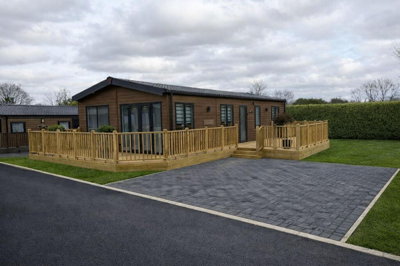
Browse 1 home new builds in Polstead, Babergh from local developer agents.
The Polstead property market offers detached, semi-detached, and terraced houses spanning various price ranges and neighbourhoods. Each listing includes detailed property information, photographs, and direct contact with the marketing agent.
£750k
9
1
113
Source: home.co.uk
Showing 9 results for Houses new builds in Polstead, Babergh. 1 new listing added this week. The median asking price is £750,000.
Source: home.co.uk
Detached
8 listings
Avg £1.46M
Semi-Detached
1 listings
Avg £525,000
Source: home.co.uk
Source: home.co.uk
Polstead’s property market mirrors the village itself, a small and carefully shaped mix of homes for buyers drawn to rural living and a strong sense of history. Much of the older stock is classic Suffolk, with timber-framed builds and rendered exteriors showing up time and again. The village sits in the CO6 postcode area, and recent deals point to healthy demand. 3 Bower House Cottages, Bower House Tye, sold for £410,000 in late 2024, while a substantial four-bedroom detached bungalow on Stackwood Road was listed at £592,500, which gives a clear sense of the spread buyers can expect here.
Polstead does not have any active developments within the village itself, unlike larger towns where new-build sites come and go. That absence helps protect the village character and keeps the supply of newer homes tight. Nearby Nayland has a small scheme called Nags Corner, with three to four-bedroom homes from approximately £555,000, but the wider picture around Polstead remains one of limited choice and little churn.
The older housing stock in Polstead tells the story of centuries of change. You will find medieval timber-framed homes with thatched or plaintile roofs, alongside Victorian properties built in local red brick with blue brick detailing. A handful of later additions have used less traditional materials, such as uPVC windows and concrete roof tiles. For anyone looking at homes for sale in Polstead, those differences matter, since each era brings its own upkeep, quirks and possible defects.

Life here moves at a slower pace than in most of modern Britain, and the figures show just how long Polstead has been settled. The village has grown from the 52 households recorded in the Domesday Book of 1086 to around 342 households today. At the centre is a traditional green, with St. Marys Church as the historic focal point, dating back to the 12th century even though much of the present building is 14th century. The church contains some of the earliest surviving English bricks, possibly from around 1160. Polstead Hall, a Grade II* listed building remodelled in the late 18th and early 19th centuries, and Polstead Mill, now residential, add to the village’s architectural depth.
Agriculture has long shaped Polstead, and the area was once known for its black cherries growing well in the local boulder clay soils. That heritage still lingers, even as more residents now commute to nearby towns for work. Geologically, the area rests on boulder clays over glacial sands and gravels of the Crag deposits, with London Clay below and chalk beneath the wider region. The River Box cuts through the valley, bringing both scenic value and wildlife habitat, while the valley bottoms contain gravel, sand and silt deposits. It is a fine landscape for walking and for anyone who likes the countryside on the doorstep.
Community life in Polstead is anchored by the village green and by the familiar ties that come with a smaller rural place. Local events often gather there, and it doubles as open space for everyday recreation. The surrounding lanes and fields give residents plenty of footpaths and bridleways for walking and cycling. Properties for sale in Polstead often come with generous gardens too, which is part of the appeal. Colchester is roughly 10 miles away, so broader amenities are within reach, but the return journey still feels like coming home to somewhere quiet.

For families, education is available within a reasonable distance, although Polstead’s size means primary schooling is usually sought in neighbouring communities. The village has Victorian school buildings, built in local red brick with blue brick detailing, and topped with slate roofs, which says a fair bit about the community’s long-standing investment in education. For secondary schools, children generally travel to nearby towns. Catchment areas and admissions sit with Babergh District Council and Suffolk County Council.
Across the wider Suffolk area, there are grammar school options in towns such as Colchester, which is accessible via the A12. Colchester Royal Grammar School and Colchester County High School for Girls are among the choices for academically selective pupils, although entry depends on passing the 11-plus entrance exam and meeting catchment rules. Parents should check current school performance data and admissions arrangements directly with schools and the local education authority, because boundaries change and places vary by year. For families weighing up Polstead, school data and the local property market need to be read together.
The village’s small scale also suits home education and the informal learning networks that some families value. Polstead village hall and other community spaces host activities and groups that support both social development and learning in a rural setting. For families looking at homes for sale in Polstead, those networks can sit alongside formal schooling, particularly for younger children who benefit from structured activities and a familiar environment.

Polstead sits in a part of Suffolk that manages to feel remote without being cut off. It is approximately two miles south of the A1071 and five miles from the A12, the main route through Suffolk linking Colchester to Ipswich and beyond. That gives commuters sensible road access while keeping through-traffic away from the village itself. Colchester and Manningtree are the nearest railway stations, both with services to London Liverpool Street, and journey times to the capital are typically around 50 minutes to one hour depending on the train.
Local work is available too, particularly in agriculture, small businesses and the service sector across the surrounding area. Sudbury and Colchester broaden the picture with more retail, professional and public sector jobs. Sudbury is about 12 miles to the north-east and has employers in the public sector, retail and light manufacturing, while Colchester offers a larger commercial centre and a hospital. For London commuters, the hour-long trip from Colchester to Liverpool Street is workable with planning, and flexible working has made that easier in many jobs.
Bus links do run from Polstead to larger centres, although the rural setting means the timetable is not especially generous. The 513 service offers a connection to Colchester via the A12, but anyone looking at properties for sale in Polstead should check the current times before relying on it. Cyclists often appreciate the quiet lanes for shorter journeys and leisure rides, and the absence of major roads through the village makes walking and cycling feel safer. For most residents, a car is not a luxury here, it is part of normal daily life.

Buying in Polstead means thinking carefully about the village’s age, materials and setting. Timber-framed homes are common in the older stock, so buyers need to look closely at timber condition and watch for rot, woodworm or structural movement in rendered buildings. Roofs finished in thatch or plaintile need specialist assessment and can carry higher maintenance costs than standard tiled roofs. With homes ranging from medieval structures to Victorian buildings, a full survey is a sensible step before committing to purchase.
The geology matters too. Polstead sits on boulder clays and London Clay, both of which can create shrink-swell movement and, in some homes, subsidence, especially where older foundations are shallow. Down in the River Box valley, gravel, sand and silt deposits can affect foundations differently from the plateau above. Properties in the Conservation Area, and any listed buildings, come with extra layers of consent and control from Babergh District Council, so buyers need to be clear on what future changes will and will not be allowed.
Flood risk in the River Box valley should not be brushed aside, especially for homes in lower-lying spots close to the river. Heavy rainfall can put pressure on the valley’s natural drainage patterns, and where sands and gravels sit above less permeable clay, surface water can collect. A RICS Level 2 Survey is strongly recommended for any purchase in Polstead, while more complex historic or non-standard homes may justify a full RICS Level 3 Building Survey. Those reports can pick up issues that are easy to miss on a viewing and give buyers room to negotiate or ask for repairs before completion.

Knowing how Polstead homes were built helps make sense of both their charm and their upkeep. The village’s oldest buildings, from the medieval period, usually have traditional timber frames, either visible or concealed behind rendered walls. Their roofs are often steeply pitched and finished in thatch or handmade plaintiles, both of which call for specialist care. The earliest frames are generally oak, and once moisture gets into the building envelope, rot and woodworm can become a concern, so a proper inspection of the timbers is essential.
St. Marys Church shows the flint construction that is so familiar in medieval ecclesiastical buildings, with flint walls, stone dressings, a lead roof and rare early English brickwork dating from around 1160. The materials reflect what was available locally, with flint gathered from fields and clay for brick-making found in the surrounding soils. Polstead Hall, meanwhile, shows how Georgian remodelling brought in white brick construction that has since been rendered. Polstead Mill is different again, combining red brick with black weatherboarding and a mansard roof in plaintiles. The variety is striking, and it means maintenance needs can vary sharply from one property to the next.
Victorian additions to the village, including former school buildings, use local red brick with blue brick detailing and slate roofs, all chosen for durability and for the way they sit within the existing streetscape. More recent buildings have sometimes used uPVC windows, concrete roof tiles and stained timber, which do not always sit comfortably within the Conservation Area and can face limits on later alterations. Buyers need to think about both appearance and performance. Older materials often last well if they are looked after, but repairs usually call for specialist tradespeople.

Budgeting for a purchase in Polstead means taking Stamp Duty Land Tax (SDLT) seriously. In England, the current SDLT thresholds for the 2024-25 tax year charge zero percent on the first £250,000 of residential property purchase price, five percent on the portion between £250,001 and £925,000, ten percent between £925,001 and £1.5 million, and twelve percent on any amount above £1.5 million. With recent sales in the area ranging from £410,000 to £495,000, most buyers in Polstead would pay SDLT at the five percent rate on the amount above £250,000.
First-time buyers get a better deal. They pay zero percent on the first £425,000 and five percent between £425,001 and £625,000, with no relief above £625,000. That can make a real difference for those trying to buy their first home in Polstead. With typical asking prices for homes for sale in Polstead sitting between £400,000 and £500,000, a first-time buyer at the lower end of that range could pay much less SDLT than someone moving from another property.
There are other costs to factor in as well. Solicitor fees usually sit somewhere between £500 to £2,000 depending on complexity, and mortgage arrangement fees, survey costs and moving expenses all add up. RICS Level 2 surveys average £445 nationally, though that varies with property value. On a property priced at £450,000, a home-mover buyer could expect to pay about £10,000 in SDLT, plus roughly £2,000 to £3,000 in legal and survey costs, so the total comes in around £12,000 to £13,000 above the purchase price. Listed buildings and Conservation Area properties may bring extra costs for specialist advice.
Before arranging viewings, it pays to spend time in Polstead at different hours and on different days. That gives a better feel for the village character, the noise levels and the general atmosphere. Check planning applications with Babergh District Council and look at the Conservation Area boundaries to see how they might affect future plans. It is also sensible to drive the surrounding roads at commute times so journey lengths to work and school are not a surprise later.
A mortgage broker or lender should be contacted for an Agreement in Principle before any serious viewing begins. It shows sellers and estate agents that the finances are in order, and it also gives a clearer picture of the real budget. With properties in Polstead typically ranging from £400,000 to £500,000, the mortgage set-up needs to match the realities of the rural Suffolk market.
Local estate agents who know Polstead well can make the viewing process much more efficient. They will usually point buyers towards suitable homes and help arrange appointments. Once inside, look carefully at the timber frames, render, roofs and any signs of damp or structural movement. Ask about the property’s history, previous renovations and any known issues, and ask to see earlier survey reports or planning permissions if they exist.
Once a property is shortlisted, a RICS Level 2 Survey, also known as a HomeBuyer Report, is the next sensible step. Polstead has a mix of historic timber-framed, rendered and listed buildings, so a proper survey is vital before exchange. Older or non-standard properties may justify a RICS Level 3 Building Survey, which goes further and gives a more detailed view of structural issues and likely repairs.
A conveyancing solicitor with experience of rural homes and listed buildings should handle the legal side of the purchase. They will carry out searches with Babergh District Council, check for planning restrictions and make sure the contract protects the buyer’s position. Rural searches can also include agricultural and environmental considerations that do not usually arise in an urban transaction.
Once the surveys, searches and negotiations are finished, the solicitor will arrange contract signing and the deposit. On completion day, the balance is transferred and the keys to the new home in Polstead are handed over. Buildings insurance needs to be in place from exchange of contracts, especially for older homes where maintenance issues could lead to damage claims.
Recent sales data for Polstead shows properties selling between £410,000 and £495,000, with a four-bedroom detached bungalow recently listed at £495,000 and a cottage-type property at 3 Bower House Cottages selling for £410,000 in late 2024. The village is in the CO6 postcode area, and prices reflect the premium attached to rural Suffolk property with historic character and countryside views. Supply is limited because there are no new-build developments within the village, which helps support values for period homes in the Conservation Area. Larger gardens, outbuildings or annexe potential can push prices towards the top of the range.
Polstead falls under Babergh District Council, and council tax bands are based on property values as they stood on 1 April 1991. The band for any individual home should be checked through the Babergh District Council website or with a solicitor during conveyancing. The mix of period cottages and larger detached homes means the bands run across the full range, with many traditional properties likely sitting in bands B through E. Band D is often the middle point for mixed rural stock, though listed buildings and larger homes may sit higher.
Because Polstead is so small, primary schooling is usually found in neighbouring communities, and the former Victorian school buildings in the village now serve different uses. The nearest primary schools are in surrounding villages, and parents should check current catchment areas because eligibility can change. Secondary choices include schools in Colchester and other nearby towns, with grammar schools available in Colchester for academically selective pupils. Current Ofsted ratings and Suffolk County Council admission policies should be checked before making decisions, as both performance and catchments shift over time.
Public transport in Polstead is limited, which is no great surprise given its rural setting. The village lies about five miles from the A12 and has no main road running through it. Colchester and Manningtree are the nearest railway stations, both with services to London Liverpool Street and journey times of around 50 minutes to one hour. Bus services do connect Polstead to nearby towns, but they are likely to be infrequent by comparison with urban areas. For most residents, a car is effectively part of daily life, so anyone looking at homes for sale in Polstead needs to factor in reliable personal transport.
Polstead has a number of features that can interest property investors. Conservation Area status restricts development and keeps new supply limited, the historic character attracts buyers looking for a rural lifestyle, and Colchester is close enough for commuters. Properties here are often period homes with land and gardens, and those can appreciate over time if they are kept in good order. The rental market is limited, though, and the specialist nature of period renovations means returns may be slower than in more urban areas. Homes with space for homeworking or multi-generational living may be the most resilient.
For a typical Polstead home priced around £450,000, a home-mover buyer would pay SDLT at five percent on the amount above £250,000, which comes to about £10,000 in stamp duty. First-time buyers would pay nothing on the first £425,000, then five percent on the amount between £425,001 and £450,000, leaving an SDLT bill of around £1,250. On top of that come solicitor fees, survey costs and moving expenses, which usually total £2,000 to £3,000. Extra fees can arise for listed buildings or properties in the Conservation Area if specialist surveys or planning advice are needed.
Polstead sits in the River Box valley, so lower-lying homes near the watercourse carry some flood risk, especially after heavy rainfall or snowmelt. The valley bottoms hold gravel, sand and silt deposits, and surface water flooding can happen in those areas. Boulder clay affects drainage because clay soils absorb water poorly and can increase run-off when rain is heavy. Buyers should check the Environment Agency flood risk maps for individual properties and think about the long-term effects of climate change on flood risk. Homes on higher ground within the village may be less exposed.
There is a notable concentration of listed buildings in Polstead, with around forty entries in Suffolks County Historic Environment Record. St. Marys Church is Grade I listed and dates from the 12th century, Polstead Hall is Grade II*, and there are numerous Grade II listed buildings including Polstead Mill, Polstead Ponds Farmhouse and its dovecote, as well as many timber-framed houses and cottages. The whole village centre sits within a designated Conservation Area, so any external alteration to properties there needs consent from Babergh District Council. Listed homes may bring extra restrictions on renovation and maintenance compared with unlisted buildings.
When viewing homes for sale in Polstead, look closely at the timber-framed parts that are common in older properties, and check for rot, woodworm activity or movement in walls and floors. Render needs careful attention too, because it often hides timber frames and can mask defects if it has not been maintained properly. Roof coverings deserve a close look, especially thatch or plaintile, both of which need specialist knowledge. Larger gardens should also be checked for boundary condition, drainage and any trees close to the house that could affect foundations on clay geology. Asking sellers about past repairs and earlier surveys can help bring recurring problems to light.
Properties New Builds In London

Properties New Builds In Plymouth

Properties New Builds In Liverpool

Properties New Builds In Glasgow

Properties New Builds In Sheffield

Properties New Builds In Edinburgh

Properties New Builds In Coventry

Properties New Builds In Bradford

Properties New Builds In Manchester

Properties New Builds In Birmingham

Properties New Builds In Bristol

Properties New Builds In Oxford

Properties New Builds In Leicester

Properties New Builds In Newcastle

Properties New Builds In Leeds

Properties New Builds In Southampton

Properties New Builds In Cardiff

Properties New Builds In Nottingham

Properties New Builds In Norwich

Properties New Builds In Brighton

Properties New Builds In Derby

Properties New Builds In Portsmouth

Properties New Builds In Northampton

Properties New Builds In Milton Keynes

Properties New Builds In Bournemouth

Properties New Builds In Bolton

Properties New Builds In Swansea

Properties New Builds In Swindon

Properties New Builds In Peterborough

Properties New Builds In Wolverhampton

Enter your details to see if this property is within your budget.
Loans, cards, car finance
Estimated property budget
Borrowing + deposit
You could borrow between
Typical borrowing
Monthly repayment
Est. at 4.5%
Loan-to-value
This is an estimate only. Your actual budget may vary depending on interest rates, credit history, and personal circumstances. For an accurate affordability assessment, speak to one of our free mortgage advisors.
This calculator provides estimates for illustrative purposes only and does not constitute financial advice. Your home may be repossessed if you do not keep up repayments on your mortgage. Estimates based on 4.5% interest rate, repayment mortgage. Actual rates depend on your circumstances.
Homemove is a trading name of HM Haus Group Ltd (Company No. 13873779, registered in England & Wales). Homemove Mortgages Ltd (Company No. 15947693) is an Appointed Representative of TMG Direct Limited, trading as TMG Mortgage Network, which is authorised and regulated by the Financial Conduct Authority (FRN 786245). Homemove Mortgages Ltd is entered on the FCA Register as an Appointed Representative (FRN 1022429). You can check registrations at NewRegister or by calling 0800 111 6768.

We use cookies to show you personalised content and improve your experience of our website. Find out more in our Privacy policy and Cookie policy.