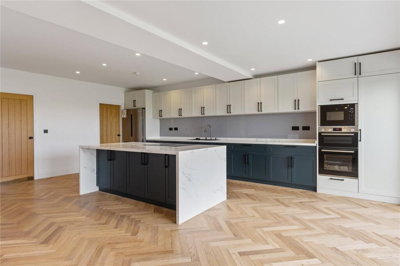
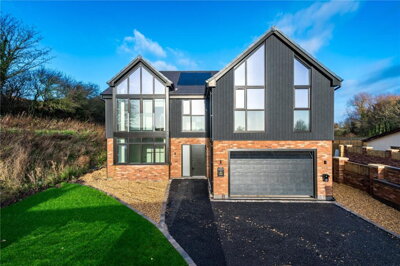
Browse 2 homes new builds in Pilling, Wyre from local developer agents.
The Pilling property market offers detached, semi-detached, and terraced houses spanning various price ranges and neighbourhoods. Each listing includes detailed property information, photographs, and direct contact with the marketing agent.
£253k
8
2
204
Source: home.co.uk
Showing 8 results for Houses new builds in Pilling, Wyre. 2 new listings added this week. The median asking price is £252,500.
Source: home.co.uk
Semi-Detached
4 listings
Avg £217,500
Detached
3 listings
Avg £666,667
Terraced
1 listings
Avg £220,000
Source: home.co.uk
Source: home.co.uk
Pilling's market has remained steady, with home.co.uk recording an average house price of £326,119 over the past year. homedata.co.uk puts the average sold price at £303,713, while home.co.uk shows properties achieving approximately £327,000 on average as of early 2026. That consistency across the main portals gives buyers and sellers a clearer view of the local market. Prices have risen 5% over the previous twelve months, and values now sit 7% above the 2022 peak of £303,955, which points to continuing demand in this rural village. home.co.uk also shows a sharper 25.9% rise over the last twelve months for sold prices, a sign of firmer conditions for anyone looking at homes for sale in Pilling.
Detached houses carry the top prices in Pilling, at an average of £375,244 according to home.co.uk listings data. Semi-detached homes average around £295,088, while terraced properties sit nearer £253,750 and give buyers a lower entry point. There are no recorded flat sales in the recent period, which underlines how house-led the stock is here. Over the last twelve months, 7 detached properties, 6 semi-detached homes, and 1 terraced property changed hands, a steady level for a village with a close residential feel. The lack of flats in the recent figures reflects the rural character of the area, where traditional family houses are far more common than apartment living.
Modern homes are thin on the ground in Pilling itself, so buyers wanting newer specifications often look to Garstang or Lancaster. Glenfield Leisure Park in Pilling offers leisure lodge options, though these sit firmly in the holiday lodge category rather than permanent residential housing. For those focused on new construction, the wider PR3 postcode area around Pilling may offer more choice. Even so, the village keeps its appeal through an established stock that includes attractive homes dating back to the mid-nineteenth century.

Rural Lancashire runs through daily life in Pilling, where neighbours know one another and the pace leaves room to notice the landscape. The village sits within the Wyre local authority area and forms part of the Garstang ward, so it has strong links with nearby communities while keeping a distinct identity of its own. Agriculture still shapes the local economy, with farming an important part of the surrounding countryside. A village shop, traditional pubs, and other small services cover the essentials, while the fields and hedgerows beyond them give the area its familiar farming backdrop.
Morecambe Bay shapes much of what residents see and do, from coastal walks to quieter stretches of farmland beside the estuary. Birdwatchers and nature lovers are drawn to the wildlife that gathers around those habitats. Community life is anchored by a primary school, a local church, and a village hall, all of which host events through the year. One home listed in the area was originally built in 1855, which shows how deep the village's residential history runs. For people who enjoy outdoor pursuits and watching wildlife, the estuary views are a real draw.
From Pilling, Lancaster is about 8 miles away, and Garstang is close enough for the day-to-day trips that matter. That makes the village an appealing compromise, countryside peace with reasonable access to bigger towns for shopping, healthcare, and entertainment. Community ties are kept lively by events at the village hall and by activities run through local churches and community groups. Buyers weighing up a move here usually need to think through that balance between rural charm and practical reach, especially if commuting forms part of the plan.

At primary level, Pilling St William's Catholic Primary School is the key local option, serving both the village and the wider rural area. It takes children from reception through to Year 6, so families can keep schooling close to home without daily trips to larger towns. The Catholic heritage of the school fits neatly with the values-led atmosphere found in many Lancashire communities. For younger children in particular, having a village school cuts down the morning rush and leaves more time for village life.
For older pupils, the pattern changes, with secondary education usually found in Garstang, Lancaster, or Preston. Families in the more remote parts of the parish can use school transport arrangements, which helps with the longer journeys. Grammar schools across Lancashire, especially in Lancaster and Preston, also draw pupils from villages like Pilling, so school location matters for families planning a move. Catchment areas can have a real effect on both availability and property values in nearby towns, so we suggest checking the current boundaries before any purchase. Travel time matters too, particularly where children take part in extracurricular activities after school.
Lancaster takes care of the next stage, with Lancaster University and several further education colleges offering academic and vocational routes for older students. That puts Pilling in a useful spot for families who want countryside living without cutting off access to quality education across Lancashire. The mix of a local primary school and reachable secondary, further education, and higher education options suits households at different stages. Students heading to university can travel from the family home in Pilling to Lancaster University, which avoids extra accommodation costs during study.

Road links do most of the work here, with the A588 and A6 carrying traffic to surrounding towns and villages. Pilling is about 8 miles from Lancaster, where the West Coast Main Line station gives direct services to London Euston, Edinburgh, Birmingham, and Manchester. Preston is also straightforward to reach by road via the A59, usually in around 30-40 minutes depending on traffic. The M6 is within reasonable driving distance too, which opens up the wider motorway network and keeps major North West employment centres within reach.
Cars are the practical answer for most residents, because public transport in this rural setting is limited beside urban areas. Bus services run along routes linking Pilling with Garstang and Lancaster, but they are occasional rather than frequent. Manchester Airport and Liverpool John Lennon Airport are both reachable in roughly 90 minutes by car, which gives access to domestic and international flights. Cyclists tend to enjoy the quieter lanes around the village, although the flat land eventually gives way to tougher terrain towards the Lancashire hills. Parking is usually adequate for a settlement of this size, though spaces can tighten near the Morecambe Bay beauty spots in peak summer months.
That road network gives residents a fair run at essential services and work, even if rural road conditions mean journey planning needs a bit of thought. Professionals based in Preston, Lancaster, or further afield can make the village work, especially if they split time between home and the office. From Lancaster, the West Coast Main Line links to London, Manchester, and Birmingham, so Pilling can suit people who commute less often or work remotely on some days. Buyers need a realistic picture of the limitations too, particularly the reliance on private vehicle ownership in a rural place like this.

Begin with current listings on Homemove to see the property types, prices, and availability in Pilling and the surrounding Wyre villages. It also helps to speak with local estate agents who know the village market well and may hear about homes before they reach the bigger portals. Our platform gathers listings from multiple sources, giving you a fuller view of homes for sale in Pilling. A bit of research before booking viewings keeps time focused on the properties that actually fit the brief.
A mortgage agreement in principle comes first, before any viewings are turned into serious offers. It strengthens a buyer's position and shows sellers that finance is already in place. Our mortgage comparison tool can help match rates to different financial circumstances. With the paperwork sorted early, it is easier to act fast when the right home appears, which matters in a village market with limited stock. Looking at several lenders also gives a better shot at securing a competitive rate.
Older houses deserve a close look, especially in a village where period features are common. A typical Pilling property may need maintenance in one area or another, so buyers should ask about recent renovations, boiler age, and any known issues. We suggest viewing at different times of day to gauge light levels, road noise, farm activity, and the feel of the neighbourhood. Photos taken during viewings also make it easier to compare properties afterwards and keep track of the details that matter.
Once the offer is accepted, a RICS Level 2 Survey is the next sensible step, as it checks the property condition in proper detail. That matters especially for period homes in Pilling, where damp, roof condition, and solid wall insulation can all come into play. Our survey booking service links buyers with qualified local surveyors who know the construction methods commonly used in Lancashire properties. A proper survey can flag defects that may need work before or after purchase, and it can also help if there is room to renegotiate. For homes built before 1980, it should look closely at original features, electrical systems, and plumbing.
A solicitor handles the legal side of the purchase, from searches and contracts to title checks and ownership records. Conveyancing costs in the Pilling area usually start from competitive rates, and our service helps buyers compare quotes from experienced property solicitors. The solicitor will carry out local authority searches with Wyre Council, which may bring up planning applications, conservation areas, and other points that affect the property. Because Pilling sits close to the coast, we suggest asking for a flood risk search as part of the conveyancing process so any flood zone designations are picked up early.
On completion day, the seller's legal team and our solicitor finish the final steps and set the handover in motion. The remaining funds move across, and the keys to the new Pilling home are released. Buildings insurance needs to be live from that date, and utility providers should be contacted so supplies are ready to go. A final walkthrough before completion can be useful for checking that the condition still matches expectations and that any agreed repairs have been carried out. Our team can talk buyers through those last stages and help the move into Pilling go smoothly.
Flood risk deserves close attention in Pilling, given the village's low-lying position near Morecambe Bay. Individual properties would need checking against the relevant Environment Agency flood zone maps, but coastal flooding from the bay, fluvial flooding from local watercourses, and surface water build-up after heavy rain are all real possibilities in this parish. A surveyor with local experience can pick up and assess flood-related concerns before purchase completion. Lower-lying parts of the village may face greater exposure during extreme weather, and insurance costs should be built into the ownership budget from the start.
Age tells a lot here, so buyers should look closely at construction materials and likely maintenance needs. Homes built before 1980 may have solid wall construction rather than modern cavity wall insulation, original single-glazed windows, and older electrical and plumbing systems that may need updating. In this part of Lancashire, common materials include red brick, local gritstone or sandstone in older properties, and rendered finishes on both older and newer builds. The local geology can include Boulder Clay deposits, and that may create shrink-swell conditions that affect foundations over time, although the impact depends on the exact location and needs specialist assessment.
Listed buildings, if they appear within the parish, call for specialist surveys and careful attention to conservation requirements before any work begins. We advise checking with Wyre Council's planning department to see whether any conservation area designations apply to a property under consideration. Detached and semi-detached family homes are the norm here, so service charges, which are common in flat developments, tend not to be a major issue for most buyers. Homes edging farmland may also come with wildlife activity and boundary upkeep, including hedgerows and any shared access tracks, all of which add to the running costs.
Rural neighbours bring rural routines, and that means machinery movements and seasonal agricultural work are part of everyday life in Pilling. Early morning farm traffic, harvest operations, and the odd smell from the fields are normal in an active farming community. Glenfield Leisure Park, with its holiday lodges, can also add seasonal visitor traffic, so buyers should keep that in mind when judging the local feel. Our team can set up a conversation with a local surveyor who understands these issues and can talk through properties across the village.

The numbers tell the story quite clearly. The average house price in Pilling stands at approximately £326,119 according to home.co.uk listings data from the past year, while homedata.co.uk reports £303,713 and home.co.uk indicates around £327,000 for recent sales. Detached properties average £375,244, semi-detached homes around £295,088, and terraced properties approximately £253,750. House prices have risen by 5% year-on-year according to home.co.uk listings data, and home.co.uk also reports a 25.9% rise over twelve months, which points to strong demand in this Wyre village. Values now sit 7% above the 2022 market peak of £303,955, suggesting healthy appreciation potential for homeowners in the area.
Council tax here sits under Wyre Council's jurisdiction, with bands running from A to H depending on property value and type. Band A homes usually carry the lowest annual charge, while Band H properties have the highest, with rates set by the property's assessed value. Prospective buyers should check individual listings or speak to Wyre Council for current council tax charges, since these are reviewed annually and can differ slightly from neighbouring authorities. The council's online tools also let buyers check current and previous council tax bands for any property in the area, which helps with budgeting for ongoing ownership.
Children in the village start at Pilling St William's Catholic Primary School, which teaches reception through to Year 6 within Pilling itself. For secondary school pupils, the usual route is to nearby Garstang, or further to Lancaster Grammar Schools or other options in Preston, with school transport available for eligible pupils. Families also have access to further education and higher education in Lancaster, which is approximately 8 miles away. Catchment area boundaries can change, so parents should check the latest position with Lancashire County Council before making school decisions.
Bus links are sparse compared with town living, with services between Pilling, Garstang, and Lancaster running on occasional routes rather than frequent daily schedules. Lancaster is the nearest railway station, and the West Coast Main Line there reaches major cities including London, Manchester, and Edinburgh, with the trip to the capital taking around two hours. For most day-to-day living, private car ownership is close to essential, though the village's position near the A588 and A59 gives reasonable access to surrounding towns and the M6 motorway network. Cyclists can make good use of the relatively flat local terrain, even if journeys to work in Preston or Lancaster take longer.
Pilling can work as a property investment because of its rural setting, its proximity to Morecambe Bay, and steady local demand from people who want countryside living within reach of major employment centres. House prices have shown consistent growth, with a 5% annual increase according to home.co.uk listings data, and values now sit above previous market peaks. The village attracts families and retirees who value rural Lancashire, while limited new build supply helps support prices. Investors still need to factor in the low-lying coastal position and the possibility that flood resilience standards, plus insurance costs, may be higher than average for coastal homes.
Stamp duty land tax for residential purchases in England starts at 0% on the first £250,000 of property value, then rises to 5% on amounts between £250,001 and £925,000. On a typical Pilling property priced around £326,119, a standard residential buyer would pay approximately £3,806 in stamp duty. Values between £925,001 and £1.5 million attract 10%, and 12% applies to anything above £1.5 million. First-time buyers get relief on the first £425,000, with 5% charged between £425,001 and £625,000, which can leave stamp duty at zero for homes at or below that level.
Pilling's low-lying position beside Morecambe Bay brings a real risk of coastal flooding from the bay itself, fluvial flooding from local watercourses draining the surrounding farmland, and surface water flooding during heavy rain. Homes near the estuary or at lower elevation face greater exposure and may need careful insurance planning, with some insurers applying loading or exclusions in higher-risk flood zones. Before buying, we strongly suggest a detailed flood risk assessment from the Environment Agency and full disclosure of any property's flood history by the seller. A RICS Level 2 Survey can also spot visible signs of previous water damage or damp-related issues common near water bodies, giving buyers another layer of protection.
We could not pin down exact concentrations of listed buildings in Pilling without checking Wyre Council's planning department or the Historic England database, because detailed local records were not readily available in our research. Still, the village's rural character and the presence of homes dating from the mid-nineteenth century suggest that historic properties may exist within the parish, even if the exact number and grade of listings need official verification. Any listed building would be subject to special protections for alterations, extensions, and renovation work, with consent needed from the local planning authority and specialist survey requirements likely to sit alongside standard checks. We advise confirming the listed status of any property of historical interest before moving ahead.
Total buying costs go beyond the advertised sale price and include stamp duty land tax, legal fees, survey costs, and moving expenses. For a typical Pilling property priced around the village average of £326,119, a standard residential buyer would pay stamp duty on the amount above £250,000, which works out at approximately £3,806. First-time buyers with no previous property ownership could benefit from relief on the first £425,000, which may remove stamp duty altogether for homes at or below that level and make Pilling more accessible to people entering the market.
Conveyancing fees often begin at around £499 for straightforward transactions, though they can rise where titles are complex, leasehold elements are involved, or extensive local authority searches are needed. A RICS Level 2 Survey usually costs approximately £350-600 depending on property size and value, and that is useful protection against hidden defects, especially in older Pilling homes that may need maintenance. Search fees, property registration costs, and telegraphic transfer charges from your solicitor add further modest sums to the total, usually amounting to a few hundred pounds for standard items.
Budgeting for Pilling needs to include moving costs, mortgage arrangement fees, and buildings insurance as part of the full picture. Because this is a coastal village, buildings insurance premiums may be higher where flood risk is taken into account, so getting quotes before completion gives a clearer view of the ongoing cost. We suggest comparing quotes from several insurers, since coverage requirements and premiums vary significantly between providers for flood-risk properties. Our partner services link buyers with competitive mortgage rates, experienced conveyancing solicitors, and qualified local surveyors, helping manage the process from the first search through to receiving the keys.

Properties New Builds In London

Properties New Builds In Plymouth

Properties New Builds In Liverpool

Properties New Builds In Glasgow

Properties New Builds In Sheffield

Properties New Builds In Edinburgh

Properties New Builds In Coventry

Properties New Builds In Bradford

Properties New Builds In Manchester

Properties New Builds In Birmingham

Properties New Builds In Bristol

Properties New Builds In Oxford

Properties New Builds In Leicester

Properties New Builds In Newcastle

Properties New Builds In Leeds

Properties New Builds In Southampton

Properties New Builds In Cardiff

Properties New Builds In Nottingham

Properties New Builds In Norwich

Properties New Builds In Brighton

Properties New Builds In Derby

Properties New Builds In Portsmouth

Properties New Builds In Northampton

Properties New Builds In Milton Keynes

Properties New Builds In Bournemouth

Properties New Builds In Bolton

Properties New Builds In Swansea

Properties New Builds In Swindon

Properties New Builds In Peterborough

Properties New Builds In Wolverhampton

Enter your details to see if this property is within your budget.
Loans, cards, car finance
Estimated property budget
Borrowing + deposit
You could borrow between
Typical borrowing
Monthly repayment
Est. at 4.5%
Loan-to-value
This is an estimate only. Your actual budget may vary depending on interest rates, credit history, and personal circumstances. For an accurate affordability assessment, speak to one of our free mortgage advisors.
This calculator provides estimates for illustrative purposes only and does not constitute financial advice. Your home may be repossessed if you do not keep up repayments on your mortgage. Estimates based on 4.5% interest rate, repayment mortgage. Actual rates depend on your circumstances.
Homemove is a trading name of HM Haus Group Ltd (Company No. 13873779, registered in England & Wales). Homemove Mortgages Ltd (Company No. 15947693) is an Appointed Representative of TMG Direct Limited, trading as TMG Mortgage Network, which is authorised and regulated by the Financial Conduct Authority (FRN 786245). Homemove Mortgages Ltd is entered on the FCA Register as an Appointed Representative (FRN 1022429). You can check registrations at NewRegister or by calling 0800 111 6768.

We use cookies to show you personalised content and improve your experience of our website. Find out more in our Privacy policy and Cookie policy.