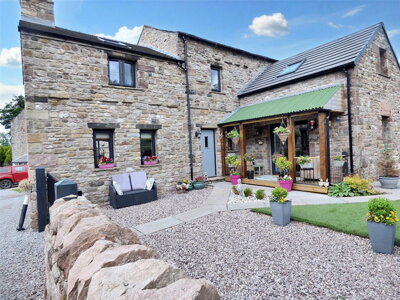
Browse 1 home new builds in Musgrave, Westmorland and Furness from local developer agents.
The Musgrave property market offers detached, semi-detached, and terraced houses spanning various price ranges and neighbourhoods. Each listing includes detailed property information, photographs, and direct contact with the marketing agent.
£0k
0
0
0
Source: home.co.uk
Showing 0 results for Houses new builds in Musgrave, Westmorland and Furness.
Musgrave and the surrounding Eden Valley sit in line with the wider pattern seen across rural Cumbrian villages, where interest from people looking for countryside living has stayed fairly steady in recent years. Most homes here are stone-built, true to traditional Cumbrian building methods, and plenty of them carry the Pennine architecture that gives the area its character. The CA17 postcode area, which includes Musgrave, covers everything from old cottages and Victorian or Edwardian terraces to detached farmhouses and, in the wider district, the odd new-build chance. Our data points to a market where prices shift with size, condition and the exact spot in the parish.
Inside Musgrave civil parish itself, new-build activity is very limited, and there are no active schemes under way in the village at present. Even so, the wider CA17 postcode does sometimes throw up plots with full planning consent, which will appeal to self-builders hoping to create a Cumbrian home in this attractive valley setting. Historic buildings include several Grade II listed properties, with Musgrave House and the former school building, constructed in 1828 and now converted to residential use, standing out in the village story. The Scheduled Monument known as the Great Musgrave Shrunken Medieval Village gives certain parts of the parish an extra layer of historic interest, and it can shape what is possible on some parcels of land.
There are three Grade II listed buildings in the village, among them Musgrave House, with its stone quoins and slate roof, and the former school building, which has been carefully turned into a home. Across the Eden Valley, homes are usually built in the same practical style, with stone walls and slate roofs that last well if they are looked after properly. Similar villages in the area tend to have a housing mix made up mainly of detached and semi-detached homes, with terraced properties and a smaller number of flats making up the remainder. Age and construction type matter here, so buyers should plan for regular upkeep of stonework, roof slates and traditional drainage systems in their budgets.

Agriculture still shapes daily life in Musgrave and across the Eden Valley. The village sits on the River Eden, one of England's most notable salmon rivers, so there is easy access to fishing and riverside walks along the valley floor. The civil parish includes both Great Musgrave and Little Musgrave, while the stone church of St. Theobald remains a local focal point and a reminder of the village's medieval roots. Rolling farmland, dry stone walls and the distinctive limestone geology of the Eden Valley give the landscape a settled, familiar feel that has altered very little over the centuries.
Appleby-in-Westmorland lies approximately five miles to the north, with Kirkby Stephen a similar distance to the east, so the village is not isolated despite its rural feel. Those towns cover the essentials, from supermarkets and medical practices to secondary schools, while Musgrave offers a calm base with walking and cycling from the front door. The Eden Valley Museum in Appleby, together with local events through the year, adds a bit of culture to the mix, and pubs and tea rooms give residents somewhere to meet. Families, retirees and people tied to agriculture or related work are all drawn here, especially those who want to live close to working farmland.
Outdoor life is a big part of the appeal. The Pennines are within reach from the village edge, and the Lake District National Park is also an easy drive away. The River Eden is well known for salmon fishing, while footpaths and bridleways crisscross the Eden Valley and make it easy to get out into the countryside in every season. Scenic routes through the valley are close at hand, although visitors should expect some seasonal congestion on the roads when the Lake District is busy with tourists. For families, retirees and anyone wanting a quieter pace than urban life, Musgrave offers a pleasing mix of rural calm and access to day-to-day services.

For families, the primary-school picture is small and local. Nearby villages in the Eden Valley provide education from reception through to Year 6, and the nearest primaries usually serve the surrounding catchment villages. Many of them are small rural schools, which often means close teacher-pupil relationships and a strong sense of community involvement. These schools usually feed into secondary schools in the nearby market towns, with transport in place for children living in outlying villages such as Musgrave. Parents should check the current catchment boundaries and admissions policies before settling on a primary school, as the detail can vary by exact parish location.
Secondary options are nearby, but sixth form is a different story. Schools in Appleby-in-Westmorland and Kirkby Stephen provide education for pupils aged 11-16, while some students head to Penrith or even Carlisle for sixth form, depending on subjects and future plans. There are also several independent schools in the wider area for families looking for something different, and some pupils travel daily from Eden Valley villages to attend them. Before buying in Musgrave, parents with school-age children should look at current Ofsted ratings, admissions criteria and transport arrangements, since all three can shape the family routine in a very real way.
Transport becomes part of the school choice in a place like this. Local bus services do run school journeys, but the frequency and reach are nowhere near what you would find in a town or city. Travel time matters too, especially for secondary school pupils heading to Appleby or Kirkby Stephen, where dedicated transport arrangements are often needed. In rural Cumbrian settings such as Musgrave, many families build school catchment boundaries into the property search from the start, often placing the best-located homes at the top of the list.

Road access is decent for a rural parish. The A66 trans-Pennine route runs nearby and links to the M6 motorway at Penrith, approximately 20 miles to the north, which gives Musgrave a workable connection towards Carlisle and, further south, the A1(M). The village sits on local roads that tie into Appleby and Kirkby Stephen, and those market towns act as transport hubs for bus services across the Eden Valley. For regular commuting to major employment centres, private vehicle transport is usually the only practical answer, because rural public transport remains limited outside school-run times.
Rail is possible, just not on the doorstep. Appleby and Kirkby Stephen have Northern Rail services that connect into the Tyne Valley line between Carlisle and Newcastle. For people commuting regularly to Manchester or Leeds, Penrith station and access to the West Coast Main Line are the most useful option, with a journey to Manchester Piccadilly taking approximately two hours. The Lake District is close enough for leisure trips too, and the scenic A591 and A66 routes are attractive drives, though they can clog up in peak tourist periods. Bus services run at different frequencies, but in practice most residents rely on a car, even if cycling is pleasant for shorter hops along the valley.
Flood monitoring is part of daily life here. The Environment Agency keeps an eye on the River Eden level at Great Musgrave Bridge, where the usual range sits between 0.14m and 1.39m. That says a lot about life on the Eden Valley floodplain, because the Upper River Eden flood warning area covers the village and the land around it. High water can affect the roads, so anyone driving to work should allow for disruption during extreme weather. With public transport still limited, private vehicle ownership is effectively essential for most Musgrave residents.

Before a viewing, it helps to spend time in Musgrave itself and get a feel for the place. Go at different times of day and on different days of the week, talk to residents if the chance comes up, and get to know the nearby towns for services and commuting. We recommend paying close attention to flood risk areas too, especially anything close to the River Eden and its recorded flood history.
Mortgage paperwork is best sorted early. An Agreement in Principle tells buyers how much they can borrow and gives their offer more weight, especially in rural markets where several people may be circling the same property. Lenders do offer competitive rates for homes in the Eden Valley, and brokers who know Cumbrian rural property can talk through the particular points that matter for stone-built homes and conservation properties.
It pays to view a few different homes across the CA17 postcode area and at different price points in Musgrave and the surrounding villages. Look closely at the building materials, which are mainly stone in this area, as well as the condition of older features and any signs of previous flooding given the River Eden nearby. A surveyor can be useful at this stage, particularly with Grade II listed buildings where permitted development rights may be restricted.
A RICS Level 2 Survey is the sensible next step for any property that still looks viable. With many Eden Valley homes being both old and stone-built, a full survey helps pick up structural issues, checks roofs and walls, and flags concerns linked to flooding history or conservation area restrictions that may affect the property. Given the known flood risk here, the surveyor should look closely at drainage, damp penetration and any signs of previous water damage.
Legal work needs someone who knows rural Cumbria. A solicitor with experience in that area will handle local searches, check planning restrictions and confirm the property's title before exchange of contracts. For listed buildings and for properties within the Scheduled Monument area, extra searches about heritage consents will matter even more.
Once the searches are back and the mortgage offer is confirmed, the next stage is straightforward. Contracts are signed, deposits are paid and completion usually follows within a few weeks. At that point the keys to the new Musgrave home are handed over, and village life in the Eden Valley can begin. Properties with listed building consents or other heritage restrictions may need a little extra time in the final stretch.
Flood history is one of the big issues in Musgrave. The River Eden at Great Musgrave Bridge has a documented record of flooding, with the highest recorded level reaching 3.20 metres in December 2015. St. Theobald's church was also affected in 1822, when water rose to 0.9 metres inside the building, showing that low-lying parts of the village have felt the force of high water before. Buyers should ask about the flood history of any specific property, check the Environment Agency flood risk maps, and think carefully about whether insurance is available and affordable before going ahead.
Listed status changes the way many properties here are treated. Musgrave has three Grade II listed buildings, including Musgrave House and the former school building, so conservation considerations are part of the picture. Listed building status brings restrictions on alterations, renovations and external changes, all of which need consent from the local planning authority. Any property in a designated conservation area would face extra planning controls too. Many Eden Valley homes are built of traditional stone with slate roofs, which are durable if maintained but can still need specialist insurance and regular attention. The great age of some village homes means buyers should also allow for possible remedial work to timbers, foundations and drainage systems that have been in place for many decades.
Stone quoins, slate roofs and lime-based mortars are all part of the local fabric in Musgrave. This kind of Cumbrian construction is usually very durable when it is properly maintained, but it does need a different approach from modern brick or concrete homes. Significant work may call for specialist contractors, and insurance for traditional buildings often needs disclosure of the construction type and condition. The Great Musgrave Shrunken Medieval Village Scheduled Monument designation affects certain parcels within the parish, so buyers should check whether any home they are considering falls within or near that designated area.

Prices in CA17 are not uniform. The average listing price for properties in the surrounding postcode area, which includes Musgrave, is approximately £355,222. In the village itself, current listings can run from under £30,000 for modest homes to over £1.7 million for premium rural estates and period properties. The amount actually paid will depend on property type, size, condition, exact location within the parish and the market at the time of sale. Rural Cumbrian homes in the Eden Valley continue to attract steady interest, so good properties can still draw competition. Detached period homes and traditional stone cottages tend to sit at the top of the local price range.
Local government here is now under Westmorland and Furness Council, after earlier being served by Cumbria County Council and Eden District Council. Council tax bands for Eden Valley properties vary with value and type, with most residential homes falling somewhere between Band A and Band E. The exact band for any individual property is confirmed during conveyancing through the local authority search. Prospective buyers can obtain band information from the Valuation Office Agency or from recent sale information for comparable homes. Council tax charges in Westmorland and Furness help fund local services, including police, fire services and district council amenities, and the amount varies by band.
Schooling is still very much a catchment-area issue. Small rural schools in nearby villages serve the Musgrave area, and the school a child is offered will depend on the boundary line. Parents should check the current catchment arrangements with Westmorland and Furness Council, because those rules can change which school is allocated. Secondary education is available at schools in Appleby-in-Westmorland and Kirkby Stephen, both of which provide comprehensive education for pupils aged 11-16. For the latest view on performance and catchment eligibility, current Ofsted ratings and the local admissions authority are the places to look. Independent schools are available across the broader region too, and some families travel to Penrith or further afield for particular educational needs. School transport should be confirmed before any purchase, especially where secondary pupils will be travelling into market towns.
Public transport is thin on the ground in Musgrave. Bus services link the village with nearby market towns, but the frequencies vary and do not always suit daily commuting. The nearest railway stations are in Appleby and Kirkby Stephen, where Northern Rail services on the Tyne Valley line connect through to Carlisle and Newcastle, with access to the wider national rail network beyond that. For regular commuting to major cities, most residents depend on private cars, and the A66 trans-Pennine route plus the M6 motorway open up the wider region. Cycling is pleasant for shorter journeys when the weather behaves, and the Eden Valley roads are popular with recreational cyclists. Bus services can run less often during school holidays and at weekends, so private transport remains essential for most everyday needs.
From an investment angle, Musgrave is a niche market. Demand for countryside homes in Cumbria has stayed consistent, and the limited supply in small villages like Musgrave tends to support values over longer periods. Homes needing renovation can offer value-add potential for buyers with the right budget and timescale, though the cost of traditional building maintenance and specialist contractors has to be built in. Rental demand is usually modest because the setting is rural and local employment is limited, so investors need to think hard about their tenant profile and the rental yield they might achieve. Grade II listed buildings and the Scheduled Monument designation can also affect what can be done later on.
SDLT is straightforward, but the bands matter. Current thresholds start at 0% for properties up to £250,000, then move to 5% on the portion between £250,001 and £925,000, 10% up to £1.5 million and 12% above that threshold. First-time buyers purchasing properties up to £425,000 pay no SDLT, with 5% applied between £425,001 and £625,000. Because many Musgrave properties sit in the lower price ranges, especially traditional cottages and modest terraced homes, many buyers will face manageable SDLT or, for first-time buyers under the threshold, none at all. The calculation depends on the purchase price and buyer status, so buyers should confirm the liability with a solicitor or financial adviser before proceeding.
There is more to budget for than the property price. Stamp Duty Land Tax is the main government levy, with standard rates applying to purchases above £250,000 at 5% of the portion between £250,001 and £925,000. First-time buyers purchasing properties up to £425,000 pay no SDLT, which makes village homes in Musgrave fairly accessible for those entering the market for the first time. Conveyancing costs, including legal fees and local searches, usually run from £500 to £1,500 depending on the complexity of the transaction and the home being bought.
Surveys are not an optional extra here. For Musgrave buyers, where many homes are old stone buildings, a property survey is an essential bit of spend. A RICS Level 2 Survey costs from approximately £350 for a modest property and gives a detailed assessment of condition, picking up structural concerns, likely maintenance and anything tied to the construction materials. With flood risk in the area and historic buildings in the mix, a proper survey is especially useful before completion. Mortgage arrangement fees, valuation fees and removals costs round out the usual budget, with total buying costs generally sitting between 2% to 5% of the property purchase price depending on the property and the buyer's circumstances.
Stone-built and listed homes bring their own budget lines. Traditional buildings may need specialist insurance that differs from standard residential cover, and that cost should be built into day-to-day ownership. Maintenance on stone properties is often dearer than on modern construction, because repairs usually call for skilled craftspeople working with traditional materials and methods. Buyers should also remember that listed building consent may be needed for certain works, which can add both time and cost to future renovation plans. Set those factors alongside the standard purchase costs and the total investment for a Musgrave property becomes much clearer.

Properties New Builds In London

Properties New Builds In Plymouth

Properties New Builds In Liverpool

Properties New Builds In Glasgow

Properties New Builds In Sheffield

Properties New Builds In Edinburgh

Properties New Builds In Coventry

Properties New Builds In Bradford

Properties New Builds In Manchester

Properties New Builds In Birmingham

Properties New Builds In Bristol

Properties New Builds In Oxford

Properties New Builds In Leicester

Properties New Builds In Newcastle

Properties New Builds In Leeds

Properties New Builds In Southampton

Properties New Builds In Cardiff

Properties New Builds In Nottingham

Properties New Builds In Norwich

Properties New Builds In Brighton

Properties New Builds In Derby

Properties New Builds In Portsmouth

Properties New Builds In Northampton

Properties New Builds In Milton Keynes

Properties New Builds In Bournemouth

Properties New Builds In Bolton

Properties New Builds In Swansea

Properties New Builds In Swindon

Properties New Builds In Peterborough

Properties New Builds In Wolverhampton

Enter your details to see if this property is within your budget.
Loans, cards, car finance
Estimated property budget
Borrowing + deposit
You could borrow between
Typical borrowing
Monthly repayment
Est. at 4.5%
Loan-to-value
This is an estimate only. Your actual budget may vary depending on interest rates, credit history, and personal circumstances. For an accurate affordability assessment, speak to one of our free mortgage advisors.
This calculator provides estimates for illustrative purposes only and does not constitute financial advice. Your home may be repossessed if you do not keep up repayments on your mortgage. Estimates based on 4.5% interest rate, repayment mortgage. Actual rates depend on your circumstances.
Homemove is a trading name of HM Haus Group Ltd (Company No. 13873779, registered in England & Wales). Homemove Mortgages Ltd (Company No. 15947693) is an Appointed Representative of TMG Direct Limited, trading as TMG Mortgage Network, which is authorised and regulated by the Financial Conduct Authority (FRN 786245). Homemove Mortgages Ltd is entered on the FCA Register as an Appointed Representative (FRN 1022429). You can check registrations at NewRegister or by calling 0800 111 6768.

We use cookies to show you personalised content and improve your experience of our website. Find out more in our Privacy policy and Cookie policy.