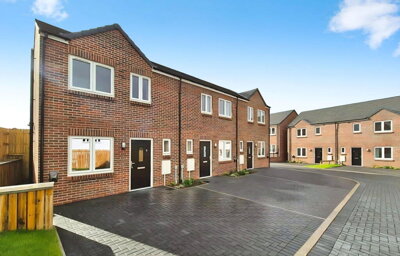
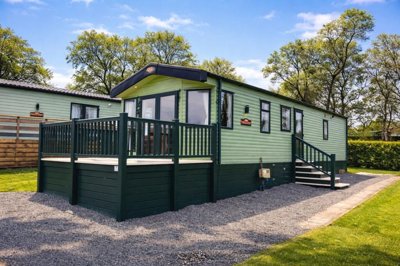
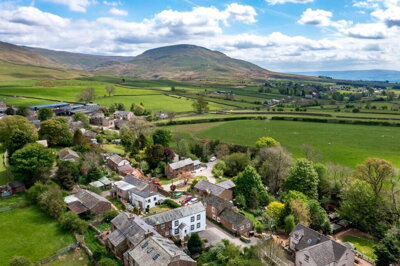
Browse 4 homes new builds in Murton, Westmorland and Furness from local developer agents.
£285k
2
0
149
Source: home.co.uk
Source: home.co.uk
Cottage
1 listings
Avg £190,000
House
1 listings
Avg £380,000
Source: home.co.uk
Source: home.co.uk
Murton's property market still gives buyers decent value if affordable housing in County Durham is the aim. Our current listings cover the main property types, from traditional terraced houses priced from around £230,000 to detached homes reaching £435,000. Semi-detached homes make up a sizeable share of the local stock, and they usually sit at around £308,750, which suits families needing more room without paying top-end prices.
Prices in Murton have risen by approximately 1% over the past 12 months, so the market looks steady rather than overheated. Over the past five years, there have been 237 property sales in the village, which points to consistent activity and genuine buyer interest. For anyone wary of the swings seen in pricier areas, that kind of calm market can be appealing.
Modern homes are available too. The Persimmon Homes development at Murton Gap off Dalton Heights offers new 2, 3, and 4-bedroom homes from £169,995, giving buyers a chance to secure a brand-new property within the community. Modern build methods, better energy efficiency, and developer warranties all come as standard, which is why these homes appeal to buyers who want ready-to-move-into accommodation rather than the quirks of older stock.
Murton's housing stock reflects its late 19th and early 20th century mining roots, so brick-built terraces and semi-detached houses are familiar sights on residential streets. Red or buff brickwork, along with slate or clay tile roofs, gives the area its recognisable look. Post-war development from 1945 to 1980 added more homes, and further growth post-1980 broadened the mix again, so prospective buyers have plenty to compare.

The village still carries the legacy of coal mining, and the former Murton Colliery was once the centre of local life. These days Murton is a settled residential place, with traditional brick-built terraces and semi-detached homes along quieter streets. Its late 19th and early 20th century character shows through in the red or buff brickwork and slate or clay tile roofs that give the area its distinctive feel.
From its mining past, the local economy has widened into retail, healthcare, and education, while the nearby road network suits commuters heading to Sunderland, Durham, and Newcastle. Logistics and manufacturing employers on industrial estates across wider County Durham add further local work, so some residents can stay closer to home for their jobs.
Investment and regeneration across East Durham are continuing to improve local infrastructure and bring fresh interest into the area. New businesses are being encouraged to establish themselves here, which could mean more jobs locally and a boost for the housing market. With approximately 3,365 households and a population of 7,511, Murton keeps a village feel while still giving access to larger town facilities.
At the centre of the village, residents have the essentials close by, including convenience shops, a post office, and traditional pubs. There is also a leisure centre and playing fields, while Seaham and Houghton-le-Spring sit nearby for extra shopping, healthcare, and entertainment options.

Families moving to Murton will find schooling options both in the village and just beyond it. Local primary schools serve younger children and are within walking distance for most households. Some of these schools have supported the community for decades, which fits Murton's long-established role as a residential area in County Durham.
For secondary education, families usually look to schools in nearby towns, with transport links helping those who choose options outside the immediate area. Dedicated bus routes reach schools in Seaham, Houghton-le-Spring, and other surrounding towns, so there is flexibility for families looking for a specific approach or particular facilities.
Good schools add to Murton's appeal for families, and homes in strong catchment areas often hold their value well. We advise prospective buyers to check individual school performance data and catchment boundaries, since both can affect educational outcomes and property demand. Ofsted reports and recent exam results are publicly available, and they should sit alongside the rest of any family’s property search checks.
Living in County Durham also keeps further and higher education within easy reach, with Durham city and Sunderland both accessible for older students. Colleges and universities are available in each city, and regular bus services mean the commute stays manageable for anyone who prefers not to move away from home during further study.

Road links around Murton are one of the village's strongest points, and commuting to major employment centres is straightforward. The nearby A19 gives direct access to Sunderland, around 12 miles to the north, and Newcastle, around 20 miles further north. As a major trunk road linking the North East coast, the A19 is popular with commuters working in retail, manufacturing, and service roles in the larger cities.
Access to Durham city via the A1(M) motorway is another reason Murton suits workers who rely on wider urban connections. Many residents head into Durham for public sector, healthcare, and education jobs, as the city acts as a regional hub in those fields. By car, the journey to Durham city centre is typically around 25 minutes, traffic permitting.
For those who prefer the bus, services run through the village and link residents with nearby towns and villages. Regular routes serve Sunderland, Seaham, and the surrounding County Durham villages, giving an affordable alternative to driving. Sunderland bus station then opens up further travel across the region, including Newcastle and other major destinations.
The nearest mainline rail stations are in Sunderland and Durham, which makes longer-distance travel straightforward. Both stations offer direct services to major cities including London, Edinburgh, and Birmingham. Sunderland station also connects to the Tyne and Wear Metro, while Durham station provides extra routes and generally quicker services to London. Murton sits between these employment hubs, so it works well for professionals seeking affordable housing and manageable commute times.

We usually suggest starting with the current Murton listings, so buyers can get a feel for what is available, the price ranges, and what different parts of the village offer. Our platform shows every available home with direct links to estate agents. It is worth comparing older properties on established streets near the village centre with newer homes on developments like Murton Gap, then weighing character against modern construction.
Before viewings begin, buyers should get a mortgage agreement in principle from a lender. It strengthens any offer and gives a clearer picture of a realistic budget in Murton's market. With an average property price of around £308,750, many buyers will find their mortgage needs fall into favourable loan-to-value brackets, which may help them secure competitive interest rates.
View any properties that fit the brief, and take time to walk the neighbourhood at different times of day. A chat with local residents can also be useful. In Murton, older homes linked to the mining heritage need close attention, and it helps to check how near the property is to local amenities and the bus routes you plan to use.
Because much of Murton's housing stock is over 50 years old, we strongly recommend booking a survey before moving forward. A RICS Level 2 Survey usually costs between £400 and £700 for a standard 3-bedroom property, and it can pick up damp, roof condition, and structural issues often seen in older County Durham homes. That outlay can save thousands later on.
A conveyancing solicitor should handle the legal side of the purchase. They will carry out searches, review contracts, and manage the transfer of ownership. Given Murton's history as a former coal mining area, our solicitor should specifically request a mining report, checking for subsidence risks and mine gas concerns that could affect the property.
Once the searches are clear and the money is ready, contracts are exchanged and a completion date is fixed. Our solicitor transfers the funds, and the keys to the new Murton home are handed over. The process usually takes 8-12 weeks from offer acceptance to completion, although chain length and search turnaround times can change that.
Anyone buying in Murton should keep a few area-specific issues in mind, as these can shape the decision. Some properties sit on former colliery land, so ground stability reports and mining searches matter. The Coal Measures geology beneath much of the area includes sandstone, mudstone, and coal seams, all of which can influence foundation conditions.
Where boulder clay geology is present, foundations can face moderate to high shrink-swell risk, especially in periods of extreme weather. That shrink-swell action happens when clay soils expand in wet conditions and contract when they dry, which can lead to movement over time. Our inspectors look out for the usual warning signs, including wall cracking and doors that stick or will not close properly.
Some lower-lying parts of Murton carry surface water flood risk, so buyers should check Environment Agency flood maps for the exact location. Homes near natural drainage channels, or in places with poor drainage, may be more exposed during heavy rainfall. River flood risk is generally low because Murton is some distance from major waterways, though that still needs confirming through conveyancing searches.
Older properties may need electrical and plumbing upgrades to meet current standards, and many homes built before 1980 also lack modern insulation levels. A RICS Level 2 Survey will assess those systems and show where improvements may be required. If someone is looking at a listed property such as Murton House or the former Murton Colliery Institute, specialist surveys will be needed because of their historical construction methods and the extra constraints on renovation.
Most older Murton homes were built in traditional brick, with cavity wall construction becoming common from the mid-20th century onwards. Roofs often use slate or clay tiles, some original and some replaced over the years. Our surveyors check for deterioration in these materials, including slipped tiles, damaged flashing, and signs of water ingress, which regularly affect properties of this age.

Recent sales data puts the average house price in Murton at approximately £308,750. Prices vary a lot by type, with terraced homes around £230,000, semi-detached properties at approximately £308,750, and detached houses reaching £435,000. Flat prices average around £59,000. The market has risen by 1% over the past 12 months, so conditions remain steady for both buyers and sellers. Compared with nearby Sunderland, where average prices exceed £150,000, Murton still offers strong value and remains attractive to first-time buyers and investors seeking an affordable way into the County Durham property market.
For council tax, properties in Murton fall within Durham County Council's jurisdiction. The bands run from A to H depending on assessed value. Most terraced homes and smaller semi-detached properties sit in bands A to C, which keeps them among the most affordable council tax contributions in the country. Band A homes in County Durham currently pay around £1,200-1,400 per year, well below comparable properties in cities like Newcastle or Leeds. The exact band for any property can be checked through the Valuation Office Agency website or by asking a solicitor during conveyancing.
Primary education is available through local schools serving the village, while secondary options are found in nearby towns such as Seaham, Houghton-le-Spring, and Hetton-le-Hole. Performance changes from year to year, so we recommend checking the latest Ofsted reports and exam results for each school. Some of the surrounding secondary schools also have specialist status in subjects like technology and performing arts. Homes in strong catchment areas usually keep their value well, so this is an important point for families with school-age children.
Regular bus routes serve Murton and link the village with Sunderland, Seaham, and the surrounding villages. On weekdays, the main bus services reach Sunderland's shopping centres, hospitals, and transport hub roughly every 30-60 minutes. Sunderland and Durham are the nearest mainline railway stations, with direct services to London, Edinburgh, and Birmingham. The A19 gives fast access to the strategic road network, so driving to Newcastle, Sunderland, and Durham is simple enough. For commuters heading to Newcastle, the trip usually takes around 35-40 minutes outside peak hours via the A19 and A1056.
For property investors, Murton has a few clear selling points, starting with lower purchase prices than nearby cities and steady demand from buyers who want value for money. Regeneration work, ongoing infrastructure improvements, and strong transport links to major employment centres all support longer-term demand from both owner-occupiers and tenants. Rental yields in County Durham often stack up well against more expensive southern markets, with typical yields in the 5-7% range for standard terraced properties depending on location and condition. The Persimmon Homes development at Murton Gap shows that major developers still see interest here. As ever, specific locations, tenant demand, and local market conditions deserve proper research before any commitment.
Stamp duty land tax rates for 2024-25 are 0% on the first £250,000 of residential property purchases, 5% on £250,001 to £925,000, 10% on £925,001 to £1.5 million, and 12% above £1.5 million. First-time buyers get relief on the first £425,000, then pay 5% on the portion from £425,001 to £625,000. With Murton's average price at £308,750, most buyers at or below the £250,000 threshold will pay zero stamp duty, which can mean sizeable savings compared with more expensive areas. Liability depends on the purchase price, whether the buyer is a first-time buyer, and whether any other properties are owned.
Persimmon Homes does have a development at Murton Gap off Dalton Heights, postcode SR7 9GA, and it offers 2, 3, and 4-bedroom homes from £169,995. This is the main new build activity in the village, and it gives buyers a route into modern construction with energy-efficient features, open-plan layouts, and developer warranties. The site sits in a relatively elevated part of Murton, away from the lower-lying areas where surface water drainage can be a concern. New build homes often cost more than similar older properties, yet the appeal of modern standards and lower maintenance is clear to many buyers.
From £400
Professional survey to identify defects in Murton's older properties
From £499
Legal services for your property purchase
From 3.5%
Find competitive mortgage rates for your Murton home
From £80
Energy performance certificate for your property
One real advantage of buying in Murton is the stamp duty position, which suits most buyers. With the average house price at £308,750, many purchases at or below the £250,000 threshold will attract zero stamp duty. That can mean immediate savings of thousands of pounds compared with buying in places where average prices sit above this level, such as nearby Newcastle or Leeds.
First-time buyers purchasing homes up to £425,000 can benefit from full relief, which makes Murton a practical starting point on the property ladder. A first-time buyer paying £230,000 for a typical terraced house would pay no stamp duty at all, and a semi-detached home at £308,750 would also sit entirely within the zero-rate band.
On top of stamp duty, buyers need to budget for other costs, including solicitor fees averaging £500-1,000 for conveyancing, mortgage arrangement fees if they apply, and a RICS Level 2 Survey at between £400 and £700 for a typical 3-bedroom property. In Murton, survey costs matter in particular because much of the housing stock is older, and issues such as damp, roof condition, and outdated electrics are regularly found.
It is also wise to allow for Land Registry fees of around £300-£500, local authority search fees usually £200-£300, and moving costs that can range from £500 for a man and van service to several thousand pounds for a full removal company. Buildings insurance should be in place from completion day onwards, and there may be a need to cover immediate repairs or renovations picked up during the survey. All of that needs to sit in the budget if the Murton purchase is to be costed properly.

Properties New Builds In London

Properties New Builds In Plymouth

Properties New Builds In Liverpool

Properties New Builds In Glasgow

Properties New Builds In Sheffield

Properties New Builds In Edinburgh

Properties New Builds In Coventry

Properties New Builds In Bradford

Properties New Builds In Manchester

Properties New Builds In Birmingham

Properties New Builds In Bristol

Properties New Builds In Oxford

Properties New Builds In Leicester

Properties New Builds In Newcastle

Properties New Builds In Leeds

Properties New Builds In Southampton

Properties New Builds In Cardiff

Properties New Builds In Nottingham

Properties New Builds In Norwich

Properties New Builds In Brighton

Properties New Builds In Derby

Properties New Builds In Portsmouth

Properties New Builds In Northampton

Properties New Builds In Milton Keynes

Properties New Builds In Bournemouth

Properties New Builds In Bolton

Properties New Builds In Swansea

Properties New Builds In Swindon

Properties New Builds In Peterborough

Properties New Builds In Wolverhampton

Enter your details to see if this property is within your budget.
Loans, cards, car finance
Estimated property budget
Borrowing + deposit
You could borrow between
Typical borrowing
Monthly repayment
Est. at 4.5%
Loan-to-value
This is an estimate only. Your actual budget may vary depending on interest rates, credit history, and personal circumstances. For an accurate affordability assessment, speak to one of our free mortgage advisors.
This calculator provides estimates for illustrative purposes only and does not constitute financial advice. Your home may be repossessed if you do not keep up repayments on your mortgage. Estimates based on 4.5% interest rate, repayment mortgage. Actual rates depend on your circumstances.
Homemove is a trading name of HM Haus Group Ltd (Company No. 13873779, registered in England & Wales). Homemove Mortgages Ltd (Company No. 15947693) is an Appointed Representative of TMG Direct Limited, trading as TMG Mortgage Network, which is authorised and regulated by the Financial Conduct Authority (FRN 786245). Homemove Mortgages Ltd is entered on the FCA Register as an Appointed Representative (FRN 1022429). You can check registrations at NewRegister or by calling 0800 111 6768.

We use cookies to show you personalised content and improve your experience of our website. Find out more in our Privacy policy and Cookie policy.