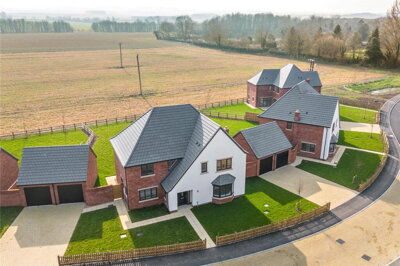
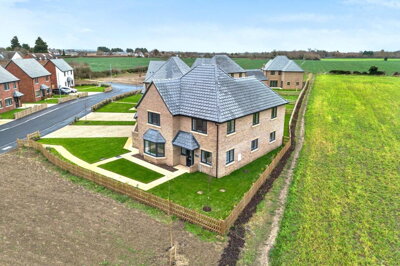
Browse 2 homes new builds in Melbourn, South Cambridgeshire from local developer agents.
The Melbourn property market offers detached, semi-detached, and terraced houses spanning various price ranges and neighbourhoods. Each listing includes detailed property information, photographs, and direct contact with the marketing agent.
£613k
24
2
79
Source: home.co.uk
Showing 24 results for Houses new builds in Melbourn, South Cambridgeshire. 2 new listings added this week. The median asking price is £612,500.
Source: home.co.uk
Detached
16 listings
Avg £714,375
Semi-Detached
6 listings
Avg £436,667
Terraced
2 listings
Avg £297,500
Source: home.co.uk
Source: home.co.uk
Melbourn’s property market has stayed notably steady over the past year. As of February 2026, the average price paid is £463,000, up by 0.3% over the previous twelve months. That sits very close to the longer-term average of £466,675, which points to a market that has settled after the swings of the pandemic years. It is also around 6% below the 2020 peak of £493,966, so prices have eased back from their post-pandemic high while demand locally has remained firm. For buyers who want something more predictable, Melbourn has plenty going for it.
Buyers in Melbourn are not short of choice. Detached homes average £630,745 and make up most of the sales activity, which suits families after more garden space and off-street parking. Semi-detached properties average £383,662, a useful step up for first-time buyers or people moving on from terraced homes. Terraced houses sit at £380,833 on average, and many of the prettier examples are within walking distance of the village centre. Flats are less common in a place like this, although conversions along High Street and New Road do appear from time to time, with purpose-built units often around £249,000. There is a decent spread across the price ranges.
Price levels vary quite a bit from one part of Melbourn to another. Melbourn Bury averages £492,678, a small premium on the village figure, and detached homes there average £707,946. That part of the village saw a 2% fall over the last year and sits 8% down from its 2022 peak of £538,111, so that former hot spot has cooled a little. High Street is pricier still, with an average of £586,684 and detached houses reaching £805,200, which reflects the pull of the village’s best-known address. New Road is easier to access at £310,833 on average, and values there have risen 27% over the past year after sliding sharply from the 2020 peak of £950,000.

Melbourn’s housing stock covers a broad sweep of British building eras, from older thatched cottages to new-build schemes. In the historic core, the village often shows off the traditional Cambridgeshire look, with timber frames and rendered or brick infill panels. Older homes usually come with steep pitched roofs, sometimes finished in clay tiles or thatch, plus sash windows and solid fuel fireplaces that need regular attention. Knowing how and when a property was built helps us spot likely issues early, from dated electrics and poor insulation to damp problems that may need a specialist assessment.
Along the High Street in particular, the village centre holds a good number of Grade II listed buildings, and those heritage protections are part of what keeps the street looking distinctive. Any alterations need South Cambridgeshire District Council consent, and that includes work to the bits that seem minor at first glance. We often talk buyers through the knock-on costs too, from specialist materials and contractors to energy-efficiency restrictions and insurance. Even with those constraints, listed homes in Melbourn can fetch strong prices because they are rare and full of character.
Recent decades have brought a layer of newer housing around the edge of the historic core. These homes are usually built in brick and tile, with cavity wall insulation, modern heating and double-glazed windows as standard. They tend to meet current building regulations and usually mean less maintenance than an older period property. That said, a newer build is not a guarantee of perfection, and professional surveys still matter. Our inspectors in Melbourn have seen everything from weak foundations on tricky local ground to poor workmanship in recently completed homes.

Set in the South Cambridgeshire countryside, Melbourn still feels like a proper village rather than a commuter suburb. The conservation area around the historic High Street gives the centre its character, with a small run of shops, a village store, and traditional pubs serving local ales and hearty meals. Grade II listed thatched cottages on the High Street are a reminder of how long the village has been here. Much of the social life revolves around the village hall, the church and the sports facilities, including the recreation ground and tennis courts. The annual village fete, quiz nights, clubs and societies all keep things busy.
Rural calm and day-to-day practicality sit side by side here. Many everyday needs can be covered on foot, which cuts down on car use for the small jobs. For a bigger shop, Royston is only a short drive away and has major supermarkets, high street names and banking services. Cambridge is around 12 miles away, with theatres, museums and a wide choice of places to eat. The surrounding Cambridgeshire countryside gives plenty of walking and cycling routes, and Saffron Walden is also within easy reach for a weekend outing. This part of the county is flat, so cycling works well for both commuting and leisure.
Melbourn’s economy benefits from being close to Cambridge and its well-known technology and biotech clusters. Skilled workers often look beyond the city for homes, and that drives demand in places like Melbourn. Cambridge Science Park, the Biomedical Campus and the city’s wider research base employ thousands of professionals, many of whom need a workable commute. That anchor demand supports the property market and also helps local services. Families like the mix of good schools, safer streets and places to play, which gives village life a strong pull for those with children.

At primary level, Melbourn Primary School sits at the centre of village life and takes children from Reception through to Year 6. Its position in the village keeps it closely tied to the community, and it combines modern facilities with a sense of continuity across generations. Secondary pupils usually move on to schools in nearby towns, with transport services helping to make that practical. Parents should always check the latest catchment areas and admission rules, because in Melbourn school placement can affect both daily life and property values.
South Cambridgeshire has a strong reputation for education, and the wider area reflects that. A number of nearby schools regularly post above-average results in government performance tables, which is one reason families are drawn here. Secondary education for Melbourn residents is available in Royston and Cambridge, where some schools offer specialist subjects, broad extracurricular options and solid routes into higher education. Sixth forms in Cambridge, Royston and Saffron Walden provide A-Level and vocational courses, together with apprenticeships and other pathways. Independent schools are also within commuting distance, including options in Cambridge and Hertfordshire. It all adds to the area’s family appeal.
School performance has a direct effect on property demand in Melbourn. Many families choose the village because of education, and they are often willing to pay more for homes in stronger catchment areas. That demand means properties close to well-regarded schools, or with easy access to the more sought-after secondary options, can command higher prices and sell faster than similar homes elsewhere. For buyers with children, we always suggest checking current admission arrangements carefully and thinking ahead to how those rules might change over the years you plan to stay.

For commuters, Melbourn is well placed for Cambridge, London and the wider region. Meldreth railway station is around 3 miles away and offers regular trains to Cambridge in about 20 minutes and to London Kings Cross in roughly 50 minutes. That makes the village appealing to professionals who want a countryside base without a punishing journey. There is parking at Meldreth for people who prefer to drive there, and Royston station gives access to extra services and alternative routes when more flexibility is needed.
Road links are strong too. The A10 runs close by, giving direct access to Cambridge in the north and Royston to the south. It passes through Foxton and then on to Harston, where it meets the M11 at junction 11 near Cambridge. From there, London is within reach and Stansted Airport is about 40 minutes away, which is handy for international travel. Local buses do serve Melbourn and nearby villages and towns, though not as frequently as city routes. For that reason, car ownership remains useful for many households. Cyclists have an easier time here as well, thanks to the flat Cambridgeshire landscape and the network of lanes and byways around the village.
The transport picture feeds straight into who buys here and what they are willing to pay. People working in Cambridge’s technology and research sectors often choose Melbourn because it gives them village character without cutting them off from the office. Shorter journey times to major employers also suit dual-income households, where each partner may be heading in a different direction. That broader appeal supports demand across the price range, from starter homes to larger family houses, and keeps the local market active.

A mortgage broker or bank should be one of your first calls before viewings begin. An Agreement in Principle shows estate agents and sellers that the finances are real, and it gives a clear sense of what is affordable. With homes in Melbourn ranging from around £310,000 to £700,000 plus, that early check stops people wasting time on properties beyond their reach. Brokers who know South Cambridgeshire can also advise on village homes with thatch or listed status, where lending criteria can be more specific.
We suggest starting with the current listings on home.co.uk so you can get a feel for what is actually on the market. High Street has the premium period houses, New Road tends to offer more accessible choices, and Melbourn Bury often provides family-sized homes in a quieter setting. Comparing recent sale prices across those areas helps us weigh up space, amenities and commute times, rather than looking at a figure in isolation. Once the segments make sense, it is much easier to judge value within budget.
After that, viewings should be arranged through the estate agents named on each listing. Give yourself enough time to look properly, not just at the layout but at parking, garden orientation and signs of wear. On the older High Street houses, the condition of thatched roofs, timber-framed walls and period features deserves close attention because specialist maintenance can be involved. Keeping notes at each visit makes later comparisons far more straightforward.
Before you go any further, commission a Level 2 Homebuyer Report on the property. That survey picks up structural issues, likely defects and anything needing attention soon. In Melbourn, where there are so many older and listed homes, a professional inspection is particularly important if you want a clear view of the building’s real condition. Our inspectors know the property types found in the village and are used to spotting period-property problems such as timber decay, damp penetration and subsidence risk. If the survey throws up major defects, it can also give useful room for negotiation.
A conveyancing solicitor will deal with the legal side of the purchase. They carry out searches, review the contract and speak to the seller’s solicitors for us. A solicitor who knows South Cambridgeshire transactions can also flag up planning issues, conservation area restrictions and rights of way that may matter. With so many listed buildings in Melbourn, they should check the planning history carefully, including any alterations made over the years and whether those works were properly approved.
Once the searches come back clean and contracts are signed, deposits are exchanged and a completion date is agreed. On completion day, the solicitor sends the balance and the keys to the new Melbourn home are released. Building insurance should be lined up from the date of exchange, because legal responsibility starts there. It also pays to organise removals well ahead of time, especially if the move is coming from outside the area.
Buying in Melbourn calls for a few local checks that urban buyers may not expect. The village has a concentration of Grade II listed buildings, especially along the High Street, and those homes come with maintenance duties and planning controls. Any exterior change, even something as small as replacing windows or fitting a satellite dish, can need Listed Building Consent from South Cambridgeshire District Council. Interior changes to original features may also need approval, and unauthorised work on a listed building is a criminal offence. It is worth budgeting carefully before taking on any planned improvements.
Property age varies across Melbourn, so building materials and methods vary too. Older cottages may use timber frames, lath and plaster internal walls and thatched roofs, all of which call for specialist care in maintenance and insurance. Our inspectors often find issues in these homes such as hidden timber decay, poor ventilation leading to condensation and mould, outdated electrics and the slow deterioration of lime mortars and renders. Newer developments are usually built to modern standards with conventional materials, but defects can still occur in a new-build. Before committing, ask about past renovations, extensions and any building regulation approvals the current owners have.
Flood risk should not be overlooked in Melbourn, because surface water can affect certain spots during heavy rain. Ask about any past flooding and check the Environment Agency flood maps for the exact property. Homes with larger gardens or land may give scope for an extension, subject to planning permission, which can add value over time. It also helps to understand the South Cambridgeshire Local Plan and any Article 4 directions that apply. If the property backs on to farmland, check for any farm diversification or development plans that might change the outlook later on.

Over the last year, the average house price in Melbourn has been £466,675, and the most recent average price paid was £463,000 as of February 2026. That is a 0.3% rise over the previous twelve months, which fits the picture of a steady market after the disruption of the pandemic years. Detached homes average £630,745 and account for the biggest share of sales, while semi-detached houses average £383,662 and terraced homes sit around £380,833. High Street remains the premium end of the market at £586,684 on average, with detached houses there averaging £805,200. New Road is the more affordable stretch, with an average price of £310,833.
All homes in Melbourn sit within South Cambridgeshire District Council’s council tax system. Bands run from A to H, depending on the property’s assessed value, and most terraced houses and smaller semis fall into bands B to D. Bigger detached family homes are usually in bands E to G, while the largest period properties can reach band H. The specific band for any address can be checked on the Valuation Office Agency website or on a council tax bill. Those payments help fund education, waste collection and community facilities, all of which play a part in village life.
Melbourn Primary School provides the village’s main primary provision, with Reception through Year 6 taught from a central location and strong links to local families. Nearby villages such as Meldreth, Foxton and Harston also have well-regarded primary schools, so parents have a few options close at hand. For secondary education, pupils move on to schools in Royston and Cambridge, where GCSE and A-Level results are often strong. The Melbourn Science Park adds another local connection through employment and education. Catchment areas still need checking, because school places can shape both where families live and what they pay.
Transport links are decent here even though Melbourn is unmistakably a village. Meldreth railway station, roughly 3 miles away, runs direct services to Cambridge in 20 minutes and to London Kings Cross in around 50 minutes, which keeps commuting realistic. Buses link the village with Royston, Cambridge and the nearby villages, though the timetable is thinner than in town. The A10 gives straightforward road access to Cambridge and Royston, and the M11 can be reached via Cambridge for longer journeys. For anyone working in Cambridge’s biotech and technology sectors, the daily trip is manageable by road or rail.
For investors, Melbourn has a few clear strengths. Its closeness to Cambridge, and the ongoing growth of the city’s technology and biotech sectors, keeps commuter demand healthy. Supply is limited, and the village character and amenities help values hold up over time. There is also rental demand from professionals working in Cambridge or travelling towards London, with returns that can be competitive for the area. Homes on High Street and in Melbourn Bury have historically done well, although any investment carries risk and transaction costs need proper thought. The conservation area and limited development opportunities also protect the character that makes the village desirable.
Stamp duty in Melbourn follows the usual UK thresholds. On a property at the village average of £466,675, a buyer who is not a first-time purchaser would pay 0% on the first £250,000 and 5% on the slice between £250,001 and £466,675, which comes to about £10,833 in Stamp Duty Land Tax. First-time buyers spending £425,000 or less pay no stamp duty, while purchases between £425,001 and £625,000 attract 5% on the amount above £425,000. Homes priced at £925,000 and above face the top rates, with 10% between £925,001 and £1.5 million and 12% above that. For exact figures, we would always point buyers to the HMRC stamp duty calculator, using the final price and buyer status.
We strongly recommend a professional survey before buying any property in Melbourn. The village has plenty of period homes, Grade II listed buildings and thatched cottages, and hidden defects are common in all of them. Our inspectors often pick up timber rot, structural movement, damp penetration and old electrical systems in older properties across the village. Even newer homes can hide problems that only show up under specialist inspection. A RICS Level 2 survey from £350 is often well worth the cost compared with the expense of discovering a major defect after completion. For listed homes, any extra survey needs should be discussed with the solicitor.
Competitive rates for Melbourn properties
From 4.5% APR
Local solicitors familiar with South Cambridgeshire
From £499
Essential for period properties in Melbourn
From £350
Required for all property sales
From £60
Good budgeting starts with the full cost of buying in Melbourn, not just the asking price. On a typical property at the village average of £466,675, Stamp Duty Land Tax would be about £10,833 for a standard buyer. That uses 0% on the first £250,000 and 5% on the amount between £250,001 and £466,675. First-time buyers purchasing up to £425,000 pay no stamp duty, while those buying between £425,001 and £625,000 pay 5% on the amount above £425,000. At the upper end of the Melbourn market, around £700,000, standard-buyer stamp duty would be about £23,750.
Solicitor fees come next, and they usually land somewhere between £500 and £1,500 depending on how complex the purchase is. Leasehold homes or properties with trickier title issues can cost more to convey. Search fees for South Cambridgeshire local authority searches, drainage and water searches, and environmental searches usually total £200 to £400. A RICS Level 2 Homebuyer Report is from £350 depending on size and value, and an Energy Performance Certificate is from £60 because it is required for every sale. If a mortgage is needed, arrangement fees often run from £0 to £2,000 depending on the lender and product, though cashback and fee-free deals can soften the hit.
Removal charges can vary a lot with the amount being moved and how far, so local Cambridgeshire moves may fall between £500 and £2,000. Where a house needs renovation or repair, get contractor quotes before you commit, especially for period properties that often reveal extra work once they are opened up properly. Building insurance needs to begin from contract exchange, while contents insurance starts at completion. Allowing for surveys, legal costs and moving expenses helps keep the transaction on track, without the kind of financial pressure that can delay, or even jeopardise, the purchase of the right Melbourn home.
Properties New Builds In London

Properties New Builds In Plymouth

Properties New Builds In Liverpool

Properties New Builds In Glasgow

Properties New Builds In Sheffield

Properties New Builds In Edinburgh

Properties New Builds In Coventry

Properties New Builds In Bradford

Properties New Builds In Manchester

Properties New Builds In Birmingham

Properties New Builds In Bristol

Properties New Builds In Oxford

Properties New Builds In Leicester

Properties New Builds In Newcastle

Properties New Builds In Leeds

Properties New Builds In Southampton

Properties New Builds In Cardiff

Properties New Builds In Nottingham

Properties New Builds In Norwich

Properties New Builds In Brighton

Properties New Builds In Derby

Properties New Builds In Portsmouth

Properties New Builds In Northampton

Properties New Builds In Milton Keynes

Properties New Builds In Bournemouth

Properties New Builds In Bolton

Properties New Builds In Swansea

Properties New Builds In Swindon

Properties New Builds In Peterborough

Properties New Builds In Wolverhampton

Enter your details to see if this property is within your budget.
Loans, cards, car finance
Estimated property budget
Borrowing + deposit
You could borrow between
Typical borrowing
Monthly repayment
Est. at 4.5%
Loan-to-value
This is an estimate only. Your actual budget may vary depending on interest rates, credit history, and personal circumstances. For an accurate affordability assessment, speak to one of our free mortgage advisors.
This calculator provides estimates for illustrative purposes only and does not constitute financial advice. Your home may be repossessed if you do not keep up repayments on your mortgage. Estimates based on 4.5% interest rate, repayment mortgage. Actual rates depend on your circumstances.
Homemove is a trading name of HM Haus Group Ltd (Company No. 13873779, registered in England & Wales). Homemove Mortgages Ltd (Company No. 15947693) is an Appointed Representative of TMG Direct Limited, trading as TMG Mortgage Network, which is authorised and regulated by the Financial Conduct Authority (FRN 786245). Homemove Mortgages Ltd is entered on the FCA Register as an Appointed Representative (FRN 1022429). You can check registrations at NewRegister or by calling 0800 111 6768.

We use cookies to show you personalised content and improve your experience of our website. Find out more in our Privacy policy and Cookie policy.