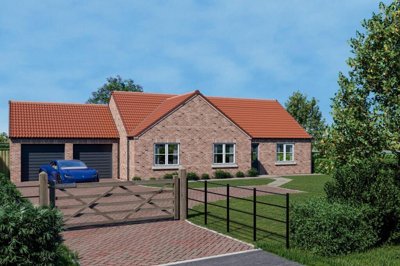
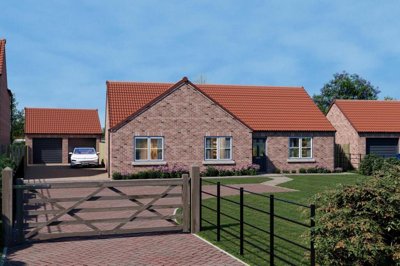
Browse 2 homes new builds in Marton-cum-Moxby from local developer agents.
Three bedroom properties represent a significant portion of the Marton Cum Moxby housing market, offering space for families with multiple reception rooms and gardens in many cases. Browse detached, semi-detached, and terraced options ranging across new residential developments.
Marton-cum-Moxby does not behave like an urban housing market. This is an exceptionally small rural parish, so sales are rare, with only a handful of transactions in most years. Anything that does reach the market tends to draw strong interest from buyers after the classic English countryside way of life. Our data shows comparable prices in the wider Marton area have sat at around £238,750 for semi-detached homes and above £560,000 for larger detached properties, which reflects the premium placed on space and rural character. home.co.uk recorded an overall average of £290,833 for the Marton area over the last year, although the figure can move sharply depending on property type, condition, and the exact spot within the parish.
Detached and semi-detached homes make up most of the housing stock in Marton-cum-Moxby, while terraced houses and flats are few and far between, if they appear at all. Settlement here goes back to at least the 12th century, and a sizeable share of the homes is likely pre-1919, built from traditional materials such as local stone and brick. That brings plenty of character, but buyers need to look closely at what comes with it. Roof repairs, updated electrical systems, and insulation work are all common budget items in heritage property. Timber-framed sections and lime mortars are part of the story too, so upkeep is not the same as it would be in a modern build.
There is very little new build activity within the parish, and at present no active developments are confirmed. Because the area is so agricultural, homes come up only occasionally, so anyone serious about buying in Marton-cum-Moxby should be on the books with local estate agents and checking property portals often. When a property does appear, it is usually good value for buyers who care more about day-to-day quality of life than urban convenience. The YO61 postcode area that covers Marton-cum-Moxby has very limited new housing supply, and any future scheme would most likely stay small because of the parish's conservation characteristics and protected heritage sites.

Daily life in Marton-cum-Moxby follows the pace of the countryside, with farming at the centre of the local economy. The community is unusually close-knit, neighbours know one another, and local events bring people together through the year. This is not a place defined by shops or services, but by its landscape, its history, and the quiet of rural North Yorkshire. Walks across farmland and along the River Foss are part of ordinary life here. The public footpaths through the parish open up miles of scenery and tie the village to the surrounding countryside and nearby settlements.
Heritage runs deep in the parish. St Mary's Church in Marton in the Forest is a Grade II* listed building, dating to around 1540 with older parts. Marton Priory and Moxby Priory are both Scheduled Monuments, which underlines the area’s medieval religious importance and the role these communities played in draining and shaping the local marshland. The moated site known as The Rush adds another layer of archaeological interest. For residents, these places offer a direct link to centuries of local history, and they help give the village its appeal for anyone looking beyond standard suburban living.
Everyday amenities are found in nearby villages and towns, with York, approximately 15 miles to the south, providing retail, healthcare, and cultural facilities on a much broader scale. Easingwold, to the south-east of the village, offers the basics, including a doctors surgery, pharmacy, and a range of shops. That makes Marton-cum-Moxby workable for people who do not mind travelling short distances for errands while still valuing a genuinely rural home environment. The local economy is still rooted in agriculture, alongside residents who commute to larger towns and cities for work.

For families, schooling is mostly outside the parish itself. The nearest primary schools serve the surrounding rural communities, and there are Ofsted-rated good and outstanding schools within a reasonable drive. Nearby villages such as Brafferton and helperby have primary schools serving the local catchment, though admission boundaries should be checked with North Yorkshire Council. Rural schools often work within defined geographic areas and have limited places, so parents should look carefully at catchments and admission arrangements. Transport to schools outside the village is usually down to families, which is something to think through before buying.
Secondary education is available across the wider North Yorkshire area, with selective grammar schools in York and Northallerton for academically able students. The York Grammar School system uses academic selection, while comprehensive schools in nearby market towns offer a different route. Anyone weighing up a move to Marton-cum-Moxby should check current school performance, admission rules, and bus or transport arrangements. Travel times will vary with the school and its location, so families with children of secondary age need to do the homework. Rural bus transport does exist in North Yorkshire, but the routes and availability should be confirmed before a purchase is made.
Older students have further education options in York and the nearby market towns, with A-levels, vocational courses, and apprenticeships on offer. York College covers a broad mix of academic and vocational subjects, while Askham Bryan College has a strong land-based focus, including agriculture, animal management, and environmental studies, which fits the rural setting around Marton-cum-Moxby nicely. York also opens the door to wider options, including the University of York, so the area works for families at several stages of education. For parents, the key is planning school transport and being clear about the commitment that rural school runs can bring.

Road access is one of the area’s practical strengths. The A1(M) gives north-south connectivity, while the A59 links the village with York and the wider region. Marton-cum-Moxby sits approximately 15 miles north of York city centre, so day trips and commuting are possible for people working in the city. In normal traffic, the drive to York usually takes around 35-40 minutes, depending on the route. Commuters heading to Leeds, Newcastle, or other northern cities will find the A1(M) useful, with Leeds about one hour away and Newcastle around 90 minutes under typical conditions.
Public transport is thin on the ground here, which is exactly what you would expect in a place this rural. Bus services linking Marton-cum-Moxby with nearby towns run to reduced timetables, so a private car is essential for most residents. The nearest stops are likely on the main road through the parish, with services into York and the surrounding villages. Rail travel means using York, or possibly another nearby station, and York station has frequent trains to London, Edinburgh, and major northern cities. East Coast Main Line services from York reach London Kings Cross in about two hours. Anyone without a car should think carefully about what limited transport really means day to day.
For cyclists, the rural lanes and countryside paths can be a real draw, offering scenic rides and, for some, a practical route to nearby work. North Yorkshire's rolling landscape brings its share of climbs, but also some lovely long views across farmland and villages. National Cycle Route 65 runs through the region, giving more experienced riders a longer-distance option. Parking inside the village is likely to be straightforward, thanks to the low density and the generous plot sizes typical of homes in Marton-cum-Moxby. The lanes are generally quiet too, though agricultural vehicles are part of life on them.

It is worth spending time in Marton-cum-Moxby at different points in the day and through the week, so you can see what living there really feels like. Have a look at the local amenities, talk to residents if that is possible, and get a sense of the community atmosphere. With property supply so limited, being clear on what you need will help you move quickly when the right place appears. Walk the footpaths and spend time in the surrounding landscape, because the rural lifestyle needs to suit you in practice, not just on paper.
Before you book viewings, get a mortgage agreement in principle from a lender. It shows sellers that you are serious and financially ready. Given the older housing stock around here, your mortgage adviser should understand the quirks of rural property, including agricultural ties, non-standard construction, and what properties near watercourses can mean for insurance. Specialist lending can sometimes come into play with rural homes.
Because properties in Marton-cum-Moxby appear so infrequently, it makes sense to build relationships with estate agents covering the YO61 postcode area and the surrounding villages. York and the nearby market towns often handle homes in this rural parish. Set up property alerts and be specific about what you want, so agents can contact you as soon as a suitable home comes on. We would also suggest registering with more than one agency, simply to widen your reach when new listings appear.
Go into viewings with a critical eye and keep the rural North Yorkshire setting in mind. Flood risk from nearby watercourses, the condition of older construction, and possible renovation work all deserve attention. With the River Foss and Farlington Beck so close, always ask whether there has been any flooding and check what it could mean for insurance. A second viewing is sensible too, especially if you can see the property in different weather or at a different time of day.
Given how old and characterful homes in Marton-cum-Moxby are likely to be, we always recommend an independent RICS Level 2 Survey before you go any further. It can pick up structural issues, defects, and areas that need attention, which gives you useful negotiating power and protects your investment. For properties in this parish, damp, roof condition, and any sign of foundation movement linked to the local geology deserve particular scrutiny.
Choose a solicitor who has real experience of rural property transactions. They will deal with the legal work and carry out searches suited to the area, including flood risk assessments, environmental searches, and any agricultural or environmental points relevant to North Yorkshire homes. Rural conveyancing can throw up rights of way, agricultural covenants, and drainage arrangements, so specialist knowledge is valuable.
Several local factors mean properties in Marton-cum-Moxby need proper scrutiny before anyone commits to buying. The village sits between the River Foss and Farlington Beck, so flood risk is a real issue. Buyers should look closely at flood risk assessments, historic flood records, and the possible effect on insurance costs and property values. In flood-prone locations, future development or insurance availability can be restricted. The old marshland beneath parts of the parish adds to the concern, because ground conditions may affect drainage and moisture levels around the home.
The marshland below parts of the parish suggests clay soils with shrink-swell potential. That can affect foundations, especially in older homes with shallower or less substantial construction than modern standards would expect. A full RICS Level 2 Survey is essential if you want to spot subsidence, ground movement, or foundation issues before they become expensive. Look out for cracking, sticking doors or windows, and uneven floors when you view. The local geology, shaped over time by monastic drainage work, means conditions can change quite a lot even across one property.
Many homes in Marton-cum-Moxby are old and traditionally built, so damp, dated electrical systems, and poor insulation are all familiar issues. Stone and brick buildings with lime mortars need a different maintenance approach from modern houses, and buyers should be ready for the ongoing upkeep that heritage homes demand. These properties are likely to use local stone and brick, with slate or tile roofs that will need maintenance from time to time. Check the roofs, plumbing, and electrical installations, and include any upgrade work in your budget. If a home is listed, there may be limits on alterations and permitted development. The Scheduled Monuments in the parish, including Marton Priory and Moxby Priory, can also influence permissions for nearby land or buildings.

There is not much price data for Marton-cum-Moxby itself, simply because transactions are so few and far between in such a small parish. In the broader Marton area, comparable homes have sold for around £238,750 for semi-detached properties and over £560,000 for detached houses. home.co.uk puts the overall average at £290,833 for the Marton area over the last year, although that average can swing around because there are so few sales. The rare homes that do come up in this historic village usually reflect the premium for rural North Yorkshire living, with larger farmhouses and character properties priced in line with the wider regional market.
Marton-cum-Moxby sits under North Yorkshire Council. Council tax bands vary from property to property, based on assessed value, but most rural homes in the area are likely to fall within bands B through E depending on size and character. Some older rural homes may sit lower, particularly if they are modest in value. Buyers should check the exact band for any home they are considering, since it affects the annual bill. North Yorkshire Council has online tools for checking council tax bands on any county address.
This is a tiny rural parish, so Marton-cum-Moxby has no schools of its own. The nearest primary schools serve nearby villages and are usually only a short drive away. Parents should look at the Ofsted data, the admission rules, which often follow geographic catchments, and the transport needed to get there, to be sure the arrangements fit family life. Secondary options are in the wider North Yorkshire area, including selective grammar schools in York and Northallerton for children who pass the entrance exam.
Public transport in Marton-cum-Moxby is extremely limited, which reflects the village’s rural setting. Bus services to nearby towns run on reduced timetables and may not be frequent enough for daily commuting. Most residents depend on private vehicles, with York's railway stations providing East Coast Main Line services to London, Edinburgh, and other major destinations. If you do not have a car, you should think carefully about the implications before buying here. Day-to-day access to healthcare appointments, shopping, and social plans will need advance organising without private transport.
Marton-cum-Moxby suits buyers who want genuine rural living, not people chasing quick investment returns. In tiny rural parishes, values can move about because transaction volumes are so low, and rental demand is likely to be thin given the small population and lack of local employment centres. Historical price data for the broader Marton area shows wide variation, with home.co.uk reporting prices 45% down on the previous year for some postal sectors. For buyers after lifestyle, heritage, and long-term enjoyment of country living, homes here can open the door to a rather distinctive community. Those looking for rental income or fast capital growth may find better options in larger towns with more active markets.
Stamp Duty Land Tax applies in England at the same rates wherever you buy. For residential purchases, there is no tax on the first £250,000 of the price, then 5% on the part from £250,001 to £925,000, 10% on the part from £925,001 to £1,500,000, and 12% on anything above £1,500,000. First-time buyers get relief on the first £425,000, with 5% charged between £425,001 and £625,000. Most buyers in this area would fall into the lower bands, given typical prices. Always check your position with a solicitor or tax adviser, using your own circumstances and residency status.
Buyers should think about several area-specific risks before committing in Marton-cum-Moxby. The parish sits close to the River Foss and Farlington Beck, so flood risk needs assessing for any property, especially given the area’s marshland history. The marshland geology also points to clay soils with shrink-swell risks, which can affect foundations, particularly in older homes with shallower traditional construction. A lot of the housing is old and traditionally built, with stone walls and lime mortar pointing that call for specialist maintenance knowledge and the right contractors. Listed building status and Scheduled Monument designations may limit what can be done to a property or the surrounding land. A proper RICS Level 2 Survey is essential before anyone commits to buying.
From £350
A careful survey is the sensible starting point for any older home in this parish.
From £450
We would treat this as a full check for older or more complex properties where structure may be an issue.
From £85
An energy performance certificate is needed for every property sale.
From £499
Expert solicitors handling your legal work for the purchase
From 4.5%
Competitive mortgage deals from trusted lenders
Budgeting for a purchase in Marton-cum-Moxby means looking well beyond the asking price. Stamp Duty Land Tax is a major upfront cost for many buyers, and knowing the current thresholds helps with planning. For a typical home in the £300,000 to £400,000 range, a buyer without first-time buyer relief would pay nothing on the first £250,000 and 5% on the balance, which works out at around £2,500 to £7,500 depending on the exact price. HMRC expects this to be paid within 14 days of completion, so it needs to sit inside your financial plan from the start.
On top of that, there are solicitor fees, usually £500 to £1,500 for a standard conveyancing deal, plus disbursements for searches and registrations. Rural North Yorkshire searches may also need environmental reports, flood risk assessments, and drainage searches that reflect the local geography. A RICS Level 2 Survey for a Marton-cum-Moxby property will usually cost between £350 and £600, depending on size and complexity. For the older housing stock in the village, that is money well spent if it helps flag structural concerns or repairs before you commit.
Other costs to allow for include mortgage arrangement fees, which can be zero or rise to over £2,000 depending on the lender and the product, along with the valuation fees charged by your mortgage provider. Buildings insurance must be in place from completion day, and homes near watercourses in North Yorkshire may carry higher premiums because of flood risk assessments. The Environment Agency flood risk maps should be checked for any property you like, since insurers now factor flood exposure into pricing more heavily. Removal costs, surveyor fees for mortgage purposes, and any immediate renovation or furnishing work round out the full buying bill. Careful planning means you can move ahead with confidence when the right Marton-cum-Moxby home comes along.

Properties New Builds In London

Properties New Builds In Plymouth

Properties New Builds In Liverpool

Properties New Builds In Glasgow

Properties New Builds In Sheffield

Properties New Builds In Edinburgh

Properties New Builds In Coventry

Properties New Builds In Bradford

Properties New Builds In Manchester

Properties New Builds In Birmingham

Properties New Builds In Bristol

Properties New Builds In Oxford

Properties New Builds In Leicester

Properties New Builds In Newcastle

Properties New Builds In Leeds

Properties New Builds In Southampton

Properties New Builds In Cardiff

Properties New Builds In Nottingham

Properties New Builds In Norwich

Properties New Builds In Brighton

Properties New Builds In Derby

Properties New Builds In Portsmouth

Properties New Builds In Northampton

Properties New Builds In Milton Keynes

Properties New Builds In Bournemouth

Properties New Builds In Bolton

Properties New Builds In Swansea

Properties New Builds In Swindon

Properties New Builds In Peterborough

Properties New Builds In Wolverhampton

Enter your details to see if this property is within your budget.
Loans, cards, car finance
Estimated property budget
Borrowing + deposit
You could borrow between
Typical borrowing
Monthly repayment
Est. at 4.5%
Loan-to-value
This is an estimate only. Your actual budget may vary depending on interest rates, credit history, and personal circumstances. For an accurate affordability assessment, speak to one of our free mortgage advisors.
This calculator provides estimates for illustrative purposes only and does not constitute financial advice. Your home may be repossessed if you do not keep up repayments on your mortgage. Estimates based on 4.5% interest rate, repayment mortgage. Actual rates depend on your circumstances.
Homemove is a trading name of HM Haus Group Ltd (Company No. 13873779, registered in England & Wales). Homemove Mortgages Ltd (Company No. 15947693) is an Appointed Representative of TMG Direct Limited, trading as TMG Mortgage Network, which is authorised and regulated by the Financial Conduct Authority (FRN 786245). Homemove Mortgages Ltd is entered on the FCA Register as an Appointed Representative (FRN 1022429). You can check registrations at NewRegister or by calling 0800 111 6768.

We use cookies to show you personalised content and improve your experience of our website. Find out more in our Privacy policy and Cookie policy.