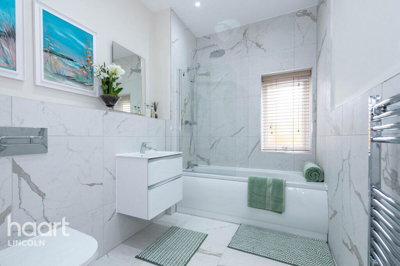
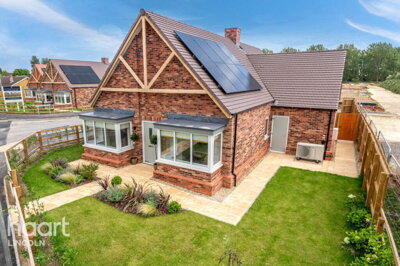
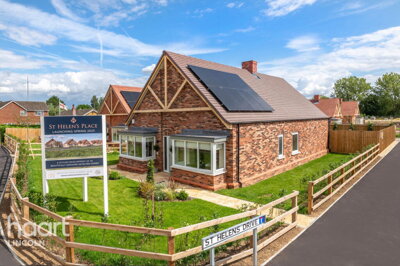
Browse 4 homes new builds in Mareham le Fen from local developer agents.
The Mareham Le Fen property market offers detached, semi-detached, and terraced houses spanning various price ranges and neighbourhoods. Each listing includes detailed property information, photographs, and direct contact with the marketing agent.
Mareham le Fen’s property market has had some noticeable price shifts over the past year, and that has opened a few doors for buyers looking at this Lincolnshire village. homedata.co.uk puts the overall average house price over the last twelve months at £289,357, with a median of £262,500 and £289,357 recorded for recent transactions. The spread reflects the mix of homes sold and the point in the cycle at which they changed hands. In the PE22 7 postcode area, about 120 property transactions have been recorded, and half of homes have sold for between £1,870 and £2,740 per square metre, which says a fair bit about the consistency of values here.
Prices vary quite sharply by property type in Mareham le Fen. Detached homes sit at the top of the market at around £403,125, which matches demand for larger family houses and bungalows with gardens. Semi-detached homes average about £160,188, giving buyers on a tighter budget a more realistic route into village living. The market has also eased back from the 2023 peak of £260,012, with home.co.uk listings data showing a fall of around 14%, or 8.8% in home.co.uk figures, so there are better entry points for buyers than there were a year ago. homedata.co.uk data for the wider PE22 7 postcode area points to a 15.2% annual decline, or 18.4% once inflation is taken into account, so the adjustment is still working its way through.
Recent sales have ranged from older period homes to newer builds, including a three-bedroom semi-detached home on Ross Ancell Way that was built in 2023. Around 43 property transactions have completed in Mareham le Fen over the last three years, which shows a steady level of movement for a village of this size. There is a genuine mix on offer, from Victorian houses with high ceilings and original features to modern homes with a more straightforward finish. Current property listings show everything from compact semi-detached cottages to detached family houses, reflecting the way the village has grown over different eras.

Mareham le Fen has the feel of a classic English village, set in the low-lying Fenland stretch of Lincolnshire that runs towards the Norfolk border. The name itself points to the landscape, with "Fen" describing the flat, fertile ground that was once marshland. That open setting brings big skies and long views across farmland, which is part of the appeal for people who like countryside surroundings and outdoor space. Over the years the village has developed in a fairly organic way, so Victorian-era buildings sit alongside newer additions, and the architectural mix tells the story of that gradual change. Brick is common here, as it is in much of Lincolnshire.
As part of East Lindsey in Lincolnshire, Mareham le Fen sits about 12 miles east of Boston and roughly 20 miles southwest of Skegness, so it keeps a village identity while still being within reach of both places. The community remains small and self-contained, with local life shaped by residential streets rather than a busy high street. For many residents, the attraction lies in the surrounding farmland, the public footpaths and the quieter pace that Fenland villages tend to offer. The population usually includes long-established families, older residents who have lived locally for decades, and newer arrivals drawn by lower property prices than those found in bigger towns and cities.
Rural life here is tied closely to agriculture, small businesses and commuting further afield, which is typical of East Lindsey. Many people travel to Boston, Grantham or Peterborough for work, using the village as a base because the housing is more affordable than in those employment centres. Day-to-day life is about space, community and the natural surroundings rather than local jobs, so it suits people who work remotely or simply do not need to be close to a workplace. Buyers should also keep an eye on the ground conditions, because alluvial deposits in this low-lying area can include clay soils that are prone to shrink-swell movement.
Village life in Mareham le Fen is built around the sort of traditional character that sets Fenland settlements apart from more urban places. The flat land means wide-open views, and it is good for walking, cycling and generally getting out into the countryside around the surrounding farmland. Families can look to nearby schools, while the lower property prices compared with national averages make the village a sensible option for first-time buyers trying to get a foothold in a rural setting. That close-knit feel often helps newcomers settle in, because smaller villages tend to be more welcoming than people expect.
Families thinking about Mareham le Fen have educational options both in the village and in nearby settlements. The village falls within East Lindsey district, which serves a network of primary and secondary schools across the surrounding area. Primary education is usually found in village schools or small-town schools within a manageable drive, and families often look to Coningsby, Tetford or other nearby villages. These schools can offer a community-led start to education, with good pupil-to-teacher ratios and the kind of individual attention that matters in the early years.
For secondary schooling, Boston is the main draw, with Boston High School and Thomas Middlecote Academy among the key options for the area. Boston Grammar School and Boston High School cover Key Stage 3 and Key Stage 4, and both also offer sixth form provision for students continuing beyond the usual school-leaving age. Catchment areas and admissions criteria matter, so parents should check the details carefully, since places are allocated on the basis of proximity and other factors. East Lindsey local education authority publishes annual admissions information, which buyers should look at before they decide which schools serve the Mareham le Fen postcode area and when applications are due.
Lincolnshire’s selective system also means grammar school education is on the table, with schools in Louth, Boston and Spalding serving eligible pupils from a wider catchment. Entry is through the 11-plus examination, so families need to think carefully about whether their children are suited to the process and happy to take part in it. Rural school transport usually means school buses linking villages with larger settlements, and that is how many children travel in this part of the county. Anyone moving to Mareham le Fen should check transport arrangements and journey times in detail, especially for secondary pupils who may have longer trips than children in towns.
Beyond sixth form, there are further education choices in Boston and across the surrounding area, with colleges offering both vocational and academic routes for young adults. That gives older children a wider set of options, including apprenticeships and college programmes that are not always available in smaller villages. Across Lincolnshire, further education colleges run courses in construction and engineering, business and healthcare, so young people who want to stay nearby after school still have several paths open to them.

Transport from Mareham le Fen is shaped by its rural setting, so private cars do most of the heavy lifting, with buses filling in some of the gaps to larger settlements. The village is close to the A16, the main Lincolnshire route between Grimsby and Stamford, which gives access to Boston, Spalding and then on towards the national motorway network via the A1. For most residents, a car is part of everyday life here, even if the peaceful setting and lower house prices make up for the lack of urban transport. The flat Fenland landscape also makes cycling practical for shorter journeys, although the wind across open farmland can be a factor.
Bus routes connect local towns, and from Boston residents can join the wider public transport network, including rail services. Boston railway station runs East Midlands Railway services between Nottingham, Peterborough and King's Cross in London, with the journey to the capital usually taking around two to two and a half hours depending on connections. That makes train travel a workable option for some commuters heading into larger cities, although the service pattern means rail travel still needs a bit of planning.
For flights, Humberside Airport offers a limited set of domestic and European services, while East Midlands Airport and Robin Hood Airport Doncaster Sheffield give access to a broader spread of international routes within about 90 minutes to two hours’ drive. Humberside Airport, in North Lincolnshire, handles scheduled flights to places including Amsterdam and also seasonal holiday routes, so it serves the Lincolnshire coast region well enough. East Midlands Airport, near Derby, has more international destinations and car rental options, which makes it the more practical choice for residents who travel regularly for work or leisure.
Cycling provision in the area is a mixed picture, but the flat Fenland setting gives it some obvious advantages. The ground is generally cycle-friendly, although winter wind across open farmland can make rides less pleasant. Locals often use bikes for short trips in and around the village, or to nearby settlements for shopping and social visits. For anyone commuting into Boston or another nearby town, cycling can work if the distance is manageable, though longer journeys usually mean using the car. Planning applications and recent developments hint at gradual improvements to local roads, even if the bigger transport spending still tends to go to larger population centres.
We would begin with a proper read of the Mareham le Fen market. Look at current listings, check recent sold prices around £289,357, and get to know the range, from detached bungalows to Victorian cottages. Flood risk in this Fenland location matters, as does how close a property is to schools and transport links. The flat landscape and low-lying ground should be understood before you commit, because both can affect insurance and the way a home holds its value later on.
Before any viewings, we would suggest getting a mortgage agreement in principle from a lender. It shows estate agents and sellers that the finances are in place, which matters in a village market where interest can come from several buyers at once. If a qualifying property is involved, First Home Schemes may also be relevant. With average prices around £289,357, many buyers will fall into attractive loan-to-value brackets, which can help when it comes to interest rates.
Once you have a shortlist, arrange viewings for properties that fit your brief in Mareham le Fen. Older homes deserve a careful look for damp or any sign of structural movement, especially given the Fenland ground conditions. Take measurements and photographs while you are there, so you can compare places properly afterwards. Look for past flooding or water damage, check period roof coverings, and see whether the property has been brought up to modern standards for insulation and heating.
After an offer is accepted, we would instruct a RICS Level 2 Survey before moving towards completion. That homebuyer report looks at structural issues, damp, roof condition and other defects that may not be obvious during viewings. With so many older homes in the village, it is a useful safeguard for the purchase. For Victorian properties with original features, a more detailed Building Survey may be the better choice, especially if you want a full read on the structure and fabric.
Next comes the solicitor, who handles the legal transfer of ownership. The conveyancer will carry out searches with East Lindsey District Council, check flood risk and drainage records, and deal with the exchange of contracts. Conveyancing costs start from around £499 for standard transactions, although more complicated purchases can cost more. Those local authority searches should also show nearby planning applications, any conservation area restrictions and the position of public rights of way.
Once the searches come back clean and the mortgage is fully approved, contracts are exchanged and the deposit is paid. Completion usually follows within days or weeks, and that is when the keys are handed over and you move into the new Mareham le Fen home. Buildings insurance needs to be in place from exchange, because legal responsibility for the property passes to you at that point.
Buying in Mareham le Fen means thinking carefully about a few issues that are specific to this Fenland location. The village is in a low-lying area that was historically marshland and floodplain. Individual flood risk should always be checked through Environment Agency flood risk maps and the conveyancing searches, but the setting does mean ground conditions need proper investigation. Alluvial deposits can create movement in the ground, so a survey is especially useful here. Clay soils can also lead to shrink-swell movement, which may affect foundations, particularly where trees or hedges are close to the building.
Property age and construction vary a good deal across the village. Victorian and pre-1919 homes may still have high ceilings, exposed brickwork and period fireplaces, all of which appeal to buyers who want character. Older construction can also mean electrical wiring, plumbing and insulation that fall short of modern standards. Many Lincolnshire homes are built from brick, which usually gives decent weather resistance, although pointing and any sign of structural movement should still be checked. Buyers should ask about renovations, the date the central heating went in, and whether there are building regulation certificates for work carried out on the property.
Tenure in the village is mostly freehold, though there may be leasehold arrangements for flats or newer developments. Freehold houses are by far the norm, giving owners outright control of both the house and the land. If a leasehold property is involved, buyers should ask their solicitor about service charges and ground rent. For family homes here, private gardens and freehold ownership are the usual arrangement, which gives more independence and avoids day-to-day management by agents. The vast majority of properties in Mareham le Fen are freehold, so ownership is generally straightforward compared with leasehold.
Planning rules in East Lindsey can have a bearing on values and on what owners can do later. The area has seen occasional development, including new builds such as the properties on Ross Ancel Way, so it is worth checking the East Lindsey District Council planning portal for any nearby applications. Conservation area status or listed building designation can limit the work owners are allowed to carry out, and that matters with period homes. Searches carried out by your conveyancing solicitor should show whether the property has planning conditions or heritage designations that could affect future use and alterations.

Over the last twelve months, Mareham le Fen house prices have been reported anywhere between £262,500 and £289,357 depending on the source. homedata.co.uk shows an overall average of £289,357, a median of £262,500 and the same £289,357 figure for recent transactions. Detached homes average about £403,125, while semi-detached properties are around £160,188. The market has also moved down from the 2023 peak of £260,012, with values falling by roughly 14% to 24% depending on the period measured. That correction has created an opening for buyers who want value in this rural Lincolnshire village, especially those working to a more modest budget.
East Lindsey District Council is the local authority for properties in Mareham le Fen. Council tax bands run from A to H, depending on the value of the home, and most standard three-bedroom houses in the village usually sit in bands A through C. The exact band should be checked on the individual listing or by using the Valuation Office Agency website. East Lindsey District Council sets the yearly council tax charges, and a band B or C property will typically cost about £1,200 to £1,800 per year, although the local authority should be checked for the precise figure in the current financial year.
Primary schooling for Mareham le Fen is usually found in nearby villages and towns, with families commonly using schools in Coningsby or other East Lindsey villages. For secondary education, Boston High School and Boston Grammar School serve the wider Boston area, while Thomas Middlecote Academy is another option for secondary-aged pupils. Catchment areas still need checking, because admissions depend on proximity and other criteria, and East Lindsey local education authority publishes annual admissions information that should be consulted for any specific property address. Louth and Spalding grammar schools also serve academically eligible students across the wider region, for families willing to go through the application process.
Public transport is limited in Mareham le Fen, which is exactly what you would expect in a rural village. Bus services run to Boston and other local towns, although the timetable is modest and not really built around regular commuting. From Boston railway station, East Midlands Railway services go to Peterborough, Nottingham and King's Cross, and the trip to London usually takes around two to two and a half hours depending on connections. Most people who work in larger towns or cities will still need a car for day-to-day travel, although remote workers may feel the lack of buses less keenly. The A16 is the main road link, carrying traffic to Boston, Spalding and on to the A1 motorway for longer journeys.
Mareham le Fen can make sense for buyers who put value and lifestyle ahead of high rental yields. Average prices of around £289,357 still sit well below the national picture, and the village may attract tenants looking for affordable rural homes near Boston or the Lincolnshire coast. The rental market is limited, though, because there are only about 640 households, and growth prospects are tied more to wider Lincolnshire conditions than to anything happening purely locally. A recent correction from the 2023 peak of around £260,000 down to £289,357 may give longer-term investors something to work with, especially if they are happy taking a medium-term view as the wider UK property market keeps shifting.
Stamp duty land tax applies to every property purchase in England, including Mareham le Fen. For standard purchases, the rates are 0% on the first £250,000, 5% on the portion from £250,001 to £925,000, 10% on £925,001 to £1.5 million, and 12% above £1.5 million. First-time buyers get relief on homes up to £625,000, paying 0% on the first £425,000 and 5% on the slice from £425,001 to £625,000. With average prices in Mareham le Fen sitting around £289,357, many buyers at or below that level will pay no stamp duty at all, which is a useful saving compared with more expensive parts of the country. A first-time buyer looking at a typical semi-detached home at £160,188 or a detached property at £403,125 would qualify for full first-time buyer relief and pay no stamp duty.
From 3.5% APR
Compare mortgage deals from leading lenders for your Mareham le Fen home
From £499
Expert property solicitors for your Mareham le Fen purchase
From £350
Professional homebuyer report for your Mareham le Fen property
From £60
Energy performance certificate for your Mareham le Fen home
Budgeting for a Mareham le Fen purchase means looking beyond the purchase price itself. The biggest extra cost is stamp duty land tax, which applies to all property purchases in England. At the current thresholds, buyers pay nothing on the first £250,000 of the purchase price, then 5% on amounts between £250,001 and £925,000. With the average property price in Mareham le Fen around £289,357, many buyers at or below average levels will pay no stamp duty at all, which is a welcome saving compared with buying in pricier areas. That is especially helpful for first-time buyers who are working with a smaller mortgage.
First-time buyers in Mareham le Fen also benefit from the first-time buyer relief scheme’s higher thresholds. Qualifying buyers pay 0% on the first £425,000 and only 5% on the portion from £425,001 to £625,000. In practical terms, that means first-time buyers purchasing homes up to £425,000 here pay no stamp duty. A typical semi-detached property at £160,188, or even a detached home at £403,125, would fall within full relief. Buyers should still check that they meet the eligibility rules, including never having owned property anywhere in the world, and should get a certificate from HMRC to confirm first-time buyer status.
There are other costs to factor in as well. Conveyancing usually starts from around £499 for standard transactions, although more complex cases involving leaseholds or mortgage work can cost more. A RICS Level 2 Homebuyer Report typically starts from £350 depending on property size, while a full RICS Level 3 Building Survey for older homes may be £600 or more. An Energy Performance Certificate is required by law and costs from around £60, and Land Registry fees for registering ownership are usually around £200 to £300. Mortgage arrangement fees, where they apply, vary by lender but often run from zero to £2,000 depending on the product. In total, extra costs are commonly between £1,500 and £3,000, depending on price and circumstances.
When we total everything up, moving costs, furniture for larger homes and any immediate repairs or updates need to sit in the budget too. The Fenland setting can also affect buildings insurance premiums, so getting quotes before completion is a sensible move. If the survey flags work on heating, rewiring or insulation, those jobs should be costed in as well. Working with a local conveyancing solicitor who knows East Lindsey district transactions can help keep the process on track and make sure the local details are handled properly.

Properties New Builds In London

Properties New Builds In Plymouth

Properties New Builds In Liverpool

Properties New Builds In Glasgow

Properties New Builds In Sheffield

Properties New Builds In Edinburgh

Properties New Builds In Coventry

Properties New Builds In Bradford

Properties New Builds In Manchester

Properties New Builds In Birmingham

Properties New Builds In Bristol

Properties New Builds In Oxford

Properties New Builds In Leicester

Properties New Builds In Newcastle

Properties New Builds In Leeds

Properties New Builds In Southampton

Properties New Builds In Cardiff

Properties New Builds In Nottingham

Properties New Builds In Norwich

Properties New Builds In Brighton

Properties New Builds In Derby

Properties New Builds In Portsmouth

Properties New Builds In Northampton

Properties New Builds In Milton Keynes

Properties New Builds In Bournemouth

Properties New Builds In Bolton

Properties New Builds In Swansea

Properties New Builds In Swindon

Properties New Builds In Peterborough

Properties New Builds In Wolverhampton

Enter your details to see if this property is within your budget.
Loans, cards, car finance
Estimated property budget
Borrowing + deposit
You could borrow between
Typical borrowing
Monthly repayment
Est. at 4.5%
Loan-to-value
This is an estimate only. Your actual budget may vary depending on interest rates, credit history, and personal circumstances. For an accurate affordability assessment, speak to one of our free mortgage advisors.
This calculator provides estimates for illustrative purposes only and does not constitute financial advice. Your home may be repossessed if you do not keep up repayments on your mortgage. Estimates based on 4.5% interest rate, repayment mortgage. Actual rates depend on your circumstances.
Homemove is a trading name of HM Haus Group Ltd (Company No. 13873779, registered in England & Wales). Homemove Mortgages Ltd (Company No. 15947693) is an Appointed Representative of TMG Direct Limited, trading as TMG Mortgage Network, which is authorised and regulated by the Financial Conduct Authority (FRN 786245). Homemove Mortgages Ltd is entered on the FCA Register as an Appointed Representative (FRN 1022429). You can check registrations at NewRegister or by calling 0800 111 6768.

We use cookies to show you personalised content and improve your experience of our website. Find out more in our Privacy policy and Cookie policy.