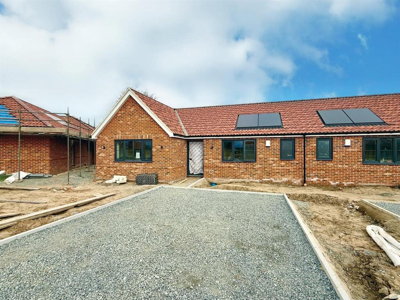
Browse 1 home new builds in Ludham, North Norfolk from local developer agents.
The Ludham property market offers detached, semi-detached, and terraced houses spanning various price ranges and neighbourhoods. Each listing includes detailed property information, photographs, and direct contact with the marketing agent.
£400k
5
0
126
Source: home.co.uk
Showing 5 results for Houses new builds in Ludham, North Norfolk. The median asking price is £400,000.
Source: home.co.uk
Detached
3 listings
Avg £430,000
Semi-Detached
1 listings
Avg £270,000
Terraced
1 listings
Avg £250,000
Source: home.co.uk
Source: home.co.uk
Ludham's property market mirrors the Norfolk Broads, with detached homes making up 51.5% of the housing stock according to census data. Semi-detached properties account for 24% of homes, terraced properties for 13.7%, and flats or maisonettes make up the remaining 10.8%. For buyers, that means a strong choice of larger family homes with gardens, although the village also has smaller homes for those after something more compact or a buy-to-let. The dominance of detached houses reflects both the rural setting and the long history of development that has shaped Ludham over the centuries.
Detached homes currently average £426,875, while semi-detached properties sit at around £275,000 and terraced homes at £280,000. Over the last twelve months, the market has stayed steady, with terraced properties edging up by 1.8%, while detached and semi-detached homes recorded slight falls of 1.9% and 1.8% respectively. Those figures point to a balanced market for buyers and sellers alike, without the sharp overheating seen in cities. There are no verified new-build schemes within the immediate postcode area, so most homes for sale are established properties with history and character.
For anyone buying in Ludham, a clear read on local values makes it easier to set expectations and spot the better opportunities. Detached homes along Church Road and close to St Catherine's Church tend to command higher prices because of their larger plots and period features, while homes needing updating can offer better value for those prepared to take on work. Stock is limited, so attractive properties can move quickly, which is why we would suggest registering with several local agents who know Broadland village markets well.

Ludham's homes still show the traditional building methods of the Norfolk Broads, with red brick walls and pantile or slate roofs common across the village. A sizeable share of the housing stock is likely over fifty years old, so buyers should expect the familiar quirks of period property. Our inspectors often come across damp in homes near waterways, where higher moisture levels in the ground and air make penetrating damp and condensation more likely. Timber defects, including rot and woodworm, can affect structural elements and joinery, especially where maintenance has been put off. Older homes also often have electrical systems that need updating to meet current safety standards, and we always recommend our electricians check consumer units and wiring before purchase.
There is also the question of ground conditions. Ludham sits on Quaternary deposits over chalk bedrock, with sands, gravels, silts, and clays creating variable foundations beneath the village. Where clay is more prominent, shrink-swell movement can cause problems for foundations, particularly in periods of drought or heavy rainfall. Our surveyors look closely for signs of subsidence or heave in properties built on clay soils, checking cracking, sticking doors and windows, and any change in ground level close to the foundations. Mining is not a concern here, but age and uneven ground conditions mean a proper foundation assessment should be part of any thorough survey on a Ludham property.
Flood risk needs careful thought before buying in Ludham. The village lies within the Norfolk Broads system, with the River Thurne and the surrounding waterways giving the area its character, but also its flooding potential. River flooding and surface water flooding are real risks, particularly for homes with river frontage or in low-lying spots. Insurance should be confirmed before completion, and flood resilience measures such as non-return valves and flood-resistant materials may be worth looking into for vulnerable properties. Homes in Conservation Areas, and listed buildings, may also face planning restrictions on alterations and could need specialist surveys to assess both condition and historical importance.
Ludham has around 1,374 residents across 627 households, so it remains a close-knit place where neighbours know one another and local events bring people together through the year. The village lies within the Norfolk Broads National Park, an area of national importance for its waterways, wetlands, and wildlife habitats. Residents have access to the River Thurne and the nearby broads, where boating, fishing, and birdwatching are part of everyday life for many households. In the centre, the village still has its historic feel, with traditional brick buildings, thatched cottages, and period homes shaped by centuries of continuous habitation. Ludham Hall and St Catherine's Church are among the notable historic buildings, adding to the architectural heritage that makes the village stand out.
The local economy is shaped by tourism, agriculture, and services, with small businesses serving both residents and the visitors who come to explore the Broads year-round. Everyday needs are covered by a village shop, a pub, and local services, while the wider area offers farmers markets, craft shops, and restaurants that showcase Norfolk's food and drink. Community life is active, with summer fairs, waterside gatherings, and seasonal celebrations drawing on the area's maritime past and rural traditions. For families and individuals looking for a slower pace without complete isolation, Ludham strikes a useful balance between community spirit and access to cultural amenities.
Visitor numbers across the Norfolk Broads stay strong throughout the year, which supports local businesses and creates opportunities for property owners. Holiday lets and bed and breakfasts cater for people exploring the waterways, while marinas and boatyards provide work and services for the boating community. That activity helps underpin property values in the village, because local services stay viable and the community remains lively even in quieter months.

Families moving to Ludham will find primary schooling in the village itself or in nearby communities, with several primary schools serving the wider Broads area. The nearest options include schools in neighbouring villages such as Horning, Wroxham, and Stalham, all reachable by car or school transport. In a rural area, catchment areas can be larger than in town, so prospective buyers should check which school a property falls within before they commit. Norfolk has a mix of community primary schools and schools with religious affiliations, giving parents a range of choices to suit their preferences.
Secondary education is available in nearby market towns, while some families travel into Norwich for specialist subjects or different curricula. The closest secondary schools are usually in Wroxham, Acle, or North Walsham, all accessible via the A47 corridor that links Ludham to the wider region. For selective education, Norwich grammar schools offer options for academically able pupils, with bus services running from surrounding villages. Independent schools in Norwich and across Norfolk provide another route, although that usually means longer journeys and significant fees.
Norwich is within reach via the A47 trunk road, so Ludham families have access to A-levels, vocational courses, and university study without necessarily moving into the city. Norwich University of the Arts and the University of East Anglia provide higher education, while City College Norwich and East Coast College offer vocational qualifications across a wide range of disciplines. For younger children, early years settings in Ludham and nearby villages support childcare and early education for working parents in the rural community. School transport links connect outlying villages to schools in neighbouring towns, although buyers should still build transport into their plans. School quality varies, so checking Ofsted reports for individual schools remains sensible when choosing a home for family relocation.

Ludham sits where country lanes meet the wider Norfolk Broads and nearby communities. The A47 trunk road runs close by, giving direct access to Norwich, around 18 miles to the southwest, and Great Yarmouth, about 12 miles to the east. That connection matters for commuters and for anyone who needs regular access to larger towns for work, shopping, or services. Bus routes do run from the village to nearby market towns, but they are not as frequent as urban services, so most residents still find car ownership practically essential. The nearest bus stop is in the village centre, with services to Wroxham, Stalham, and Great Yarmouth running at different times through the day.
For people working in Norwich, a car journey usually takes 30-40 minutes outside peak hours, although A47 traffic can lengthen that in busy periods. The road is a key route linking Norfolk to the wider network, but sections near Norwich can clog up at rush hour. Many Ludham commuters leave early or travel later in the day to dodge the worst delays. Great Yarmouth is reached in the opposite direction via the A47, with jobs in port operations, tourism, and services, and a normal journey time of about 25 minutes.
Rail links are available in Norwich and Great Yarmouth. Norwich has direct trains to London Liverpool Street, taking around two hours, while Great Yarmouth offers services to Norwich and onward connections to the wider rail network, though London journeys require a change in Norwich. The Broads themselves offer another way to get around for leisure, with hire boats, sailing clubs, and water taxis all serving the tourist season. Cycling also works well in the flat Norfolk landscape, and the quiet lanes and dedicated routes make bikes a practical option for shorter trips. The Weavers' Way long-distance footpath runs through Ludham, linking the village to the coast and giving walkers and cyclists a scenic route. Parking is rarely a problem in the village, as most homes have off-street parking and roadside parking is generally unrestricted.

Start by looking through our property listings so you can see what is available at your budget. With 20 properties selling in the past year, stock changes regularly, so it makes sense to set up alerts with local estate agents who know the Norfolk Broads area well. Viewings need to be booked quickly when homes come on the market, as the more desirable Ludham properties can attract strong interest. Local agents with a presence in Wroxham and Stalham handle homes across the wider Broadland area.
Before you start viewing, get a mortgage agreement in principle from a lender. It puts you in a stronger position when you make an offer and shows sellers that your finance is already lined up. Rates vary, so it pays to compare carefully. Several mortgage brokers work across Norfolk and understand the local market, which can help first-time buyers through the application process. Having finance ready before you view also saves time once you find the right place and want to move fast.
View several properties so you can compare location, condition, and value. Flood risk deserves attention because of Ludham's position in the Broads, and you should think about how close a property is to waterways when it comes to insurance and future resale value. We recommend arranging a RICS Level 2 Survey before purchase, which usually costs between £450-700 depending on the size of the property. That survey picks up defects such as damp, structural movement, and timber issues, all of which are common in older homes across the village.
Once you have found the right home, make a formal offer through the estate agent. Be ready to negotiate on price, especially if the property has been on the market for some time. Your conveyancing solicitor will take care of the legal process, and we can recommend local solicitors who are used to Broadland property transactions. Homes needing work, or those in flood risk areas, may leave room for negotiation, so it is sensible to weigh survey findings into the final discussion.
Your solicitor will carry out searches, including local authority, drainage and water, and environmental searches that are specific to the Norfolk Broads area. Exchange of contracts usually takes place 2-4 weeks after offer acceptance, with completion following soon after. On completion day, you will collect the keys to your new Ludham home and begin settling into village life.
The current average house price in Ludham is £358,698, based on recent sales data. Detached properties average £426,875, semi-detached homes around £275,000, and terraced properties about £280,000. Over the past twelve months, the market has been stable, with modest price movements of around 1-2% across property types, so both buyers and sellers have a fair amount of room to work with. Homes close to the village centre, or those with river frontage and water views, usually attract a premium, while properties needing modernisation may come in below these averages.
Properties in Ludham come under North Norfolk District Council. Most homes in the village fall into council tax bands A through D, with band A the lowest and usually linked to properties of lower value. The exact band depends on the individual valuation, and buyers can check this through the Valuation Office Agency website using the property address. Band D often covers many standard family homes, while larger detached houses or homes with major extensions may sit in higher bands.
Ludham and the surrounding Broadland area have several primary schools serving the local community. The nearest primary school is in a neighbouring village, with catchments usually covering homes within a sensible driving distance. Secondary options include schools in nearby towns such as Wroxham and Acle, and some families travel to Norwich for specialist provision or grammar school places. Norfolk also has grammar school choices, with selective schools in larger towns including Norwich. Parents should check catchment areas and read current Ofsted ratings when choosing a property for family relocation.
Public transport in Ludham includes bus services to nearby market towns and villages, although frequencies are limited compared with urban areas. The bus route to Wroxham and Stalham gives regular links for shopping and services, while longer trips to Norwich or Great Yarmouth need changes or other arrangements. The nearest railway stations are in Great Yarmouth and Norwich, both offering connections to London and regional destinations. For most residents, car ownership is still practically essential for daily commuting and getting to services. The village is also well placed near the A47 for road links to Norwich and Great Yarmouth.
Ludham benefits from its place within the Norfolk Broads National Park, which keeps demand for homes in the area steady throughout the year. The tourism economy supports holiday lets and rental properties, while the relative scarcity of homes coming to market helps maintain values. Anyone thinking about buy-to-let should remember that the village's small population limits long-term rental demand, although visitor numbers do create opportunities for holiday cottage investments. Flood risk and the age of the housing stock need careful assessment before purchase, and we always recommend a full survey to pick up anything that could affect investment returns.
Standard stamp duty rates apply to purchases in Ludham, with 0% duty on properties up to £250,000, 5% on the portion from £250,001 to £925,000, and 10% on the portion from £925,001 to £1.5 million. First-time buyers pay nothing on properties up to £425,000 and 5% on the portion from £425,001 to £625,000. On a typical Ludham property at the average price of £358,698, a first-time buyer would pay no stamp duty, while a buyer who already owns a home would pay about £5,435.
Buying a property in Ludham brings several costs beyond the purchase price itself, with stamp duty land tax being one of the larger extras. For a typical home in Ludham priced at around the average of £358,698, a buyer who already owns property would pay approximately £5,435 in stamp duty under current rates. First-time buyers benefit from higher thresholds and pay nothing on the first £425,000 of a purchase, so most first-time buyers in Ludham would pay zero stamp duty on homes at or below the village average. These figures assume standard residential rates and can change for additional properties or homes with unusual features.
Survey costs should sit in your budget, especially because so many Ludham homes are older. A RICS Level 2 Survey usually costs between £450 and £700 depending on size and value, while larger or more complicated period homes may call for the more detailed RICS Level 3 Survey at a higher cost. Our team can give you a specific quote based on the property you are buying, and we always suggest the Level 2 Survey for properties under 50 years old or those in reasonable condition. For older homes, listed buildings, or properties showing visible defects, the more detailed Level 3 Survey gives extra insight into structural issues and renovation needs.
Conveyancing fees usually start from around £499 for straightforward purchases, and they rise for leasehold homes or properties with complications. Search fees, land registry fees, and telegraphic transfer charges add several hundred pounds to solicitor costs. Searches for Ludham include local authority checks with North Norfolk District Council, drainage and water searches, and environmental searches that look at flood risk and ground conditions. Buildings insurance has to be arranged from exchange, and removals costs vary a great deal depending on distance and volume. Overall, buyers should budget an extra 3-5% of the purchase price to cover these ancillary costs when planning a move to Ludham.

Properties New Builds In London

Properties New Builds In Plymouth

Properties New Builds In Liverpool

Properties New Builds In Glasgow

Properties New Builds In Sheffield

Properties New Builds In Edinburgh

Properties New Builds In Coventry

Properties New Builds In Bradford

Properties New Builds In Manchester

Properties New Builds In Birmingham

Properties New Builds In Bristol

Properties New Builds In Oxford

Properties New Builds In Leicester

Properties New Builds In Newcastle

Properties New Builds In Leeds

Properties New Builds In Southampton

Properties New Builds In Cardiff

Properties New Builds In Nottingham

Properties New Builds In Norwich

Properties New Builds In Brighton

Properties New Builds In Derby

Properties New Builds In Portsmouth

Properties New Builds In Northampton

Properties New Builds In Milton Keynes

Properties New Builds In Bournemouth

Properties New Builds In Bolton

Properties New Builds In Swansea

Properties New Builds In Swindon

Properties New Builds In Peterborough

Properties New Builds In Wolverhampton

Enter your details to see if this property is within your budget.
Loans, cards, car finance
Estimated property budget
Borrowing + deposit
You could borrow between
Typical borrowing
Monthly repayment
Est. at 4.5%
Loan-to-value
This is an estimate only. Your actual budget may vary depending on interest rates, credit history, and personal circumstances. For an accurate affordability assessment, speak to one of our free mortgage advisors.
This calculator provides estimates for illustrative purposes only and does not constitute financial advice. Your home may be repossessed if you do not keep up repayments on your mortgage. Estimates based on 4.5% interest rate, repayment mortgage. Actual rates depend on your circumstances.
Homemove is a trading name of HM Haus Group Ltd (Company No. 13873779, registered in England & Wales). Homemove Mortgages Ltd (Company No. 15947693) is an Appointed Representative of TMG Direct Limited, trading as TMG Mortgage Network, which is authorised and regulated by the Financial Conduct Authority (FRN 786245). Homemove Mortgages Ltd is entered on the FCA Register as an Appointed Representative (FRN 1022429). You can check registrations at NewRegister or by calling 0800 111 6768.

We use cookies to show you personalised content and improve your experience of our website. Find out more in our Privacy policy and Cookie policy.