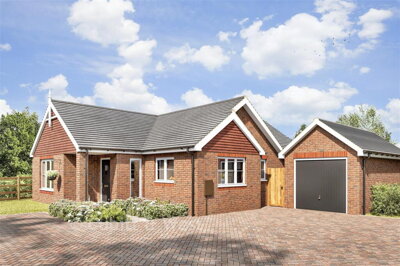
Browse 1 home new builds in Lower Beeding from local developer agents.
The 2 bed house market features detached, semi-detached, and terraced properties with two separate bedrooms plus living spaces. Properties in Lower Beeding range across contemporary developments, with pricing varying across different neighbourhoods.
Lower Beeding’s market has a bit of everything, from period houses to newer, more contemporary homes. Recent sales data puts the average sold price at approximately £531,460 according to homedata.co.uk figures, while home.co.uk records an overall average of £555,912 over the past year. home.co.uk also reports a higher average price paid of £693,000 as of early 2026, which reflects the different ways the data is compiled. Detached family homes dominate the area and averaged £601,250 in recent transactions, semi-detached properties came in at around £613,650, and terraced homes averaged approximately £407,500, a reminder of how scarce that type is in this mainly detached village setting.
Prices have not stayed at the highs seen in 2021. home.co.uk listings data shows sold prices over the last year were 20% down on the previous year and 18% below the 2021 peak of £679,938. home.co.uk also notes a similar fall of 21.4% over the last 12 months. In the RH13 6NH postcode area, values were down by an average of 3.0% since June 2025 alone, although the longer view remains stronger, with a 20.4% rise over the past decade. That pullback may suit buyers who missed the top of the market but still recognise the underlying demand that has supported village values here.
Lower Beeding sees relatively few transactions, which is typical for a village market where fewer homes change hands each year than in urban areas. In the RH13 6NH postcode, only one sale was recorded in the past twelve months, so averages can shift quite sharply when a high-value property completes. The home.co.uk average of £693,000 is likely tied to a run of larger detached homes selling during that period. Even with the recent dip in prices, demand stays firm for village homes with decent commuting links, and that is much of what keeps Lower Beeding in demand.

Life in Lower Beeding still feels firmly rooted in the traditional English village, though modern amenities are not far away. The parish includes several small settlements, among them Plummer's Plain, the official source of the River Ouse, and the historic centre around the parish church of St Mary the Virgin. There are countryside walks, local pubs serving hearty meals, and a sense of community that bigger towns rarely match. Handcross adds useful everyday facilities, including a primary school and village shop, while Horsham is close enough for shopping, restaurants, or a cinema visit.
Housing here reflects the parish’s long history. In the RH13 6NH postcode area, period homes dominate, with many built between 1800 and 1911 in a traditional Sussex style. Older properties often have brick and stone walls under slate or tile roofs, and the earliest homes frequently use timber-frame construction. Several listed buildings in the village call for specialist attention during a purchase, and the Lower Beeding Neighbourhood Plan deals with planning matters that help protect the area’s heritage character. Newer schemes sit alongside the older stock and bring modern comforts without losing the village feel.
The surrounding countryside gives plenty of scope for getting outdoors. Footpaths and bridleways run through farmland and woodland across the parish, and the Ashdown Forest is close by for longer days out. The South Downs National Park is also within easy driving distance. Through the year, church fetes and village hall events help keep the community identity strong, and the village pub, with food on the menu, remains an important social anchor during the week.

For families, Lower Beeding has practical schooling options nearby. Handcross Primary School takes children from Lower Beeding and the wider parish, and it is known locally for strong community involvement and good academic results. Many homes are within cycling distance, which is handy for parents keen to avoid school-run traffic. In the wider Horsham district there are several other primary schools too, so some families look further afield for a particular teaching style or smaller class sizes.
Secondary schooling usually points families towards Horsham, where the wider district includes both state and independent choices. Millais School and Tanfield School are among the state secondaries serving the area, each with its own admissions criteria and catchment area that can reach Lower Beeding properties. Crawley and Brighton widen the picture further, with access to a number of well-regarded independent schools for both primary and secondary age groups. It pays to check catchment areas and admissions rules carefully, because they can make a real difference to school places for homes in and around Lower Beeding.
Private education is well represented across West Sussex, with several established independent schools within a sensible travelling distance. The choices range from smaller preparatory schools for primary-age children to secondary schools with strong academic results and broad extracurricular programmes. Gatwick Airport nearby also means some families look at international schooling options or boarding for older children. Popular schools can fill quickly, so early registration is sensible, especially in desirable village locations such as Lower Beeding where catchments can be competitive.

Lower Beeding’s transport links give reasonable access to major employment centres while preserving the advantages of rural living. Horsham is close by, and rail services from there run regularly to London Victoria, usually taking around an hour. Horsham station has parking, which makes it practical for commuters who would rather drive to the station than rely on buses. Brighton is also straightforward to reach, with the A23 offering a direct route and journey times of around 40 minutes outside peak hours.
For people commuting to Crawley, Brighton, or Gatwick Airport, the village strikes a sensible balance between home life and work access. Gatwick itself is generally reachable in approximately 30 minutes by car, which suits frequent flyers and anyone working in aviation or logistics. Being within the Gatwick Diamond economic corridor opens up jobs across a wide area, from professional services in Crawley town centre to the airport-related employment around Gatwick. Some residents also drive to nearby stations with faster London services, including those on the Brighton Main Line.
Public transport is limited, but it does connect Lower Beeding with nearby villages and Horsham town centre. The 23 bus route serves the village, linking through to Handcross and then on to Horsham, where other connections are available. Cycling is also part of local life, with country lanes popular with both leisure riders and some commuters. Many villagers mix active travel with public transport for longer journeys, using the rural setting for exercise while still keeping access to urban employment centres.

Take a look at current listings and recent sales data to get a feel for this village market. The home.co.uk and homedata.co.uk data, showing average prices around £531,000 to £555,000, is a useful starting point, although individual homes vary a lot depending on size, condition, and whether they have period character. home.co.uk also reports higher averages of around £693,000 for recent transactions, which reflects the larger detached homes that completed during that period.
Before you start viewing, it is wise to arrange a mortgage Agreement in Principle with a lender. That puts you in a stronger position when you make an offer and shows sellers that finance is already in place. Our mortgage comparison service can help you find competitive rates for properties in this price range. In a slower-moving village market, having the paperwork ready matters, because it helps keep negotiations moving without unnecessary delay.
Arrange to see the properties that fit your brief in person. For period homes in Lower Beeding, pay close attention to the construction type, any likely renovation work, and signs of damp in older houses built between 1800 and 1911. The village feel, and even the exact setting within the parish, can differ quite a bit between places such as Plummer's Plain and the historic centre. Newer homes at developments like The Gallops on Sandygate Lane bring different considerations, including warranty cover and modern specification.
Once an offer has been accepted, we would advise arranging a RICS Level 2 HomeBuyer Report before you go any further. That survey looks for structural issues, damp, and other matters that matter most in period properties with traditional construction. Homes in conservation areas or listed buildings may need extra specialist surveys as well. Our team carries out thorough inspections across the Lower Beeding area, with a close eye on issues linked to local building methods.
Appoint a solicitor to deal with the legal side of the purchase, including searches specific to Lower Beeding and the Horsham district. They will check planning permissions, drainage arrangements, and any restrictions arising from the Neighbourhood Plan that affect the property. For rural homes, extra checks may also be needed on rights of way, drainage, and any agricultural restrictions.
When all searches come back satisfactorily and your mortgage is finalised, contracts are exchanged and a completion date is agreed. On completion day, the balance of the funds is transferred and the keys to your new Lower Beeding home are handed over. Because the village market has relatively low transaction volume, the process can take longer than in urban areas, as both sides adjust to the slower pace of village sales.
There are a few area-specific points to keep in mind when buying in Lower Beeding. Some properties in the parish are listed, so they carry listed building status and may need consent for alterations, along with specialist surveys that go beyond a standard RICS Level 2 report. It is sensible to check whether the property is listed, which grade applies, and what restrictions that brings for future changes or improvements. Buyers and their solicitors should also review the Lower Beeding Neighbourhood Plan before committing to a purchase, as it sets out planning guidance for the area.
The rural setting brings flood risk and drainage into the picture in a way that is different from many urban purchases. Lower Beeding is known as the source of the River Ouse at Plummer's Plain, and the village sits within the wider catchment of that waterway. Exact flood zone designations for each property need to be checked on official Environment Agency maps and against local drainage records. Poor drainage can also lead to damp in older homes, which is why a detailed survey matters so much here. Local searches should also pick up any historical drainage issues or flood events linked to individual properties.
Properties built between 1800 and 1911 come with the usual period-house considerations. Brick and stone walls can show movement or wear after more than a century of occupation. Timber-framed parts need careful inspection for woodworm or rot, and slate and tile roofs on older homes may need replacing in the years ahead. The upkeep of a period property to traditional standards should sit in your budget, along with the premium that original features and character can command on the open market.

Depending on which data source you use, property prices in Lower Beeding sit between £531,460 and £555,912, while home.co.uk puts recent transactions at £693,000. Detached homes average around £601,250 and terraced homes around £407,500. The market has also corrected from the 2021 peak of approximately £679,938, with prices down 20% to 21% over the past year. Even so, the long-term picture remains positive, with prices up 20.4% over the last decade in the RH13 6NH postcode area.
Council tax bands in Lower Beeding follow the Horsham District Council schedule, with homes placed in bands A through H according to their 1991 valuation. Most detached family houses in the village sit in bands D to F, while smaller period cottages and terraced homes are more likely to fall into lower bands. You can verify the exact band through the Valuation Office Agency website using the property address. Newer homes at places like The Gallops on Sandygate Lane will have been assessed under current rules.
Handcross Primary School is the main primary option for younger children from the parish. For secondary education, families normally look to schools in Horsham, including Millais School and Tanfield School. The wider area offers a mix of state and independent schools, and it is important to check catchment areas and admissions criteria for the exact address you are considering. Some families also travel to Crawley or Brighton for a specific school place.
The 23 bus route links Lower Beeding with Horsham and neighbouring villages, which gives useful access for residents without a car. From Horsham station, rail services run regularly to London Victoria in around an hour. The A23 provides road access to Brighton and London, while Gatwick Airport is usually reachable within approximately 30 minutes by car. Some residents also drive to nearby stations with faster services to London if they want a shorter journey time.
Lower Beeding has several features that appeal to property investors. Its position within the Gatwick Diamond corridor keeps demand steady from commuters who want a rural lifestyle with workable connections. Village homes tend to carry a premium, and the limited supply of new stock supports values over the long term. The recent price correction from the 2021 highs may offer openings for longer-term investors, although the market is slower than urban areas and usually sees lower transaction volumes. Listed buildings and the Neighbourhood Plan also help preserve the character that draws in buyers again and again.
Standard SDLT rates apply to purchases in Lower Beeding, with 0% on the first £250,000, 5% on £250,001 to £925,000, and 10% on £925,001 to £1.5 million. First-time buyers purchasing up to £625,000 can claim relief, which gives 0% up to £425,000 and then 5% on the remainder. At current average prices in Lower Beeding, around £531,000 to £555,000, a typical first-time buyer would pay approximately £5,300 to £5,600 in SDLT after relief. Homes priced above £925,000 move into the higher 10% rate on the portion above that threshold.
The Gallops development on Sandygate Lane includes 22 new homes, with 2, 3, and 4-bedroom houses and bungalows. Devine Homes Plc is behind the scheme, and prices start from approximately £575,000 for a 3-bedroom detached house, rising to £730,000-£770,000 for the larger 4-bedroom options. The homes come with contemporary specifications, including PV solar panels, air source heat pumps providing underfloor heating, fully integrated appliances, and EV charging points, and all are backed by 10-year NHBC warranties. Saxon Weald is working with Devine Homes to provide eight affordable homes in the development, including shared ownership options.
Period homes in Lower Beeding, most of them built between 1800 and 1911, need careful inspection of their traditional construction. Check brick and stone walls for damp, look closely at timber frame condition in older properties, and review the state of slate and tile roofs. Several homes in the parish are listed, so alterations need consent. Drainage in rural properties can differ from urban standards, and because the village is the source of the River Ouse, flood risk assessments are sensible. A proper RICS survey is essential before you commit.
The Lower Beeding Neighbourhood Plan sets out planning guidance for the parish, covering everything from heritage protection to development boundaries. We recommend that buyers go through the plan with their solicitor, because it may affect what alterations or extensions are allowed on a property. It is designed to protect the village character that draws people to Lower Beeding in the first place, so the restrictions often mirror the very qualities that make the area appealing. Knowing those limits before you buy helps avoid disappointment if renovations or extensions are part of your plans.
Competitive mortgage rates for Lower Beeding properties
From 4.5%
Expert legal services for your property purchase
From £499
Thorough inspection for Lower Beeding homes
From £350
Energy performance certificates for all properties
From £60
It helps to understand the full cost of buying in Lower Beeding before you make an offer. On a typical property priced at the current average of around £531,000 to £555,000, Stamp Duty Land Tax would be approximately £14,050 to £15,250 for a second home or investment purchase, calculated at 5% on the portion between £250,001 and the purchase price. First-time buyers using relief would pay approximately £5,300 to £5,600, since the first £425,000 is exempt at 0% before the 5% rate applies up to £625,000. Homes above £925,000 face the 10% rate on the portion between £925,001 and £1.5 million, which makes the higher-value detached houses in the village much more expensive in SDLT terms.
There are other costs to budget for as well, starting with survey fees. A RICS Level 2 HomeBuyer Report begins from approximately £350 for a modest property, though larger family homes in Lower Beeding are likely to cost more. For period properties, a fuller RICS Level 3 Building Survey may make more sense because of the age and construction of many village homes. Conveyancing fees usually start from around £499 for standard transactions, but they can rise where there are complications such as listed building status, agricultural restrictions, or drainage arrangements linked to rural properties. Mortgage arrangement fees vary from lender to lender, commonly sitting between £500 to £2,000, and some lenders offer cashback deals that help offset the upfront cost.
Land Registry fees, local authority searches, including those specific to the Horsham district, and the cost of moving all need to be folded into the overall budget. For new build homes such as those at The Gallops development on Sandygate Lane, there are extra considerations too, although the NHBC warranty is typically included as standard by reputable developers. Some buyers of new homes also set aside money for snagging inspections, which help spot defects in the early months of ownership. A contingency fund of around 5% of the purchase price is sensible, because unexpected costs can crop up with any property purchase in the village market.

Properties New Builds In London

Properties New Builds In Plymouth

Properties New Builds In Liverpool

Properties New Builds In Glasgow

Properties New Builds In Sheffield

Properties New Builds In Edinburgh

Properties New Builds In Coventry

Properties New Builds In Bradford

Properties New Builds In Manchester

Properties New Builds In Birmingham

Properties New Builds In Bristol

Properties New Builds In Oxford

Properties New Builds In Leicester

Properties New Builds In Newcastle

Properties New Builds In Leeds

Properties New Builds In Southampton

Properties New Builds In Cardiff

Properties New Builds In Nottingham

Properties New Builds In Norwich

Properties New Builds In Brighton

Properties New Builds In Derby

Properties New Builds In Portsmouth

Properties New Builds In Northampton

Properties New Builds In Milton Keynes

Properties New Builds In Bournemouth

Properties New Builds In Bolton

Properties New Builds In Swansea

Properties New Builds In Swindon

Properties New Builds In Peterborough

Properties New Builds In Wolverhampton

Enter your details to see if this property is within your budget.
Loans, cards, car finance
Estimated property budget
Borrowing + deposit
You could borrow between
Typical borrowing
Monthly repayment
Est. at 4.5%
Loan-to-value
This is an estimate only. Your actual budget may vary depending on interest rates, credit history, and personal circumstances. For an accurate affordability assessment, speak to one of our free mortgage advisors.
This calculator provides estimates for illustrative purposes only and does not constitute financial advice. Your home may be repossessed if you do not keep up repayments on your mortgage. Estimates based on 4.5% interest rate, repayment mortgage. Actual rates depend on your circumstances.
Homemove is a trading name of HM Haus Group Ltd (Company No. 13873779, registered in England & Wales). Homemove Mortgages Ltd (Company No. 15947693) is an Appointed Representative of TMG Direct Limited, trading as TMG Mortgage Network, which is authorised and regulated by the Financial Conduct Authority (FRN 786245). Homemove Mortgages Ltd is entered on the FCA Register as an Appointed Representative (FRN 1022429). You can check registrations at NewRegister or by calling 0800 111 6768.

We use cookies to show you personalised content and improve your experience of our website. Find out more in our Privacy policy and Cookie policy.