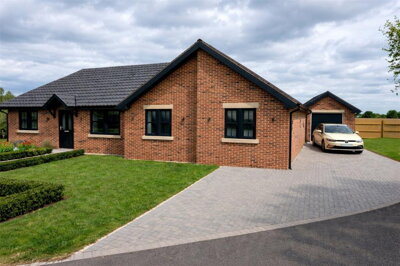
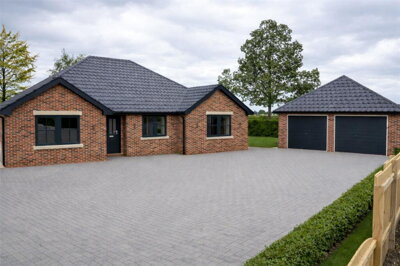
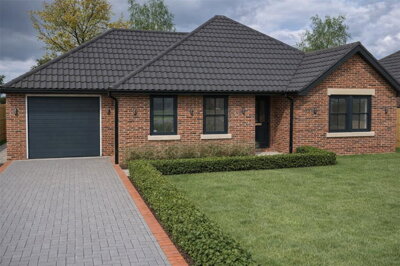
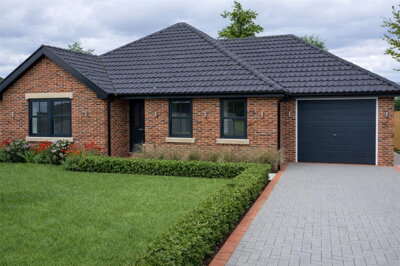
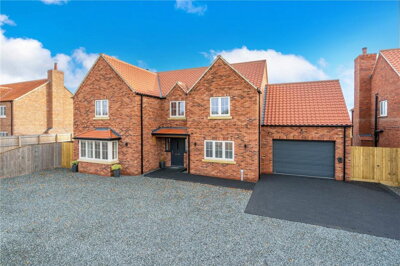
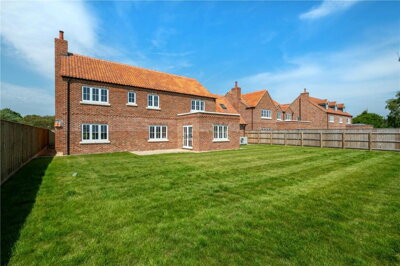
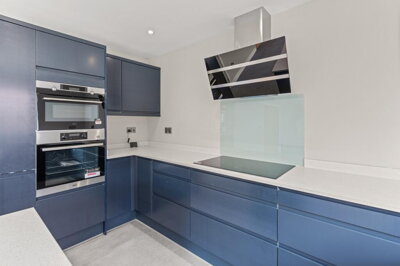
Browse 7 homes new builds in Little Hale from local developer agents.
The Little Hale property market offers detached, semi-detached, and terraced houses spanning various price ranges and neighbourhoods. Each listing includes detailed property information, photographs, and direct contact with the marketing agent.
Little Hale property values have cooled over the past year, with average sold prices down approximately 19% on the previous year. That correction has pulled prices closer to more grounded market levels after the 2022 high, when the average property price reached £361,782. For buyers, this opens a window to get involved at more accessible price points and with less competition for available homes. The current average of £417,575 marks a clear shift, and it tends to suit those with finances ready and mortgage agreements already lined up.
Detached homes command the top figures in Little Hale, averaging £380,167 from recent sales data. These larger family houses usually bring multiple bedrooms, private gardens and the sort of space many buyers want after moving out of urban areas. Semi-detached properties average £319,975, a practical middle ground for families or couples looking to move up from terraced accommodation. Terraced homes in the village average £319,975 as well, which keeps them as an accessible route into the Little Hale market for first-time buyers or investors looking at rural rentals.
New build supply is thin in the Little Hale postcode area, with no active developments identified at the time of research. In practice, that leaves buyers looking mainly at the existing stock, where ages and condition vary quite a bit. Homes in rural Lincolnshire villages like Little Hale often use traditional brick construction, in line with regional building practice. The housing supply is finite, so properties in good condition tend to draw steady interest from buyers after village life without the premiums seen in larger market towns.

Open farmland, quiet lanes and a strong sense of community give Little Hale its rural village feel. Administratively, it falls within North Kesteven District Council, in the ceremonial county of Lincolnshire. The village hall is a focal point for events and gatherings across the year, while the parish church gives the settlement both a spiritual centre and a historic landmark. Around it all sits agricultural land, with arable farming shaping the local economy and the wider landscape.
Set among a cluster of villages in the North Kesteven area, Little Hale benefits from nearby settlements that add amenities and social facilities. Residents get countryside calm, yet larger towns are still within reasonable driving distance. Life here moves at a gentler pace, which suits families, retirees and anyone wanting to step away from urban congestion. Flat Lincolnshire lanes make walking and cycling practical, while footpaths cross farmland and link to neighbouring communities. Clean air and broad skies do the rest.
Amenities in Little Hale are modest, but they do the job. The village church meets spiritual needs, and the village hall hosts community activities, classes and private functions. For bigger shopping, dining and entertainment, residents head to nearby market towns with supermarkets, independent retailers, restaurants and leisure facilities. Tight-knit village communities mean new residents are usually welcomed warmly, with village events and local initiatives offering a quick route into local social life.

For families moving to Little Hale, most educational provision sits in nearby towns and larger villages within a sensible commute. The village falls within catchment areas for primary schools in the surrounding area, with several options for families with young children. In rural Lincolnshire, primary schooling often means travelling to a nearby settlement, which is simply part of village life and something parents soon factor in. Local primary schools often cover several villages too, so there are established transport routes and school bus services for daily attendance.
Secondary education around Little Hale is provided by schools in nearby market towns, reached by school transport or by car. Lincolnshire keeps a selective system, with grammar schools available in some areas and admission tied to the 11-plus entrance examination. Families should check catchment areas and admission arrangements before buying, as residential address can shape which schools children attend. The nearest secondary schools usually offer GCSE and A-level courses, and sixth form provision allows students to stay local before moving on to higher education or work.
Further education in Lincolnshire is centred on Lincoln and the larger towns, where colleges and training providers serve post-16 students. Young people from Little Hale who move into further education normally travel to those centres, weighing up the benefits of village life against the practical needs of study and career plans. Parents should factor school transport into their thinking, because rural education often involves some travel time. We would also check Ofsted reports and speak with local education authorities, since school performance can feed through into property values and local demand.

Road links do most of the work here. Little Hale sits in a rural setting reached by country lanes that connect into the wider road network, while the A15 and A17 trunk roads serve the broader Lincolnshire area and provide routes to Lincoln, market towns and the national motorway network. Sleaford nearby offers the retail, services and transport links residents use for shopping and commuting. Flat ground means cycling is realistic for shorter trips, though private vehicles still handle most day-to-day travel.
Bus services in villages like Little Hale are limited compared with urban areas, but they do provide infrequent yet useful links to neighbouring towns and villages. Routes to Sleaford, Heckington and other local centres give residents without cars a way to reach supermarkets, medical services and other essentials. Rail access is available at nearby stations, with services towards Lincoln, Peterborough and Nottingham. For most people commuting to larger urban centres, driving remains the norm, helped by the relatively uncongested roads of rural Lincolnshire.
Working in Lincoln is manageable from Little Hale, with the A15 providing the route and journey times changing with traffic and the part of the city being travelled to. Agriculture, food processing and logistics all play a major role in the wider Lincolnshire economy, and major employers sit within a reasonable commute of the village. That gives Little Hale a useful balance of rural peace and access to regional jobs. For air travel, East Midlands Airport and Robin Hood Airport Doncaster Sheffield are both within reasonable driving distance for frequent flyers.

For buyers looking at the Lincolnshire market, Little Hale offers a timely entry point now that prices have eased from the 2022 peak. The average sold price of £417,575 puts the village within reach of people who may find similar homes in larger towns much pricier. Detached houses averaging £380,167 bring the space and privacy that urban stock rarely matches at similar money, so families looking for room to grow can still find rural village living without the town and city premium.
Tired of urban congestion, noise and the pressure that often comes with city living? That is where Little Hale tends to appeal. Clean air, open countryside and local connections shape everyday life, and residents often talk about the safety of the village for children as well as the speed with which they feel part of the community. Walking routes across farmland, the seasonal changes in the agricultural landscape and the unhurried pace of rural Lincolnshire all feed into a way of life that keeps drawing buyers out from urban areas.
Rural villages such as Little Hale behave differently from urban markets from an investment point of view. Capital growth can be slower than in high-demand city areas, but the relative affordability against towns and cities can make these homes attractive to first-time buyers and families building equity over time. With no new build supply in the village, existing properties hold their value within a market that offers few alternatives. For long-term buyers, Little Hale provides a steady setting and the character that makes village life appealing.

Spend time in the village before committing to a purchase in Little Hale, and do it at different times of day and across the week so we can judge the atmosphere, noise levels and local rhythm properly. Look at nearby amenities in surrounding towns, talk to residents about life there, and use the Homemove platform to check property prices for realistic values. That mix of local observation, housing condition and an understanding of rural living helps buyers choose with their lifestyle in mind.
Before any viewings begin, we suggest speaking to lenders or mortgage brokers and getting an agreement in principle. It sets out how much can be borrowed and shows sellers that the buyer is serious and financially ready. With average prices at £417,575, most purchasers will need mortgage finance, so this step matters. Having funding arranged early also puts a buyer in a stronger position against others who still need time to sort their borrowing.
Use the Homemove platform to see all available properties in Little Hale and book viewings with listing agents. We would note the condition of each home, ask how old the roof and boiler are, and take photographs so the options can be compared later. Stock is limited in rural villages, so properties that fit the brief may need a quick decision. Seeing several homes side by side makes it easier to judge what real value looks like in the current market.
Once an offer is accepted, instruct a qualified surveyor to carry out a RICS Level 2 Survey on the property. This inspection can pick up structural issues, defects and maintenance concerns that are easy to miss at a viewing. For the older homes common in rural Lincolnshire, it gives essential protection and room to negotiate if needed. The survey fee is only a small slice of the purchase price, yet it can uncover work worth thousands.
Appoint a solicitor who knows Lincolnshire property transactions to deal with the legal work, searches and contract exchange. They will carry out local authority searches through North Kesteven District Council, check the title deeds and handle the transfer of ownership. Efficient conveyancing can prevent delays, which matter even more in a rural market where speed can work in a buyer's favour.
Once the searches come back satisfactorily and the finances are confirmed, the solicitor will arrange contract exchange with the seller's legal team. At that point a deposit, usually 10% of the purchase price, becomes due. Completion follows soon after, ownership changes hands and the keys are passed over, so the Little Hale home becomes the buyer's.
Rural properties often need more upkeep than newer urban homes, so buyers in Little Hale should look closely at construction and condition. Traditional Lincolnshire homes usually have brick external walls, sometimes with render, and may still carry original features such as fireplaces, timber beams and period joinery. Those details add character, but they can also point to age and maintenance needs. Knowing the age of the property, the state of the roof and the condition of the plumbing and electrical systems makes budgeting much easier after purchase.
Flood risk in Little Hale needs a proper check, even though specific flood risk data for the village was not detailed in the available research. Low-lying parts of Lincolnshire can be prone to flooding from watercourses or surface water, especially after heavy rainfall. Buyers should ask about any history of flooding, review Environment Agency flood maps and, where relevant, look at flood resilience measures. Insurance can cost more for homes in flood-risk areas, so that should sit in the budget too.
Rural planning rules can limit what owners do with a property, so prospective buyers ought to look for any conservation area designations or planning policies that apply to Little Hale. Homes close to agricultural land may also be affected by noise and traffic linked to farming, which is a normal part of rural life rather than a nuisance. Boundaries, access rights and shared facilities should be clear before purchase. Energy performance certificates are also worth checking, because older homes can have higher running costs if insulation and heating efficiency are weak.

The average sold price in Little Hale over the past year was £417,575 according to available market data. That is down by approximately 19% on the previous year and sits 20% below the 2022 peak of £361,782. Detached properties average £380,167, semi-detached homes average £319,975, and terraced properties average £319,975. Those figures reflect the North Kesteven village market, where homes often give more space than urban equivalents at comparable price points. The price correction has brought Little Hale within reach of more buyers, especially those after detached family homes with gardens and rural character.
Properties in Little Hale fall under North Kesteven District Council for council tax. The exact band depends on the valuation band assigned by the Valuation Office Agency. Band A carries the lowest charges, while Band H sits at the top of the scale and pays much more. Buyers should check the band for any property under consideration, because council tax is an ongoing annual cost that forms part of the overall price of homeownership in the village. North Kesteven District Council sets the rates each year, and current bands and charges can be checked through the council website or the property listing details.
Little Hale itself is a small village without schools on site, so families usually use primary schools in nearby villages and towns across the North Kesteven area. Several primaries in surrounding villages serve the local catchment, with school transport set up for families living in places like Little Hale. Secondary schools sit in nearby market towns and can be reached by school transport or by car, and some of them offer selective grammar school places subject to the 11-plus examination. Families should also look at Ofsted ratings, catchment areas and admission policies before they buy.
Public transport in Little Hale is limited, which reflects both the rural nature of the village and the wider pattern of Lincolnshire settlements. Bus services offer occasional links to neighbouring towns and villages, though frequencies are lower than in urban areas. Routes usually connect to Sleaford, Heckington and other local centres, giving access to supermarkets, medical services and other essentials. Rail services can be reached at nearby stations, with trains to Lincoln, Peterborough and Nottingham. Most residents still use private cars for day-to-day travel, with the village's position giving easy access to the A15 and A17 roads that serve the wider region.
Little Hale has the kind of investment profile common in rural Lincolnshire villages, with relatively affordable prices compared with urban areas and the appeal of countryside living for buyers priced out of larger towns. The recent price correction, with values down 19% on the previous year, could open the door for investors looking to buy at a lower point. Rental demand in the rural sector is usually driven by local workers and families who prefer village life, although it is often less intense than in towns with stronger employment concentration. As with any investment, rental yields, void periods and maintenance costs all need a careful look before a purchase is made.
Stamp duty land tax applies to property purchases in England, including homes in Little Hale, North Kesteven. Standard rates begin at 0% on the first £250,000 of property value, then rise to 5% on the portion between £250,001 and £925,000. On a property at the Little Hale average price of £417,575, the buyer would pay nothing on the first £250,000 and 5% on the remaining £167,575, which comes to approximately £8,379. First-time buyers purchasing homes up to £625,000 may qualify for relief that lifts the nil-rate band to £425,000, potentially cutting or removing stamp duty for eligible purchasers.
Little Hale's property market has the familiar shape of a small rural village, with a limited supply of homes available at any given time. The stock is mostly detached and semi-detached houses built to traditional designs, and turnover is much lower than in urban markets. Chapel Lane and the surrounding streets have seen sales activity, but the overall volume is still modest. Buyers should expect fewer options than in town and may need patience to find the right fit. Setting up alerts on the Homemove platform can help keep track of fresh listings as they appear.
From 4.5% APR
Compare mortgage deals from leading lenders
From £499
Experienced property solicitors for your purchase
From £350
Professional home survey by qualified inspectors
From £80
Energy performance certificate for your new home
Buying in Little Hale involves more than the purchase price. Stamp duty, legal fees, survey costs and other smaller charges all build up across the transaction. The Stamp Duty Land Tax rates for England in 2024-25 are 0% on the first £250,000 of property value, 5% on amounts between £250,001 and £925,000, 10% between £925,001 and £1.5 million, and 12% on any value above £1.5 million. For a typical Little Hale home at the average price of £417,575, standard rates mean stamp duty of approximately £8,379, which is a manageable extra cost in the wider budget.
First-time buyers can get relief that lifts the nil-rate threshold to £425,000, with 5% charged on amounts between £425,001 and £625,000. The relief applies only to people who have never owned property anywhere in the world and who are buying as an individual, not alongside someone who has previously owned property. For a first-time buyer purchasing a £417,575 home in Little Hale, there would be no stamp duty to pay because the full price sits below the £425,000 threshold. That can mean significant savings compared with the standard position and makes entry to the market more achievable.
Extra buying costs include mortgage arrangement fees, which vary by lender and can range from £500 to £2,000 or more depending on the deal chosen. Conveyancing fees for legal work usually sit between £500 and £1,500, depending on complexity and whether there is a mortgage involved. Survey costs for a RICS Level 2 Survey start from around £350 for standard properties, while larger or more complex homes attract higher fees. Local authority searches through North Kesteven District Council and environmental searches add further modest sums. Buyers should budget for a total of approximately 2-3% of the purchase price to cover these extras, which works out at around £8,350 to £12,530 for a property at the Little Hale average price of £417,575.
Properties New Builds In London

Properties New Builds In Plymouth

Properties New Builds In Liverpool

Properties New Builds In Glasgow

Properties New Builds In Sheffield

Properties New Builds In Edinburgh

Properties New Builds In Coventry

Properties New Builds In Bradford

Properties New Builds In Manchester

Properties New Builds In Birmingham

Properties New Builds In Bristol

Properties New Builds In Oxford

Properties New Builds In Leicester

Properties New Builds In Newcastle

Properties New Builds In Leeds

Properties New Builds In Southampton

Properties New Builds In Cardiff

Properties New Builds In Nottingham

Properties New Builds In Norwich

Properties New Builds In Brighton

Properties New Builds In Derby

Properties New Builds In Portsmouth

Properties New Builds In Northampton

Properties New Builds In Milton Keynes

Properties New Builds In Bournemouth

Properties New Builds In Bolton

Properties New Builds In Swansea

Properties New Builds In Swindon

Properties New Builds In Peterborough

Properties New Builds In Wolverhampton

Enter your details to see if this property is within your budget.
Loans, cards, car finance
Estimated property budget
Borrowing + deposit
You could borrow between
Typical borrowing
Monthly repayment
Est. at 4.5%
Loan-to-value
This is an estimate only. Your actual budget may vary depending on interest rates, credit history, and personal circumstances. For an accurate affordability assessment, speak to one of our free mortgage advisors.
This calculator provides estimates for illustrative purposes only and does not constitute financial advice. Your home may be repossessed if you do not keep up repayments on your mortgage. Estimates based on 4.5% interest rate, repayment mortgage. Actual rates depend on your circumstances.
Homemove is a trading name of HM Haus Group Ltd (Company No. 13873779, registered in England & Wales). Homemove Mortgages Ltd (Company No. 15947693) is an Appointed Representative of TMG Direct Limited, trading as TMG Mortgage Network, which is authorised and regulated by the Financial Conduct Authority (FRN 786245). Homemove Mortgages Ltd is entered on the FCA Register as an Appointed Representative (FRN 1022429). You can check registrations at NewRegister or by calling 0800 111 6768.

We use cookies to show you personalised content and improve your experience of our website. Find out more in our Privacy policy and Cookie policy.