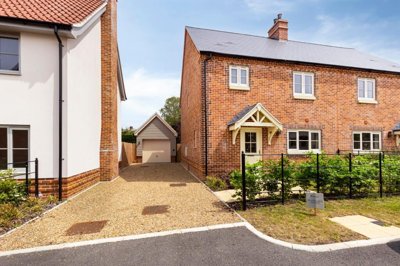
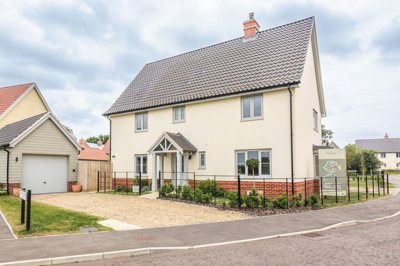
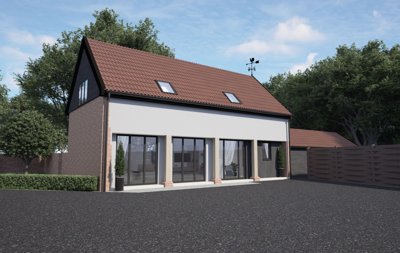
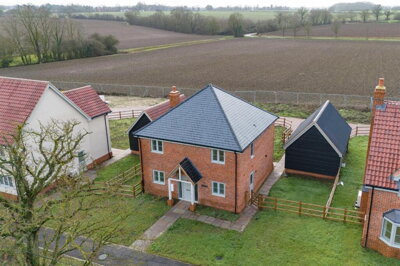
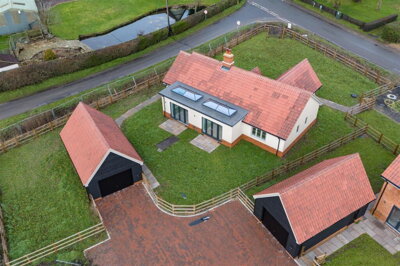
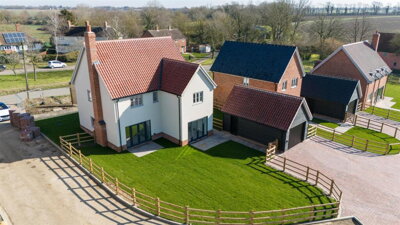
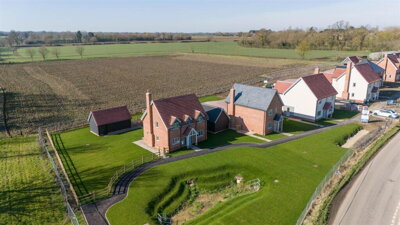
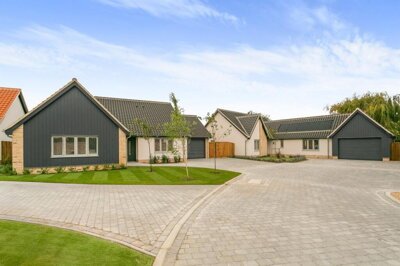
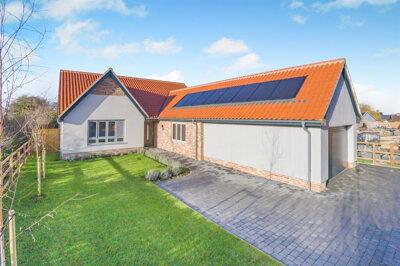
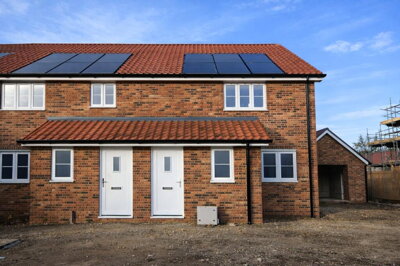
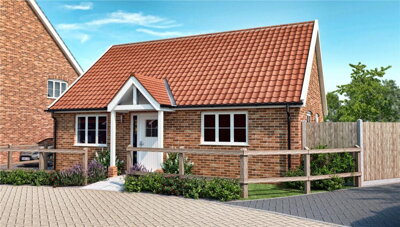
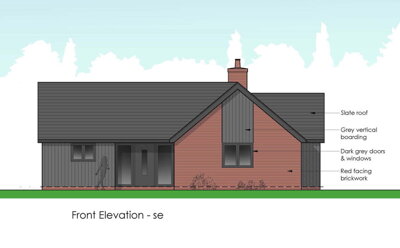
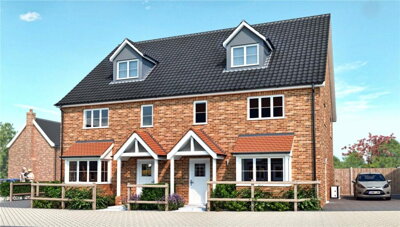
Browse 13 homes new builds in IP23 from local developer agents.
The IP23 property market offers detached, semi-detached, and terraced houses spanning various price ranges and neighbourhoods. Each listing includes detailed property information, photographs, and direct contact with the marketing agent.
£450k
81
2
117
Source: home.co.uk
Showing 81 results for Houses new builds in IP23. 2 new listings added this week. The median asking price is £450,000.
Source: home.co.uk
Detached
59 listings
Avg £586,491
Semi-Detached
14 listings
Avg £281,429
Terraced
8 listings
Avg £253,750
Source: home.co.uk
Source: home.co.uk
The IP23 property market offers a fairly even spread of traditional Suffolk homes and a handful of new-build schemes, giving buyers more choice across the area. Detached properties are the mainstay, taking the bulk of sales over the past year, while semi-detached homes sit in a strong second position at an average price of £417,047. Terraced houses are the most affordable route in, at around £244,800, and that keeps them popular with first-time buyers and people looking to downsize without leaving the area. It is a varied market, so different budgets and styles can usually be matched.
Castleton Grange in Eye is where most of the new-build activity is centred, and it has become a familiar name for buyers in IP23. Prices there range from £230,544 to £501,081, with house types including the Lambridge at £417,047, the Brampton at £417,047, and larger detached homes such as the five-bedroom Hadleigh at £501,081. Some plots are offered through shared ownership, which opens the door to buyers who may not have a large deposit ready. If character matters more than a brand-new finish, Elm Tree Farm has an exclusive collection of barn-style homes with vaulted ceilings and open-plan living spaces that mix rural charm with practical modern living.
Across the wider market, IP23 has posted steady year-on-year growth of 7%, which points to continuing demand in this corner of Suffolk. The average property price of £479,188 sits above the wider East Suffolk average of £284,000 recorded in December 2025, so the postcode carries a clear premium. Semi-detached homes in East Suffolk as a whole have done well too, with a 2.5% annual rise, while flats have moved the other way with a 1.7% decline over the same period.

IP23 covers some of Suffolk's loveliest countryside, with rolling farmland, ancient woodlands and the quieter pace that draws people away from bigger towns and cities. Eye is the principal town, and that description of it as a historic market town is well earned, with roots reaching back centuries. In the centre, much of the original character remains, from independent shops and traditional pubs to the everyday services people need close to hand. Buyers looking for a proper rural setting, rather than a polished weekend bolthole, often find the area appealing.
Village halls, local events and long-standing Suffolk traditions shape much of the community life in IP23. With 7,562 residents, the area is large enough to support local shops and amenities, but still small enough for people to know their neighbours. Weekend markets, country fairs and seasonal celebrations give the calendar some rhythm. Grade II Listed properties, from thatched cottages to unusual historic homes, add a layer of architectural interest and speak to the area's deep history.
For anyone who likes being outdoors, IP23 puts Suffolk countryside on the doorstep, with footpaths, bridleways and cycling routes linking villages and hamlets across the postcode. The River Dove runs through parts of the area too, giving walkers pleasant routes and a chance to spot wildlife. Local pubs also play a big role in daily life, serving food and company in settings that have changed little over generations. The mix of quiet rural living and enough local amenities makes IP23 a good fit for families and for those wanting to step away from urban pressure without losing access to schools, healthcare and shopping.

Families in IP23 can find education provision from nursery age through to further education in nearby towns. The primary schools generally serve their own communities, with reasonable class sizes and close ties to nearby villages, so children often grow up alongside peers from surrounding settlements. That small-scale setting can work well, because teachers are more likely to know pupils and parents over a longer period. It is a very different feel from a larger town school.
Secondary choices within IP23 itself can be limited, so many families travel to schools in places such as Diss, Stowmarket or Bury St Edmunds for wider curriculum options and specialist facilities. Anyone buying here with school-age children should check current catchment areas carefully, since admission policies can shape where children are able to attend. Grammar school places are available within a sensible commuting distance for children who pass the 11-plus examination, which gives selective education without a move to a bigger town.
Older homes make up a substantial share of IP23, and many of them were built before 1930, so the area includes plenty of period properties with character features. They can be very attractive, but older construction often brings maintenance issues that new buyers should understand before they commit. Properties built before 1930 commonly sit in Energy Performance Certificate bands D to G, which suggests there may be scope for improvement works that could raise comfort and cut energy costs. We always advise a full survey before purchase, especially where hidden defects might be lurking.

Diss, just nearby, gives IP23 an important rail link because it sits on the main line between Norwich and London Liverpool Street. From Diss station, the journey to the capital is around 90 minutes, which keeps the postcode workable for some city commuters who still want a rural base. Trains run regularly through the day, so it suits people with occasional meetings as well as those travelling for work several times a week. That connection goes a long way towards broadening the appeal of IP23.
Road links from IP23 reach across Suffolk and beyond, with the A140 acting as the main route north to Norwich and south to Ipswich. Eye offers decent access to those trunk roads, although some of the outlying villages need a bit more driving before you hit a main route. Bus services do operate between villages and towns in the postcode, but the frequency is typical of rural Suffolk and not always ideal for daily commuting. In practice, most households still need at least one car for shopping, school runs and trips to services not available locally.
Quiet country lanes make IP23 attractive to cyclists, with scenic rides between villages, although the hills and dips of Suffolk can be demanding for less experienced riders. National Cycle Route 13 also passes through parts of the area, giving marked options for longer leisure journeys. Parking varies from place to place, with village car parks in smaller communities and more substantial facilities in Eye. Anyone planning a move here should think through the transport side carefully when budgeting, especially if regular rail commuting means driving to a station or travelling to larger employment centres.

It pays to spend time in IP23 before deciding on a purchase. Go back at different times of day and across the week, talk to people who already live there, and think through what rural life means for the daily routine, the commute and access to services. We can arrange viewings across several villages, which helps you compare locations and get a feel for the differences between them.
Get a mortgage agreement in principle in place before you start viewing. It shows estate agents and sellers that you are financially ready, and that can strengthen your hand when you make an offer. With current interest rates, comparing deals across several lenders is sensible if you want the best terms available. We work with mortgage brokers who know the IP23 market and can point you towards suitable products.
Line up viewings for homes that fit your brief, then assess each one with a clear head. Try not to get distracted by staging or fresh decoration, and look closely at the structure, fixtures and fittings instead. A survey is worth considering before you commit, especially on older properties where damp, structural movement or dated electrical systems can appear, all of which are common in the area's pre-1930 housing stock.
Once you have found the right place, put your offer in promptly and set out your financial position clearly. Include your mortgage agreement in principle and any related sale details, so the seller can see that you are serious. We can talk through suitable offer levels based on current market conditions in IP23 and help shape the terms so your interests are protected.
After an offer is accepted, instruct a conveyancing solicitor straightaway to deal with the legal side of the purchase. They will handle searches, contracts and coordination with your mortgage lender, keeping the process moving towards completion. In rural Suffolk, searches may need extra agricultural or environmental checks depending on exactly where the property sits.
When the searches come back satisfactorily and the mortgage offer is in place, you exchange contracts and agree a completion date with the seller. On completion day, the keys are collected from the estate agent and life in your new IP23 home begins. If you need them, we can recommend local tradespeople and service providers to help you get settled.
Homes in IP23 come in a broad spread of ages and construction types, from modern new-builds at Castleton Grange to cottages that are several centuries old. During viewings, it is worth paying close attention to the materials used and any signs of maintenance concerns. Older houses may have traditional features such as heavy timber framing, thatched roofs or solid brick walls, all of which need a different approach from modern cavity-wall construction. Knowing the differences helps with both maintenance planning and future costs before you buy.
Listed buildings are part of the appeal in IP23, with Grade II Listed thatched cottages and other historic homes found across the area. That status brings legal protection, but it also limits alterations and means consent is needed for changes that would otherwise count as permitted development. Anyone considering a listed home should allow for the extra cost and the restrictions that come with keeping a heritage property to the right standard. Insurance can work differently too, and specialist insurers may be needed. Our surveyors have wide experience with historic properties across Suffolk, so they can spot issues that less experienced assessors might miss.
Before you buy, check flood risk information for IP23 through the correct searches, as some properties may face elevated risk because of nearby watercourses. Standard searches will show whether the property is in a flood zone and whether there has been any flooding history. If the risk is higher, insurers may quote more heavily or limit cover, so it is sensible to look at what flood resilience measures are already in place, or could be added. Surface water flooding can also happen outside designated flood zones during intense rainfall, so that deserves attention as well. We recommend a detailed drainage and watercourse assessment as part of the conveyancing process for homes near streams or low-lying land.

The average house price in IP23 currently stands at approximately £479,188 according to home.co.uk listings data, with homedata.co.uk recording similar figures around £413,284. Over the last twelve months, prices have risen by 7%, although they remain approximately 9% below the 2022 peak of £446,671. Detached homes average around £604,195, semi-detached properties fetch approximately £417,047, and terraced houses usually sell for around £244,800. That puts IP23 above the wider East Suffolk average of £284,000, which reflects how sought-after this postcode has become.
Council tax in IP23 follows the Valuation Office Agency system, with bands running from A through H according to property value. You can check the band for an individual home through the government council tax band lookup service, although most residential properties in this rural Suffolk postcode sit in bands A through D. It is worth confirming the band for any specific property you are considering, because it affects yearly running costs and helps with overall move budgeting.
Primary schools in the IP23 postcode area tend to serve their immediate communities, with small class sizes and strong local links. Secondary options usually involve travel to nearby towns such as Diss, Stowmarket or Bury St Edmunds, so families should look closely at current catchment areas and admission rules. Several grammar schools can be reached within a reasonable commute for children who pass the 11-plus selection examination. Always check the latest school performance data and admissions arrangements, as they do change and can have a direct effect on children's education.
Public transport in IP23 reflects the rural setting, with buses linking villages and towns but only at frequencies that suit countryside living. The nearest mainline station is in Diss, and it provides regular services to Norwich and London Liverpool Street, with the trip to the capital taking around 90 minutes. Anyone relying only on public transport may find daily commuting difficult, so most residents still need a car. Even so, the rail link to London keeps IP23 attractive for people who can work from home several days per week.
IP23 has seen steady property price growth of 7% year-on-year, which points to ongoing demand for homes in this part of Suffolk. The average price of £479,188 remains above the wider East Suffolk average of £284,000, so the postcode continues to look desirable. Rental demand comes from local professionals and commuters to larger centres, although the rural setting does mean the tenant pool is smaller than in urban areas. Long-term prospects are helped by the area's appealing lifestyle and improving transport links. Buyers have also kept coming to the new-build homes at Castleton Grange, which says a lot about demand for good-quality housing here.
From April 2025, Stamp Duty Land Tax starts at 0% on the first £250,000 of residential purchases, then moves to 5% on the part between £250,001 and £925,000. Anything between £925,001 and £1.5 million is charged at 10% above that threshold, while 12% applies to any portion above £1.5 million. First-time buyers get greater relief, paying 0% on the first £425,000 and 5% between £425,001 and £625,000, although the relief stops above £625,000. On that basis, a typical IP23 property at £479,188 would attract SDLT of £11,459.40 for standard buyers.
Homes in IP23 that were built before 1930 often use traditional methods such as heavy timber framing, solid brick walls and thatched roofing, which are very different from modern cavity-wall construction. Those materials need specific maintenance and proper understanding if they are to be assessed correctly. We recommend a thorough survey for any pre-war property, because damp penetration, roof deterioration, outdated electrical systems and structural movement are all common problems. Attractive original features can also hide defects beneath the surface.
Shared ownership is available in IP23, especially at Castleton Grange in Eye where some plots are offered on that basis. Under this arrangement, buyers purchase a share of the property, typically between 25% and 75%, and pay reduced rent on the remaining portion. For people without a large deposit, that can make homeownership much more reachable. Eligibility rules apply and are usually tied to household income and first-time buyer status. We can talk through the available shared ownership homes and help you judge whether the route suits your circumstances.
Buying in IP23 brings costs beyond the headline sale price, and stamp duty land tax is usually one of the biggest extra outlays. Using current 2025-26 rates, a property priced at the IP23 average of £479,188 would attract SDLT of £11,459.40, worked out as 0% on the first £250,000 and 5% on the remaining £229,188. First-time buyers would pay much less under the current relief, bringing the cost down to approximately £2,709 if they bought at the current average of £479,188.
There are other sums to budget for as well. Solicitor conveyancing fees usually fall somewhere between £499 and around £1,500, depending on the complexity of the matter and the value of the property. Search fees for local authority, drainage and environmental checks generally come to between £250 and £400, although the rural nature of IP23 can mean extra specialist searches are needed depending on the property's location and past use. Mortgage arrangement fees vary widely between lenders, from free valuations to charges of 1-2% of the loan amount, so it is worth comparing them closely when choosing a mortgage. Removal costs, decorator fees and any immediate repairs should also be included in the budget.
A RICS Level 2 survey costs about £455 on average nationally, though the price for a particular property in IP23 will depend on size, type and location. It is a worthwhile spend for older homes in the postcode, where pre-1930 construction can hide damp, structural movement or dated electrical systems. Fees rise for larger or more complex properties, and detached houses averaging around £604,195 may attract survey charges between £600 and £900. For the sake of a modest outlay, a proper survey can save thousands by flagging problems before completion, which makes it money well spent on almost any IP23 purchase.

Properties New Builds In London

Properties New Builds In Plymouth

Properties New Builds In Liverpool

Properties New Builds In Glasgow

Properties New Builds In Sheffield

Properties New Builds In Edinburgh

Properties New Builds In Coventry

Properties New Builds In Bradford

Properties New Builds In Manchester

Properties New Builds In Birmingham

Properties New Builds In Bristol

Properties New Builds In Oxford

Properties New Builds In Leicester

Properties New Builds In Newcastle

Properties New Builds In Leeds

Properties New Builds In Southampton

Properties New Builds In Cardiff

Properties New Builds In Nottingham

Properties New Builds In Norwich

Properties New Builds In Brighton

Properties New Builds In Derby

Properties New Builds In Portsmouth

Properties New Builds In Northampton

Properties New Builds In Milton Keynes

Properties New Builds In Bournemouth

Properties New Builds In Bolton

Properties New Builds In Swansea

Properties New Builds In Swindon

Properties New Builds In Peterborough

Properties New Builds In Wolverhampton

Enter your details to see if this property is within your budget.
Loans, cards, car finance
Estimated property budget
Borrowing + deposit
You could borrow between
Typical borrowing
Monthly repayment
Est. at 4.5%
Loan-to-value
This is an estimate only. Your actual budget may vary depending on interest rates, credit history, and personal circumstances. For an accurate affordability assessment, speak to one of our free mortgage advisors.
This calculator provides estimates for illustrative purposes only and does not constitute financial advice. Your home may be repossessed if you do not keep up repayments on your mortgage. Estimates based on 4.5% interest rate, repayment mortgage. Actual rates depend on your circumstances.
Homemove is a trading name of HM Haus Group Ltd (Company No. 13873779, registered in England & Wales). Homemove Mortgages Ltd (Company No. 15947693) is an Appointed Representative of TMG Direct Limited, trading as TMG Mortgage Network, which is authorised and regulated by the Financial Conduct Authority (FRN 786245). Homemove Mortgages Ltd is entered on the FCA Register as an Appointed Representative (FRN 1022429). You can check registrations at NewRegister or by calling 0800 111 6768.

We use cookies to show you personalised content and improve your experience of our website. Find out more in our Privacy policy and Cookie policy.