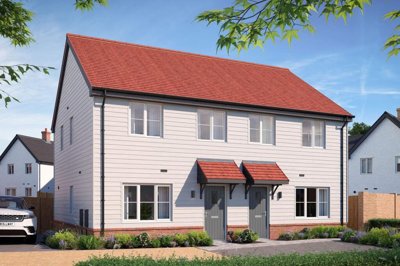
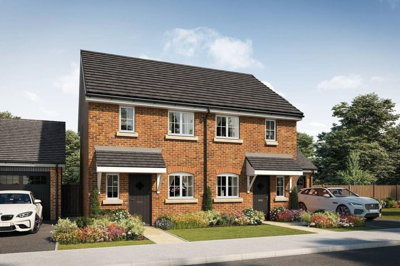
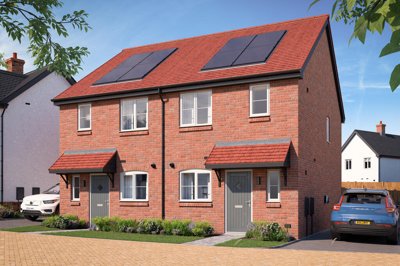
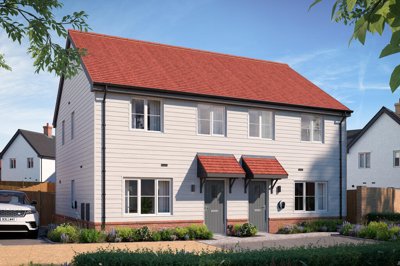
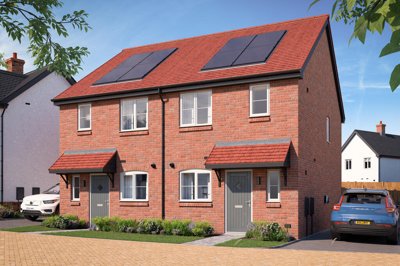
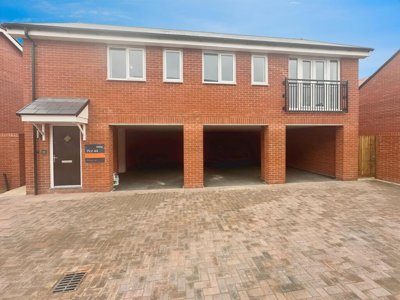
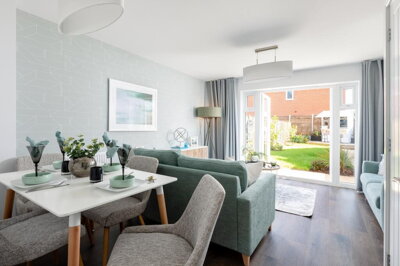
Browse 8 homes new builds in IP1 from local developer agents.
The 2 bed house market features detached, semi-detached, and terraced properties with two separate bedrooms plus living spaces. Properties in IP1 range across contemporary developments, with pricing varying across different neighbourhoods.
£190k
32
3
118
Source: home.co.uk
Showing 32 results for 2 Bedroom Houses new builds in IP1. 3 new listings added this week. The median asking price is £190,000.
Source: home.co.uk
Terraced
19 listings
Avg £176,179
Semi-Detached
13 listings
Avg £216,154
Source: home.co.uk
Source: home.co.uk
IP1 has held its nerve, with house prices down only 0.4% over the past 12 months. That steadiness matters to buyers who want a bit of confidence behind their purchase. The average property price sits at £282,125, which keeps IP1 competitive against nearby Suffolk towns and gives decent value for central living without the sharper prices seen in larger metropolitan areas. Terraced properties average £209,483, so first-time buyers can still get going on most mortgage products, while families needing more room may look at semi-detached homes averaging £291,834 in quieter residential pockets.
From handsome Victorian and Edwardian terraces in conservation areas to contemporary apartments in new waterfront developments, IP1 covers a lot of ground. Detached properties average £554,698, usually in the more established residential roads around the town centre, while flats average £118,239 and remain a useful entry point for first-time buyers or investors looking at rental demand from town centre professionals. New build activity has centred on the waterfront district, with St Peter's Wharf, The Maltings, The Winerack, Wolsey Gate, The Mill, and The Wharf all bringing modern apartments and waterside living into play. John Youngs' The Winerack is notable for its 1, 2, and 3-bedroom options, which suits a range of buyer needs.
That price point is a big part of IP1's appeal to first-time buyers. A typical terraced property at £209,483 would usually need a mortgage of around £190,000, a level that sits within reach for many buyers with average deposits. At mortgage rates of about 4.5-5.5%, repayments on a £190,000 mortgage over 25 years come out at roughly £1,000-£1,100 per month, so households on combined incomes of £45,000 or more can often make the sums work. Compare that with commuter towns like Chelmsford or Cambridge, where similar homes are priced 30-50% higher, and the difference is clear.
Looking ahead, property analysts point to several forces that may support price growth in IP1. The ongoing regeneration of the waterfront keeps drawing in both investment and residents, while improved rail services and the prospect of quicker journey times to London make the area more attractive to remote workers. Major employers including BT in Martlesham and the Port of Felixstood help underpin local employment, and the University of Suffolk continues to grow its student numbers, which supports both the rental market and demand for smaller homes.

Daily life in IP1 balances urban convenience with Suffolk charm. The town centre has a strong spread of shops, from high street favourites in the Buttermarket to independent retailers along High Street and Maple Leaf Square. The weekly market on the Cornhill has been part of town life for centuries, with fresh local produce, artisan goods, and a regular meeting point for residents. Evenings bring plenty of choice too, with restaurants, traditional pubs, cocktail bars, and venues putting on live music and comedy. The New Regent Theatre and Regent Theatre host touring productions and concerts, while the Ipswich Museum and Christchurch Mansion add cultural depth through their collections and changing exhibitions.
Green space is easy to find for IP1 residents. Christchurch Park, a 70-acre Victorian park in the heart of the town, offers formal gardens, children's play areas, open lawns, and the ornate Jekyll rock garden for walks, picnics, and exercise. Along the southern edge of IP1, the River Orwell shapes the waterfront, where scenic walks pass historic warehouses now converted into apartments and restaurants. For a change of scene, Felixstowe and Woodbridge are both within easy driving distance, and the Suffolk countryside, with its villages, vineyards, and footpaths, is right on hand for weekend outings.
Shopping is well covered in IP1, with the Buttermarket shopping centre bringing together major retailers and independent boutiques. Redevelopment in the town centre has also brought new restaurants and cafes, especially around the Wet Dock area. Sainsbury's on Hadleigh Road and Waitrose on Fox Street handle day-to-day grocery shopping, while the weekly farmers market at The Cornhill shows off Suffolk's agricultural bounty, from local cheese and preserves to seasonal produce. For bigger trips, the Copdock Interchange retail park on the A12 southern bypass has electrical goods, furniture, and more supermarkets.
Healthcare is another strong point in IP1. Ipswich Hospital on Heath Road, one of the largest in East Anglia, provides accident and emergency services, specialist departments, and routine treatments. In the town centre there are several GP surgeries and dental practices, while the East Ipswich Medical Centre and Deben Road Surgery serve residents in the northern parts of the postcode. Pharmacies are spread throughout the area too, with Boots and Superdrug in the town centre keeping prescriptions and health essentials close at hand.

Several primary schools sit within IP1, so families have options close to home. St Mary's at Stoke Primary School serves the eastern part of the district, while Murrayfield Primary Academy in the north is well regarded. Both give younger children a solid start, with committed staff and a strong link to the local community. Parents should still check the latest performance data on the Ofsted website and think carefully about catchment areas, since the most popular streets can be competitive.
Secondary choices within and near IP1 include Ormiston Endeavour Academy, Chantry Academy, and Westbourne Academy. Each offers a different mix of curriculum and extracurricular activity, and Chantry Academy is often singled out for arts and creative subjects. For families looking at grammar school routes, Ipswich School serves the county's selective intake, with other grammar schools in Colchester and Bury St Edmunds reachable by transport links. Sixth form provision is available at these schools and at Ipswich Sixth Form College, while the University of Suffolk, nearby in Ipswich, offers undergraduate and postgraduate degrees in business, health, and creative arts.
On Water Lane, the University of Suffolk gives higher education options without the need to head off to a bigger city. It works with local employers on degree apprenticeships and work placements, which appeals to school leavers who want to stay in the area while studying for qualifications. Recent expansion has added science laboratories, creative arts studios, and a modern library. Students benefit from town centre living too, with accommodation both on campus and in private rented housing across IP1.
For younger children, IP1 has a good spread of nursery and pre-school options, including the Little Pioneers nursery near Christchurch Park and Sunshine Day Nursery in the town centre. These settings follow the Early Years Foundation Stage curriculum, which helps children move on to primary school with confidence. Childminders also work across the area, many from their own homes in residential streets. Parents are wise to register early, as popular places can have waiting lists, especially for part-time spaces that fit around school hours.

Commuting from IP1 is straightforward, which is one reason the postcode appeals to professionals. Ipswich railway station sits within the area and runs regular services to London Liverpool Street, usually taking around 60-70 minutes. That direct link has made IP1 popular with workers who split their week between the capital and Suffolk, since they can keep career options open without giving up a better quality of life. Connections across the region are strong too, with direct trains to Cambridge, Norwich, Peterborough, and Birmingham. The station has also seen major improvements recently, including the new platform 4 and better passenger facilities.
Greater Anglia operates the main rail services, with frequent trains throughout the day. The quickest services to London Liverpool Street take just 60 minutes, with limited stops at Colchester, Chelmsford, and Stratford. Off-peak trains stop at more stations and take about 70 minutes. CrossCountry services link IP1 with Birmingham New Street, Nottingham, and Derby via Cambridge, which helps for work in the Midlands. Advance booking often cuts ticket costs sharply, with off-peak returns to London from around £15 when booked ahead.
Cyclists are well catered for at Ipswich station, where covered stands and cycle lockers provide extensive bicycle parking. Dedicated cycle lanes on routes such as Norwich Road and Woodbridge Road link the station to residential areas. Around the town, cycling is practical for many journeys because the centre is compact, and the council has put money into new lanes and traffic calming on popular routes. Electric bike hire schemes are also available, giving a greener option for those who would rather avoid parking charges.
Road access from IP1 is strong, with the A14 to the north connecting Felixstowe port, Cambridge, and the national motorway network. The A12 runs north-south through the wider Ipswich area and links the Suffolk coast with Colchester. For flights, London Stansted is roughly 60 miles away and offers a full spread of international connections, while Norwich Airport handles domestic flights and holiday charters. Within the town, regular bus services run by Ipswich Buses link every residential area to the town centre, and major routes include the 13 to kesgrave, the 8 to chase Bridge, and the 14 to Maidenhall.

It pays to spend time exploring the different parts of IP1 before settling on the area that suits us best. Work, schools, green space, and local amenities all matter. Christchurch Park area brings historic properties and schools nearby, while the waterfront district offers modern apartments and riverside views.
Before we start viewing, it makes sense to speak to a mortgage broker and get an agreement in principle. That puts us in a stronger position when making offers and shows estate agents we are serious buyers. With average prices around £282,125 in IP1, most buyers will need a mortgage of £230,000-£250,000.
We use Homemove to browse all available properties in IP1 and set alerts for new listings. Viewing more than one home helps us compare condition, finish, and location. We also keep an eye on property age, maintenance costs, and any signs of subsidence or damp in older houses.
Once we find the right home, the offer goes in through the estate agent. If it is accepted, we instruct a conveyancing solicitor straight away. The solicitor then handles searches, contracts, and the legal checks that come with Suffolk properties, including local authority searches with Ipswich Borough Council.
Before exchange, we arrange a RICS Level 2 Homebuyer Report or Level 3 Building Survey. That picks up structural issues and any repairs that need attention. When the survey comes back satisfactorily, the solicitor exchanges contracts and pays the deposit.
In the final days before completion, the completion statements are checked and the paperwork is brought together. On completion day, the funds are transferred and the keys are handed over. Congratulations, we are now homeowners in IP1.
Buyers in IP1 need to keep a few area-specific issues in mind. The town centre has gone through significant regeneration, with former industrial sites turned into residential schemes. In newer developments, check the remaining lease term, annual service charges, and any ground rent obligations before you commit. Many modern apartments in the waterfront area carry annual service charges of £1,000 to £3,000 depending on the development and the facilities on offer. Those running costs need to sit alongside mortgage payments in the budget.
Older homes in conservation areas, such as those near Christchurch Park and along Anglesea Road, have plenty of character, but they can come with restrictions on alterations and improvements. Planning permission can be stricter in these spots, so any planned work needs careful research before a purchase is agreed. Flood risk matters too, since some parts of IP1 near the River Orwell have seen historical flooding incidents. The Environment Agency flood risk maps help identify affected homes, and properties in higher-risk areas may need specialist insurance, which adds to ongoing costs. Finally, check the council tax band with Ipswich Borough Council, as this varies between properties and has a real effect on monthly outgoings.
Leasehold homes are common in the newer waterfront developments, so the lease terms need close attention before buying. Modern apartment leases typically run for 99 or 125 years, and the remaining term affects both value and mortgageability. Some older leases contain escalating ground rent clauses that double every ten years, which can become expensive over time. We recommend a specialist conveyancing solicitor to review the lease and point out any problems before you commit. Freehold homes are less common in the town centre, but they do give ownership of the land and usually mean lower ongoing costs.
When we view older properties in IP1, it helps to look closely for damp, subsidence, or woodworm, which can be more common in Victorian and Edwardian homes with solid walls. Cracks in walls may point to structural movement, staining on ceilings can suggest past or present leaks, and musty odours often hint at ventilation problems. A professional RICS survey will pick up these issues, but an observant viewing can help us shortlist wisely before the full purchase process gets underway.

Budgeting for a move in IP1 means looking beyond the purchase price. Buyers need to allow for stamp duty, solicitor fees, survey costs, and moving expenses. Stamp Duty Land Tax applies to all purchases above £250,000 at standard rates, although first-time buyers buying properties up to £625,000 can claim relief that cuts the bill sharply. For a first-time buyer purchasing a typical terraced property in IP1 at £209,483, no stamp duty would be payable under current first-time buyer relief provisions.
Solicitors handling an IP1 purchase usually charge between £500 and £1,500 for conveyancing, depending on complexity and whether the home is leasehold or freehold. Extra costs include local authority searches with Ipswich Borough Council, usually around £200-£300, environmental searches for flood and contamination risk at about £100, and title registration fees. A RICS Level 2 Homebuyer Report costs from £350 and is money well spent on any property, especially older Victorian and Edwardian houses where hidden defects are more common. Removal costs vary with distance and volume, but for a local move within or around Ipswich they typically run from £500 to £2,000.
Across IP1, council tax is set by Ipswich Borough Council and depends on the property band. As of 2024-25, annual charges are roughly £1,400-£1,600 for band A homes, rising to £2,800-£3,200 for band D properties and £4,200-£4,600 for band G homes. Most terraced properties in IP1 fall into bands A to C, while larger semi-detached and detached houses are usually bands D to F. These figures need to sit in the monthly budget alongside mortgage payments and any service charges for leasehold homes.
Utility costs in IP1 include gas and electricity bills averaging £100-£150 per month, depending on property size and usage. Water supply comes from Anglesey Water, with typical annual charges of £400-£500 including sewage. Broadband is generally good, with superfast fibre available to most properties at speeds of 30-80Mbps, although full fibre ultrafast connections are still being rolled out across the area. Mobile coverage is strong too, with all major networks offering 4G across the postcode and 5G coverage spreading through the town centre and waterfront areas.

According to recent homedata.co.uk data, the average house price in IP1 is £282,125. Property types vary sharply in price, with detached homes averaging £554,698, semi-detached houses £291,834, terraced properties £209,483, and flats £118,239. The market has been remarkably steady, with just a 0.4% change over the past 12 months, which makes IP1 a more predictable choice for buyers who worry about volatility. That sits in contrast to more jumpy markets in nearby Cambridge or London satellite towns, where prices can swing more sharply year on year.
Managed by Ipswich Borough Council, council tax in IP1 is split into bands A to H according to property value. Most terraced homes and smaller semis fall into bands A to C, while larger detached properties may sit in bands E to G. Annual charges range from about £1,400 for band A to £4,600 for band G properties. The specific band for any home can be checked on the Valuation Office Agency website using the address or property details. Some newer developments sit in higher bands because of modern construction and higher valuations.
St Mary's at Stoke Primary School and Murrayfield Primary Academy both serve IP1 at primary level and both carry good Ofsted ratings. For secondary education, Chantry Academy, Westbourne Academy, and Ormiston Endeavour Academy all have Ofsted ratings and GCSE performance data on the government's school comparison website. Families looking at grammar school places can sit the 11+ selection test, with options including Ipswich School and other grammar schools across the wider Suffolk area. Current Ofsted ratings should always be checked, and a school visit helps judge suitability, since performance can change over time.
For a town of its size, IP1 is exceptionally well connected. Ipswich railway station offers direct services to London Liverpool Street in around 65 minutes, along with links to Cambridge, Norwich, Peterborough, and Birmingham. The station is within walking distance of the town centre and most IP1 neighbourhoods. Local buses run by Ipswich Buses cover the town and nearby areas well, with regular services to residential suburbs and surrounding towns. Major routes include the 13 to kesgrave, the 8 to chase Bridge, and the 14 to Maidenhall, each running at least every 20 minutes during daytime hours.
We see several investment opportunities in IP1 because the market is stable, rental demand is strong, and regeneration is still under way. The waterfront district has taken on plenty of new development, and the modern apartments there are popular with professionals. Rental yields in IP1 usually sit in the 5-7% range depending on property type and location, with demand holding up from town centre workers, students at the University of Suffolk, and commuters to London. The 0.4% change in house prices over the past 12 months points to a lower-risk market than some London commuter towns. One-bedroom flats near the waterfront command monthly rents of £850-£950, while two-bedroom flats achieve £1,100-£1,300.
Stamp Duty Land Tax rates for 2024-25 are 0% on the first £250,000, 5% on £250,001 to £925,000, 10% on £925,001 to £1.5 million, and 12% above £1.5 million. At the average IP1 price of £282,125, the stamp duty bill would be £1,606. First-time buyers get relief on properties up to £625,000, paying 0% on the first £425,000 and 5% on the remainder up to £625,000, which means most first-time purchases in IP1 fall outside stamp duty under the current thresholds.
Leasehold homes are common in IP1, especially in the waterfront developments. Before buying, check the remaining lease term, with 80 years or more being the target, plus any annual service charges and ground rent obligations. Some older leases contain escalating ground rent clauses that can drive costs up over time. It also helps to review the deeds and management company accounts so we know how service charges are worked out and what maintenance is planned. A specialist conveyancing solicitor should review the lease terms and highlight any potential issues before the purchase goes ahead.
Some parts of IP1 near the River Orwell have a history of flooding, and the waterfront district needs particular attention. The Environment Agency provides detailed flood risk maps that show river and surface water risk. Homes in higher-risk areas may need specialist insurance, which can add £200-£500 or more a year to running costs. When we view properties, it is sensible to check the property history for any flood damage and read the seller's disclosures carefully. A thorough survey will pick up signs of previous flooding or water ingress that may not show during a casual viewing.
From £350
A detailed inspection of the property condition
From £600
Comprehensive structural survey for older properties
From 4.5%
Expert mortgage advice and competitive rates
From £499
Specialist property solicitors for IP1 purchases
Properties New Builds In London

Properties New Builds In Plymouth

Properties New Builds In Liverpool

Properties New Builds In Glasgow

Properties New Builds In Sheffield

Properties New Builds In Edinburgh

Properties New Builds In Coventry

Properties New Builds In Bradford

Properties New Builds In Manchester

Properties New Builds In Birmingham

Properties New Builds In Bristol

Properties New Builds In Oxford

Properties New Builds In Leicester

Properties New Builds In Newcastle

Properties New Builds In Leeds

Properties New Builds In Southampton

Properties New Builds In Cardiff

Properties New Builds In Nottingham

Properties New Builds In Norwich

Properties New Builds In Brighton

Properties New Builds In Derby

Properties New Builds In Portsmouth

Properties New Builds In Northampton

Properties New Builds In Milton Keynes

Properties New Builds In Bournemouth

Properties New Builds In Bolton

Properties New Builds In Swansea

Properties New Builds In Swindon

Properties New Builds In Peterborough

Properties New Builds In Wolverhampton

Enter your details to see if this property is within your budget.
Loans, cards, car finance
Estimated property budget
Borrowing + deposit
You could borrow between
Typical borrowing
Monthly repayment
Est. at 4.5%
Loan-to-value
This is an estimate only. Your actual budget may vary depending on interest rates, credit history, and personal circumstances. For an accurate affordability assessment, speak to one of our free mortgage advisors.
This calculator provides estimates for illustrative purposes only and does not constitute financial advice. Your home may be repossessed if you do not keep up repayments on your mortgage. Estimates based on 4.5% interest rate, repayment mortgage. Actual rates depend on your circumstances.
Homemove is a trading name of HM Haus Group Ltd (Company No. 13873779, registered in England & Wales). Homemove Mortgages Ltd (Company No. 15947693) is an Appointed Representative of TMG Direct Limited, trading as TMG Mortgage Network, which is authorised and regulated by the Financial Conduct Authority (FRN 786245). Homemove Mortgages Ltd is entered on the FCA Register as an Appointed Representative (FRN 1022429). You can check registrations at NewRegister or by calling 0800 111 6768.

We use cookies to show you personalised content and improve your experience of our website. Find out more in our Privacy policy and Cookie policy.