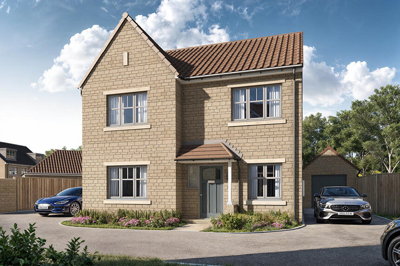
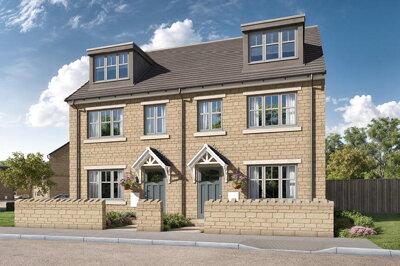
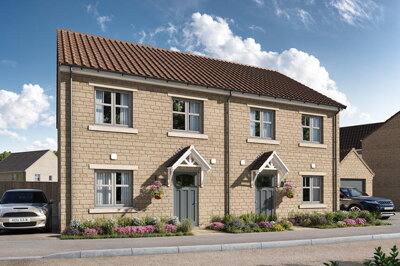
Browse 4 homes new builds in Hullavington, Wiltshire from local developer agents.
The Hullavington property market offers detached, semi-detached, and terraced houses spanning various price ranges and neighbourhoods. Each listing includes detailed property information, photographs, and direct contact with the marketing agent.
£550k
8
0
52
Source: home.co.uk
Showing 8 results for Houses new builds in Hullavington, Wiltshire. The median asking price is £549,998.
Source: home.co.uk
Detached
4 listings
Avg £679,999
Semi-Detached
4 listings
Avg £462,499
Source: home.co.uk
Source: home.co.uk
Hullavington’s property market offers a compelling prospect for buyers after characterful homes in a proven spot. Detached houses fetch the highest prices, with the current average at £679,000, a figure that reflects the appeal of bigger gardens and the roomy layouts village life tends to provide. Semi-detached homes average around £385,000, while terraced properties usually change hands for about £350,000, giving buyers a more accessible route into this sought-after postcode. That detached premium comes from the larger plots often found in the village, along with steady demand from families who want space to grow.
There has been real momentum here, with property values climbing by 16% over the past twelve months. That rise is stronger than in many neighbouring areas and speaks to the lasting pull of Wiltshire villages with good transport links. Stock is limited, as you would expect in a smaller community, with only around 10 sales recorded annually, so Hullavington tends to draw committed buyers who like the village lifestyle and the location near the M4 corridor. Because transactions are so few, homes can move fast once they appear, which makes early research and a mortgage in place sensible steps for serious buyers.
New-build activity in the Hullavington postcode is still sparse, and no major developments are being marketed in the immediate area right now. Small infill schemes and self-build plots may crop up from time to time, but they are not widely advertised. So most buyers look to the existing stock instead, which includes traditional stone homes, period cottages, and well-kept family houses built through the twentieth century. It leaves a broad spread of choice across budgets and tastes, from centuries-old farmhouses needing modernisation to post-war homes that have already been brought up to contemporary standards.

Hullavington feels like a classic English village, with centuries of architectural history alongside the everyday amenities needed for family life. The village sits within a designated Conservation Area, so planning decisions are made with care to protect its historic character and any renovations need to respect traditional materials and methods. St Mary Magdalene Church anchors the centre, while listed buildings, including old houses and cottages, line the winding lanes that give the community its shape. That designation protects details such as traditional stone walls, original window styles, and the layout that has evolved over generations, so the place feels genuinely historic rather than staged.
A small cluster of local facilities serves the village, including a parish church, village hall, and nearby pubs in surrounding villages. For broader shopping and services, residents usually head to Malmesbury, around five miles away, where weekly markets and independent retailers cover day-to-day needs. Chippenham and Swindon are the larger centres, offering major supermarkets, high street shops, healthcare facilities, and leisure centres within easy driving distance. Malmesbury itself has a lively market-town feel, with a decent mix of independent shops, cafes, and restaurants, plus the historic Malmesbury Abbey and the lovely Abbey Gardens.
The surrounding Wiltshire countryside is a strong draw for anyone who likes the outdoors. Public footpaths cross the farmland between villages, while the Cotswold landscape offers walking, cycling, and riding routes that bring visitors in from across the region. Close by, the Cotswold Water Park adds watersports, fishing, and nature reserves into the mix, which is part of why Hullavington suits families who value access to green space. Around the village, the land is made up of rolling fields, old hedgerows, and scattered woodland, all of which provide habitats for wildlife and plenty of scope for weekend exploring.
Families looking at Hullavington will find several schooling options within the wider area, with primary schools serving the village and nearby communities. The local primary school takes children from Reception through to Year 6, while a number of Outstanding and Good-rated primaries operate in surrounding villages, including Sherston, Great Badminton, and Little Somerford. Parents should check current catchment areas and admission arrangements, since these can change and may affect school offers. The village primary school is known for its small class sizes and close community links, though some families still look to neighbouring villages to find the best match for their children.
Secondary schooling is well covered by schools in Malmesbury, including Malmesbury School, which provides a broad curriculum and sixth form provision. It is well regarded for academic results and extracurricular activity, so it draws families from the surrounding villages. School transport usually comes via buses serving the wider rural catchment, with routes linking Hullavington to Malmesbury and other nearby towns. Many families weigh up secondary provision carefully before moving to the area, and Malmesbury School’s reputation helps keep Hullavington attractive to family buyers.
Independent schooling within driving distance includes St Mary's Calne, a leading girls' boarding and day school, plus a selection of preparatory schools for younger children. For families after grammar school education, Chippenham and Swindon both have grammar options, although places can be fiercely contested and catchments are tightly drawn. We advise parents to look at school performance data, Ofsted ratings, and admission criteria before settling on a choice. The Wiltshire grammar school system is selective, with entrance exams deciding admission, so families should start looking well ahead of secondary transfer to understand the commitment involved.
Hullavington is especially appealing for commuters, with the M4 motorway reachable in minutes by car and direct links to Bristol, Swindon, Reading, and London. That position suits professionals who work in bigger towns or cities but want the upside of village living. Bristol is about 40 minutes away, Swindon around 20 minutes, and London can be reached in roughly 90 minutes from nearby Chippenham station. The M4 corridor remains one of southern England’s key routes, with access to jobs, retail, and leisure destinations across the region.
Rail links from Chippenham and Swindon stations offer regular services to major destinations, including London Paddington, with journey times of about 75 minutes from Chippenham. Great Western Railway runs the route, and holders of a Freedom Pass or similar concessionary travel passes can benefit from reduced travel costs. For anyone travelling into London often, Swindon’s direct services make daily commuting workable. Both stations have parking, and Chippenham offers both free and pay-and-display options for those who prefer to drive before continuing by rail.
Bus services connect Hullavington with nearby villages and market towns, although the frequency is limited compared with urban routes. Residents without a car ought to study the timetables carefully before relying on them for everyday life. Cycling is easier here than in hillier parts of the county, thanks to the flat Wiltshire countryside, but the narrow country lanes need care. The Wiltshire Cycleway runs through the area, giving signed recreational routes, while the National Cycle Network links to wider destinations across the county. Even so, many residents still find car ownership essential for day-to-day living in Hullavington, despite the village’s position near major transport corridors.
Homes in Hullavington reflect the building traditions of north Wiltshire, and older properties are usually built from local limestone. The Jurassic limestone of the Cotswolds, specifically from the Great Oolite Group formations, has been quarried locally for centuries and used extensively in the village’s historic buildings. Traditional stone houses generally have solid walls without cavity insulation, and they were built with lime mortar rather than modern cement, so the walls can breathe and avoid trapping moisture that might lead to structural trouble. Knowing how these buildings were put together helps buyers understand why older homes need a different approach to maintenance from modern ones.
Many historic properties in Hullavington have red brick additions or dressings that sit neatly alongside the local stone, showing how building methods changed over time. Later homes in the stock include post-war brick and block cavity wall construction, often with rendered finishes that help with weather resistance while still giving a traditional look. Concrete tiled roofs became common from the mid-twentieth century and replaced the natural slate used on earlier buildings, although plenty of original slate roofs survive on listed properties. With so many construction ages and methods in the village, survey needs can vary a great deal from one property to the next.
Some of the oldest homes in Hullavington include timber framing, with oak posts and beams forming the structure and often left exposed inside. In older properties, ground floors were commonly built with suspended timber boards, which can be prone to rot and deserve close inspection for signs of wear. Modern extensions and conversions may blend traditional materials with newer building techniques, and the junction between old and new needs careful checking to make sure it is weathertight and structurally sound. A thorough RICS Level 2 Survey will flag any concerns around construction type and condition.
Hullavington properties cover a wide spread of ages and construction types, from centuries-old Cotswold stone cottages to twentieth-century family homes. During viewings, it is worth focusing on the materials used and how well they have held up. Traditional stone homes have solid walls without cavity insulation, which creates different maintenance needs from those of modern buildings. Older structures were built with lime mortar, and repairs should ideally use compatible materials so the fabric of the building is not damaged. Modern cement-based mortars on historic lime-built houses can trap moisture, which can lead to spalling and decay in the original stonework.
The local geology around Hullavington is Jurassic limestone, specifically the Great Oolite Group, with clay-rich soils in some lower-lying areas such as those linked to the Oxford Clay Formation. These clay soils can shrink and swell as moisture levels change, which may affect foundations over time. A proper survey will look for movement, cracking, or subsidence that could point to foundation problems. Homes with mature trees nearby can be especially vulnerable to root-related subsidence or heave, as trees draw moisture from clay soils in dry spells and the ground then contracts, before the reverse happens when rain returns.
Surface water flooding is the main flood risk concern in the Hullavington area, especially during heavy rain when local drainage can struggle. Because the village sits away from major rivers, river flooding is not usually a major issue, but the local topography can create spots where water gathers during exceptional rainfall. Buyers should check the Environment Agency flood maps for the exact property and see whether any flood resilience measures are already in place. Buildings insurance costs can be affected by flood risk assessments, so this is something to pay close attention to during the purchase process, especially in the lower-lying parts of the village.
Properties in the Hullavington Conservation Area, and listed buildings in particular, bring extra considerations for both purchase and long-term ownership. Listed Building Consent may be needed for alterations, extensions, or major repairs, and any work has to respect the property’s historic character with suitable traditional materials and techniques. A standard RICS Level 2 Survey can be enough for modern homes, but older or listed buildings may be better served by the more detailed RICS Level 3 Building Survey, which gives a fuller picture of construction, condition, and repair options. The extra cost of a Level 3 Survey is often money well spent for historic homes, where understanding the building and spotting repair needs can affect the purchase decision or the price negotiation.
Start by looking through the current listings in Hullavington and getting a feel for the price trend. With prices up 16% annually and stock in short supply, early research gives buyers a better chance of spotting suitable homes quickly and making strong decisions. Set up alerts with estate agents and keep an eye on property portals, because desirable village homes can go quickly once they appear.
Before you begin viewings, get a mortgage agreement in principle from a lender. It shows sellers and estate agents that you are financially credible and can give you an edge when you make an offer on a sought-after village property. It also helps you pin down your real budget, which may be different from your first estimate once lender affordability checks have been carried out.
Go to properties that fit your requirements, and keep a close eye on the construction materials, condition, and any signs of damp or structural issues. Older stone homes and properties in the Conservation Area often need more detailed inspection because of their age and traditional building methods. Take photographs during viewings and make a note of anything you want to discuss with your surveyor before you put in an offer.
For most homes, especially those over 50 years old, a RICS Level 2 Survey gives useful information about condition, defects, and any repairs that may be needed. With so many historic properties in Hullavington, survey fees usually sit between £600 and £1,000 or more for homes in the village’s price range. It is sensible to choose a RICS-qualified surveyor who knows local property types, as they will understand the issues that often affect traditional Cotswold buildings.
Your solicitor will deal with the legal side of the purchase, including searches, contracts, and registration with the Land Registry. They will also look for any planning restrictions on the property, which matters in particular because the village has Conservation Area status. If the home is listed, extra searches covering listed building status and any historic consents will be needed, and that can nudge the timetable a little longer than standard conveyancing.
Once the searches come back satisfactorily and finance is confirmed, contracts are exchanged and the deposit is paid. Completion usually follows within weeks, when the remaining balance is transferred and the keys to your new Hullavington home are handed over. On completion day, collect the keys from the estate agent and take a moment to check the property against the survey report before settling in.
The current average house price in Hullavington is £525,441, with detached homes averaging £679,000, semi-detached properties around £385,000, and terraced houses about £350,000. Prices have risen by 16% over the past year, which shows the strength of demand for village homes in this desirable Wiltshire location. Only around 10 properties have sold in the past 12 months, so the market is small but active, and homes that suit a buyer’s needs seldom stay available for long once listed.
For council tax, Hullavington falls under Wiltshire Council’s jurisdiction, which sets the local rates. Bands run from A through to H depending on property value, and most village homes usually land in Bands C through E based on their assessed value. Exact banding can be checked through the Valuation Office Agency listing once a property has been identified, and that information is available publicly on their website.
Hullavington has a local primary school for Reception through Year 6, along with several Outstanding and Good-rated primaries in surrounding villages, including Sherston and Great Badminton. Secondary provision includes Malmesbury School, which offers a broad education and sixth form provision and is popular with families from the surrounding villages. Independent and grammar school choices can also be found in nearby towns, with St Mary's Calne offering private education and grammar schools in Chippenham and Swindon providing selective alternatives, although admission depends on catchment areas and entrance criteria.
Getting around Hullavington is mainly a car-based affair, with the M4 motorway close by and links to Bristol, Swindon, and London. Local bus services run between nearby villages and market towns, but the timetables are limited compared with urban routes, so it is sensible to check them carefully when planning day-to-day life. Rail services from Chippenham, about 20 minutes by car, and Swindon provide regular trains to London Paddington in around 75 minutes, which makes commuting to the capital possible for daily travellers.
Hullavington has several features that may interest property investors, including 16% annual price growth, the lasting appeal of Cotswold village locations, and its closeness to major transport links that keep demand strong. The village appeals to commuters, families after a rural setting, and buyers seeking period homes in Conservation Areas, so both rental and sales markets draw from a mixed pool of purchasers. Even so, the market is small, with roughly 10 annual sales, so liquidity can be lower than in larger towns, and any investment should be judged on personal circumstances and long-term plans rather than the hope of a quick resale.
Stamp Duty Land Tax applies to purchases above £250,000 at standard rates of 5% on the portion between £250,001 and £925,000, 10% up to £1.5 million, and 12% above that threshold. First-time buyers benefit from higher thresholds under current rules, paying no stamp duty on the first £425,000 and 5% only on the portion between £425,001 and £625,000. For instance, a first-time buyer buying a typical terraced home at £350,000 would pay no stamp duty, while a £525,000 home would attract roughly £5,000 in SDLT under first-time buyer relief.
Older properties in Hullavington, especially those in the Conservation Area or with listed status, can bring specific risks, including damp linked to solid wall construction, roof wear that needs regular maintenance, and possible foundation movement caused by clay soils that shrink and swell with changing moisture levels. Outdated electrical and plumbing systems often need upgrading to current standards, which can add significant expense to a renovation if it is not identified before purchase. Some homes may also have had previous work carried out without meeting current building regulations, and a thorough survey helps bring those issues to light before contracts are exchanged.
Because Hullavington is in a Conservation Area, planning applications for external alterations, extensions, or major changes may face extra scrutiny so the village’s historic character is preserved, and pre-application advice from Wiltshire Council is sensible for larger projects. Listed buildings need Listed Building Consent for most works, with the local planning authority deciding whether the proposals respect the heritage importance of the property. Permitted development rights can be more limited here than in non-designated areas, so buyers with plans for future changes should check Wiltshire Council’s planning portal and seek specialist advice before committing to the purchase.
Buying in Hullavington brings costs beyond the purchase price, and stamp duty is often one of the biggest. For standard buyers purchasing a home above £250,000, Stamp Duty Land Tax is charged at 5% on the portion of price between £250,001 and £925,000. So a property priced at the village average of £525,000 would incur about £13,750 in SDLT before any reliefs or exemptions are taken into account, which is a sizeable upfront amount to budget for alongside the deposit and other fees.
First-time buyers receive higher thresholds under current rules, paying no stamp duty on the first £425,000 and 5% only on the portion between £425,001 and £625,000. That means a first-time buyer purchasing at the village average could save about £5,000 compared with standard buyer rates, which can make getting into the market a little more manageable. Homes above £625,000 do not qualify for first-time buyer relief whatever the buyer’s status, so higher-value purchases in this attractive village will face the full standard SDLT rates.
There are other purchase costs to factor in too, including solicitor fees for conveyancing, which usually range from £500 to £1,500 depending on complexity and whether the property is freehold or leasehold. A RICS Level 2 Survey on a typical Hullavington property generally costs between £600 and £1,000 or more, depending on the size of the home and the surveyor chosen. Land Registry fees, local authority search fees, and mortgage arrangement fees should also be allowed for, with total extra costs usually landing between £3,000 and £5,000 on a standard transaction.

Properties New Builds In London

Properties New Builds In Plymouth

Properties New Builds In Liverpool

Properties New Builds In Glasgow

Properties New Builds In Sheffield

Properties New Builds In Edinburgh

Properties New Builds In Coventry

Properties New Builds In Bradford

Properties New Builds In Manchester

Properties New Builds In Birmingham

Properties New Builds In Bristol

Properties New Builds In Oxford

Properties New Builds In Leicester

Properties New Builds In Newcastle

Properties New Builds In Leeds

Properties New Builds In Southampton

Properties New Builds In Cardiff

Properties New Builds In Nottingham

Properties New Builds In Norwich

Properties New Builds In Brighton

Properties New Builds In Derby

Properties New Builds In Portsmouth

Properties New Builds In Northampton

Properties New Builds In Milton Keynes

Properties New Builds In Bournemouth

Properties New Builds In Bolton

Properties New Builds In Swansea

Properties New Builds In Swindon

Properties New Builds In Peterborough

Properties New Builds In Wolverhampton

Enter your details to see if this property is within your budget.
Loans, cards, car finance
Estimated property budget
Borrowing + deposit
You could borrow between
Typical borrowing
Monthly repayment
Est. at 4.5%
Loan-to-value
This is an estimate only. Your actual budget may vary depending on interest rates, credit history, and personal circumstances. For an accurate affordability assessment, speak to one of our free mortgage advisors.
This calculator provides estimates for illustrative purposes only and does not constitute financial advice. Your home may be repossessed if you do not keep up repayments on your mortgage. Estimates based on 4.5% interest rate, repayment mortgage. Actual rates depend on your circumstances.
Homemove is a trading name of HM Haus Group Ltd (Company No. 13873779, registered in England & Wales). Homemove Mortgages Ltd (Company No. 15947693) is an Appointed Representative of TMG Direct Limited, trading as TMG Mortgage Network, which is authorised and regulated by the Financial Conduct Authority (FRN 786245). Homemove Mortgages Ltd is entered on the FCA Register as an Appointed Representative (FRN 1022429). You can check registrations at NewRegister or by calling 0800 111 6768.

We use cookies to show you personalised content and improve your experience of our website. Find out more in our Privacy policy and Cookie policy.