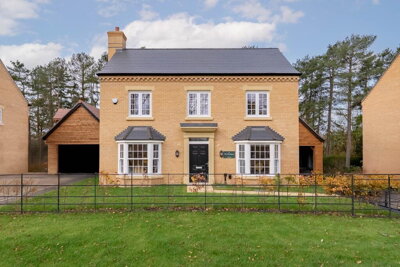
Browse 1 home new builds in Houghton and Wyton from local developer agents.
Studio apartments feature open-plan living spaces without separate bedrooms, incorporating sleeping, living, kitchen, and bathroom facilities. The Houghton And Wyton studio market includes properties in modern apartment complexes, modern purpose-built developments and new residential complexes.
Prices move differently on each side of the parish. homedata.co.uk records show Houghton averaged £589,468 over the last year, up 10% on the previous year but still 4% below its 2022 peak of £617,206. Wyton, by contrast, averaged £326,167, down 5% year on year and 19% below its 2022 peak of £401,479. That gap tells you the local market is not one single story, and buyers should judge by street, plot and property type.
Detached homes usually lead the upper end, with Houghton detached sales averaging £654,957 and Wyton detached homes averaging £436,250. Semi-detached and terraced houses provide more accessible entry points, such as Houghton's semi-detached average of £431,667 and Wyton's terraced average of £237,400. In 2025, Houghton posted a median sale price of £455,000 across 38 sales, while detached homes made up 50% of those sales at a median of £569,762. New-build supply is limited within the precise parish, although the Houghton Grange site is noted in the neighbourhood plan as a possible growth area, and Pine Hill Park offers around 50 park homes for over-55s along Sawtry Way.

The parish has grown significantly since the 1950s, yet it still reads as a village rather than a suburban extension of Huntingdon. Homes range from apartments to large detached houses, and the housing stock includes very old buildings alongside later infill. Social rented housing makes up only 3% of the stock, which is one reason the area feels relatively owner-occupied and stable. That profile can appeal to buyers who want a settled community and a strong sense of place.
The setting is one of the area’s biggest draws. Riverside meadows in the Great Ouse valley give Houghton and Wyton an open, green backdrop, while the Conservation Area and listed buildings add visible history to everyday streets. The former parish church in Wyton is Grade I listed and dates to the early 13th century, while The Elms in Houghton is a restored 1868 Grade II listed Victorian residence. Nearby local employment on Sawtry Way, Houghton Equestrian Centre and the alpaca farm east of Mere Way adds an almost rural edge to daily life.
Families looking here should plan school research early, because the supplied research does not list named primaries or secondaries inside the parish. Houghton and Wyton’s demographic profile is older than a typical family suburb, with the largest proportion of residents of retirement age, so school demand is not the main market driver. That said, buyers with children will usually look across Huntingdonshire, where catchments can shift with address, postcode and admissions rules. Checking the latest Ofsted reports and transport routes before you make an offer is the safest approach.
The village still suits family life if you like space and a quieter setting, but it works best for buyers who are happy to travel a little further for the right school. Because the parish has expanded over time without losing its village shape, some streets feel ideal for younger households while others suit downsizers or multigenerational living. Local agents can help you compare practical things like breakfast club access, sixth-form links and after-school travel times. If you are buying for schooling, ask about catchment movement before you view, since a change of postcode can make a real difference.

Road connections are one of the main practical advantages here. Houghton and Wyton sits within easy reach of Huntingdon and the wider Cambridgeshire network, so many residents commute by car first and rail second. The local roads around the village are generally quieter than in the town, although that can also mean slower runs at peak times and fewer shortcut options. For daily life, that balance can be reassuring if you prefer a calmer approach to commuting.
Rail users usually head for Huntingdon station for regional and long-distance services, including regular links towards London, Cambridge and Peterborough. Exact journey times depend on the service and time of day, so it is worth testing your real commute before committing to a purchase. Bus coverage can be less frequent than in larger settlements, which makes route planning important if you do not want to rely on a car. Buyers who work hybrid patterns often find the combination of rail access and village parking especially useful.
Cycling around the parish can be attractive because the landscape is open and green, but river valley routes and narrower lanes need care, especially after dark or in wet weather. Parking is usually easier than in central urban areas, though older streets near the Conservation Area may feel tighter than modern estates. A viewing at school-run or rush-hour time is a smart way to judge noise, access and turning space. That simple check often tells you more about daily living than a brochure ever will.
Secure a mortgage agreement in principle before you start viewing, then work out whether your target is a Houghton period home, a Wyton family house or a downsizing property such as a park home.
Houghton has tended to command higher prices, while Wyton offers lower entry points, so compare plot, condition and setting rather than relying on the parish average.
Check the Conservation Area, riverside setting and access routes at different times of day, especially if you need a car for commuting or school runs.
Older cottages, listed buildings and river-valley homes deserve a thorough RICS Level 2 survey, or more specialist advice if the property is historic or heavily altered.
Ask your conveyancer to check title restrictions, flood searches, leasehold details and any conservation obligations before exchange.
Keep funds ready, confirm removals access for narrow village lanes and plan completion day around parking and delivery space.
Flood checks matter here. The parish lies in the Great Ouse river valley with riverside meadows nearby, so buyers should ask for proper flood searches and check surface water risk as well as river risk. That advice is especially relevant for homes close to lower ground, lanes near the water and properties that have been altered over time. A surveyor can also flag whether any previous flood resilience measures are in place.
Conservation and listing status can shape what you can do next. Houghton and Wyton has a Conservation Area, the Wyton parish church is Grade I listed, and The Elms in Houghton is Grade II listed, so exterior changes, windows and extensions may need more careful planning. Older houses and cottages can also bring damp, roof wear and outdated electrics, which makes a detailed survey worth the cost. If you are considering a flat or an apartment, check service charges, ground rent and the extent of any communal maintenance before you proceed.
Mixed stock means buyers should stay alert to the property type as well as the postcode. The parish includes apartments, detached homes, terraced houses and around 50 park homes at Pine Hill Park, and each category has different running costs and resale expectations. The neighbourhood plan also highlights demand for more single and dual-occupancy homes and more accommodation for older people, which points to future change in what sells well. If you want value, judge each home by condition and setting rather than assuming every village property will move in the same way.
homedata.co.uk records show the average price paid for properties in Houghton and Wyton was £500,000 as of 18 February 2026. That is 17.3% lower than it was 12 months earlier, so buyers should expect a market that has adjusted rather than accelerated. The parish average also hides a big difference between Houghton and Wyton, with Houghton generally trading at a higher level than Wyton. If you are comparing homes, look at the exact settlement, property type and condition before you treat the average as a benchmark.
Houghton and Wyton falls within Huntingdonshire District Council, and council tax bands are set on a property-by-property basis. The band depends on the valuation of the home, so a flat, a terrace, a semi-detached house and a detached house can all sit in different bands. You should check the band for the exact address rather than assuming the whole parish is the same. Your conveyancer can also confirm the figure during the purchase process.
The research supplied for this area does not list named schools or current Ofsted grades inside the parish. That means buyers should check nearby primary and secondary options in Huntingdonshire and confirm catchments with the local authority before they make an offer. The village’s older demographic profile means school demand is not the main market force, but it still matters for family buyers. I would always compare admissions, travel time and the latest inspection reports before choosing a home.
Public transport is useful, but road access is usually the stronger advantage in this parish. Most rail passengers will head for Huntingdon station for wider regional and London links, while buses are more limited than in a larger town. The best commute depends on where you work, so it is sensible to test the route at the time you would normally travel. If you depend on public transport every day, check evening services and weekend frequency before you buy.
It can be, although the market is very location-sensitive. homedata.co.uk data shows Houghton averaged £589,468 over the last year, while Wyton averaged £326,167, so demand and value are not evenly spread across the parish. The mix of period homes, village character, low social rented stock and limited new-build supply can support resale appeal. Buyers should still focus on the right property type, because older homes, park homes and apartments will each behave differently over time.
On a £500,000 purchase, a standard buyer would usually pay £12,500 in stamp duty under current rules. First-time buyers can pay £3,750 on the same price if they qualify for relief, because the 0% threshold runs to £425,000 and then 5% applies from £425,000 to £625,000. Above £625,000, first-time buyer relief no longer applies. Your final bill can still change if you are buying an additional property, so ask your solicitor or mortgage adviser to confirm the exact figure.
New-build activity within the precise parish is limited, but the neighbourhood plan points to Houghton Grange in the east as a possible growth area. Pine Hill Park, with around 50 park homes along Sawtry Way, gives the area a clear downsizing option for over-55s buyers. That mix means the parish can suit both long-term village movers and buyers who want a lower-maintenance home. Availability changes quickly, so it is worth checking live listings regularly.
Stamp duty is a real cost to plan for in this market, especially because the parish average sits at £500,000. On a standard purchase of that size, the current system charges 0% on the first £250,000 and 5% on the slice from £250,000 to £500,000, which adds up to £12,500. First-time buyers can use their relief up to £425,000, then pay 5% on the portion up to £625,000. That means a qualifying first-time buyer purchasing at £500,000 would usually pay £3,750.
Beyond stamp duty, buyers should budget for survey fees, legal fees, mortgage arrangement charges and moving costs. A RICS Level 2 survey is a sensible choice for many older homes in the parish, while conservation-area or listed-building purchases may need extra specialist advice. If you are buying a flat or a park home, keep an eye on service charges, ground rent or site fees as well. A careful budget gives you more room to move quickly when the right Houghton and Wyton home comes up.
Properties New Builds In London

Properties New Builds In Plymouth

Properties New Builds In Liverpool

Properties New Builds In Glasgow

Properties New Builds In Sheffield

Properties New Builds In Edinburgh

Properties New Builds In Coventry

Properties New Builds In Bradford

Properties New Builds In Manchester

Properties New Builds In Birmingham

Properties New Builds In Bristol

Properties New Builds In Oxford

Properties New Builds In Leicester

Properties New Builds In Newcastle

Properties New Builds In Leeds

Properties New Builds In Southampton

Properties New Builds In Cardiff

Properties New Builds In Nottingham

Properties New Builds In Norwich

Properties New Builds In Brighton

Properties New Builds In Derby

Properties New Builds In Portsmouth

Properties New Builds In Northampton

Properties New Builds In Milton Keynes

Properties New Builds In Bournemouth

Properties New Builds In Bolton

Properties New Builds In Swansea

Properties New Builds In Swindon

Properties New Builds In Peterborough

Properties New Builds In Wolverhampton

Enter your details to see if this property is within your budget.
Loans, cards, car finance
Estimated property budget
Borrowing + deposit
You could borrow between
Typical borrowing
Monthly repayment
Est. at 4.5%
Loan-to-value
This is an estimate only. Your actual budget may vary depending on interest rates, credit history, and personal circumstances. For an accurate affordability assessment, speak to one of our free mortgage advisors.
This calculator provides estimates for illustrative purposes only and does not constitute financial advice. Your home may be repossessed if you do not keep up repayments on your mortgage. Estimates based on 4.5% interest rate, repayment mortgage. Actual rates depend on your circumstances.
Homemove is a trading name of HM Haus Group Ltd (Company No. 13873779, registered in England & Wales). Homemove Mortgages Ltd (Company No. 15947693) is an Appointed Representative of TMG Direct Limited, trading as TMG Mortgage Network, which is authorised and regulated by the Financial Conduct Authority (FRN 786245). Homemove Mortgages Ltd is entered on the FCA Register as an Appointed Representative (FRN 1022429). You can check registrations at NewRegister or by calling 0800 111 6768.

We use cookies to show you personalised content and improve your experience of our website. Find out more in our Privacy policy and Cookie policy.