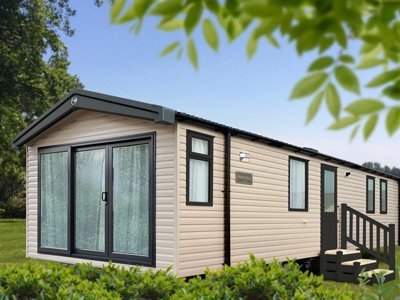
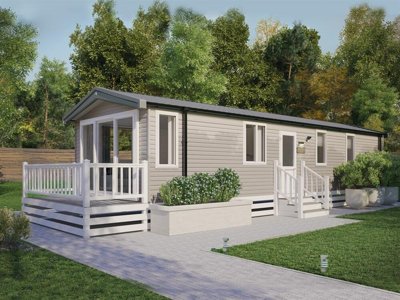
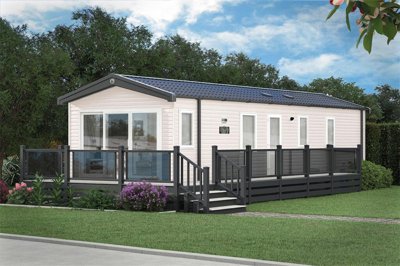
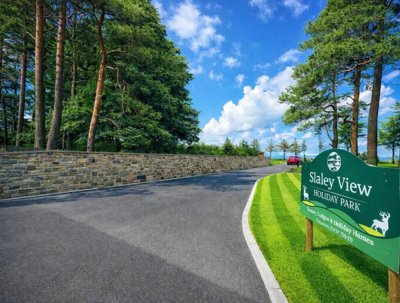
Browse 4 homes new builds in Healey from local developer agents.
Healey’s property market offers a good mix for buyers who want rural life with solid transport links. Our current listings cover detached houses with four and five bedrooms, semi-detached family homes, and traditional terraced cottages that still carry the village’s heritage. In the NE44 area, the average selling price sits at approximately £464,615, although values vary quite a bit with size, condition and where a home sits in the village. Recent homedata.co.uk data shows detached homes with a median price of £660,000, while semi-detached properties have reached around £282,000 in recent transactions.
Activity has been busy in Healey over the last twelve months, with 48 total sales recorded in the wider area according to homedata.co.uk. Even so, prices have corrected sharply, with overall house prices down by approximately 45.5% over the past year. In a small hamlet like this, where sales volumes are limited, one high-value deal can pull the averages around quite dramatically. For buyers, that shift may open the door to a home in this sought-after rural spot at a more approachable price than before. The most common homes for sale in Healey, NE44, are 4-bedroom detached houses and 5-bedroom villas, though smaller cottages do appear from time to time at lower price points.
New build activity in Healey is still almost non-existent, with property research data showing new build homes accounted for 0.0% of recent sales in the area. That means buyers are usually looking at established homes with a sense of character already built in. The limited housing stock, together with the Tyne Valley setting, helps well-priced properties move quickly. If a suitable stone cottage comes up, we would not hang around.

Healey has the kind of English village character that Northumberland does so well. Most of the housing is historic, built in traditional stone and local brick, and many homes have been standing for several generations. Listed buildings such as Eastwood House and School House add to the area’s sense of history and underline its place in the Tyne Valley. Those features help preserve the village look, rather than letting it drift into something more generic. Locally sourced sandstone is common too, and it gives many properties that warm Northumberland finish.
Outside the village, Northumberland opens out into rolling countryside, footpaths and the wider scenery of the North Pennines Area of Outstanding Natural Beauty. Slaley Hall, the hotel and golf resort nearby, brings leisure facilities and also acts as a local employer in hospitality. Being in the Tyne Valley gives residents a useful balance, quiet on the one hand, practical access to market towns on the other. Walking, cycling and country pursuits are all close at hand, while Hexham, around 8 miles west, provides supermarkets, healthcare and classic market town amenities.
Despite its modest size, Healey has a proper sense of community. Rural living here comes with the support of neighbours who know one another, and that makes a difference. Village gatherings and local events help new arrivals settle in, while nearby larger places keep restaurants, entertainment and cultural venues within reach. The area appeals to a broad mix, from retirees wanting peace and quiet to families looking for quality of life and schooling in Northumberland. Properties also benefit from competitive council tax rates set by Northumberland County Council, which adds to the appeal for buyers comparing it with metropolitan areas.

Families looking at a move to Healey will find schools within a sensible travelling distance across Northumberland. Younger children are usually taught in village primary schools in nearby communities, while older pupils head to larger settlements for secondary education. The county has a network of primary schools serving rural areas, with secondary provision centred on market towns such as Hexham. It is sensible to check catchment areas and admissions policies, as both can shift with capacity and personal circumstances. Local options include First Schools in nearby villages, Middle Schools serving the region, and Upper Schools that take pupils through to A-levels.
Northumberland has a strong reputation for education, and schools across the county regularly post good results in national assessments and inspections. Families can choose between comprehensive schools and grammar schools, depending on what suits their child’s path. From Healey, access to well-regarded schools is realistic, especially with Hexham and other larger settlements close by. Sixth form and further education provision is available in nearby towns for students who stay on after GCSEs. The nearest comprehensive secondary school takes pupils from Year 7 through to Year 13 and offers solid academic outcomes alongside a broad extracurricular programme.
Travel for schoolchildren is well organised across rural Northumberland, with county council-subsidised bus services linking Healey to schools in nearby villages and market towns. Anyone moving here should apply to preferred schools early, because catchment rules can affect admission. Northumberland’s school year follows standard term dates, which makes planning a move around the academic calendar fairly straightforward. For younger children, preschool and nursery places are available in surrounding communities, and some settings offer extended hours for working parents.

Healey sits in a useful spot within the Tyne Valley for anyone who needs to get to work across the region. The village is close to the A69 trunk road, which runs through Northumberland and links Newcastle upon Tyne with Carlisle, forming the main route for commuters and visitors. That makes Newcastle, around 25 miles to the east, reasonably easy to reach for city centre jobs and amenities. Much of the A69 is dual carriageway, so journeys are generally quicker and more dependable for people travelling regularly.
Rail travel is available from stations on the Tyne Valley line, which serves communities between Newcastle and Carlisle. The closest stations connect into the regional rail network, and trips into Newcastle usually take about 30-45 minutes, depending on the station and service. Regular trains run through the day, with access to Newcastle Central Station and, from there, the Tyne and Wear Metro for further travel across the region. For longer journeys, or flights, Newcastle Airport offers domestic links and European destinations.
Bus services also run through the area, linking Healey with neighbouring villages and market towns for day-to-day trips. Local routes reach Hexham for shopping and services, though the timetable suits planned outings more than daily commuting. For those working in Newcastle or elsewhere in a major city, the village offers rural living without cutting you off from urban employment. Plenty of residents drive to the nearest station and finish the journey by train. From Healey, Newcastle, Gateshead and Sunderland are all reachable in roughly one hour by a mix of road and rail.

A visit is the best way to get a feel for Healey and the nearby Northumberland villages. Spend time there, check the local atmosphere, and see what the amenities are really like. It helps to come back at different times of day and on different days of the week too, so you can judge the village rhythm and how busy it feels. Keep an eye on local property listings as well, so you can see how prices and availability are moving in this sought-after Tyne Valley spot.
Before you start arranging viewings, we recommend getting a mortgage agreement in principle from a lender. It gives your offer more weight and shows estate agents in this desirable village that you are financially ready. A mortgage broker can also open up rates from several lenders across the market, which gives you a wider set of choices.
Once you have a shortlist, arrange viewings for homes that match what you need and take your time with each one. Look closely at the property condition, garden space and any renovation work that may be needed. In Healey, older stone houses can need more upkeep than newer homes, so that is worth bearing in mind. Make notes as you go, and ask about the age of the property, any previous renovations, and any known issues with the structure or systems.
After your offer is accepted, we advise commissioning a RICS Level 2 Survey so the property is properly checked. With so many village homes being older, a detailed survey can pick up structural problems or repairs needed before completion. Our team of qualified surveyors understands the construction methods used in Northumberland properties and can spot issues linked to traditional stone buildings and local geology.
Next, appoint a conveyancing solicitor to deal with the legal transfer of ownership. Your solicitor will carry out searches, review the contracts and handle contact with the seller’s legal team through to completion. Those searches will usually include local authority checks, environmental searches and drainage investigations for the Healey area.
Once searches and surveys are satisfactory, the solicitor will move things on to exchange of contracts and the final registration of ownership. Keys are usually released on the completion date agreed by both sides. Our conveyancing partners can put you in touch with solicitors who know Northumberland property transactions and are familiar with the local process.
Healey’s homes range from traditional stone cottages to larger detached family houses built in different periods. During viewings, pay close attention to the construction materials and the condition of older homes, as stone properties can show settlement or call for specialist maintenance. Listed buildings in the area also mean planning rules and permitted development rights may differ from those on newer estates, so buyers should check any restrictions with the local planning authority. Many of the older houses are sandstone, which needs a different maintenance approach from modern brick or rendered properties.
The geology of Northumberland includes Carboniferous rocks such as sandstones, limestones and shales, and those can affect foundations and ground conditions. Buyers should also think about the shrink-swell risk linked to clay content in local soils, especially where large trees or heavy vegetation sit close to the house. We did not identify specific subsidence data for Healey, but properties elsewhere in Northumberland can be affected by ground movement, so a proper survey should check foundations and any signs of structural movement. Some parts of the county also have a mining legacy, so for certain properties it is wise to investigate historic coal activity and any impact on the ground.
It is sensible to assess flood risk for any purchase, wherever the property sits. Healey is inland rather than coastal, but homes near watercourses or in lower-lying parts of the Tyne Valley should still be checked for surface water and river flooding. Ask for any existing flood risk assessments and look carefully at the home’s position in relation to nearby water features. It is also important to confirm tenure, since flats in the village may be leasehold and involve service charges and ground rent that need close review before you commit. Our surveyors can also check drainage and look for signs of damp or water ingress that might affect long-term condition.
Energy performance varies a lot between Healey properties, and older stone cottages often need improvement to meet modern expectations. Check the current EPC rating and think through the cost of any upgrades needed to make the home comfortable and efficient. Traditional homes can often be improved with better insulation and updated heating systems without losing their character. Any likely work should be built into your offer price or renovation budget, so the total cost of purchase matches what you had planned.

In the Healey NE44 postcode area, the average property price is approximately £464,615, with listings ranging from £105,000 to £995,000. Recent homedata.co.uk data shows detached homes with a median price of £660,000, semi-detached properties at around £282,000 and terraced homes at approximately £130,000 in recent transactions. The local market has also corrected in recent months, with overall prices down by approximately 45.5% over the past year, though that figure is shaped by limited transaction volumes in this small hamlet where single sales can move the average sharply.
Homes in Healey fall within Northumberland County Council’s area, so council tax bands are set according to valuation bands from A through to H. The band on any particular house depends on the individual property, and buyers should confirm it with the local authority or check valuation agency records. Northumberland’s rates are generally competitive compared with metropolitan areas, which helps make the village appealing for buyers who want value as well as rural living. You can confirm a property’s band through the Valuation Office Agency website using the address.
Primary schooling is available through village schools in neighbouring communities, while secondary education is provided by schools in nearby market towns such as Hexham. Northumberland schools have a good record in national assessments, and several in the area achieve above-average results in Ofsted inspections. Families should look at individual school performance data and Ofsted reports when weighing up their options, because provision varies across the region. Admission rules and catchment areas are set by the local education authority, so parents should confirm their eligibility for preferred schools before they go ahead with a purchase.
Healey’s Tyne Valley position brings decent transport links, with bus services running to neighbouring communities and market towns including Hexham. The nearest rail stations on the Tyne Valley line give access to regional train services, with journeys into Newcastle taking roughly 30-45 minutes depending on the station. The A69 trunk road is the main road link, and it offers straightforward access to Newcastle upon Tyne, around 25 miles to the east. A car is still the most practical option for day-to-day commuting, but there are public transport choices for people working locally or heading to regional centres.
From an investment point of view, Healey has clear appeal because of its rural Northumberland setting and its closeness to major employment centres such as Newcastle upon Tyne. Buyers are drawn here for countryside living without losing access to the wider North East, and demand comes from professionals, families and retirees who want a village lifestyle. Limited supply supports values, and traditional stone houses are especially popular with buyers who value character and heritage. With no new build development in the area, demand for existing homes should stay steady, even if transaction volumes remain low because the hamlet is so small.
Stamp duty land tax rates for 2024-25 apply to every property purchase in England, including Healey. Under the standard rates, there is 0% on the first £250,000 of the purchase price, then 5% on the part from £250,001 to £925,000. For homes above £925,000, the rate rises to 10% up to £1.5 million and 12% above that. First-time buyers get higher thresholds, with 0% on the first £425,000 and 5% from £425,001 to £625,000, subject to eligibility criteria. Anyone buying an additional property above £40,000 pays the standard rates plus a 3% surcharge. A stamp duty calculator can help you work out the exact figure based on price and circumstances.
From 3.5% APR
From 3.5% APR
Expert property solicitors
From £499
Comprehensive condition survey for residential properties
From £350
Detailed structural survey for older or complex properties
From £500
Energy performance certificate for your property
From £75
Budgeting for a purchase in Healey means factoring in stamp duty land tax as well as the other costs of buying. The current SDLT thresholds for residential property in England apply everywhere, Northumberland included. Homes priced at £250,000 or less attract no standard stamp duty, which makes the lower end of the Healey market more accessible. That said, plenty of homes sit above that level, and typical purchases in this sought-after village attract SDLT at 5% on amounts between £250,001 and £925,000. At the village average of £464,615, a standard buyer would pay approximately £10,731 in stamp duty.
First-time buyers in Healey get enhanced relief, with no stamp duty due on the first £425,000 of the purchase price. The relief applies to homes up to £625,000, with 5% charged on the part between £425,001 and £625,000. Properties above £625,000 do not qualify for first-time buyer relief. Beyond stamp duty, buyers should set aside solicitor fees, usually £500 to £1,500 for conveyancing, survey costs of around £350 to £600 for a RICS Level 2 Survey, and removal expenses that vary with distance and the amount moved. Mortgage arrangement fees can range from zero to over £2,000 depending on lender and product, so they need to be in the budget too.
Other costs to keep in mind in Healey include search fees for local authority, environmental and drainage checks specific to Northumberland. These typically come to £250 to £400, depending on the provider and the depth of the searches needed. Land Registry fees are payable when the ownership transfer is registered, and lenders may also charge mortgage valuation fees, although these are sometimes included free with mortgage deals. Buildings insurance should be in place from exchange, with the cost depending on property value, construction type and cover level. Traditional stone homes can attract slightly higher premiums because of their construction and the likely repair costs.

Properties New Builds In London

Properties New Builds In Plymouth

Properties New Builds In Liverpool

Properties New Builds In Glasgow

Properties New Builds In Sheffield

Properties New Builds In Edinburgh

Properties New Builds In Coventry

Properties New Builds In Bradford

Properties New Builds In Manchester

Properties New Builds In Birmingham

Properties New Builds In Bristol

Properties New Builds In Oxford

Properties New Builds In Leicester

Properties New Builds In Newcastle

Properties New Builds In Leeds

Properties New Builds In Southampton

Properties New Builds In Cardiff

Properties New Builds In Nottingham

Properties New Builds In Norwich

Properties New Builds In Brighton

Properties New Builds In Derby

Properties New Builds In Portsmouth

Properties New Builds In Northampton

Properties New Builds In Milton Keynes

Properties New Builds In Bournemouth

Properties New Builds In Bolton

Properties New Builds In Swansea

Properties New Builds In Swindon

Properties New Builds In Peterborough

Properties New Builds In Wolverhampton

Enter your details to see if this property is within your budget.
Loans, cards, car finance
Estimated property budget
Borrowing + deposit
You could borrow between
Typical borrowing
Monthly repayment
Est. at 4.5%
Loan-to-value
This is an estimate only. Your actual budget may vary depending on interest rates, credit history, and personal circumstances. For an accurate affordability assessment, speak to one of our free mortgage advisors.
This calculator provides estimates for illustrative purposes only and does not constitute financial advice. Your home may be repossessed if you do not keep up repayments on your mortgage. Estimates based on 4.5% interest rate, repayment mortgage. Actual rates depend on your circumstances.
Homemove is a trading name of HM Haus Group Ltd (Company No. 13873779, registered in England & Wales). Homemove Mortgages Ltd (Company No. 15947693) is an Appointed Representative of TMG Direct Limited, trading as TMG Mortgage Network, which is authorised and regulated by the Financial Conduct Authority (FRN 786245). Homemove Mortgages Ltd is entered on the FCA Register as an Appointed Representative (FRN 1022429). You can check registrations at NewRegister or by calling 0800 111 6768.

We use cookies to show you personalised content and improve your experience of our website. Find out more in our Privacy policy and Cookie policy.