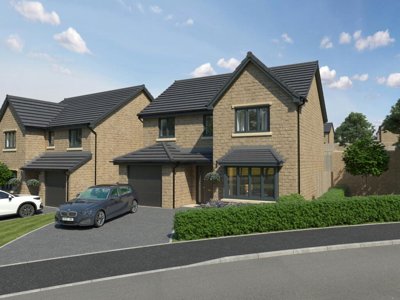
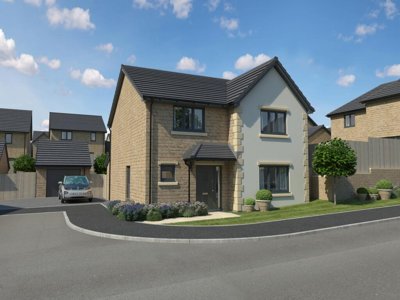
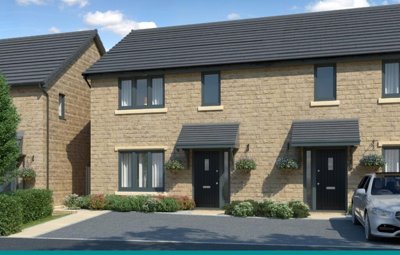
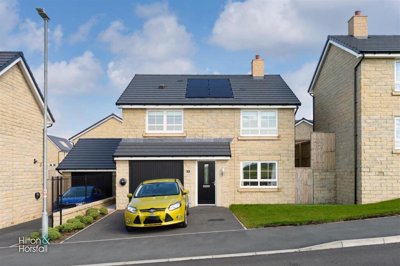
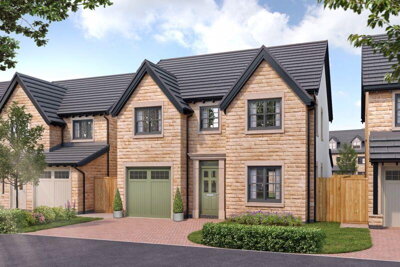
Browse 6 homes new builds in Hapton, Burnley from local developer agents.
The larger property sector typically features multiple bathrooms, substantial reception space, and private gardens or off-street parking. Four bedroom houses in Hapton span detached, semi-detached, and occasionally terraced configurations, with styles ranging from period properties to modern executive homes.
£320k
2
0
152
Source: home.co.uk
Showing 2 results for 4 Bedroom Houses new builds in Hapton, Burnley. The median asking price is £320,000.
Source: home.co.uk
Detached
1 listings
Avg £360,000
Semi-Detached
1 listings
Avg £280,000
Source: home.co.uk
Source: home.co.uk
The Hapton property market has plenty of choice across the price spectrum, with 37 properties currently listed for sale on home.co.uk. Detached homes sit at the top end, averaging £261,244, which reflects the pull of bigger family houses with gardens in this semi-rural spot. Semi-detached houses are a strong draw for first-time buyers and growing families too, with average prices around £204,444, and they compare well with nearby commuter towns. Terraced properties remain the entry point, usually around £116,173, so they suit buyers taking their first step or investors eyeing rental income. Even with a 3% year-on-year price adjustment, values are still 6% above the 2022 peak of £190,994.
Hapton’s property mix tells the story of a village that shifted from industrial centre to sought-after place to live. A good number of homes date from the Victorian and Edwardian periods, put up during the height of the local cotton mills and coal mining. Those houses often come with generous room sizes, high ceilings, and the sort of original detail that appeals to buyers looking for character. In this part of Lancashire, local sandstone and stone-slate roofs are common, as Shuttleworth Hall shows, with modern homes now added into the stock in recent decades.
Seven listed buildings sit within the civil parish, among them the Grade I listed Shuttleworth Hall, and that heritage clearly shapes the feel of the area. Hapton’s architectural history stretches across several centuries, with buildings from the 17th century still part of the picture. The Grade II* and Grade II listed buildings, including Watson Laithe Farmhouse and two bridges crossing the Leeds and Liverpool Canal, give different parts of the village their own identity. We always advise buyers to check listed status early, because it affects permitted development rights and can change what is possible with a renovation.
New build activity around Hapton has been fairly limited, so most homes are established stock rather than fresh developments. Canal Walk was marketed in the village in 2021, with homes set in countryside surroundings and handy access to Burnley and Blackburn via the M65. Calico Homes also brought affordable housing to Water Street and Back Church Street, though those units are now likely long completed. Buyers who want something brand new may need to look at nearby towns along the M65 corridor, while still staying within reach of Hapton’s village amenities.

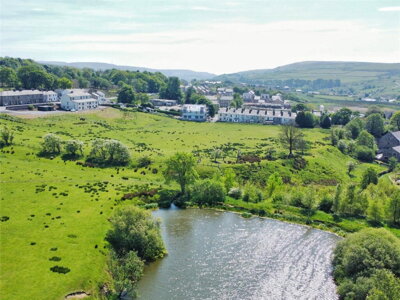
Life here mixes village calm with everyday practicality, which is a big part of Hapton’s appeal. The civil parish has a population of 2,238 people, and that scale helps the community feel close-knit, with local events and familiar faces throughout the year. The Leeds and Liverpool Canal adds a lovely backdrop to daily routines, with towpath walks and cycling routes linking Hapton to neighbouring villages and towns. Local shops, pubs, and essential services cover the basics, while Burnley is close enough for broader shopping, healthcare, and leisure. Pennine countryside sits right on the doorstep, so hiking, cycling, and wildlife watching are all easy to get to.
The demographic make-up of Hapton is fairly balanced, with a mix of age groups and household types contributing to the community feel. Families are drawn by schools and affordable housing, while commuters like the peaceful setting and the access to bigger job markets. The village’s industrial past still shows in the built environment, especially where former mill buildings have been converted into homes and kept their original features. Listed buildings, from Grade I to Grade II, help preserve the architectural character of the area. Local clubs, places of worship, and recreational spaces also give residents plenty of ways to get involved.
Hapton’s economy benefits from its position near the M65 corridor, which puts Burnley, Blackburn, and wider employment areas within reach. The village grew around coal mines, cotton mills, and chemical works, all of which left a strong imprint through the 19th and early 20th centuries. It also has a neat claim to fame, as the first village in England with electric street lighting, a reminder that innovation has long been part of its story. These days, many residents work elsewhere during the week and return to village life in the evenings and at weekends. Affordable prices, a strong sense of community, and nearby countryside make the area appealing for buyers focused on quality of life.

Families in Hapton are well served by primary schools in the village, while secondary options are available in nearby Burnley and surrounding towns. Primary-age children can stay local for school, which helps with routines and keeps school runs manageable for working parents. Across the wider Burnley area there are several primary and secondary schools, and some schools perform above national averages in GCSE and SAT assessments according to available data. We would always suggest checking Ofsted ratings and performance figures for each school, because catchment areas can shape where children are placed. Catholic primary schools also serve the local community, with good transport links from the Hapton area.
Beyond the standard school stages, Hapton and the wider Burnley borough offer options for both young people and adults. Sixth form provision is available at secondary schools in Burnley, and colleges provide A-levels, vocational courses, and apprenticeships for post-16 students. The region’s further education colleges also offer vocational qualifications that tie in with local employment sectors. Higher education is within reach too, with universities in Preston, Lancaster, and Manchester accessible via regular train services from Hapton station. Nursery and preschool settings are available in the village and nearby areas for younger children. Families should also keep admissions rules in mind, because proximity to a school can affect where a child is offered a place.
For family buyers, school access needs to sit near the top of the checklist. Hapton sits within the BB12 postcode, so residents can look at schools both locally and across the wider Burnley local education authority. Homes on the eastern side of Hapton may fall into different catchments from properties near the canal or in the village centre. Bus services for secondary pupils widen the choice beyond schools within walking distance. We always suggest checking catchment boundaries before making an offer, so there are no nasty surprises after purchase.

Hapton manages to combine village quiet with strong transport links, which is one reason it works so well for commuters. Hapton railway station has Northern Rail services to Manchester, Leeds, Preston, and Blackpool, with regular trains through the day. The M65 motorway runs close by, giving direct road access to Burnley, Blackburn, Preston, and the wider national network. For people commuting to Manchester, the city centre is around one hour by train, which makes the village a realistic option for professionals wanting more affordable housing. Local buses also connect Hapton with surrounding villages and towns for those who do not drive.
Parking is generally easier here than in many urban areas, with most homes offering off-street parking or garage access. That alone takes some pressure off day-to-day travel. The village setting also avoids much of the congestion seen in larger towns, so getting about is usually straightforward. Cyclists can use the Leeds and Liverpool Canal towpath, a car-free route that works for leisure and commuting alike. It links Hapton to neighbouring communities and opens up longer rides along one of Britain’s historic canal networks. Walking is also practical for local trips, as shops, schools, and amenities are within reach from most residential streets. Manchester Airport is about 90 minutes away by car or public transport, which is handy for international travel and business trips.
That mix of rail and road links is what makes Hapton especially useful for people working in Manchester, Leeds, or across the North West. Trains from Hapton station are a dependable alternative to driving, so commuters can read, work, or simply sit back instead of sitting in traffic. The M65 keeps Burnley, Blackburn, and Preston within 30 minutes by car, which matters for anyone with a regular office commute. Drivers also avoid many of the bottlenecks that affect bigger urban journeys. Hapton offers rural charm without cutting people off, and that balance sets it apart from more isolated villages nearby.

Start with our listings if you want to get a feel for property types, prices, and neighbourhoods in Hapton. The average price of £206,050 is a useful benchmark, while terraced homes start from around £116,173 and detached properties can reach £261,244. Once you know the local spread, it is easier to set a realistic budget and narrow down the areas that fit your lifestyle. We also recommend visiting at different times of day, so you can judge traffic, community activity, and the condition of local amenities for yourself.
Before you book viewings, get a mortgage agreement in principle from a lender. It shows how much you can borrow and tells sellers that you are serious and financially ready. First-time buyers may benefit from relief, with first-time buyer relief potentially applying to properties up to £625,000 under current SDLT rules. A mortgage broker who knows the Lancashire market can help you make sense of the options, including new build schemes and shared ownership homes that may be relevant in the Hapton area.
Once you have a shortlist, arrange viewings and keep an eye on construction type, condition, and how close each home is to schools and transport. With seven listed buildings in the parish, it is worth checking whether any property has listed status, because that affects permitted development rights and maintenance duties. We also advise spending time around the immediate area, checking noise, neighbouring properties, and the state of the streets and public spaces nearby. Evening and weekend visits are useful alongside daytime viewings, as they can show a different side to the same location.
After your offer is accepted, book a RICS Level 2 survey so the property’s condition is properly checked. Prices usually start at £376 for homes under £200,000, rising for more expensive properties. A good survey can highlight structural problems or repairs before you are committed. In Hapton, where many homes are old, surveys often pick up issues linked to solid wall construction, original windows, or historic roofing materials that need specialist attention or compliance with heritage requirements.
We would then appoint a conveyancing solicitor to handle the legal side of the purchase, including local searches, title checks, and SDLT calculation. Solicitors in the Hapton area are familiar with local issues such as flood risk near the canal and planning restrictions affecting the village. That local knowledge can be valuable when looking at nearby developments, agricultural activity, or commercial uses that might influence how you enjoy the property. Ask for copies of every search result and go through them carefully before moving ahead.
Your solicitor will take you through exchange, final mortgage arrangements, and completion. On completion day, you collect the keys to your new Hapton home and become part of a community of approximately 2,238 residents in this historic Lancashire village. After that, there is the usual admin, updating utilities, councils, banks, and any other organisations with your new address. It also helps to get to know local services, from waste collection schedules and parking permits if they apply, to any community groups or facilities you might want to join.
Buying in Hapton means keeping a close eye on a few local factors that can shape both investment value and day-to-day living. Flood risk needs consideration, given the Leeds and Liverpool Canal running through the civil parish. We did not find specific flood risk maps for Hapton in available data, but homes near the canal or in low-lying spots deserve careful checking. Ask your solicitor for flood risk reports during conveyancing, and think about whether buildings insurance will be easy to obtain and affordable. Older Victorian or Edwardian terraces may have solid walls rather than cavity wall insulation, which can affect energy efficiency and heating bills.
Listed buildings in Hapton bring extra rules with them, and some homes will carry heritage designations that limit alterations and improvements. If you are viewing a Grade I, Grade II*, or Grade II listed property, any planned changes may need Listed Building Consent from Burnley Borough Council. Hapton’s seven listed buildings, including the Grade I listed Shuttleworth Hall and structures along the canal, underline the area’s architectural importance. Leasehold properties can also involve service charges and ground rent, especially in converted mills or modern apartment schemes. Freehold homes are usually more straightforward, though title documents still need careful review.
The village’s industrial history means some properties may have contamination linked to former uses, though local searches during conveyancing will flag any environmental issues recorded on official registers. Homes built before the 1970s may also contain materials such as asbestos, which need proper assessment and management. In parts of Lancashire, clay soils can bring subsidence risks, so surveys are especially useful for older properties. Knowing a property’s history, and the history of the land around it, helps buyers plan for maintenance and spot future complications early.

According to home.co.uk, the average house price in Hapton, Lancashire, is £206,050, with a median price of £195,000 for Hapton, Lancashire. Prices vary sharply by type, with detached homes averaging £261,244, semi-detached properties at £204,444, and terraced homes around £116,173. The market has also shown steady growth, with prices currently 6% above the 2022 peak of £190,994, despite a 3% year-on-year adjustment. That resilience points to continued demand in a semi-rural spot with solid transport links to bigger employment centres.
For council tax, properties in Hapton fall under Burnley Borough Council. The band split varies by type and value, with band A common for lower-value terraced houses and higher bands applied to larger detached homes. We would always tell buyers to check the exact band on the Valuation Office Agency website before they commit. Council tax is part of the ongoing cost of owning a home, so it should sit alongside mortgage payments and maintenance when you work out affordability.
Primary schools serve the Hapton community, while secondary schools are available in nearby Burnley. Parents should look closely at Ofsted ratings and GCSE performance when choosing a property, because school quality varies and catchment boundaries matter. Being close to stronger schools can lift property values and make certain streets more attractive to families. It is also sensible to confirm the latest catchment maps with the local education authority, since boundaries can change and properties near the edge may be treated differently.
Hapton railway station gives commuters Northern Rail services to Manchester, Leeds, Preston, and Blackpool, so major cities remain practical for work. The M65 is easy to reach from the village and links Hapton to Burnley, Blackburn, and the wider motorway network. Local bus services add to the transport picture for residents without cars, connecting nearby towns and villages. The Leeds and Liverpool Canal towpath is another useful route, especially for cyclists and pedestrians who want to move locally or enjoy the surrounding countryside without driving.
There are also some clear investment angles here, not least the relatively affordable entry prices compared with Manchester or Leeds commuter areas. With prices 6% above the 2022 peak, the village has shown resilience even through wider market swings. Terraced homes from around £116,173 could appeal to landlords looking for rental opportunities, especially with local employment and commuter demand in the background. That said, investors still need to weigh up rental demand, void periods, and maintenance costs before deciding what returns are realistic. A civil parish population of 2,238 suggests a settled residential community rather than a high-turnover rental market.
Standard SDLT rates apply to purchases in Hapton, with 0% duty on the first £250,000, 5% on £250,001 to £925,000, and higher rates above that. At the typical Hapton average price of £206,050, most buyers would not cross the SDLT threshold. First-time buyers get relief on the first £425,000 of a property price, and pay 5% duty between £425,001 and £625,000. Homes above £625,000 do not qualify for first-time buyer relief. Your solicitor will work out the exact SDLT bill based on the purchase price and your buyer status.
New build activity in Hapton has been limited, with most of the housing stock made up of established homes. Canal Walk was marketed in the village in 2021, although its current status is unclear. Affordable housing delivered by Calico Homes on Water Street and Back Church Street has already been completed. Buyers who are set on new properties may need to look along the M65 corridor, where there are more options and still decent access to Hapton’s village amenities and transport links.
Getting to grips with the full cost of buying in Hapton helps you budget properly and avoid awkward surprises. The main extra cost is Stamp Duty Land Tax (SDLT), which applies to property purchases above £250,000 at standard rates. For a typical Hapton home at the average price of £206,050, most buyers will not pass the SDLT threshold, although first-time buyer status and the exact purchase price still matter. Higher-value homes, especially detached properties averaging £261,244, will attract SDLT at the 5% rate on anything above £250,000. Your solicitor will calculate and submit SDLT to HMRC as part of the conveyancing process.
Beyond SDLT, buyers should also budget for survey costs, solicitor fees, and mortgage arrangement charges when purchasing in Hapton. A RICS Level 2 survey starts from £376 for properties under £200,000, while the average UK survey costs around £445 to £455 according to industry data. Conveyancing fees usually begin at £499 for standard purchases, though more complex transactions involving listed buildings or leasehold properties may cost more. Listed building issues can add extra layers to conveyancing, because your solicitor will need to check existing consents and explain the obligations attached to the property. Mortgage arrangement fees vary by lender, from zero to several hundred pounds, so they need to be included when comparing mortgage products. Land Registry fees for registering ownership are usually wrapped into solicitor costs. Putting these figures in place early helps the move to completion run more smoothly once you find the right Hapton home.

Properties New Builds In London

Properties New Builds In Plymouth

Properties New Builds In Liverpool

Properties New Builds In Glasgow

Properties New Builds In Sheffield

Properties New Builds In Edinburgh

Properties New Builds In Coventry

Properties New Builds In Bradford

Properties New Builds In Manchester

Properties New Builds In Birmingham

Properties New Builds In Bristol

Properties New Builds In Oxford

Properties New Builds In Leicester

Properties New Builds In Newcastle

Properties New Builds In Leeds

Properties New Builds In Southampton

Properties New Builds In Cardiff

Properties New Builds In Nottingham

Properties New Builds In Norwich

Properties New Builds In Brighton

Properties New Builds In Derby

Properties New Builds In Portsmouth

Properties New Builds In Northampton

Properties New Builds In Milton Keynes

Properties New Builds In Bournemouth

Properties New Builds In Bolton

Properties New Builds In Swansea

Properties New Builds In Swindon

Properties New Builds In Peterborough

Properties New Builds In Wolverhampton

Enter your details to see if this property is within your budget.
Loans, cards, car finance
Estimated property budget
Borrowing + deposit
You could borrow between
Typical borrowing
Monthly repayment
Est. at 4.5%
Loan-to-value
This is an estimate only. Your actual budget may vary depending on interest rates, credit history, and personal circumstances. For an accurate affordability assessment, speak to one of our free mortgage advisors.
This calculator provides estimates for illustrative purposes only and does not constitute financial advice. Your home may be repossessed if you do not keep up repayments on your mortgage. Estimates based on 4.5% interest rate, repayment mortgage. Actual rates depend on your circumstances.
Homemove is a trading name of HM Haus Group Ltd (Company No. 13873779, registered in England & Wales). Homemove Mortgages Ltd (Company No. 15947693) is an Appointed Representative of TMG Direct Limited, trading as TMG Mortgage Network, which is authorised and regulated by the Financial Conduct Authority (FRN 786245). Homemove Mortgages Ltd is entered on the FCA Register as an Appointed Representative (FRN 1022429). You can check registrations at NewRegister or by calling 0800 111 6768.

We use cookies to show you personalised content and improve your experience of our website. Find out more in our Privacy policy and Cookie policy.