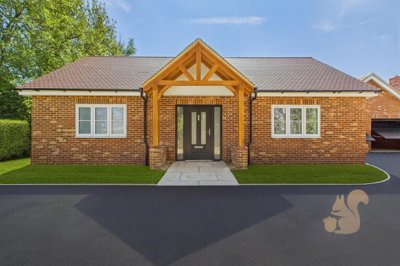
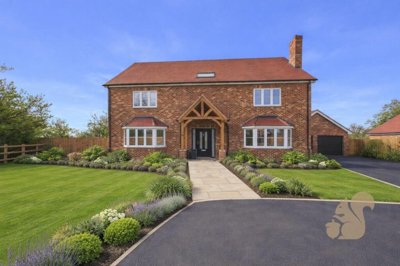
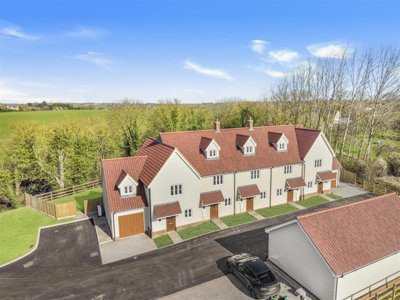
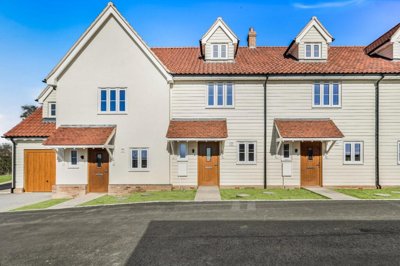
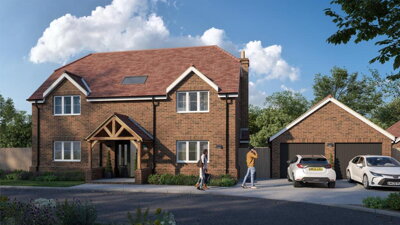
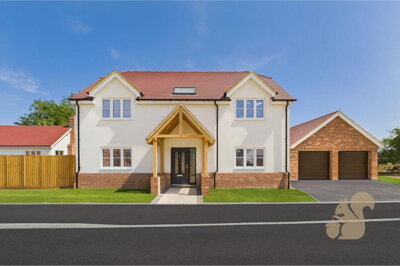
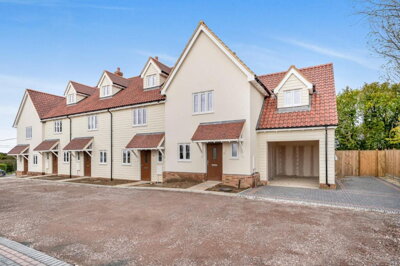
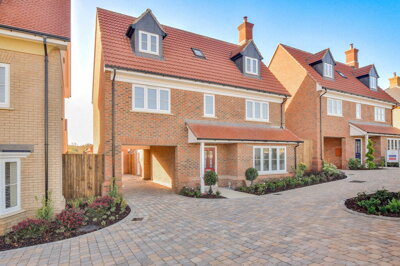
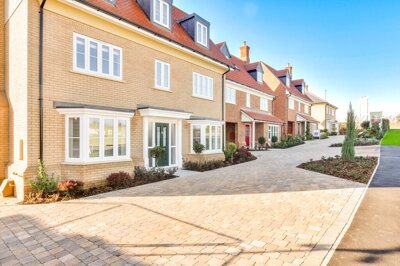
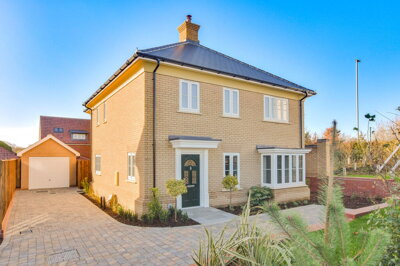
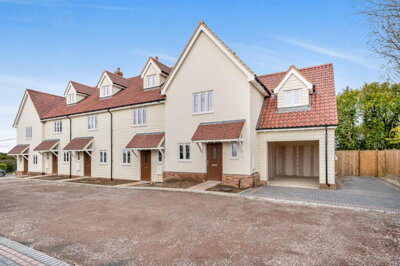
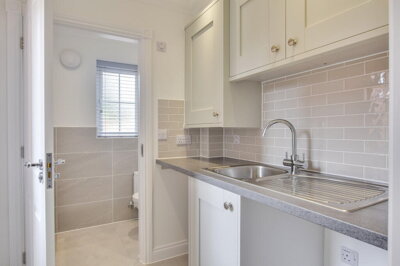
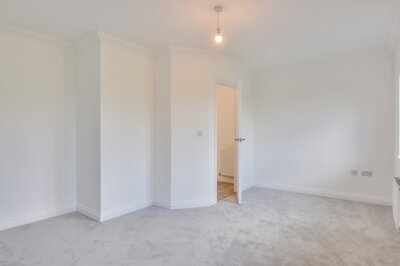
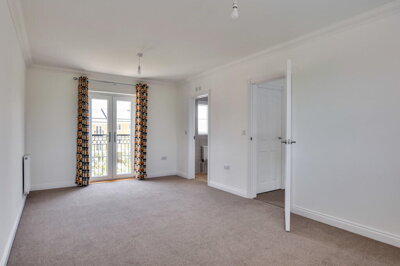
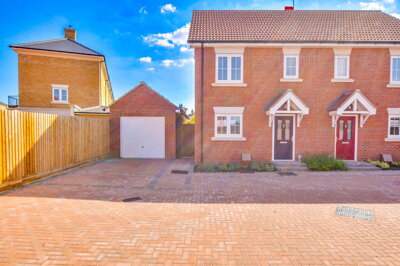
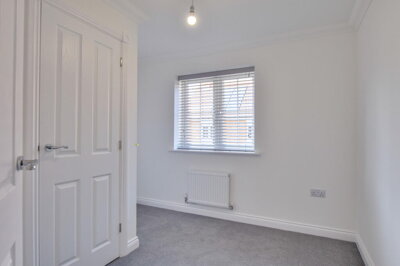
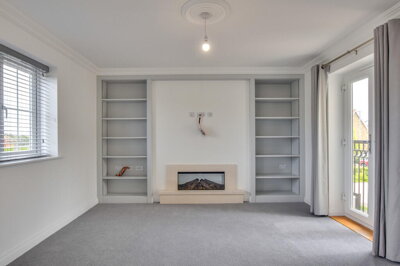
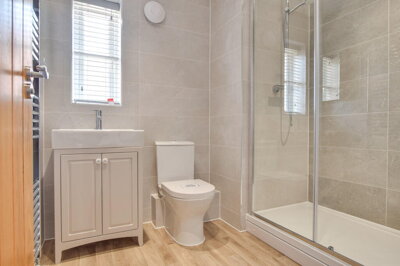
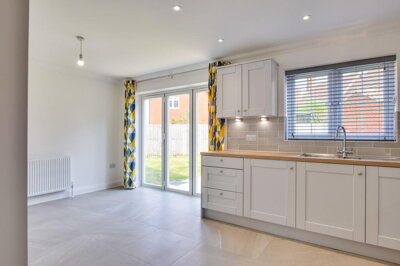
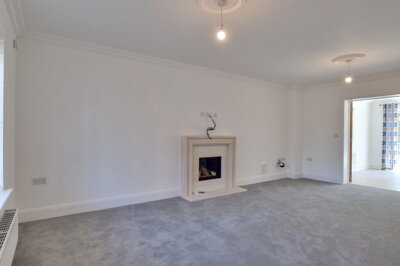
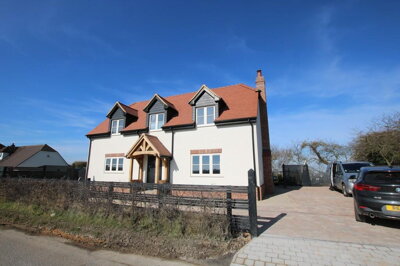
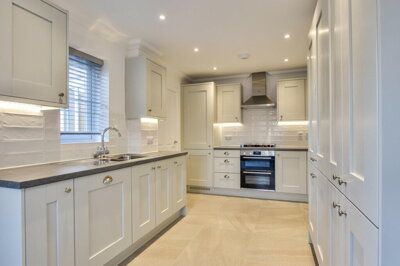
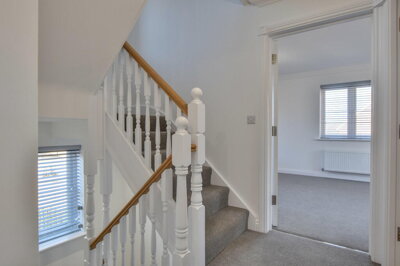
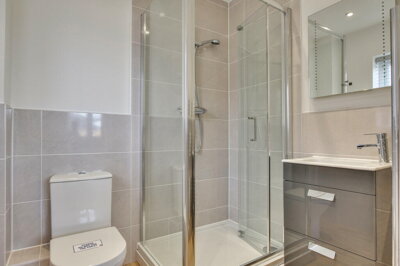
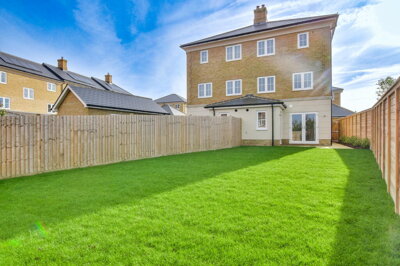
Browse 28 homes new builds in Great Easton from local developer agents.
The latest homedata.co.uk sold data for Great Easton puts the average at £228,500 over the last 12 months, a sharp change from the 2018 high of £656,786. That correction sits within broader national movement, though Uttlesford is still an economically buoyant district, with solid fundamentals keeping demand alive. Our home.co.uk listings span everything from old village cottages to large detached homes, so buyers can work from a wide range of price points.
Planning activity around Great Easton points to continuing interest in the village’s development potential. Within CM6, recent applications have covered residential conversions, extensions to existing properties, and new self-build dwellings. One application sought a single-storey three-bedroom detached self-build bungalow after the demolition of an existing tennis court, while another proposed extending and converting an existing garage building into a single dwelling with garden and parking. That sort of activity suggests an active local market, where buyers can find established homes and plots with scope to create something of their own.
Strong economic fundamentals support the property market across Uttlesford District. Stansted Airport, good road and rail links to London and Cambridge, and a rural setting that still feels attractive to professionals and families all play a part. Great Easton’s conservation area status and its listed buildings also help hold value by preserving the village character that draws buyers in. For anyone looking to invest, those are encouraging signs for continued demand for quality homes in the village.

Great Easton’s story reaches back to the 12th century, with a linear settlement pattern running along Brook End Road and Church End through the parish. The village centre covers the historic core, formally designated a Conservation Area after appraisal in 2014, which protects the architectural character that gives the place its identity. Across the parish there are 48 Listed Buildings or groups of Listed Buildings, and 16 sit within the Conservation Area itself, a clear marker of the village’s historic weight and the quality of its built environment.
The historic core of Great Easton shows centuries of local building practice. Oak timber-framed properties often carry lime render, plain or decorated with pargeting, while the main eighteenth-century buildings onwards were usually made with handmade red bricks, sometimes picked out with black stock brick detail for contrast. By the nineteenth and early twentieth centuries, better houses were using flintwork panels and moulded window copings, which add real texture to the streetscape. A small brickworks traded in the parish during the mid to late nineteenth century, probably feeding materials to the Hamiltons estate and other local building work of that era.
Daily life is well covered by the village shop, a traditional pub, and community facilities serving residents. Broxted and the neighbouring villages add more local services, while Saffron Walden and Bishop's Stortford offer a much wider choice of shopping, healthcare, and leisure. That mix of village feel and access to bigger town amenities is part of what makes Great Easton appealing to families and to those after a more balanced life in the Essex countryside.

Families moving to Great Easton have a range of schooling choices within Uttlesford District, which regularly performs strongly in national school rankings. The district has a network of primary schools serving village communities, and several are rated Good or Outstanding by Ofsted. Nearby primary options include schools in Dunmow, Stansted, and the villages that make up the Uttlesford school catchment system. Parents should check exact catchment areas with Uttlesford District Council, as placements can change depending on the property’s precise location within the parish.
As children get older, secondary options open up in the Stansted Airport area and in nearby Saffron Walden. Saffron Walden County High School is a well-known choice for the wider Uttlesford area, while families wanting grammar school education can look to accessible options in Chelmsford and Colchester. Thanks to the transport links from the Stansted area, those schools are practical for secondary-age children. Sixth form and further education in Saffron Walden and Bishop's Stortford also give older students a solid choice of routes.
Great Easton’s older housing stock, stretching from the twelfth century through to the twentieth century, means many buyers will be looking at period homes that may need updating but still offer generous room sizes and plenty of character. In the Conservation Area, renovation costs need to sit in the budget from the outset. Timber beams, fireplaces, and period joinery can all call for specialist maintenance, yet they are a big part of the charm and long-term value of these properties.

One of Great Easton’s biggest draws is how well connected it is. Stansted Airport lies a short distance away, bringing international travel and domestic flights across the UK and Europe, while Stansted Mountfitchet mainline station offers regular trains to London Liverpool Street in around 50 minutes. That keeps the village workable for commuters who want a quieter home base. Cambridge is also easy to reach by road via the M11 corridor, opening up jobs and cultural life in the university city.
Road links from Great Easton are straightforward. The M11 runs nearby and connects the village south to London and north to Cambridge, while the A120 trunk road ties the district into Bishop's Stortford, Chelmsford, and the wider Essex network. Local bus services give residents another option for getting about, and the 33 bus service runs through the village to Saffron Walden and Stansted Airport.
For people working in London but living in Great Easton, the commute can still work well despite the rural setting. Stansted Mountfitchet station has peak and off-peak services, and many commuters see the roughly 50-minute trip as comparable to, or better than, longer journeys from costlier London suburbs. The village’s closeness to Stansted Airport also makes it appealing to people working in logistics, aviation, and international business.

Take a look at current listings on home.co.uk and set up property alerts for homes that fit your brief. Knowing the price range in Great Easton, where recent sales averaged £228,500, helps keep expectations grounded before the formal search begins. We suggest saved searches that ping you as soon as matching properties come to market, because the more desirable village homes in Great Easton can draw several interested buyers quickly.
Speak to a mortgage broker and get an agreement in principle before you start viewing. With your finances lined up, your offer carries more weight and sellers can see that you are ready to proceed. Great Easton has everything from Victorian cottages to modern conversions, so your broker can talk through lending rules for different ages and construction types.
Seeing several Great Easton properties side by side is the easiest way to judge condition, character, and value. On period homes, pay close attention to age, wear, and any details that may need repair or renovation. We always suggest looking at properties at different times of day and in different weather, so you can get a clearer read on natural light, drainage, and heating performance.
For older homes with significant heritage features, a RICS Level 2 Survey gives a valuable check on condition and flags issues such as damp, structural movement, or repair work. With listed buildings and period properties so common in Great Easton, that professional view matters. Our surveyors know the local construction methods, including oak timber frame, lime render, and Victorian brickwork.
Appoint a solicitor with experience of Uttlesford property transactions to handle the legal side of the purchase. They will carry out searches, review contracts, and manage the transfer of ownership through to completion. For homes in Great Easton’s Conservation Area, or those with listed status, they should also advise on planning conditions, listed building consents, and any restrictive covenants that may affect how the property can be used.
Once the searches come back clean and the finance is in place, you exchange contracts and pay the deposit. Completion usually follows within weeks, when the rest of the money changes hands and you collect the keys to your new Great Easton home. We recommend arranging buildings insurance from the point of exchange, so your investment is protected against anything unexpected.
A sizeable share of Great Easton’s homes are historic, with many listed or inside the conservation area. If you are looking at a listed property, the extra responsibilities need to sit in your thinking from the start. Listed building consent can be needed for alterations, and specialist contractors may be required where the work calls for suitable materials and methods. During conveyancing, your solicitor should confirm the listed status of any property and explain what it means for future maintenance and improvement plans.
Flood risk still deserves a close look when we assess Great Easton properties. The village itself is not in a high-risk flood zone, but homes close to water courses or on low-lying ground should be checked carefully. A RICS Level 2 Survey will look at drainage and any signs of past water ingress. Buildings insurance costs can change depending on the exact location and flood history, so it makes sense to get quotes before you commit.
Because many village homes are older, electrics, heating, and insulation often need work to meet modern expectations. Properties built before the 1970s may have outdated consumer units, textile-insulated wiring, and solid walls without cavity insulation. Our surveyors examine those items during inspection and flag any work needed to bring the property up to current standards. It is wise to budget for upgrades when you are looking at period homes in the village.
Older houses, especially those on oak timber frames, need a careful look for movement. Small cracks are common in period property, because timber moves naturally over time, but more serious structural concerns call for professional assessment. Our inspectors look for subsidence, heave, and lintel failure, issues that can affect homes across Uttlesford District. Spotting them early can save a lot of money and means you know exactly what you are buying.

Great Easton’s historic housing stock often shows the sort of defects you would expect from its age and construction. Oak timber frame homes, which are common in the historic core, can suffer beetle activity, woodworm, or fungal decay in their structural members. Those problems are often treatable when picked up early, but they can turn into serious structural issues if left alone. Our surveyors carry moisture meters and sounding equipment to judge timber condition during inspections.
Lime render on timber frame homes needs a different maintenance approach from modern cement-based renders. Properties with decorative pargeting, the traditional Essex craft of decorative lime plasterwork, may have had unsuitable cement repairs that trap moisture and speed up decay in the timber structure below. It matters to spot where sympathetic repairs have used traditional materials, because that feeds straight into both condition and future maintenance.
Handmade red brick homes from the eighteenth and nineteenth centuries can show problems linked to historic mortars that are softer than the bricks themselves. Black stock brick detailing, seen on better quality properties from this period, is especially vulnerable to frost damage if the original mortar has worn away. Our inspectors look closely at brickwork, noting spalling, cracking, and mortar erosion that may point to repointing or repair work.
Flintwork panels on the finest nineteenth-century properties need specialist eyes. Flint itself is very durable, but the ironstone or limestone mortar courses that bind the work can break down over time. Homes with these decorative panels should be inspected by surveyors who know traditional Essex building techniques, because repairs call for skilled craftsmen and appropriate traditional materials.
According to homedata.co.uk, the latest Great Easton sold data puts the average at £228,500 for properties sold in the last 12 months. That is a clear move down from the 2018 peak of £656,786, and it reflects both wider market conditions and the types of homes that are changing hands in the village. Prices across Uttlesford vary widely, with detached family homes higher than terraced cottages or flats. Period homes with original features, along with properties inside the Conservation Area, can command a premium for their character and heritage value.
Great Easton properties fall under Uttlesford District Council for council tax. The district uses the standard banding system from Band A through to Band H. Most period homes and family houses in the village tend to sit in Bands C through E, although the exact band depends on the property's rateable value. Bigger detached homes may land in Band F or G, while smaller cottages may be in Band B or C. You can check any property's band on the Valuation Office Agency website or ask your solicitor during conveyancing.
Uttlesford District has a strong mix of primary and secondary schools, and several are rated Good or Outstanding by Ofsted. For Great Easton, the nearest primary options include schools in surrounding villages and in the Stansted area, many within easy driving distance. Secondary schooling is available in Saffron Walden and Stansted, with Stansted covering the 11-16 age range. Grammar school choices in Chelmsford and Colchester are also within reach thanks to the transport links from the Stansted area.
For a village of its size, Great Easton is well connected. Stansted Mountfitchet station runs regular services to London Liverpool Street in about 50 minutes, with trains through the day. Stansted Airport adds domestic and international flights, together with coach links to places across the UK. The 33 bus service and other local routes connect Great Easton with nearby towns and villages, which helps with day-to-day travel without a car.
Uttlesford District is regularly seen as one of the most desirable places to live in Essex, and villages such as Great Easton are part of that appeal. Its economic buoyancy, helped by proximity to Stansted Airport, London, and Cambridge, keeps demand for housing steady. Great Easton’s conservation area status and listed buildings also support values by protecting the character that buyers are drawn to. For landlords and investors, the strong transport links make the village attractive to tenants who work in London or around the airport. Over the long term, property values in Uttlesford have shown resilience and steady growth.
Stamp duty rates for 2024-25 are set by the purchase price of the property. Up to £250,000, no stamp duty is payable. From £250,001 to £925,000, the rate is 5% on that portion. For homes priced between £925,001 and £1.5 million, the rate is 10%, then 12% applies above £1.5 million. First-time buyers purchasing up to £625,000 pay no stamp duty on the first £425,000, with 5% due between £425,001 and £625,000. At Great Easton’s current average of £228,500, most buyers would pay no stamp duty at current thresholds. Your solicitor will work out the exact figure from your circumstances and purchase price, and arrange payment to HM Revenue and Customs once completion takes place.
Even though Great Easton itself is not in a high-risk flood zone, homes near water courses or on low-lying ground still need a proper check. The village’s topography means some spots can be prone to surface water flooding after heavy rainfall. Your solicitor should order a local authority drainage search and an environmental search to identify any flood risk linked to the exact property. Buildings insurance premiums can vary with the precise location and flood history, so getting quotes before you commit is sensible. A RICS Level 2 Survey will assess drainage and look for signs of previous water ingress.
With 48 Listed Buildings or groups of Listed Buildings in the parish, plenty of buyers consider listed homes. Under the Planning Listed Buildings and Conservation Areas Act, listed building consent is needed for alterations, extensions, or demolition that would affect the building’s character. If a listed property is on your shortlist, the extra duties and likely costs need to be part of the decision. Work often calls for specialist contractors using suitable materials and methods, and period-feature repair can cost more than modern equivalents. Your solicitor should confirm the listed status and any relevant conditions during conveyancing.
From £400
A detailed inspection of the property condition, especially for period homes with significant heritage features.
From £600
A building survey we usually recommend for older, complex, or unusual properties.
From £85
An Energy Performance Certificate, needed for all property sales.
From £499
Legal services for your property purchase
From 3.5%
Competitive mortgage rates from trusted lenders
Beyond the purchase price of a Great Easton home, we suggest budgeting carefully for the extra costs that come with buying. Stamp duty, formally Stamp Duty Land Tax, can be a significant outlay and it varies with purchase price and buyer status. On a typical Great Easton property priced around the village average of £228,500, most buyers would pay no stamp duty at current thresholds. Your solicitor will calculate the exact amount for your circumstances and arrange payment to HM Revenue and Customs once completion takes place.
A RICS Level 2 Survey usually comes in at between £400 and £900, depending on the size and complexity of the property, and older homes can cost more because of their age and heritage features. For homes over £500,000, the average survey cost rises to around £586, compared with £384 for properties under £200,000. Given that many Great Easton homes date from the seventeenth century and earlier, buyers should be looking towards the higher end of that range if they want a thorough inspection.
In Uttlesford, a conveyancing solicitor generally charges between £499 and £1,500 for work covering title checks, local authority searches, and contract preparation. The local searches specific to Uttlesford District Council will include drainage and water authority searches, environmental searches, and local land charges. For homes in Great Easton’s Conservation Area, we would also suggest extra searches if planning conditions or Tree Preservation Orders might affect how you use the property. Buildings insurance should be in place from exchange, and it is sensible to allow for moving costs, possible renovation work on period homes, and ongoing maintenance when setting the full budget for Great Easton.

Properties New Builds In London

Properties New Builds In Plymouth

Properties New Builds In Liverpool

Properties New Builds In Glasgow

Properties New Builds In Sheffield

Properties New Builds In Edinburgh

Properties New Builds In Coventry

Properties New Builds In Bradford

Properties New Builds In Manchester

Properties New Builds In Birmingham

Properties New Builds In Bristol

Properties New Builds In Oxford

Properties New Builds In Leicester

Properties New Builds In Newcastle

Properties New Builds In Leeds

Properties New Builds In Southampton

Properties New Builds In Cardiff

Properties New Builds In Nottingham

Properties New Builds In Norwich

Properties New Builds In Brighton

Properties New Builds In Derby

Properties New Builds In Portsmouth

Properties New Builds In Northampton

Properties New Builds In Milton Keynes

Properties New Builds In Bournemouth

Properties New Builds In Bolton

Properties New Builds In Swansea

Properties New Builds In Swindon

Properties New Builds In Peterborough

Properties New Builds In Wolverhampton

Enter your details to see if this property is within your budget.
Loans, cards, car finance
Estimated property budget
Borrowing + deposit
You could borrow between
Typical borrowing
Monthly repayment
Est. at 4.5%
Loan-to-value
This is an estimate only. Your actual budget may vary depending on interest rates, credit history, and personal circumstances. For an accurate affordability assessment, speak to one of our free mortgage advisors.
This calculator provides estimates for illustrative purposes only and does not constitute financial advice. Your home may be repossessed if you do not keep up repayments on your mortgage. Estimates based on 4.5% interest rate, repayment mortgage. Actual rates depend on your circumstances.
Homemove is a trading name of HM Haus Group Ltd (Company No. 13873779, registered in England & Wales). Homemove Mortgages Ltd (Company No. 15947693) is an Appointed Representative of TMG Direct Limited, trading as TMG Mortgage Network, which is authorised and regulated by the Financial Conduct Authority (FRN 786245). Homemove Mortgages Ltd is entered on the FCA Register as an Appointed Representative (FRN 1022429). You can check registrations at NewRegister or by calling 0800 111 6768.

We use cookies to show you personalised content and improve your experience of our website. Find out more in our Privacy policy and Cookie policy.